

The Herb Prof Team researches and writes our herbal guides, drawing on published research, traditional herbal references, and hands-on growing experience.
As an enthusiastic gardener, I’ve witnessed how quickly stubborn weeds can overrun a garden and hinder healthy growth. But what if there were a natural way to keep them under control? Cover crops are more than a temporary solution; they are a valuable tool in managing weeds. By selecting the right ones, you can cultivate a vibrant ecosystem that limits unwanted plants while enriching and improving your soil.
In this text, I’ll share my top five cover crops for natural weed suppression. These options not only keep weeds at bay but also enhance soil health and promote biodiversity. If you’re looking to cultivate a more sustainable garden, let’s dive into these fantastic cover crops that will transform your growing experience.
Benefits of Using Cover Crops
Cover crops provide numerous advantages for gardeners, particularly in weed suppression. These plants not only brighten up the garden but work wonders below the soil too.
Soil Health Improvement – 5 Best Cover Crops for Natural Weed Control in Any Garden
Cover crops enrich soil health significantly. They add organic matter as they grow, improving soil structure. Increased microbial activity from these crops enhances nutrient availability. For instance, legumes like clover fix nitrogen in the soil, which supports plant growth. My garden soil has felt more alive since I started using cover crops. Healthy soil means healthier plants and fewer weeds. It’s a win-win.
Enhanced Biodiversity
Biodiversity thrives with cover crops in the mix. These plants attract beneficial insects, which can be nature’s pest controllers. For instance, buckwheat invites pollinators like bees. They come for the flowers and help my fruits and veggies along the way. Plus, diverse planting practices create habitats for beneficial organisms. I’ve noticed more butterflies and ladybugs in my garden since I introduced cover crops. A vibrant ecosystem equals fewer weeds, making gardening more enjoyable for me.
Top 5 Cover Crops for Natural Weed Suppression
Cover crops serve as excellent tools for managing weeds effectively. Here are five top choices to consider growing.
Clover – 5 Best Cover Crops for Natural Weed Control in Any Garden
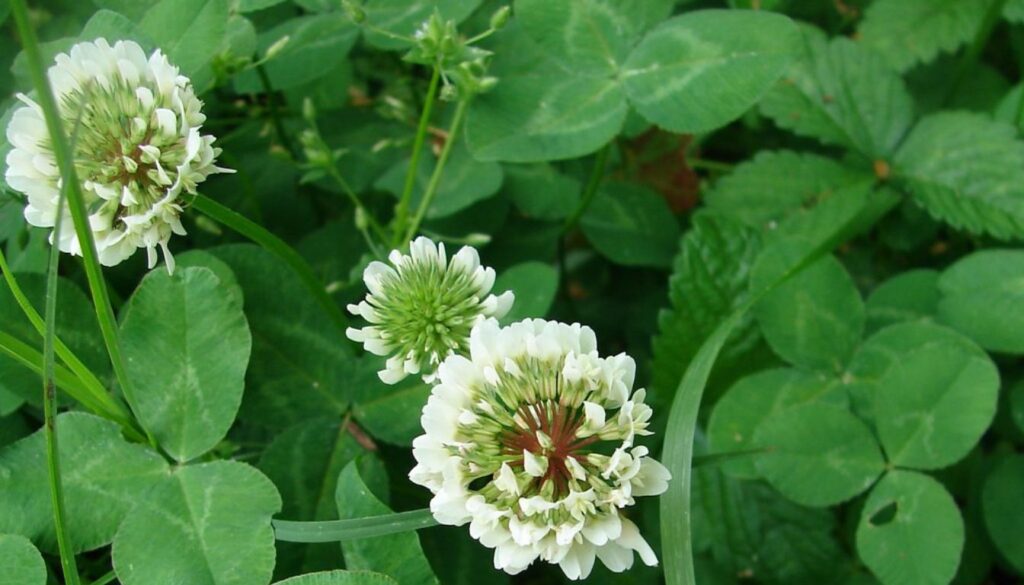
Clover is a fast-growing legume that forms a dense, weed-blocking carpet over the soil. Its thick growth effectively reduces sunlight exposure, making it difficult for unwanted plants to sprout. As a nitrogen-fixing plant, clover enriches the soil with essential nutrients, improving overall fertility. One of its standout qualities is its ability to attract pollinators like bees, which actively support biodiversity and contribute to a thriving garden ecosystem.
Buckwheat
Buckwheat is a fast-growing cover crop that reaches maturity in just a few weeks, making it ideal for quick weed suppression. Its broad leaves spread out, forming a dense canopy that shields the soil from invasive growth. Beyond its weed-controlling properties, buckwheat also draws beneficial insects, helping to maintain a balanced ecosystem in the garden. When tilled under, it enriches the soil with organic matter, further enhancing its health and fertility.
Rye
Rye is a resilient cover crop that thrives in cool weather, making it an excellent choice for soil protection. Its deep root system strengthens the soil, preventing erosion while naturally suppressing weeds. When mowed, rye forms a thick mulch-like layer that shields the ground, reducing weed competition. It also enhances soil structure by improving aeration and drainage.
Field Peas
Field peas not only add nutrients to the soil but also grow dense foliage. This growth provides excellent ground cover during the off-season, significantly reducing weed competition. It’s a double win for your garden. As a legume, field peas also fix atmospheric nitrogen, making them beneficial for nutrient-depleted soil.
Mustard – 5 Best Cover Crops for Natural Weed Control in Any Garden
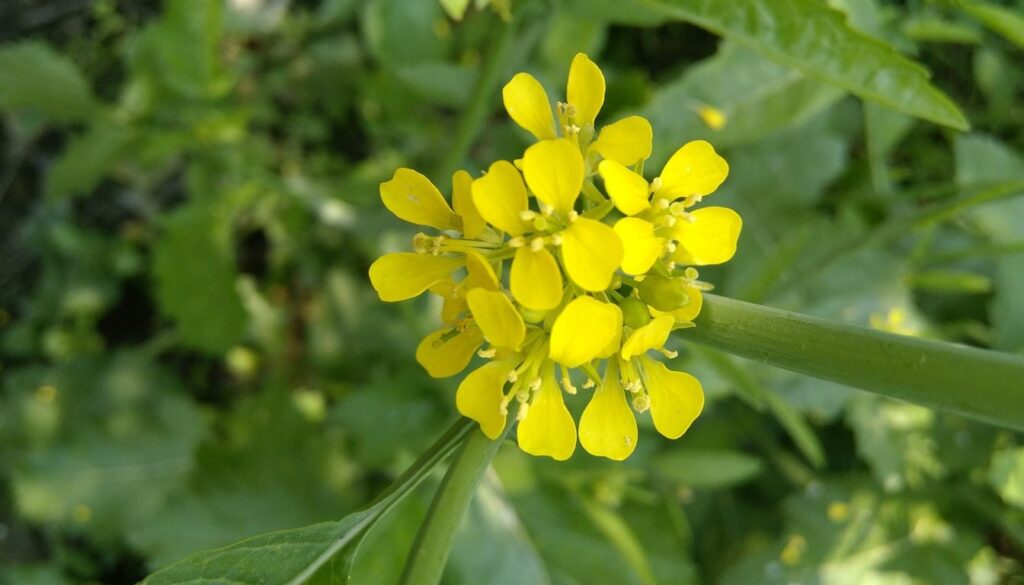
Mustard is a fast-growing cover crop that thrives in various conditions, producing an abundance of biomass. Its dense foliage forms a thick canopy, effectively shading the soil and preventing weeds from taking hold. As an added benefit, mustard releases natural compounds that help combat pests and soil-borne diseases. When incorporated into the soil, these compounds act as biofumigants, promoting overall plant health and creating a more resilient garden environment.
Using these cover crops, I can create a healthier ecosystem in my garden while naturally managing weeds. Each option brings unique benefits, and together they can transform any growing space into a flourishing haven.
Best Practices for Implementing Cover Crops
Cover crops enhance garden health and suppress weeds effectively. Implementing them requires some thought and attention to detail.
Choosing the Right Crop – 5 Best Cover Crops for Natural Weed Control in Any Garden
Selecting the right cover crop matters for successful weed suppression. I consider my garden’s specific needs before deciding. For instance, clover suits smaller gardens, while rye thrives in larger areas. Each crop brings unique benefits. I love buckwheat for its rapid growth and ability to attract beneficial insects. Field peas add nitrogen but also provide excellent ground cover. Analyzing soil type and climate conditions helps me choose wisely.
Timing and Management
Timing influences the effectiveness of cover crops. I plant them in the fall or early spring, depending on the crop. Early planting allows for more growth before the main growing season. Managing cover crops can feel like having a pet; they need care and attention.
I mow or terminate them before flowering to prevent reseeding. Organic matter from the crops enriches the soil as it decomposes. I’ve found that frequent observation helps manage their growth. Monitoring the cover crops ensures they meet my garden’s needs efficiently.
Before You Go – 5 Best Cover Crops for Natural Weed Control in Any Garden
Embracing cover crops has truly transformed my gardening experience. By incorporating these powerful plants, I’ve not only tackled weed issues but also enriched my soil and fostered a thriving ecosystem. Each cover crop brings unique benefits that cater to different gardening needs and conditions.
As I continue to experiment with clover, buckwheat, rye field peas, mustard and hairy vetch, I’m amazed at how they work together to create a healthier garden environment. If you’re looking for sustainable solutions to manage weeds while enhancing soil health, consider giving cover crops a try. You might just find that your gardening journey becomes more enjoyable and rewarding.
Don’t forget to add theherbprof.com homepage to your favourites so you don’t miss out on future articles.
References – 5 Best Cover Crops for Natural Weed Control in Any Garden
Little Herb Encyclopedia, by Jack Ritchason; N.D., Woodland Publishing Incorporated, 1995
The Ultimate Healing System, Course Manual, Copyright 1985, Don Lepore
Planetary Herbology, Michael Tierra, C.A., N.D., Lotus Press, 1988
Handbook of Medicinal Herbs, by James A. Duke, Pub. CRP Second Edition 2007
The Complete Medicinal Herbal, by Penelope Ody, Published by Dorling Kindersley
Check the Following Article
Chamomile vs. Lavender: Which is Best for Relaxation?
Dandelion vs. Burdock Root: Best Herbs for Natural Detox
Echinacea vs. Goldenseal: The Best Herb for Immunity
Spearmint vs. Peppermint: Choosing the Best Mint for You
Frequently Asked Questions – 5 Best Cover Crops for Natural Weed Control in Any Garden
What are cover crops, and how do they help with weeds?
Cover crops are plants grown primarily to improve soil health and suppress weeds. They block sunlight, create dense foliage, and enhance biodiversity, reducing weed competition naturally while adding nutrients to the soil.
Why should I use clover as a cover crop?
Clover is a fast-growing legume that forms a thick mat to block sunlight, suppress weeds, and fix nitrogen in the soil. It also attracts beneficial insects, making it a great choice for improving garden health.
What benefits does buckwheat provide as a cover crop?
Buckwheat matures quickly, providing shade that helps suppress weeds. It attracts beneficial insects and can aid in pest control, making it an effective choice for enhancing your garden’s ecosystem.
How does rye work as a cover crop?
Rye has an extensive root system that prevents soil erosion and suppresses weeds when mowed. It’s especially effective when mixed with other cover crops, making it a robust option for larger garden areas.
What are field peas used for in gardening?
Field peas are great for adding nitrogen to the soil and creating dense ground cover that reduces weed competition. Their nutrient-rich foliage promotes soil health, benefiting other plants in the garden.
What advantages does mustard offer as a cover crop?
Mustard grows quickly and produces biomass that shades the soil, helping prevent weeds. It also possesses biofumigant properties that can control pests and diseases, making it a valuable addition to a sustainable garden.
What is Hairy Vetch, and how does it benefit gardens?
Hairy Vetch is a fast-growing cover crop that forms a thick mat to block sunlight and fix nitrogen in the soil. It’s easy to incorporate into your soil when mowed, making it an effective option for improving soil health.
How do I choose the right cover crop for my garden?
When selecting a cover crop, consider your garden’s specific needs, soil type, and climate conditions. For smaller spaces, clover may work best, while rye suits larger areas. Timing your planting is also crucial for optimal growth.
How do I properly manage cover crops?
Managing cover crops is similar to caring for a pet. It requires regular attention and monitoring to ensure they thrive. This includes proper timing for planting and maintaining their health to enrich the soil effectively.