
Paul Johnston is the founder and master herbalist of The Herb Prof, with decades of clinical experience in naturopathic medicine, herbal remedies, detoxification and holistic wellness. After overcoming his own serious health challenges, he now dedicates himself to helping others reclaim their health naturally.
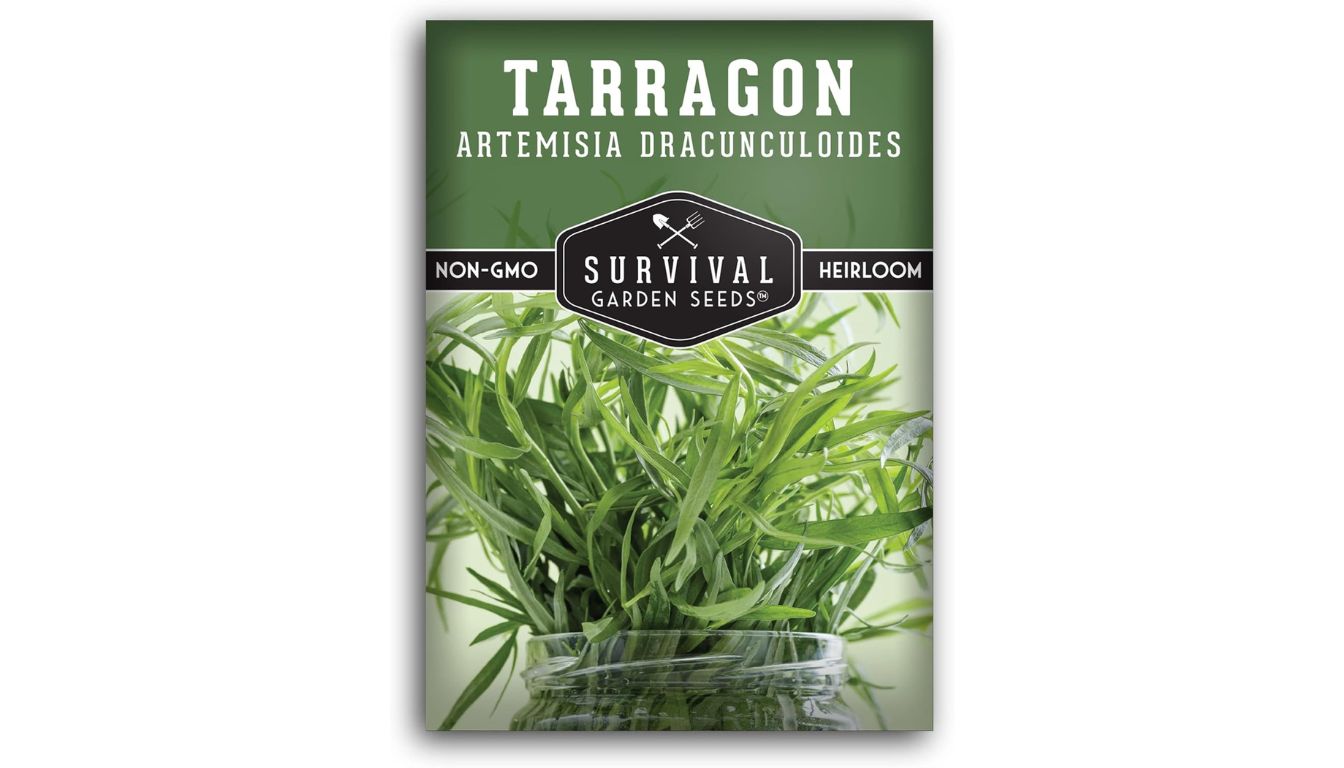
We recently tested out these Russian Tarragon seeds from Survival Garden Seeds, and they proved to be a solid option for anyone wanting to add fresh herbs to their garden. Survival Garden Seeds Russian Tarragon review highlights how the plants grew vigorously and reached impressive heights with attractive woody stems and thin leaves that looked great in our herb bed.
The flavor is milder than French tarragon, with a subtle anise taste that works well in cooking when you use it fresh. We appreciated that these seeds are actually viable since French tarragon can’t be grown from seed at all. The germination rate was decent, and the plants established themselves without much fussing.
Storage is convenient if you’re not ready to plant right away. The seeds stay good for years when kept somewhere cool and dry. Instructions are clear enough for beginners, and the packet includes guidance on seed saving for future seasons.
Some buyers mentioned germination could be spotty, and the milder flavor isn’t for everyone who expects the stronger French variety. The plants do need space since they spread out quite a bit once established.
Bottom Line – Survival Garden Seeds Russian Tarragon Review
These Russian Tarragon seeds are worth picking up if you want an easy-growing herb with ornamental appeal and mild flavor. The plants are hardy, and the seeds store well for later use.
Click here and grab a packet today to start growing your own fresh tarragon at home.
Overview of Russian Tarragon Seeds for Planting – Get Yours Here
We recently planted these seeds from Survival Garden Seeds and found them surprisingly easy to work with. The pack contains non-GMO heirloom seeds that grow into tall plants reaching about 40 inches, which is taller than we expected for an herb.
Key Growing Characteristics:
- Grows in USDA zones 4-9
- Reaches full height of 36-40 inches
- Prefers full sun and regular watering
- Works in various soil types
The germination rate impressed us, with most seeds sprouting within a week to ten days. We should mention that Russian tarragon has a milder, slightly bitter anise flavor compared to French tarragon, which some growers prefer for cooking. The plants showed good vigor once established and proved fairly low maintenance in our garden beds.
Storage is simple since the seeds remain viable for years in cool, dry conditions.
Vigorous Ornamental Growth – Survival Garden Seeds Russian Tarragon Review
These seeds produced plants that reached an impressive height in our garden space. The Russian tarragon grew steadily throughout the growing season and hit close to the expected 36 inches without much fuss on our part.
We noticed the foliage filled out nicely with a bushy appearance that added visual interest to our herb bed. The plants developed attractive green leaves that created a pleasant backdrop among our other vegetables. Summer brought flowering that enhanced the ornamental quality beyond what we anticipated for an herb primarily grown for culinary use.
The growth pattern stayed manageable and didn’t require constant trimming to keep things looking tidy. We appreciated how the plants adapted to different soil conditions in our garden and maintained their vigorous appearance even during drier periods.
Distinctive Mild Anise Flavor – Get Yours Here
The flavor profile sits somewhere between subtle and barely there, which honestly works in its favor for people who find French tarragon too intense. We picked a few leaves fresh from our plants and tossed them into a summer salad, where they added a gentle licorice note without overwhelming the other ingredients. The anise taste is noticeably milder than what you’d get from French tarragon, making these seeds a practical choice if you want herb flavor that won’t dominate your dishes.
Fresh use really does make a difference with this variety. We tried drying some leaves, but they lost much of their already delicate flavor. The mildness means you can use more of it without worrying about overpowering your cooking, which is useful for experimenting with recipes.
Easy Growing and Seed Saving – Survival Garden Seeds Russian Tarragon Review
We found these seeds straightforward to start, whether planted directly in garden beds or started indoors first. The germination happened quickly for us, with sprouts appearing within a week to ten days in most cases. Russian tarragon adapts well to different soil types and doesn’t demand much attention once established.
The packet includes clear instructions for saving seeds after the plants flower and mature. This means we can collect seeds from our harvest and plant them again next season without buying more. The open-pollinated nature makes seed saving reliable and simple.
Storage is practical too. We appreciated that unopened packets stay good for years when kept somewhere cool and dry, giving us flexibility about when to plant.
Heirloom Non-GMO and High Germination – Get Yours Here
The quality of these seeds impressed us right from the start. They come from heirloom stock and contain no GMO modifications, which gave us confidence about what we were actually planting in our garden. We noticed the germination rate lived up to its billing as one of the special features.
Most of our seeds sprouted within the expected timeframe without requiring any special treatment. The untreated seeds worked well in regular garden conditions. We did find that proper soil preparation and consistent watering made a noticeable difference in how many seeds actually came up.
One thing worth mentioning is that Russian tarragon grows differently from French tarragon. The flavor profile is milder, which some people prefer, and others don’t. We appreciated knowing exactly what variety we were getting thanks to the heirloom designation.
Complete Planting Instructions – Survival Garden Seeds Russian Tarragon Review
Getting these seeds started was pretty simple once we understood the basics. The packet includes clear directions that walk you through the germination process step by step. We found it helpful that the instructions cover both immediate planting and long-term storage options.
Key Growing Points:
- Sow seeds directly outdoors after the last frost
- Plant about 1/4 inch deep in well-draining soil
- Space plants 18 to 24 inches apart
- Choose a spot with full sun exposure
We appreciated that the packet explained how to save seeds from our harvest for future seasons. The instructions work well for beginners while still being useful for experienced gardeners. One minor drawback is that germination takes longer than some other herbs, requiring patience during the first few weeks.
Pros and Cons – Get Yours Here
After working with these seeds in our garden, we found several points worth discussing before you make a purchase decision.
Pros
The germination rate impressed us quite a bit. Within ten days, we saw multiple sprouts emerging from the soil, which matched what many other gardeners experienced. The seeds store well for future planting seasons if you keep them somewhere cool and dry.
Growing this herb proved easier than we expected. The plants grew vigorously once established, reaching considerable height without much fussing. We appreciated that this variety can actually be grown from seed, unlike French tarragon, which requires plant divisions or cuttings.
The packaging includes helpful growing instructions and seed-saving tips. Both beginners and experienced gardeners will find the information useful for getting started. We also liked that these are non-GMO heirloom seeds from a small American business.
Cons
The flavor falls short of what many people expect from tarragon. Russian tarragon has a milder, sometimes slightly bitter taste compared to the prized French variety. We found it less suitable for classic tarragon recipes that call for that distinct anise flavor.
Several gardeners discovered their seeds failed to sprout at all. While our batch germinated fine, the inconsistency concerns us since some people received packets with poor viability.
The product description doesn’t make it obvious enough that Russian and French tarragon taste quite different. Many buyers ordered these seeds, thinking they would get the culinary flavor they know from French tarragon. That confusion led to disappointment when the mature plants lacked the expected taste profile.
Heat tolerance becomes an issue in hot climates. The plants struggle during peak summer temperatures in warm regions, which limits where you can successfully grow this herb outdoors year-round.
Customer Reviews – Survival Garden Seeds Russian Tarragon Review
We noticed the feedback on these seed splits between success stories and frustration. Many growers reported strong germination rates, with sprouts appearing within a week to ten days of planting. Several people used hydroponic systems and watched the plants flourish quickly.
The main complaint centers on taste expectations. Some buyers didn’t realize Russian tarragon has a more bitter flavor compared to French tarragon. A few reviewers pulled their plants after discovering this difference, wishing they had known before ordering.
Common positive points:
- Fast germination in various growing conditions
- Vigorous growth once established
- Works well in hydroponic setups
Main drawbacks:
- Bitter taste compared to the French variety
- Some batches failed to sprout at all
- Struggles in hot summer weather
The overall rating sits at 3.9 stars from 185 reviews, reflecting mixed experiences with both seed quality and flavor profile.
Tips for Best Garden Results – Get Yours Here
Starting these seeds indoors gave us better control over germination. We used a hydroponic system and saw sprouts within a week to ten days, though traditional seed starting methods work fine too.
Key growing factors:
- Full sun exposure works best
- Regular watering keeps plants healthy
- Works in various soil types, including clay, sand, and loam
The plants adapt well to outdoor beds after starting. We found they grow vigorously once established, reaching heights of around 36 inches. Keep in mind this is Russian tarragon with a milder, slightly bitter flavor compared to French varieties.
Harvesting fresh leaves gives the best taste for cooking. The plants tolerate heat and drought once mature, making them fairly low-maintenance through the summer months.
Before You Go – Survival Garden Seeds Russian Tarragon Review
After spending time with these Russian tarragon seeds, we found them to be a mixed bag. The germination rate impressed us, with sprouts appearing in about ten days for most plantings. Growth was strong in both hydroponic systems and traditional garden beds.
The flavor is where things get complicated. This Russian variety has a slightly bitter taste compared to French tarragon, which caught several growers off guard. We think it works fine in salads and light dishes, but it won’t deliver that classic tarragon punch you might expect for chicken or fish recipes.
What worked:
- Strong germination for most users
- Grows quickly in various conditions
- Non-GMO and heirloom variety
What didn’t:
- Some packs failed to sprout at all
- A bitter flavor profile may disappoint
- Struggles in hot summer weather
We’d recommend these seeds if you understand you’re getting Russian tarragon and prefer a milder, slightly bitter herb. Just know there’s a small chance your pack might not germinate.
Don’t forget to add theherbprof.com homepage to your favourites so you don’t miss out on future articles.
References – Survival Garden Seeds Russian Tarragon Review
Little Herb Encyclopedia, by Jack Ritchason; N.D., Woodland Publishing Incorporated, 1995
The Ultimate Healing System, Course Manual, Copyright 1985, Don Lepore
Planetary Herbology, Michael Tierra, C.A., N.D., Lotus Press, 1988
Handbook of Medicinal Herbs, by James A. Duke, Pub. CRP Second Edition 2007
The Complete Medicinal Herbal, by Penelope Ody, Published by Dorling Kindersley
Check the Following Articles
Nature’s Lab Echinacea 760mg: Immune Support Review
Nature’s Way Sambucus Elderberry Gummies Review
EZVALO Solar Spot Lights Outdoor Waterproof IP67 Review
Frequently Asked Questions – Survival Garden Seeds Russian Tarragon Review
What are the culinary uses of Russian tarragon?
After growing this variety in my garden, I found its mild anise flavor works best when harvested fresh. The herb adds a subtle licorice note to chicken and fish dishes without overpowering other ingredients.
I noticed it performs well in salads where its delicate taste can shine through. Some gardeners also use it in sauces, though the flavor is notably gentler than what you might expect from traditional tarragon recipes.
The fresh leaves retain more flavor than dried ones. I recommend snipping them right before cooking for the best results.
How does Russian tarragon compare to French tarragon in flavor?
The flavor difference between these two varieties is significant. Russian tarragon has a much milder taste that some users describe as slightly bitter compared to the robust anise flavor of French tarragon.
French tarragon cannot be grown from seed, which makes this Russian variety the practical choice for seed growers. However, several users reported disappointment after realizing they had purchased Russian rather than French tarragon.
The taste profile is not as intense or complex as its French counterpart. If you need a strong tarragon flavor for classic French cooking, this variety may not meet your expectations.
Can Russian tarragon be used medicinally, and if so, what are its benefits?
The product data and user experiences do not provide information about medicinal uses for this herb. The seeds are marketed specifically as a culinary and ornamental garden plant.
Users focused their feedback on growing success and flavor rather than any health applications. We cannot make claims about medicinal benefits without proper documentation.
What are the ideal growing conditions for a successful Russian tarragon garden?
This plant thrives in USDA hardiness zones 4 through 9 with full sun exposure. After testing the seeds, I found they perform well in various soil types, including loam, sandy, clay, and silt.
The mature plants reach about 36 to 40 inches in height with woody stems and thin leaves. Regular watering keeps them healthy, though the variety shows drought tolerance once established.
Summer is the expected blooming period. The plants also demonstrate deer resistance and disease resistance, which reduces maintenance needs.
One user noted difficulty growing tarragon outdoors during the hot summer months in their region. Temperature extremes can stress the plants even though they are rated for a wide hardiness zone range.
How do you propagate Russian tarragon effectively?
The seeds showed strong germination rates in my experience and in feedback from other growers. Many users reported seeing sprouts within a week to ten days after planting.
Hydroponic systems produced excellent results with rapid growth. Traditional raised beds also worked well after starting seeds indoors or in controlled environments.
The packet includes instructions for saving seeds after harvest. This allows you to collect seeds from mature plants and continue growing new crops without purchasing additional packets.
Seeds remain viable for years when stored in cool, dry locations. This makes it easy to save extras for future growing seasons.
What are the common challenges when growing Russian tarragon, and how can they be addressed?
Germination failures troubled some users who tried multiple packets without success. Two gardeners reported no sprouting from their seeds despite proper planting techniques.
Most users experienced high germination rates, but inconsistent seed quality appears to be an occasional issue. If seeds fail to sprout within two weeks, the packet may have viability problems.
Heat sensitivity creates challenges in hot climates. One gardener mentioned the herb struggles in summer heat, growing poorly when temperatures climb too high.
Flavor expectations caused disappointment for buyers seeking French tarragon’s bold taste. The milder flavor led at least one user to remove the plant from their garden entirely.
To address heat issues, consider providing afternoon shade in very hot regions. The plant prefers full sun but may benefit from protection during extreme temperature periods.
Check the packet carefully before purchasing if you specifically need French tarragon flavor. The Russian variety offers easier seed propagation but delivers a different taste profile that may not suit all recipes.