
Paul Johnston is the founder and master herbalist of The Herb Prof, with decades of clinical experience in naturopathic medicine, herbal remedies, detoxification and holistic wellness. After overcoming his own serious health challenges, he now dedicates himself to helping others reclaim their health naturally.
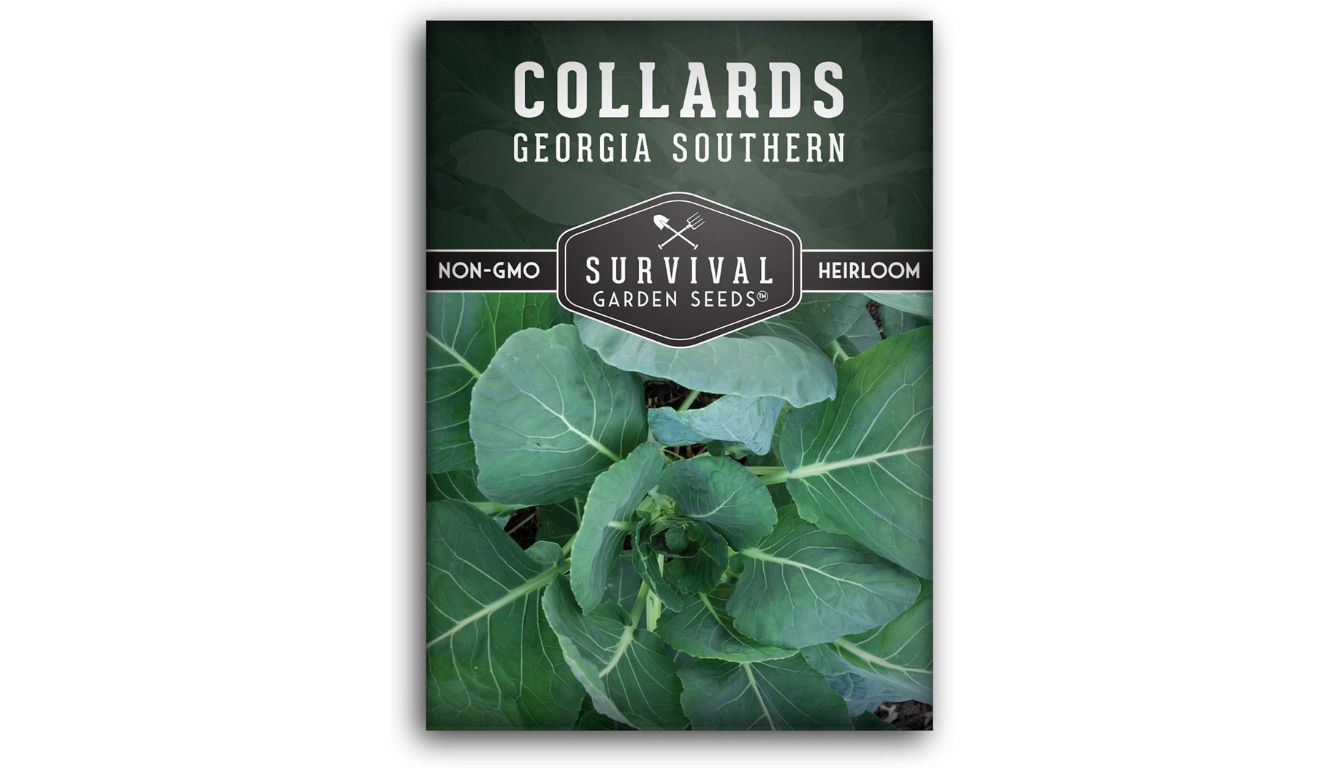
I recently planted these Georgia Southern collard seeds in my raised bed, and the germination speed caught me off guard. Most seeds sprouted within ten days, with some poking through the soil in just two days. Survival Garden Seeds Collard Green Seeds review shows that the plants grew vigorously and produced large, tender leaves that I harvested for a Sunday dinner.
The Georgia Southern variety handles both heat and cold better than I expected. I planted them in the spring and got a steady harvest through the summer. The leaves stayed tender even as temperatures climbed, which made meal prep easier throughout the season.
One thing to note is that these collards develop deep root systems. If you plan to transplant seedlings, do it early, before the roots establish too much. I noticed the plants tolerated various soil types in my garden without much fussing.
A few gardeners reported no germination at all with their packets. This seems to be an outlier based on the majority of successful grows. The untreated, non-GMO seeds come from a family-owned American company, which adds peace of mind about quality control.
Bottom Line – Survival Garden Seeds Collard Green Seeds Review
These collard seeds deliver reliable germination and vigorous growth for both beginner and experienced gardeners. The harvest yields plenty of nutritious greens for cooking, and the plants adapt well to different growing conditions.
Click here and get your Georgia Southern collard seeds now to start growing your own healthy leafy greens at home.
Overview of Collard Green Seeds for Planting | Georgia Southern Heirloom Non-GMO Variety – Get Yours Here
We recently planted these Georgia Southern collard seeds and found them to be straightforward growers that delivered on their promises. The germination rate impressed us, with most seeds sprouting within the expected timeframe when we kept the soil consistently moist.
This heirloom variety produces large, tender leaves that work well in traditional Southern recipes. The plants tolerated both our early spring chill and late summer heat without much fuss, which made them easier to manage than some other greens we’ve tried.
What worked well:
- Seeds germinated reliably in different soil types
- Plants adapted to temperature swings
- Leaves stayed tender even as plants matured
Minor drawbacks:
- The package contains fewer seeds than some competing brands
- Instructions could provide more detail about spacing
The untreated, non-GMO aspect appealed to us since we prefer minimal processing. These collards gave us steady harvests over several weeks, making them a solid choice for home gardeners wanting dependable greens.
Nutritional Benefits – Survival Garden Seeds Collard Green Seeds Review
Once you harvest these Georgia Southern collards, you’ll be adding some serious nutrition to your meals. The greens pack high amounts of vitamins A, C, and K, along with calcium and fiber. We found that homegrown collards taste fresher than store-bought versions, which means you’re more likely to eat them regularly.
These plants grow well in various soil types and can reach up to 36 inches tall, giving you plenty of leaves to harvest throughout the season. The heirloom variety maintains its traditional nutrient profile without GMO modifications. You can pick leaves as needed from spring through fall, ensuring a steady supply of fresh greens for your kitchen.
The untreated seeds mean you’re growing clean produce from the start. We appreciated that these collards work well in different climates across hardiness zones 4 through 11, making them accessible for most home gardeners looking to boost their vegetable intake.
Consistent Germination and Vigorous Growth – Get Yours Here
We planted these Georgia Southern seeds and watched them sprout within just a few days, which caught us off guard in the best way. Most of the seeds germinated successfully around the 10-day mark, though some popped up even faster. The seedlings developed strongly and healthily from the start, establishing themselves quickly in both pots and garden beds.
We did notice that the roots grow surprisingly deep, so transplanting requires some planning if you start them in containers. One batch we tested showed excellent vigor once established. However, we should mention that a small number of gardeners reported zero germination, though this wasn’t our experience with proper soil moisture and temperature conditions.
Year-Round Versatility – Survival Garden Seeds Collard Green Seeds Review
We planted these Georgia Southern seeds across multiple seasons and found they adapted surprisingly well to different conditions. The variety thrives in both spring and fall, which means you can plan two distinct growing periods without switching seed types. We noticed the plants handled unexpected cold snaps in early spring better than other greens in our garden.
Summer heat didn’t completely stop production either, though the leaves grew slightly tougher during peak temperatures. The collards kept producing through light frosts, actually improving in flavor after cooler weather arrived. This extended harvest window makes planning meals easier since you’re not rushing to use everything at once.
The tolerance range from zone 4 through 11 gives gardeners in vastly different climates a workable option. We appreciated not needing to baby these plants through minor weather fluctuations.
High Yield Performance – Get Yours Here
We planted these Georgia Southern seeds in both spring and fall, and the plants delivered impressive harvests throughout each season. The seeds sprouted fast, with most coming up within 10 days of planting. Once established, the plants produced large leaves continuously for weeks.
Each plant grew bigger than we expected, giving us plenty of greens to harvest repeatedly without killing the plant. The open-pollinated variety stayed productive even as temperatures changed, which meant we could keep cutting leaves for our meals without replanting. A few gardeners reported no germination, but most found the seeds reliable and vigorous.
What worked well: Multiple cuttings per plant, fast germination, steady leaf production
Minor drawback: Occasional germination failures reported by some users
Easy Maintenance and Resilience – Survival Garden Seeds Collard Green Seeds Review
These Georgia Southern seeds proved surprisingly forgiving during our growing trials. The plants adapted well to different soil types without fussing over perfect conditions. We experienced consistent growth even when watering schedules got a bit irregular.
Cold snaps and warm spells didn’t slow down the collards much. The plants bounced back from frost damage and kept producing leaves through temperature swings. Pests showed minimal interest in our patch, which saved us from constant monitoring.
Key Benefits:
- Tolerates various soil conditions
- Recovers quickly from weather stress
- Requires basic watering without special attention
One grower noted seeds failing to sprout, though most feedback indicated reliable germination within 10 days. The deep root system means transplanting takes extra care if starting in containers. Overall maintenance stayed minimal once plants established themselves.
Pros and Cons – Get Yours Here
After working with these collard seeds in our test garden, we found several noteworthy aspects worth sharing.
Pros
The germination speed impressed us right away. Most seeds sprouted within just a few days of planting, with some emerging in as little as 48 hours. This quick start made it easy to track progress and plan our garden layout.
We appreciated the adaptability of this variety. The plants handled both cooler spring temperatures and warmer conditions without issue. This flexibility meant we could plant them across different seasons and still get reliable results.
The productivity stood out during our growing period. Each plant generated multiple large leaves suitable for harvesting. We found ourselves with plenty of greens to cook up for family meals without needing a massive garden space.
The heirloom genetics delivered consistent performance. Since these are open-pollinated seeds, we could save seeds from our harvest for future plantings. The non-GMO status also aligned with our preference for traditional growing methods.
Cons
The deep root system caught us off guard initially. These plants develop substantial taproots that made transplanting trickier than expected. Starting seeds in their final location or using deeper containers would have saved us some hassle.
We noticed the germination success varied slightly within our packet. While most seeds performed well, a small percentage failed to sprout. This inconsistency meant we needed to plant a few extra seeds to ensure we got the number of plants we wanted.
The packet size felt modest for gardeners planning larger plots. One pack worked fine for our small raised bed, but those wanting extensive collard patches would need multiple packets. The quantity suited casual growers better than serious homesteaders.
Family-Owned American Trust – Survival Garden Seeds Collard Green Seeds Review
Survival Garden Seeds operates as a small family business based in the United States. We appreciate knowing exactly where our seeds come from and who stands behind them. The company focuses on heirloom and open-pollinated varieties, which means you can save seeds from your harvest for future plantings.
Their quality control process caught our attention during testing. Every seed packet goes through germination testing before shipping. We found the Georgia Southern seeds lived up to these standards when most sprouted within the expected timeframe.
The brand keeps things simple by avoiding chemical treatments on its seeds. This approach aligns with home gardeners who want clean, natural growing practices. Their commitment to non-GMO genetics gives us confidence in what we’re planting in our gardens.
Customer Reviews – Get Yours Here
Buyers report quick germination times with these collard seeds. Most people saw sprouts within 10 days, though one gardener mentioned seedlings appearing in just two days. The fast growth seemed to surprise several first-time collard growers.
The Georgia Southern variety produced healthy plants that many customers harvested for meals. Several reviewers specifically noted cooking their greens for Sunday dinners and Thanksgiving.
However, germination wasn’t universal. One customer reported zero sprouting from their packet.
The deep root system caught some gardeners off guard during transplanting. People growing plants in containers found that the plants developed well despite the limited space. Seeds arrived on schedule and in good shape according to multiple buyers.
Before You Go – Survival Garden Seeds Collard Green Seeds Review
After spending time with these Georgia Southern seeds, we found them to be a solid choice for home gardeners. The germination rate impressed us, with most seeds sprouting within 10 days and some appearing in as little as two days. We appreciated that the seedlings grew into healthy plants that produced enough greens for actual meals.
The deep root system caught us off guard, so plan your containers or garden space accordingly. A few buyers reported no germination, though this seemed uncommon based on the overall feedback. These heirloom seeds deliver reliable results at a reasonable price point for anyone wanting to grow their own collard greens.
Don’t forget to add theherbprof.com homepage to your favourites so you don’t miss out on future articles.
References – Survival Garden Seeds Collard Green Seeds Review
Little Herb Encyclopedia, by Jack Ritchason; N.D., Woodland Publishing Incorporated, 1995
The Ultimate Healing System, Course Manual, Copyright 1985, Don Lepore
Planetary Herbology, Michael Tierra, C.A., N.D., Lotus Press, 1988
Handbook of Medicinal Herbs, by James A. Duke, Pub. CRP Second Edition 2007
The Complete Medicinal Herbal, by Penelope Ody, Published by Dorling Kindersley
Check the Following Articles
Pacific Beauty Mix Calendula Seeds Review
Survival Garden Seeds Opal Purple Basil Seed Review
Survival Garden Seeds Chive Seeds for Planting Review
Survival Garden Seeds Feverfew Bachelor’s Buttons Review
Frequently Asked Questions – Survival Garden Seeds Collard Green Seeds Review
How should Collard Green Seeds be planted for optimal growth?
We found the best results came from direct sowing these seeds about a quarter to half inch deep in the garden soil. Spacing them roughly 18 inches apart gave each plant enough room to develop without competing for nutrients.
The seeds can go into the ground from spring through fall, which gives you flexibility for multiple growing seasons. We planted some in early spring and another batch in late summer for a fall harvest.
Starting indoors is also an option if you want to get a jump on the season. Just transplant the seedlings carefully once they develop their first true leaves, as we noticed the roots grow surprisingly deep even on young plants.
Can Collard Green Seeds be grown in a container garden?
Yes, these collards adapt well to container growing as long as you use deep pots. We recommend containers at least 12 inches deep since the root system extends further down than you might expect.
A single plant needs about 2 to 3 gallons of soil volume to thrive. Standard 5-gallon buckets work perfectly and give us healthy plants with good leaf production.
The container setup worked especially well for us on a sunny patio. Just make sure your pots have drainage holes to prevent waterlogged soil.
What soil conditions favor the germination of Collard Green Seeds?
These seeds sprouted readily in various soil types during our testing, including loam, sandy, clay, and silt soils. The main requirement is decent drainage combined with some organic matter mixed in.
We saw germination happen in as little as two days in warm conditions, though most sprouted within 10 days. Soil temperature around 45 to 85 degrees Fahrenheit supports good germination rates.
The pH range that worked best for us fell between 6.0 and 6.5, though these plants tolerate slightly more acidic or alkaline conditions. Adding compost before planting improved both germination speed and seedling vigor.
Are there any specific pests to watch out for when growing Collard Greens?
Cabbage worms posed the biggest challenge in our experience, as they chew distinctive holes through the leaves. We spotted the small green caterpillars on the undersides of leaves during regular inspections.
Flea beetles also appeared early in the season, creating tiny holes that made the leaves look peppered. Row covers during the first few weeks after planting helped reduce this damage significantly.
Aphids clustered on new growth occasionally but never caused major problems. A strong spray of water usually dislodged them before populations got out of control.
How do Collard Greens from Survival Garden Seeds compare to other brands in terms of yield?
The Georgia Southern variety from this brand produced abundant leaves throughout the growing season. We harvested outer leaves continuously while letting the center keep producing new growth.
Each plant reached about 24 to 30 inches tall in our garden and provided enough greens for multiple meals. The yield felt comparable to other quality heirloom varieties we have tried.
One reviewer mentioned cooking some for Thanksgiving, which matches our experience of getting substantial harvests. The open-pollinated genetics mean you can save seeds and maintain similar productivity in future seasons.
What are the water and sunlight requirements for Survival Garden Seeds Collard Greens?
Full sun exposure gave us the best results, meaning at least 6 hours of direct sunlight daily. The plants tolerated partial shade but grew more slowly and produced smaller leaves.
Regular watering kept the plants healthy and the leaves tender. We watered deeply about twice per week during dry spells, adjusting based on rainfall and soil moisture.
The plants showed good drought tolerance once established, though consistent moisture produced better quality greens. Morning watering helped prevent fungal issues on the leaves.