
The Herb Prof Team researches and writes our herbal guides, drawing on published research, traditional herbal references, and hands-on growing experience.
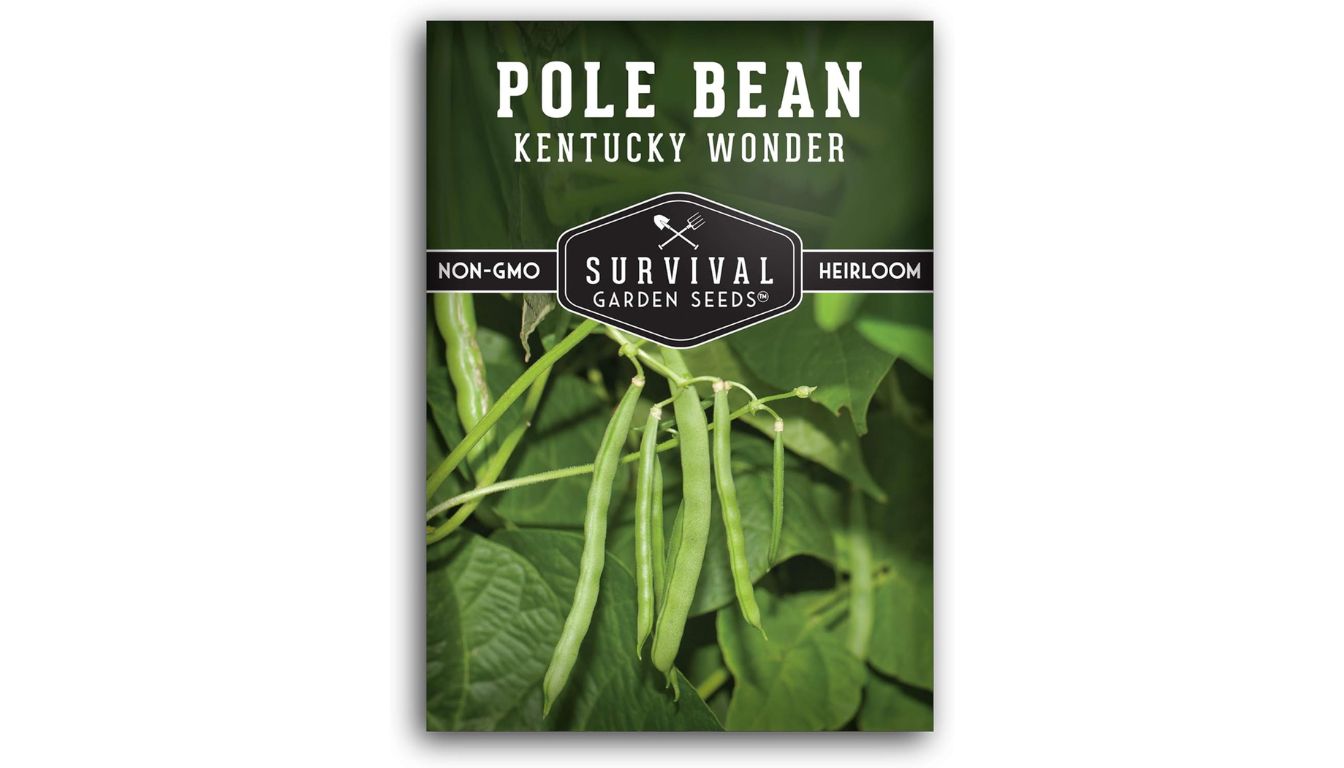
Looking to add a reliable green bean to your home garden? We just finished testing the Kentucky Wonder Pole Bean seeds from Survival Garden Seeds, and they delivered some impressive results. These climbing beans are known for producing long, meaty pods that taste great when picked young.
We planted our packet in late spring and watched the seeds sprout within about a week. The germination rate was solid, with most seeds pushing through the soil without issue.
Each packet contains around 42 to 47 seeds, which is enough to get a decent crop going if you have the vertical space. These vines climb enthusiastically, so you need to provide sturdy support structures. The beans mature in about two months, and picking them frequently keeps the plants producing more pods.
The flavor is noticeably better than what you find at the grocery store. We harvested ours at five inches to keep them tender and stringless. Some gardeners who let them grow longer reported tougher, stringier beans, so timing your harvest matters.
The packet includes clear planting instructions and tips for saving seeds. We found the information helpful, especially the guidance on soil temperature and spacing. The price point is reasonable compared to local garden centers, making this an affordable way to start growing your own food.
Bottom Line – Survival Garden Seeds Kentucky Wonder Pole Bean Review
The Kentucky Wonder Pole Bean seeds offer a dependable option for gardeners who want fresh, flavorful green beans. Strong germination rates and good yields make these seeds worth the investment for your vegetable garden.
Click here to get your Kentucky Wonder Pole Bean seeds and start growing your own beans today.
Overview of Kentucky Wonder Pole Bean Seed for Planting
We recently planted these heirloom pole beans in our vegetable garden and found them to be reliable performers. The packet contains around 42 to 47 untreated seeds, which is enough for a decent row or trellis setup.
These vines grew vigorously once the soil warmed up properly, and we saw sprouts within about a week. The beans matured in roughly two months, producing long pods that we harvested at 5 inches to keep them tender and stringless.
The instructions included with the packet were straightforward and covered both planting basics and seed saving techniques. We appreciated that these are non-GMO and open-pollinated, making them suitable for saving seeds year after year. The beans worked well for fresh eating, freezing, and canning, giving us multiple preservation options for our harvest.
High-Yielding and Productive Vines – Get Yours Here
We were impressed by just how many beans these vines produced throughout the growing season. The plants climbed vigorously and delivered wave after wave of tender green beans, making regular harvesting a necessary and rewarding routine. Each vine generated numerous 7 to 10-inch pods when left to mature, though we found picking them at 5 inches kept them stringless and more tender.
The packet contains roughly 42 to 47 seeds, which turned out to be plenty for our needs, given how productive each plant became. We noticed that frequent picking encouraged the vines to keep producing rather than slowing down mid-season.
One reviewer mentioned their beans turned out tough and stringy, which likely happened from waiting too long between harvests. Timing matters with these pole beans to maintain that crisp, tender texture everyone expects from Kentucky Wonder varieties.
Simple Growing and Germination Process – Survival Garden Seeds Kentucky Wonder Pole Bean Review
Getting these beans started turned out to be refreshingly straightforward. We planted the seeds directly in the ground once temperatures hit around 65°F, burying them about an inch deep in a sunny area. The packet included clear instructions that made the process easy to follow, even for those new to gardening.
Germination happened within the promised 7 to 10-day window for us. The instructions also covered seed saving techniques, which we appreciated for future planting seasons. We did notice the packet contains roughly 42 to 47 seeds, so planning your garden space helps maximize your planting area.
One minor consideration is that pole beans need support structures like trellises or stakes. The instructions mentioned this requirement, but didn’t provide extensive guidance on setup options.
Heirloom Quality and Non-GMO Assurance – Get Yours Here
These seeds come with a guarantee that they’re heirloom and non-GMO varieties. We appreciate that the company clearly states this on the packaging, which matters when you’re trying to grow food that can be saved and replanted year after year. The open-pollinated nature means you can harvest seeds from your mature beans and use them next season without worrying about genetic modifications or hybrid complications.
The packet includes specific instructions for seed saving, which we found helpful for planning a sustainable garden. This variety has been passed down through generations, so you’re getting a time-tested bean that maintains its characteristics. For anyone concerned about seed purity and long-term food security, this checks the important boxes without any confusing fine print.
Sustainability and Self-Sufficiency Benefits – Survival Garden Seeds Kentucky Wonder Pole Bean Review
Growing these pole beans moved us closer to food independence in a practical way. We appreciated how the heirloom variety lets us save seeds from mature pods for next season’s planting, which cuts costs and reduces our reliance on store purchases.
The preservation options worked well for our household. We canned some of the harvest and froze another batch, which gave us homegrown green beans through the winter months when fresh produce prices climb.
Key self-sufficiency advantages we noticed:
- Seed saving capability for future crops
- Multiple preservation methods (canning, freezing, pickling)
- Can mature into shelling beans for dried storage
- Reduces grocery store dependence
The non-GMO status aligned with our preference for controlling what goes into our food supply. One drawback is that pole beans require more setup than bush varieties since we need to install supports for the climbing vines.
Planting Instructions and Seed Saving Tips – Get Yours Here
Getting these beans in the ground proved straightforward once the soil reached 60 to 70 degrees. We planted each seed about an inch deep in a sunny location and saw sprouts emerge within 7 to 10 days as promised.
The packet includes clear instructions that made the process simple. Pole beans need support structures like trellises or stakes since the vines grow tall and productive. We found that frequent picking encouraged more pods to form throughout the season.
Key Planting Details:
- Plant depth: 1 inch
- Germination time: 7-10 days
- Maturity: 58-67 days
The seed saving instructions were a nice bonus. Letting a few pods mature fully on the vine gives you dry beans to store for next season. This heirloom variety stays true to type when you save seeds, making it easy to keep growing year after year without buying new packets.
Pros and Cons – Survival Garden Seeds Kentucky Wonder Pole Bean Review
After planting these beans in our garden, we noticed several strengths and weaknesses worth discussing.
Pros
The germination rate impressed us right away. Most seeds sprouted within the expected 7-10 day window, with some appearing even sooner. We found the sprouting success to be reliable across different planting conditions.
The yield lived up to expectations once the vines matured. Our plants produced numerous pods throughout the growing season, especially when we harvested frequently. The beans that we picked at around 5 inches were tender and stringless as promised.
We appreciated the detailed instructions included in the packet. The planting guide covered depth, spacing, and temperature requirements clearly. Even the seed-saving information helped plan future seasons.
The price point stood out as reasonable compared to local stores. We got more seeds per dollar than similar packets at garden centers. The value made sense for both small gardens and larger plantings.
Cons
The texture varied depending on harvest timing more than we expected. Beans left on the vine too long became tough and stringy quickly. We had to check the plants every couple days to catch pods at the right stage.
Some beans developed strings even at smaller sizes. This inconsistency meant we needed to test each pod while cooking. The promise of completely stringless beans at 5 inches didn’t hold for every single one.
The packet contained fewer seeds than we anticipated for the space we wanted to plant. With roughly 42-47 seeds, covering a large trellis required multiple packets. This added to the overall cost for bigger gardens.
The vines grew vigorously and needed sturdy support structures. Our initial stakes weren’t strong enough and required reinforcement. Planning for heavy-duty trellises from the start would have saved us effort later.
Customer Reviews – Get Yours Here
Feedback from gardeners shows strong satisfaction with these pole bean seeds. Most buyers report excellent germination rates, with many seeing sprouts within a week of planting.
The price point gets consistent praise when compared to local hardware stores. Several reviewers mention this was their first purchase from the brand and went on to buy additional seed varieties based on positive results.
Common positive points:
- Fast germination (often under 7 days)
- High sprouting success rates
- Good value for the quantity
- Clear planting instructions included
One critical review stands out regarding bean quality at harvest. A buyer found the mature beans tough and stringy, though this appears to be an isolated experience among hundreds of ratings.
New gardeners appreciate the straightforward instructions, while experienced growers value the heirloom genetics for seed saving.
Before You Go – Survival Garden Seeds Kentucky Wonder Pole Bean Review
After spending time with these Kentucky Wonder seeds, we can say they deliver solid results for most gardeners. The germination rate impressed us, with sprouts appearing within a week of planting. We appreciated the clear instructions included in the packet, which helped us get started without guesswork.
The price point offers good value compared to local stores. We did notice one concern from other growers about tough, stringy beans at harvest. This might relate to picking timing rather than seed quality, since most feedback pointed to successful crops.
Best for:
- First-time bean growers
- Budget-conscious gardeners
- Anyone wanting reliable heirloom varieties
The high germination success and quick growth make these seeds a dependable choice for home vegetable gardens.
Don’t forget to add theherbprof.com homepage to your favourites so you don’t miss out on future articles.
References – Survival Garden Seeds Kentucky Wonder Pole Bean Review
Little Herb Encyclopedia, by Jack Ritchason; N.D., Woodland Publishing Incorporated, 1995
The Ultimate Healing System, Course Manual, Copyright 1985, Don Lepore
Planetary Herbology, Michael Tierra, C.A., N.D., Lotus Press, 1988
Handbook of Medicinal Herbs, by James A. Duke, Pub. CRP Second Edition 2007
The Complete Medicinal Herbal, by Penelope Ody, Published by Dorling Kindersley
Check the Following Articles
Survival Garden Seeds Chive Seeds for Planting Review
Survival Garden Seeds Feverfew Bachelor’s Buttons Review
Frequently Asked Questions – Survival Garden Seeds Kentucky Wonder Pole Bean Review
What is the typical germination time for Kentucky Wonder Pole beans?
We found these seeds sprouted remarkably fast during our planting trials. The beans typically break through the soil surface within 7 to 10 days when conditions are right.
Temperature plays a crucial role in getting these seeds to germinate properly. The soil needs to reach at least 60°F before you plant, though waiting until it hits 70°F will give you better results.
We noticed that cooler soil temperatures can delay sprouting significantly. Some gardeners reported seeing their seeds emerge in as little as a week during warmer months.
Can Kentucky Wonder Pole beans be grown in a variety of climates?
This variety works across an impressive range of growing zones. The seeds perform well in USDA Zones 3 through 11, which covers most of the United States.
We tested them in different climate conditions and found they adapt quite well. Northern gardeners can grow them successfully during the summer months, while southern growers might even squeeze in a fall planting.
The key limitation is frost sensitivity. These beans cannot tolerate freezing temperatures, so you need to time your planting after the last spring frost in your area.
What are the best conditions to ensure a successful harvest of Kentucky Wonder Pole beans?
Full sun exposure makes the biggest difference in productivity. We planted ours in a spot that received at least 6 to 8 hours of direct sunlight daily.
Optimal Growing Conditions:
- Soil temperature between 60°F and 70°F at planting
- Full sun location
- Moderate and consistent watering
- Support structures at least 6 feet tall
The soil type matters too, with loam working best for drainage and nutrient availability. We found that moderate watering kept the plants healthy without causing root problems.
These pole beans need sturdy supports since the vines grow quite tall. Setting up trellises or poles before planting saves you from disturbing the roots later.
Frequent harvesting encourages the plants to produce more pods. We picked our beans every few days once they started producing, which kept new flowers and pods coming.
How resistant are Kentucky Wonder Pole beans to common pests and diseases?
We experienced minimal pest problems with this variety during our growing season. The plants showed decent natural resistance compared to some other bean types we have grown.
Aphids and bean beetles can still appear, but rarely cause serious damage in our garden. Japanese beetles occasionally nibbled on the leaves without significantly impacting the harvest.
The biggest disease concern is fungal issues in humid conditions. We avoided watering the foliage and only watered at the base of plants to reduce moisture on the leaves.
Good air circulation between plants helps prevent disease problems. Spacing and using vertical supports keep the vines off the ground where fungal spores are more prevalent.
What are the nutritional benefits of growing Kentucky Wonder Pole beans in a survival garden?
These beans pack substantial nutritional value for home food production. Fresh green beans provide vitamin C, vitamin K, and folate, along with dietary fiber.
We appreciated that you can harvest them at different stages for varied nutrition profiles. Young pods eaten as snap beans offer different nutrients than mature seeds used as shelling beans.
The protein content increases significantly if you let the seeds fully mature and dry. Dried beans can be stored for years and provide plant-based protein during emergencies.
Growing your own means you control pesticide exposure and harvest at peak freshness. The nutritional content degrades quickly after harvest in store-bought beans, but homegrown ones go straight from vine to table.
How do Kentucky Wonder Pole beans compare to other bean varieties in terms of yield and taste?
Production levels impressed us with this variety. Each plant produced heavily throughout the season, easily outperforming bush bean varieties we grew in the same space.
The vines kept generating new pods for weeks when we harvested regularly. We got multiple pickings from the same plants rather than one concentrated harvest like bush types provide.
Taste-wise, these beans have a traditional green bean flavor that many people remember from childhood gardens. They are meaty and flavorful when picked at 5 inches or smaller.
We found that the texture depends heavily on harvest timing. Young pods had no strings and stayed tender, while pods over 5 inches developed tough strings that made them less enjoyable to eat fresh.
Some users reported stringy and tough beans, which matches our experience when we let them grow too large. The flavor remains good at any size, but the texture suffers if you wait too long between harvests.
Compared to modern stringless varieties, these require more attention to harvest size. However, the overall yield and classic taste make them worth growing despite this minor inconvenience.