
The Herb Prof Team researches and writes our herbal guides, drawing on published research, traditional herbal references, and hands-on growing experience.
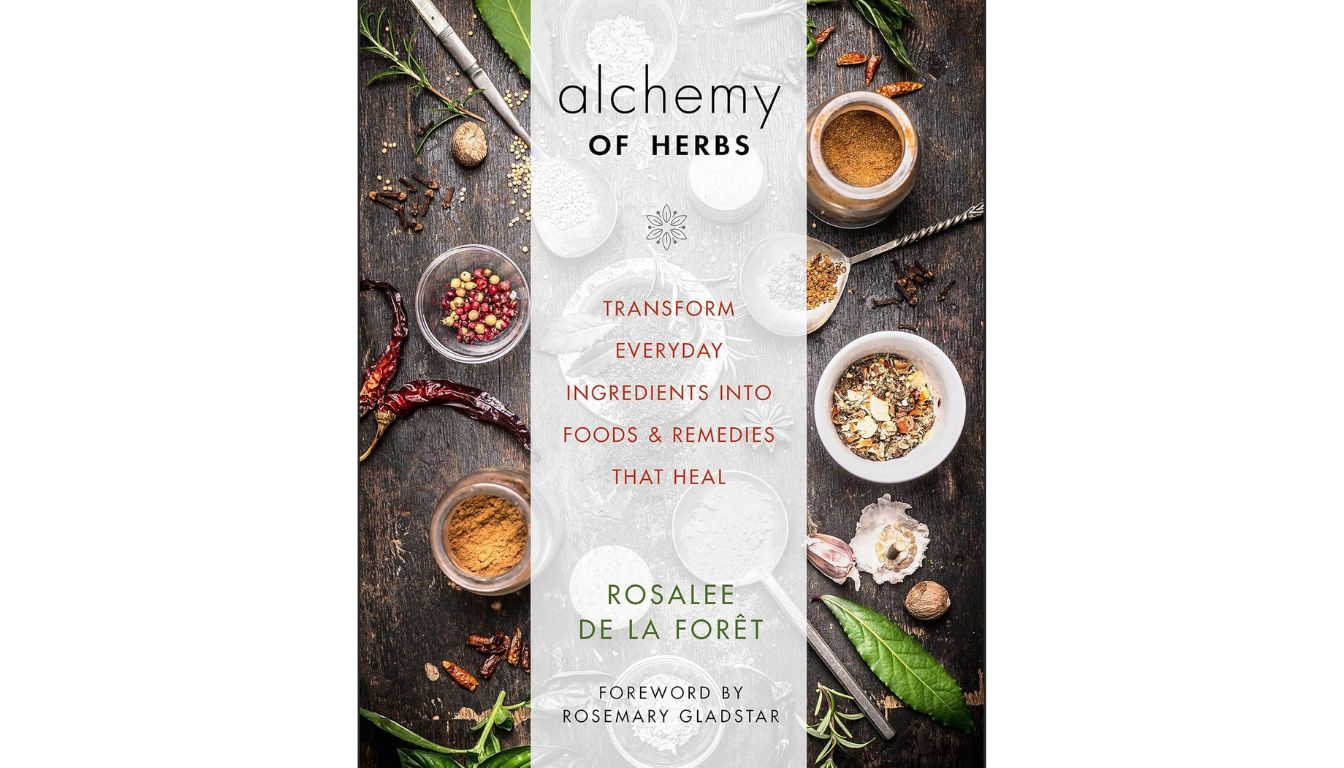
We’ve been exploring the world of herbal remedies lately, and this book by Rosalee de la Forêt caught our attention. The Alchemy of Herbs book offers a practical approach to using everyday herbs for health and wellness, which is refreshing in a market filled with complicated wellness advice.
After spending time with this guide, we found that it strikes a nice balance between being informative and accessible. The book includes 384 pages of herbal knowledge, covering everything from basic preparations to specific remedies you can make at home.
What stands out most is how the author explains herbal concepts without overwhelming you with technical jargon. You get clear instructions for creating tinctures, teas, and other preparations using ingredients you might already have in your kitchen. The photography and layout make it easy to flip through and find what you need.
We noticed the book assumes you have some interest in natural health practices. If you’re completely new to herbs, the sheer amount of information might feel like a lot at first. However, the organized structure helps you start small and build your knowledge over time.
The recipes and remedies are tested and practical rather than theoretical. Users mention appreciating the safety information included for each herb, which adds a responsible element often missing from similar books.
Bottom Line – Alchemy of Herbs Book
For anyone curious about incorporating herbs into daily life, this book provides solid foundational knowledge without unnecessary complexity. The combination of practical recipes and clear guidance makes it useful whether you’re just starting or expanding existing herbal skills.
Click here and grab your copy of the Alchemy of Herbs and start transforming everyday ingredients into healing remedies.
Overview of Alchemy of Herbs: Transform Everyday Ingredients into Foods & Remedies That Heal
This book serves as a practical guide for anyone wanting to use common herbs in their daily cooking and wellness routines. We found it takes a refreshingly grounded approach to herbal remedies, avoiding the mystical fluff that often surrounds this topic.
The author walks readers through various herbs you probably already have in your kitchen, explaining their health benefits and how to incorporate them into meals, teas, and simple preparations. Each herb gets its own detailed section with recipes and remedy instructions that are genuinely achievable.
What stands out:
- Clear instructions that don’t require special equipment
- Focuses on accessible herbs rather than obscure ingredients
- Includes both culinary and medicinal applications
The main drawback is that some remedy claims could use more scientific backing. We also wished for more photos throughout the book to illustrate preparations. Overall, the Alchemy of Herbs works well as a reference guide that bridges everyday cooking with basic herbal wellness practices.
Comprehensive Guide to Everyday Herbs – Get Yours Here
This book transforms how we think about common kitchen herbs and their healing properties. We found the practical approach refreshing, as it focuses on accessible ingredients rather than exotic items we’d never find at our local store.
The author breaks down each herb’s benefits in terms that actually make sense. We appreciated learning which herbs help with specific health concerns and how to prepare them properly. The recipes blend seamlessly into everyday cooking, so we didn’t feel like we were making special “medicine food.”
What stood out:
- Clear instructions for making tinctures, teas, and infused oils
- Real explanations of how herbs interact with our bodies
- Seasonal guides that match herbs to times of year
The writing style keeps things straightforward without dumbing down the science. We did notice some preparations require patience and planning, which won’t work for everyone’s schedule.
Transformative Herbal Recipes – Alchemy of Herbs Book
The recipe collection truly shines in this book. We found practical ways to use herbs like tulsi, nettles, and ashwagandha in everyday meals rather than keeping them confined to supplement bottles. The instructions walk you through creating herb-infused honeys, healing broths, and teas that actually taste good.
What impressed us most was how accessible the recipes feel. You don’t need rare ingredients or complicated techniques to get started. The book explains how to turn common kitchen herbs into remedies for stress, digestion issues, and immune support.
We did notice some recipes require planning since many involve infusions that need time to steep. The measurements are clear and the methods straightforward, though a few called for ingredients we had to order online. Still, most recipes work with what you can find at regular grocery stores or grow yourself.
Accessible Healing Techniques – Get Yours Here
The book breaks down herbal medicine into simple, practical steps that anyone can follow in their own kitchen. We appreciated how the author skips complex jargon and instead focuses on common herbs you probably already have in your pantry. Each technique comes with clear instructions that made us feel confident trying remedies we’d never attempted before.
The recipes range from basic teas to more involved preparations, but nothing felt overwhelming or required special equipment. We found ourselves actually using what we learned rather than just reading and forgetting. The approach works well for beginners who want to start small with healing herbs.
One limitation we noticed is that some techniques still require sourcing specific dried herbs if you don’t grow them yourself. Overall, the accessibility lives up to expectations for home herbalists at any level.
Practical Tips for Beginners and Enthusiasts – Alchemy of Herbs Book
Starting with familiar kitchen herbs makes the learning curve much easier. We found that the book’s approach of using everyday spices like turmeric, ginger, and cinnamon helped us avoid the intimidation factor that often comes with herbalism.
The recipe format works well for hands-on learners. We appreciated being able to cook actual meals instead of just mixing tinctures that sit unused in cabinets.
Getting Started Approach:
- Begin with herbs you already cook with regularly
- Follow the simple recipes before attempting custom blends
- Keep notes on what works for your body
One limitation we noticed is that the book assumes access to fresh herbs. If you live in an area with limited options, you’ll need to get creative or rely more on dried versions.
The explanations about therapeutic uses give enough detail without overwhelming newcomers. We could understand the benefits without needing a medical degree.
Pros and Cons – Get Yours Here
After spending time with this herbal guide, we found several aspects worth discussing that can help you decide if it belongs on your bookshelf.
Pros
The book strikes an excellent balance between practical cooking and herbal medicine. We appreciated how each herb entry includes therapeutic applications alongside actual recipes you can prepare in your kitchen. This approach means you won’t end up with a cabinet full of tinctures collecting dust.
The layout makes information easy to find and understand. Even if you already know your way around herbs, the organization helps you quickly reference what you need. Beginners will find the explanations clear and approachable without overwhelming technical jargon.
We found the recipes genuinely useful for everyday cooking. These are dishes you can serve to your family, not experimental concoctions that require specialty ingredients. The author explains how common kitchen herbs work as medicine while keeping things grounded in reality.
The medicinal properties section for each herb provides solid detail. You learn not just what an herb does but how to apply it therapeutically. This dual focus on food and healing sets it apart from other herbal guides that pick one lane.
Cons – Alchemy of Herbs Book
The binding quality disappointed us significantly. Our copy split open after minimal use, which is frustrating for a reference book you’ll consult repeatedly. This construction issue undermines an otherwise solid resource.
Some readers might want more advanced medicinal preparations. The book focuses heavily on culinary applications, so those seeking complex remedy formulations may need additional resources. It serves beginners and intermediate users better than experienced herbalists looking to expand their practice.
Inspiring Customer Experiences – Alchemy of Herbs Book
Readers who purchased this herbal guide consistently praise how it bridges the gap between beginners and experienced practitioners. We noticed that many appreciated the clear layout and practical approach, making it easy to start using herbs immediately in everyday cooking. The recipes stand out as a major strength since they focus on foods you can actually prepare and enjoy rather than complicated remedies that sit unused in cupboards.
Several users highlighted the medicinal information for each herb, including therapeutic applications and practical recipes. The book earned appreciation for its year-round usefulness and straightforward advice. One downside we found mentioned was poor binding quality, with at least one copy falling apart early in use. Despite this physical issue, the content itself received strong recommendations for both cooking enthusiasts and those interested in natural remedies.
Enhancing Wellness at Home – Get Yours Here
We found this book particularly useful for bringing herbal remedies into daily routines without needing a specialized medicine cabinet. The recipes focus on actual meals you can prepare and enjoy rather than complicated tinctures that sit unused on shelves.
Each herb entry includes therapeutic uses alongside practical cooking applications, which makes the information immediately actionable. We appreciated how accessible the content feels for beginners while still offering valuable insights for those already familiar with herbal medicine.
The layout guides you through ingredients in a logical way that encourages experimentation. One drawback we noticed involves the binding quality, as some readers reported pages separating with regular use. Still, the knowledge inside proves worthwhile for anyone interested in natural remedies that fit seamlessly into everyday cooking and self-care practices.
Before You Go – Alchemy of Herbs Book
After spending time with this herb guide, we found that it strikes a solid balance between practical cooking advice and natural remedy information. The recipes are approachable enough to actually make rather than just admire on the page, which sets it apart from other herbalism books we’ve tried.
What works well:
- Clear explanations that beginners can follow
- Real recipes you’ll want to cook
- Useful therapeutic information for common herbs
What could be better:
- Binding quality issues reported by some readers
- May feel basic for experienced herbalists
We think this book earns its place on your kitchen shelf if you want to get more from everyday herbs. The combination of food and healing applications makes it more useful than single-focus guides. Just be aware that the physical binding might not hold up to heavy use based on feedback we’ve seen.
Don’t forget to add theherbprof.com homepage to your favourites so you don’t miss out on future articles.
References – Alchemy of Herbs Book: Natural Remedy Guide Review
Little Herb Encyclopedia, by Jack Ritchason; N.D., Woodland Publishing Incorporated, 1995
The Ultimate Healing System, Course Manual, Copyright 1985, Don LeporePlanetary Herbology, Michael Tierra, C.A., N.D., Lotus Press, 1988
Handbook of Medicinal Herbs, by James A. Duke, Pub. CRP Second Edition 2007
The Complete Medicinal Herbal, by Penelope Ody, Published by Dorling Kindersley
Check the Following Articles
Rosemary Gladstar’s Medicinal Herbs Guide Review
Cunningham’s Encyclopedia of Magical Herbs Review
Miracle-Gro AeroGarden Harvest Herb Garden Review
Nature’s Bounty Wellness & Beauty Supplements Review
The Homesteader’s Herbal Companion Guide Review
Frequently Asked Questions – Alchemy of Herbs Book
What are the main benefits of reading ‘Alchemy of Herbs’?
The book bridges the gap between cooking and natural healing in a way that feels practical for everyday life. Readers gain knowledge about using common herbs and spices that are already sitting in their kitchens. We found that the approach makes herbal medicine less intimidating since you don’t need to hunt down obscure ingredients.
The recipes and remedies focus on accessible applications. You learn both the culinary and medicinal properties of each herb discussed. This dual-purpose approach means you’re getting more value from ingredients you might already purchase regularly.
Can ‘Alchemy of Herbs’ be useful for beginners in herbal practice?
Beginners find this book particularly welcoming. The layout guides readers through information in a logical sequence that doesn’t assume prior knowledge.
We noticed that even people with no herbal experience report feeling confident trying the recipes and remedies. The writing style avoids overwhelming technical jargon while still providing substantial educational content. Each plant profile breaks down information into manageable sections that build understanding gradually.
The book serves as a solid foundation for anyone starting their herbal journey. Instructions are clear enough that you won’t feel lost trying to implement what you’ve learned.
How does ‘Alchemy of Herbs’ differ from other herbal apothecary books?
This book emphasizes everyday practicality over theoretical knowledge. Many herbal guides focus on creating tinctures, salves, and remedies that require special preparation or storage. We appreciate that this one concentrates on foods you can actually cook and eat.
The approach feels more integrated into daily life rather than treating herbs as separate medicinal projects. You won’t end up with a cupboard full of small jars you never touch. Instead, the recipes become part of your regular meal planning and cooking routine.
Other herbal books often separate culinary uses from medicinal applications. This guide shows how the same ingredient serves both purposes simultaneously. That perspective shift makes the information more actionable for busy people.
What is the educational background of Rosalee de la Forêt, the author of ‘Alchemy of Herbs’?
Rosalee de la Forêt teaches herbal medicine and has developed educational programs in this field. Students who have worked with her before the book’s publication expressed excitement about having her knowledge compiled in written form.
Her teaching experience shows throughout the book’s structure. The way information is presented reflects someone who understands how people learn best. We can tell she has spent time working directly with students and addressing their common questions.
Her approach combines traditional herbal wisdom with practical application. This background helps make the content both informative and usable for readers at different skill levels.
Do readers find the plant profiles and recipes in ‘Alchemy of Herbs’ to be practical and accessible?
The plant profiles receive consistent praise for their clear explanations. We found that readers appreciate getting both therapeutic uses and specific recipe applications for each herb. This format makes it easy to understand not just what an herb does, but how to actually use it.
The recipes work with ingredients people can find easily. You don’t need to order specialty items or visit unusual stores. Many readers mention successfully making the recipes shortly after reading about them.
Instructions provide enough detail without becoming tedious. The balance between thoroughness and simplicity helps ensure good results. We noticed that even readers new to cooking with herbs report success following the directions.
What are the most effective herbal remedies highlighted in ‘Alchemy of Herbs’ according to user reviews?
Readers mention finding value in remedies that address common everyday concerns. The book covers digestive support, immune system boosting, and energy management through herbal applications. These practical applications are implemented frequently by people who own the book.
We saw that remedies requiring minimal preparation get the most positive feedback. Simple teas, food additions, and straightforward preparations appear most often in reader comments. The accessibility factor matters significantly when people decide what to try.
The therapeutic uses described align with what readers experience when they apply them. This practical accuracy builds trust in the other recommendations throughout the book. People report returning to certain remedies repeatedly once they see results.