
The Herb Prof Team researches and writes our herbal guides, drawing on published research, traditional herbal references, and hands-on growing experience.
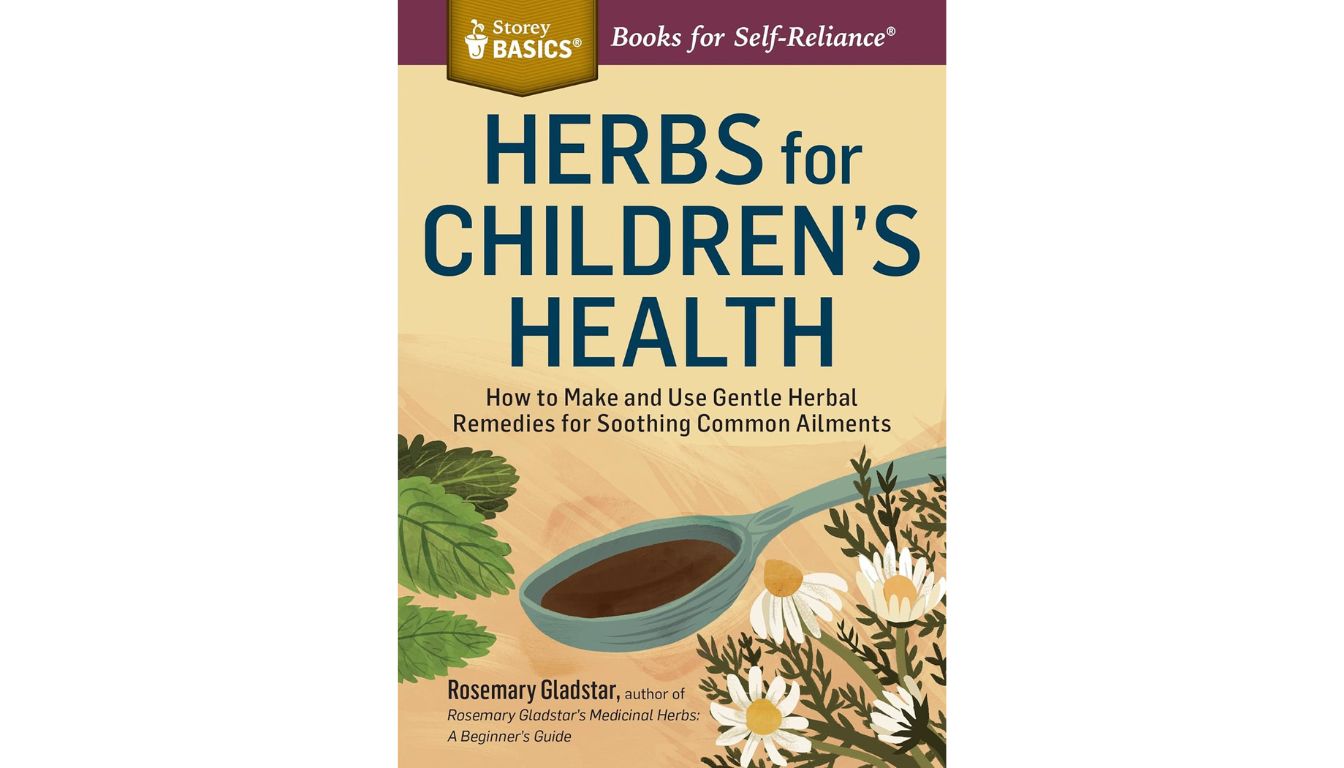
The Storey BASICS Herbs for Children’s Health Guide review highlights a trusted resource for parents exploring gentle, plant-based remedies. We recently spent time working with this compact guide to natural remedies for kids, and it’s proven to be a practical resource for parents who want gentle alternatives to conventional medicine. Rosemary Gladstar packs a surprising amount of useful information into just 128 pages, covering everything from diaper rash to common colds with clear instructions that anyone can follow.
The book shines when it comes to age-specific dosing conversions, which many parents find challenging with herbal treatments. We found the recipes easy to understand and make, though some ingredients like slippery elm bark might require a trip to a specialty store rather than your local grocery.
Parents appreciate that this guide addresses infant-specific concerns, which are hard to find in most herbal remedy books. The straightforward writing style means you won’t need a degree in herbalism to create these remedies at home.
Bottom Line – Storey BASICS Herbs for Children’s Health Guide Review
This guide offers solid foundational knowledge for parents interested in natural health approaches for their children. The practical recipes and clear dosing guidelines make it accessible even if you’re new to herbal medicine.
Click here and get your copy of Herbs for Children’s Health and start building your natural remedy toolkit today.
Overview of Herbs for Children’s Health – Get Yours Here
This compact guide from Storey Publishing spans 128 pages, packed with practical herbal remedy instructions. We found the book focuses on gentle, natural approaches to common childhood ailments rather than harsh treatments.
The second edition walks readers through preparation methods that felt approachable even for beginners. We appreciated how the instructions break down each remedy into simple steps without assuming prior herbal knowledge.
Key aspects we noticed:
- Clear preparation methods for child-safe remedies
- Coverage of common ailments like colds and minor skin issues
- Compact size makes it easy to reference quickly
The book’s dimensions (5 x 7 inches) let us keep it handy in the kitchen. At 2.31 pounds, it’s surprisingly hefty for its size, which suggests decent paper quality. Published in April 2015, some readers might want more current research, though the fundamental herbal principles remain solid.
Comprehensive Guide to Herbal Remedies – Storey BASICS Herbs for Children’s Health Guide Review
This compact guide packs a surprising amount of practical information into just 128 pages. We found the recipes easy to follow, with clear instructions for preparing gentle treatments for common childhood issues like diaper rash, cradle cap, and upset stomachs.
What works well:
- Simple preparation methods that don’t require hard-to-find ingredients
- Dosage conversions specifically for babies and young children
- Organized layout that makes finding specific remedies quick
The book covers traditional herbal approaches in straightforward language. We appreciated that it doesn’t oversell remedies or make unrealistic promises about results.
One drawback is that some of the herbs mentioned can be difficult to source locally. The book assumes access to ingredients that might require special ordering or foraging knowledge.
Overall, we used this as a practical reference when dealing with minor ailments. It serves as a solid starting point for parents interested in natural remedies, though you’ll want to consult healthcare providers for serious concerns.
Ease of Use for Parents and Caregivers – Get Yours Here
The book breaks down herbal remedy preparation into straightforward steps that anyone can follow. We found the instructions clear enough to make our first tincture without second-guessing ourselves. Each recipe includes simple measurements and common ingredients that most health stores carry.
The layout helps busy parents find what they need quickly. Remedies are organized by common childhood ailments rather than by herb type, which saves time when your kid has a cough at bedtime. We appreciated that most preparations don’t require specialized equipment beyond what’s already in a typical kitchen.
Some recipes do take time to prepare, particularly tinctures that need weeks to steep. The book could benefit from more quick remedy options for urgent situations. Still, batch preparation means you can make supplies ahead and have them ready when needed.
Special Focus on Common Childhood Ailments – Storey BASICS Herbs for Children’s Health Guide Review
The book dedicates solid attention to issues parents encounter most often with their little ones. We appreciated finding specific guidance on diaper rash, cradle cap, and teething discomfort right when we needed it. These aren’t just general herbal suggestions adapted for kids.
The remedies address everyday problems like colds, coughs, and upset stomachs with practical approaches. We found the dosage conversions for babies particularly useful since most herbal books skip this age group entirely. The instructions made it simple to adjust recipes safely for different ages.
Common Issues Covered:
- Diaper rash and cradle cap
- Teething pain
- Colds and respiratory concerns
- Digestive troubles
One drawback is that some ingredients can be tricky to source. The book occasionally calls for herbs that aren’t sitting on grocery store shelves. Still, the content proved genuinely helpful when our kids felt under the weather, giving us natural options to try before reaching for conventional remedies.
Practical Recipes and Dosage Information – Get Yours Here
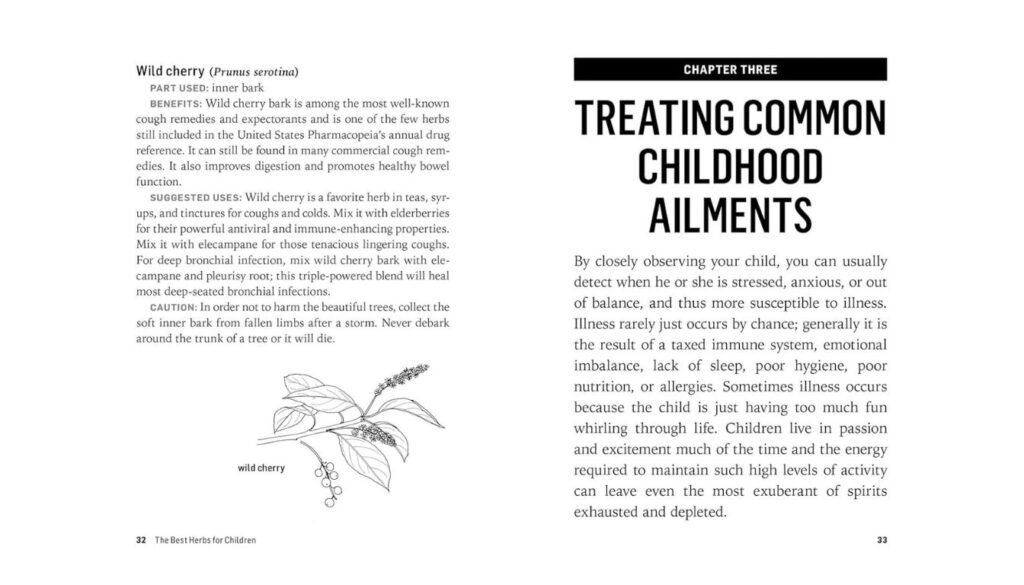
The guide walks through preparation methods that actually work in real kitchens. We found clear instructions for making teas, tinctures, and salves using common herbs like chamomile and calendula.
Each remedy includes specific measurements that take the guesswork out of dosing. The book explains age-appropriate amounts for different children, which gave us confidence when preparing treatments. We appreciated that dosage charts account for weight and age ranges.
Common preparations covered:
- Herbal teas for upset stomachs
- Soothing salves for skin irritation
- Gentle tinctures for immune support
The recipes use ingredients available at health food stores or that grow in backyard gardens. Instructions break down into simple steps that don’t require special equipment beyond basic kitchen tools.
One limitation we noticed is that the book assumes some familiarity with herbal terminology. New users might need to reference definitions occasionally. The practical focus makes this resource useful for parents who want to try natural remedies without complicated processes.
Compact and User-Friendly Design – Storey BASICS Herbs for Children’s Health Guide Review
At just 5 by 7 inches, this guide slips easily into a diaper bag or backpack without adding bulk. We appreciated how the slim profile made it simple to grab and reference quickly when dealing with a fussy child. The 128-page length feels just right for busy parents who want practical information without wading through excessive detail.
The layout makes finding specific remedies straightforward during those stressful moments when you need answers fast. We found ourselves flipping through sections with ease thanks to the organized structure. The portable size means you can keep it handy in the kitchen while preparing herbal teas or in the nursery for nighttime reference.
One minor drawback is that the lightweight construction feels less durable than some thicker parenting guides. Still, the trade-off for portability seems worth it for most families on the go.
Expert Author Insights – Get Yours Here
After working through this compact guide, we found that it delivers practical remedies without overwhelming new parents. The recipes are simple to follow and use common herbs you can actually find.
We appreciated how the book addresses specific childhood issues like diaper rash and cradle cap alongside typical colds and congestion. The dosage conversions for babies proved especially valuable since most herbal resources skip this age group entirely.
What Works Well:
- Clear instructions that don’t require advanced herbal knowledge
- Baby-safe dosage guidelines included
- Compact size makes it easy to reference quickly
Potential Drawbacks:
- Some ingredients may be hard to source locally
- Brief format means less detail on each remedy
The author brings decades of herbalism experience, which shows in the reliable, gentle approaches recommended throughout. We did wish for more depth on certain topics, but the book succeeds as an accessible starting point for natural children’s health.
Pros and Cons – Storey BASICS Herbs for Children’s Health Guide Review
After spending time with this compact guide, we noticed it delivers practical value for parents looking to support their kids naturally.
Pros
The book packs substantial information into a small format. We found it easy to grab off the shelf when needed without wading through hundreds of pages.
Rosemary Gladstar writes in clear, straightforward language that makes herbal remedies accessible. We appreciated that the recipes don’t require obscure ingredients or complicated preparation methods.
The content specifically addresses childhood ailments like cradle cap and diaper rash. We found this focus refreshing since most herbal books target adult health concerns.
Dosage conversions for babies and young children appear throughout the text. We valued having these guidelines readily available rather than trying to calculate appropriate amounts ourselves.
The recipes are simple enough for beginners while still offering useful information for those with some herbal knowledge. We could follow along without prior experience in making remedies.
Cons
The book’s compact size means limited depth on each topic. We sometimes wanted more detailed explanations or additional recipe variations.
Some ingredients may prove difficult to source locally. We noticed references to herbs that aren’t common in typical stores, which could frustrate readers seeking immediate solutions.
The format feels more like an introduction than a comprehensive reference. We think parents dealing with complex health situations will need additional resources beyond this guide.
Not every remedy will suit every family’s comfort level or situation. We recognized that some readers may prefer different approaches or have specific concerns about certain herbs.
The book lacks extensive troubleshooting information. We occasionally wished for more guidance on what to do if a remedy doesn’t work as expected or how to adjust recipes for specific needs.
Real-Life Experiences from Customers – Get Yours Here
Parents consistently praise this compact guide for its practical approach to herbal remedies. Many appreciate how the book addresses specific childhood concerns like cradle cap and diaper rash alongside common illnesses. The small size doesn’t compromise the content, which readers find thorough and easy to understand.
Several customers mention they already own other works by this author and value the straightforward recipes. New parents report feeling more confident handling minor health issues after reading it. Some note that the baby dosage conversions are particularly helpful, even if they haven’t needed them yet.
A few readers wish certain herbs were easier to source locally. The book serves well as an introduction to natural healing for children, though some suggest pairing it with additional resources for a more complete reference library.
Before You Go – Storey BASICS Herbs for Children’s Health Guide Review
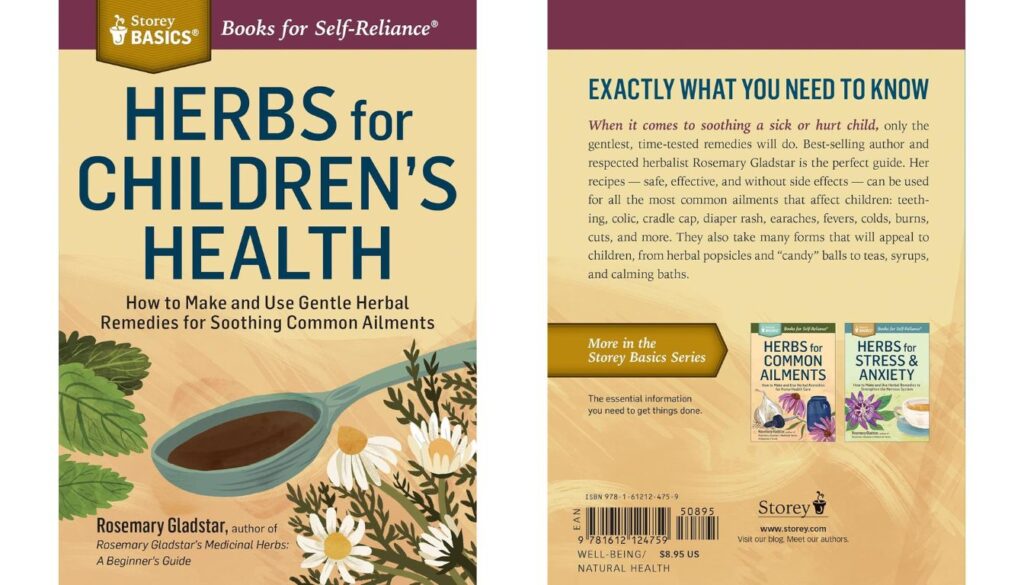
After spending time with this compact guide, we found that it delivers practical value for parents seeking gentle herbal solutions. The book packs a surprising amount of information into a small format, covering everything from diaper rash to common colds with clear instructions and dosage guidelines for different age groups.
We appreciated that the recipes use accessible ingredients rather than obscure herbs that require a hunting expedition. The writing stays straightforward to follow, even for complete beginners.
The main drawback is its brevity. Some topics could benefit from deeper exploration, though this keeps the book from becoming overwhelming.
Overall, this serves as a solid starting point for families interested in natural remedies. It belongs on the shelf alongside other reference books, offering quick answers when children feel under the weather.
Don’t forget to add theherbprof.com homepage to your favourites so you don’t miss out on future articles.
References – Storey BASICS Herbs for Children’s Health Guide Review
Little Herb Encyclopedia, by Jack Ritchason; N.D., Woodland Publishing Incorporated, 1995
The Ultimate Healing System, Course Manual, Copyright 1985, Don LeporePlanetary Herbology, Michael Tierra, C.A., N.D., Lotus Press, 1988
Handbook of Medicinal Herbs, by James A. Duke, Pub. CRP Second Edition 2007
The Complete Medicinal Herbal, by Penelope Ody, Published by Dorling Kindersley
Check the Following Articles
Nature’s Bounty Wellness & Beauty Supplements Review
Alchemy of Herbs Book: Natural Remedy Guide Review
Tomatoes and Herb Gardening 2 Books in 1 Review
The Homesteader’s Herbal Companion Guide Review
Frequently Asked Questions – Storey BASICS Herbs for Children’s Health Guide Review
Which herbs are recommended for common children’s health concerns?
After working with this guide, we found practical suggestions for everyday issues parents face. The book covers remedies for colds, coughs, and ear infections using gentle herbs like chamomile and elderberry.
Digestive troubles get attention too, with recommendations for calming upset stomachs and easing colic in infants. Skin conditions receive their own focus, including treatments for diaper rash and cradle cap that we appreciated having on hand.
Sleep difficulties and teething pain also appear in the content. The remedies use accessible herbs rather than obscure plants that require special ordering.
Can herbal remedies interact with children’s medications?
The book addresses this concern but keeps the discussion brief. We noticed it emphasizes consulting with healthcare providers before combining herbs with prescription medications.
The author mentions that even natural substances can affect how medications work in a child’s body. This warning appears throughout different sections rather than in one dedicated chapter.
We found the approach sensible since interactions depend on specific medications and individual health conditions. The guide suggests treating herbs with the same caution as conventional medicines when children take other treatments.
How do you choose the right dosage of herbs for children?
This section proved particularly useful during our time with the book. The guide includes conversion information for adjusting adult doses down to child-appropriate amounts based on age and weight.
We appreciated finding specific dosage guidelines rather than vague suggestions. The book breaks down measurements for different age groups, making calculations straightforward.
Baby dosages receive special attention, which several readers mentioned valuing in their experience. The conversions help parents feel more confident about giving the right amount without guessing.
The author recommends starting with smaller doses and observing how children respond. We found this conservative approach reassuring for anyone new to herbal remedies.
What are the risks of using herbal supplements in pediatric care?
The guide acknowledges that natural doesn’t automatically mean safe for all children. We noticed warnings about potential allergic reactions and the importance of introducing new herbs gradually.
Quality concerns appear in the discussion since contaminated or mislabeled products pose real dangers. The book suggests that improper dosing creates risks, especially with potent herbs that should be avoided in children.
Some herbs suitable for adults aren’t appropriate for young bodies. The author identifies which remedies to skip entirely when treating children versus adults.
We found the tone balanced rather than fear-based while still taking safety seriously. The book encourages parents to stay informed and watchful without becoming overly anxious.
How does one ensure the quality of herbs when using them for children’s health?
Quality control gets attention since children deserve the purest ingredients. The book suggests sourcing herbs from reputable suppliers who test their products for contaminants.
We learned about checking for organic certification and third-party testing when possible. The guide recommends asking suppliers about their growing and processing methods.
Proper storage matters too, since herbs lose potency over time or when exposed to heat and light. The author provides tips for maintaining freshness and knowing when to replace old supplies.
Growing your own herbs receives mention as one way to control quality completely. However, the book acknowledges this isn’t practical for every family or every herb variety.
Are there any age restrictions for administering herbs to children?
The guide takes a careful stance on treating very young children with herbs. We noticed particular caution around newborns and infants under six months.
Some remedies work well for older children, but you should wait until babies reach certain developmental stages. The book specifies minimum ages for different preparations and herb types.
Infants require the gentlest approaches with the most diluted preparations. The author often suggests that breastfeeding mothers consume certain herbs rather than giving them directly to nursing babies.
Toddlers and older children can handle more varieties and stronger preparations than infants. We found clear distinctions between what works for different developmental stages rather than treating all children as one group.
The compact format means these age guidelines appear alongside specific remedies rather than in one master chart. This organization works fine once you get familiar with the layout.