
Paul Johnston is the founder and master herbalist of The Herb Prof, with decades of clinical experience in naturopathic medicine, herbal remedies, detoxification and holistic wellness. After overcoming his own serious health challenges, he now dedicates himself to helping others reclaim their health naturally.
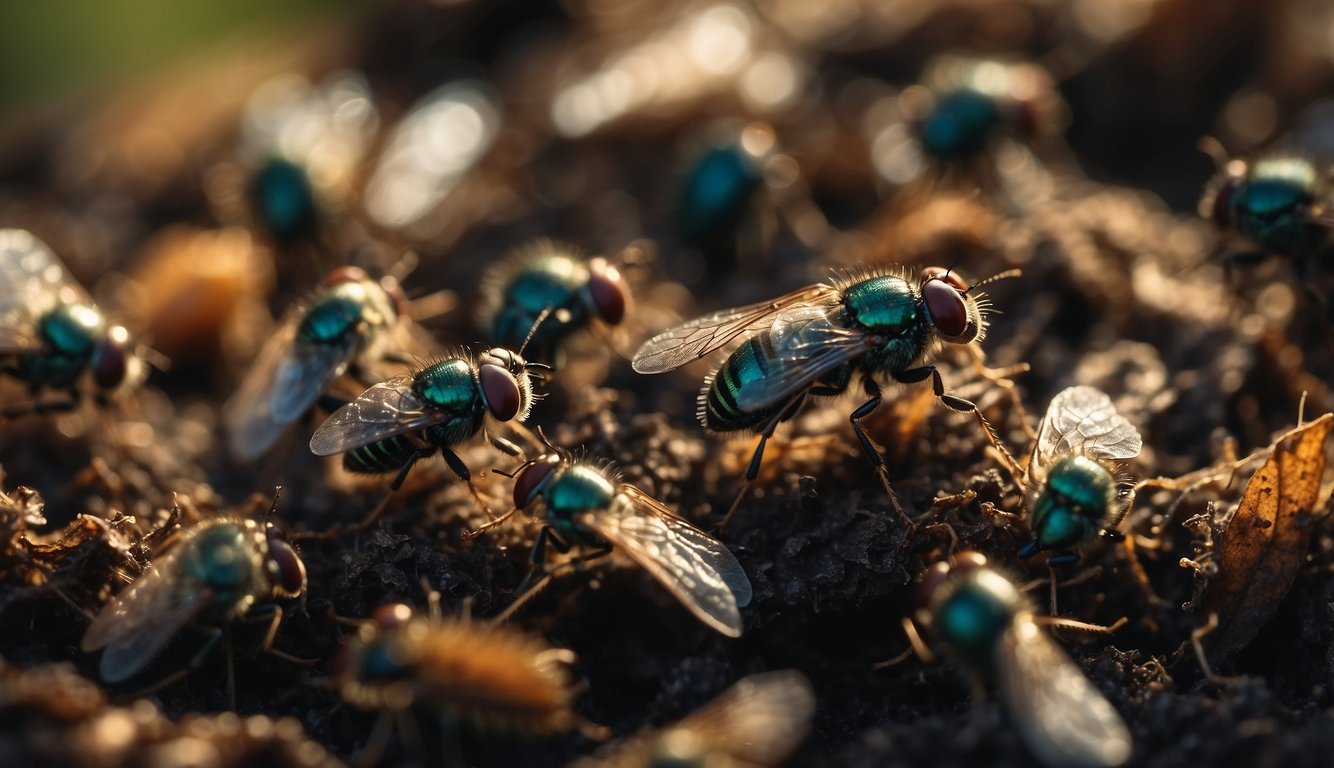
Flies in a compost bin can cause real headaches for gardeners and compost enthusiasts. While some flies support the composting process, others create a nuisance and pose health risks. I’ve dealt with this issue in my own compost bin. Through research and experimentation, I discovered several effective ways to control and prevent fly infestations.
Typically, flies flock to compost bins because of decaying organic matter. Fruit flies, in particular, chase the sweet smell of rotting fruits and vegetables. When compost piles lack balance or proper maintenance, they quickly turn into breeding grounds for flies. Thankfully, you can apply the right techniques to reduce fly activity and maintain a healthy, productive compost environment for your plants.
In this article, I’ll share what I’ve learned through personal experience and research about keeping flies out of compost bins. Specifically, I’ll walk you through practical methods like managing your compost pile correctly, adding cover materials, and using natural remedies. By consistently applying these tips, you’ll build a thriving compost pile without the frustration or health concerns that flies bring.
Understanding Compost Bins – Flies in Compost Bin
As someone who has been composting for years, I know how important it is to understand the components of a compost bin, the role of decomposition, and the conditions necessary for a successful compost system.
Components of a Compost Bin
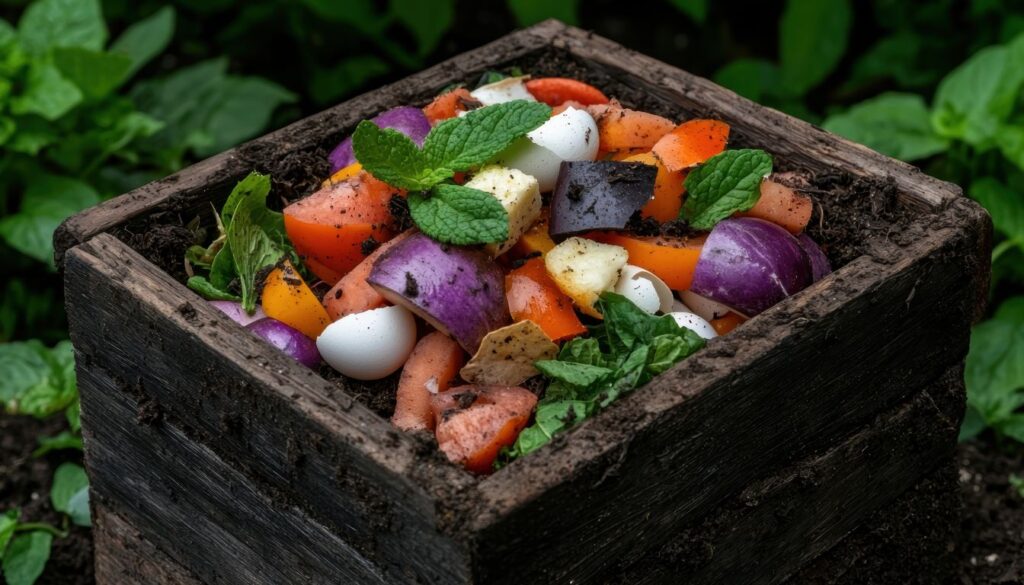
A compost bin is a container used to hold organic material, such as food scraps and yard waste, while it decomposes into nutrient-rich soil. The bin can be made of various materials, including plastic, wood, or metal. Some compost bins have multiple compartments, allowing for different stages of decomposition.
In order for a compost bin to work effectively, it needs a balance of brown and green material. Brown material includes items such as dead leaves and twigs, while green material includes food scraps and grass clippings. The ratio of brown to green material should be roughly 3:1.
The Role of Decomposition – Flies in Compost Bin
Decomposition is the process by which organic material is broken down into simpler substances. This process is carried out by bacteria, fungi, and other decomposers. These organisms break down the organic material into smaller pieces, which can then be broken down further by other organisms.
The result of decomposition is a nutrient-rich soil that can be used to fertilize plants. This soil is made up of humus, a dark, crumbly substance that is rich in nutrients.
Compost Bin Conditions
In order for decomposition to occur, certain conditions must be met. The compost bin should be kept in a moist environment, as this helps to facilitate decomposition. However, the bin should not be too wet, as this can lead to anaerobic conditions, which can slow down the decomposition process.
Temperature is also an important factor in decomposition. Decomposition occurs most rapidly at a temperature between 135 and 160 degrees Fahrenheit. However, most compost bins will not reach this temperature, so it is important to maintain a consistent temperature between 90 and 140 degrees Fahrenheit.
Finally, the compost bin should be well-aerated, as oxygen is necessary for the decomposition process. This can be achieved by turning the compost regularly or by using a compost bin with ventilation holes.
By understanding the components of a compost bin, the role of decomposition, and the necessary conditions for a successful compost system, you can create nutrient-rich soil for your garden while reducing your environmental impact.
Managing Flies in Compost
As a compost enthusiast, I know how frustrating it can be to deal with flies in a compost bin. In this section, I will share some tips on how to identify different types of flies, factors that attract them, and preventive measures to keep them at bay.
Identifying Types of Flies – Flies in Compost Bin
There are several types of flies that can infest your compost bin. The most common ones are fruit flies, vinegar flies, and houseflies. Fruit flies are attracted to rotting fruit, while vinegar flies are attracted to the smell of fermentation. Houseflies, on the other hand, are attracted to any kind of organic matter.
Black soldier flies are also common in compost bins. However, they are not pests and can actually help with the decomposition process. Their larvae feed on food waste and manure, which helps aerate the compost and speed up the process.
Factors Attracting Flies
Flies are attracted to food waste, especially rotting fruit and kitchen scraps. To prevent fly infestations, it is important to bury food waste deeper into the compost pile or cover it with a layer of carbon-rich material, such as leaves or straw. A lid on the compost bin can also help prevent flies from entering.
The carbon-to-nitrogen ratio is also an important factor to consider. A balanced ratio of 30:1 will help prevent the compost from becoming too wet or too dry, which can attract flies.
Preventing Fly Infestations
Preventive measures are the best way to deal with flies in a compost bin. Here are some tips to keep them at bay:
- Bury food waste deeper into the compost pile or cover it with a layer of carbon-rich material.
- Maintain a balanced carbon-to-nitrogen ratio.
- Keep the compost bin covered with a lid.
- Turn the compost regularly to aerate it and speed up the decomposition process.
- Avoid adding meat, dairy, or oily foods to the compost bin.
- Clean the bin regularly to remove any larvae or pupae.
By following these preventive measures, you can keep your compost bin free from fly infestations and create nutrient-rich compost for your garden.
Practical Solutions to Flies
As a compost bin owner, I’ve encountered the problem of flies in my compost bin. After conducting research and trying out different solutions, I’ve compiled a list of practical strategies that consistently work for me.
Creating Physical Barriers – Flies in Compost Bin
To begin with, one of the most effective ways to prevent flies from entering the compost bin involves creating physical barriers. You can do this by covering the bin with a lid or choosing a bin with a tight-fitting cover. If necessary, cover any holes with mesh or tape to block fly access. Additionally, using paper bags to wrap food scraps before adding them to the bin adds another layer of protection.
Natural Remedies
In addition to physical barriers, several natural remedies help eliminate flies from the compost bin. For example, apple cider vinegar works well as a trap. To make one, fill a jar with apple cider vinegar and add a few drops of dish soap. Stretch plastic wrap over the jar and poke a few holes in the top. Flies flock to the vinegar and fall into the trap.
Another useful remedy involves baking soda. Sprinkle it directly onto food scraps to reduce odors and discourage flies from laying eggs. Similarly, lime helps cut down on odor and lowers acidity in the bin, making it less attractive to pests.
Biological Controls
Introduce beneficial insects like soldier flies and black soldier fly larvae to your compost bin to help control the fly population. These insects feed on food scraps and actively break down the compost. Set up traps designed specifically for soldier flies to further reduce their numbers.
Prevent flies from invading your compost bin by creating physical barriers, applying natural remedies, and adding beneficial insects. I’ve used these practical solutions to keep my compost bin fly-free and functioning smoothly.
Maintaining a Healthy Compost Pile
As someone who has been composting for years, I have learned that maintaining a healthy compost pile is essential to prevent flies and other unwanted pests from infesting it. Here are some tips that I have found to be effective in keeping my compost pile healthy and fly-free.
Balancing Compost Ingredients
Balancing green and brown waste in your compost pile plays a crucial role in keeping it healthy. Green waste like vegetable and fruit scraps, grass clippings, and coffee grounds supplies nitrogen. Brown waste, such as leaves, wood chips, and straw, delivers carbon. Stick to a 3:1 ratio of brown to green waste to help the compost pile heat up efficiently and break down quickly.
Optimizing Compost Conditions – Flies in Compost Bin
Compost pile management plays a key role in keeping the pile healthy and fly-free. Aeration ensures the compost gets enough oxygen to break down properly. Turn the pile with a pitchfork every week or two to improve airflow and mix the ingredients. Let direct sunlight warm the pile and help eliminate unwanted pests.
Monitor and adjust the compost pile’s pH, temperature, and moisture levels to maintain its health. Aim for a pH between 6.0 and 8.0. Use a soil test kit or send a sample to a lab to check it. Keep the temperature between 120°F and 160°F. If it drops below 120°F, the pile slows down; if it climbs above 160°F, beneficial bacteria may die off. Maintain moisture levels around 50%, so the compost feels damp but not soggy.
Monitoring and Adjusting Compost
Regularly monitoring and adjusting your compost pile keeps it healthy and fly-free. If the pile stops heating up or breaks down too slowly, tweak the mix to restore the right balance of green and brown waste. Add more brown waste when the pile feels too wet, and increase green waste when it dries out too much. These simple adjustments help you maintain a thriving compost pile and keep flies and other unwanted pests away.
Advanced Composting Techniques
As a seasoned composter, I have experimented with various advanced composting techniques to make my composting process more productive. In this section, I will share with you some of the techniques that have worked well for me.
Using Bokashi Bins
Bokashi composting is a Japanese technique that uses a special type of bacteria to ferment organic waste. This method is great for those who don’t have a lot of space or time to compost. Bokashi bins are airtight containers that you fill with organic waste and sprinkle with the bokashi mix. The mix contains beneficial microorganisms that break down the waste into a nutrient-rich compost.
Bokashi composting is an anaerobic process, which means that it doesn’t require oxygen to work. This makes it a great option for those who live in apartments or don’t have access to outdoor space. Once the bokashi bin is full, you can bury the contents in your garden or add them to your regular compost bin.
Vermicomposting with Worm Bins – Flies in Compost Bin
Vermicomposting offers another great way to compost organic waste. This method uses worms to break down the waste and transform it into compost. Worm bins serve as containers filled with bedding material like shredded paper or coconut coir, along with red wiggler worms. Once you add organic waste to the bin, the worms consume it and produce compost.
Worm composting works especially well for those who want to compost indoors or have limited outdoor space. The worms create nutrient-rich castings, known as vermicompost, which provide excellent fertilizer for plants.
Compost Tea and Extracts
Compost tea and extracts work as liquid fertilizers made from compost. They offer an excellent way to boost plant nutrition. To make compost tea, steep compost in water for several days, then use the liquid to water your plants. To create compost extracts, mix compost with water and strain out the solids.
You can apply compost tea and extracts directly to the soil or spray them onto the leaves. Both methods deliver nutrients and improve soil health.
These advanced composting techniques help you get the most out of your composting efforts. Whether you rely on a bokashi bin, a worm bin, or brew compost tea, these approaches allow you to create nutrient-rich compost that supports healthy plant growth.
Health and Safety Considerations

Minimizing Health Risks
As with any outdoor activity, working with a compost bin involves some health risks. Flies and other pests can carry diseases, and inhaling compost dust can cause respiratory problems. To minimize these risks, it is important to take proper safety precautions.
When working with a compost bin, it is recommended to wear gloves and a mask to protect yourself from exposure to dust and pests. Additionally, it is important to wash your hands thoroughly after handling compost. This will help prevent the spread of germs and diseases.
Safe Compost Handling Practices
To reduce the risk of infestations and diseases, it is important to follow safe compost handling practices. First, make sure to keep your compost bin covered to prevent pests from entering. Second, avoid adding meat, dairy, and other high-protein foods to your compost, as they can attract pests and create unpleasant odors.
It is also important to maintain the proper balance of green and brown materials in your compost bin. Green materials, such as food scraps, provide nitrogen, while brown materials, such as leaves and twigs, provide carbon. A good rule of thumb is to have a 2:1 ratio of brown to green materials. This will help maintain the proper moisture level in your compost and prevent odors.
By following these simple guidelines, you can minimize the health risks associated with composting and ensure that your compost bin remains a safe and healthy environment for both you and your plants.
Troubleshooting Common Issues
As much as we try to maintain our compost bins, there are times when problems arise. Here are some common issues you may encounter when dealing with compost flies and how to troubleshoot them.
Dealing with Persistent Infestations
If you have a persistent infestation of flies in your compost bin, it may be due to the presence of the Drosophilidae family of flies. These flies are attracted to the fermentation process that occurs during the decomposition of organic material.
To control compost flies, you can try the following methods:
- Cover your compost bin with a lid or tarp to prevent flies from entering.
- Avoid adding fruits and vegetables that are already starting to decay.
- Turn your compost pile regularly to help speed up the decomposition process.
- Use a compost thermometer to monitor the temperature of your compost pile. If the temperature is too low, it may not be heating up enough to kill off the flies.
Compost Pile Not Heating – Flies in Compost Bin
If your compost pile is not heating up, it may be due to a lack of nitrogen-rich materials. To fix this issue, try adding more green materials such as grass clippings or kitchen scraps to your compost pile.
Another reason your compost pile may not be heating up is due to the size of your pile. If your pile is too small, it may not generate enough heat to speed up the decomposition process. Try adding more organic material to your pile to increase its size.
Odor Management
If your compost pile gives off a strong odor, it likely lacks oxygen. Turn the pile more frequently to improve airflow and boost aeration. Too much moisture also causes unpleasant smells. Add dry materials like leaves or newspaper to soak up the excess and restore balance.
By troubleshooting these common issues, you keep your compost bin working efficiently and help it produce nutrient-rich compost that benefits your garden.
Before You Go – Flies in Compost Bin
Flies in your compost bin might feel frustrating, but they don’t have to ruin your composting journey. With a few smart adjustments, balancing your greens and browns, covering food scraps, and using natural deterrents, you can keep your pile thriving and fly-free.
Remember, composting is a living process. The more you observe, tweak, and learn, the better your results will be. Don’t let a few buzzing visitors discourage you. Stay curious, stay consistent, and your compost will reward you with rich, healthy soil, minus the pests. Happy composting, and may your bin stay balanced and buzzing with the right kind of life!
Don’t forget to add theherbprof.com homepage to your favourites so you don’t miss out on future articles! It’s packed with eco-friendly tips and tricks!
References – Flies in Compost Bin
Little Herb Encyclopedia, by Jack Ritchason; N.D., Woodland Publishing Incorporated, 1995
The Ultimate Healing System, Course Manual, Copyright 1985, Don Lepore
Planetary Herbology, Michael Tierra, C.A., N.D., Lotus Press, 1988
Handbook of Medicinal Herbs, by James A. Duke, Pub. CRP Second Edition 2007
The Complete Medicinal Herbal, by Penelope Ody, Published by Dorling Kindersley
Check the Following Articles
Different Types of Holiday Cactus: The Top Popular Choices
Satin Pothos Pest: Identify & Control Common Infestations
Pumpkin Fertilizer Guide: Simple Tips for Big Harvests
Frequently Asked Questions – Flies in Compost Bin
What methods are effective for eliminating fruit flies from an outdoor compost bin?
Fruit flies often swarm compost bins during warmer months. To eliminate them, turn the compost pile regularly to aerate it and break up clumps of organic material that attract flies. Add a layer of dry, carbon-rich material like leaves or shredded paper on top to absorb excess moisture and discourage fly breeding.
Can the presence of bugs in compost be considered normal, and is it beneficial?
Bugs naturally appear in compost and often help the process. Earthworms, beetles, and springtails break down organic matter and speed up decomposition. If fruit flies or maggots overwhelm the pile, check for excess moisture or too much nitrogen-rich material. Adjust the mix to restore balance and reduce unwanted pests.
What steps can I take to prevent flies from laying eggs in my compost?
Keep the compost pile moist but avoid making it soggy. Add a layer of dry, carbon-rich material like leaves or shredded paper to absorb moisture and deter flies. Limit the amount of nitrogen-rich scraps, such as fresh fruits and vegetables, to reduce breeding sites.
How can I specifically target and control vinegar flies in my compost pile?
Vinegar flies, or fruit flies, flock to the sweet scent of decomposing produce. To control them, reduce the amount of fresh fruit and vegetable scraps you add. Set out a bowl of apple cider vinegar with a few drops of dish soap near the pile. The vinegar attracts the flies, and the soap traps them.
Are there any natural remedies to manage small black flies in compost?
To manage small black flies, cover the compost pile with dry, carbon-rich material like leaves or shredded paper. This layer absorbs moisture and makes the environment less inviting. Sprinkle diatomaceous earth on top; this natural, non-toxic powder irritates and dehydrates insects, helping reduce their numbers.
What can be done to address the issue of white flies within a compost bin?
White flies often appear in compost bins during warm months. Turn the compost pile regularly to aerate it and break up clumps where flies breed. Add a layer of dry, carbon-rich material like leaves or shredded paper to soak up moisture and discourage white flies from settling in.