
The Herb Prof Team researches and writes our herbal guides, drawing on published research, traditional herbal references, and hands-on growing experience.
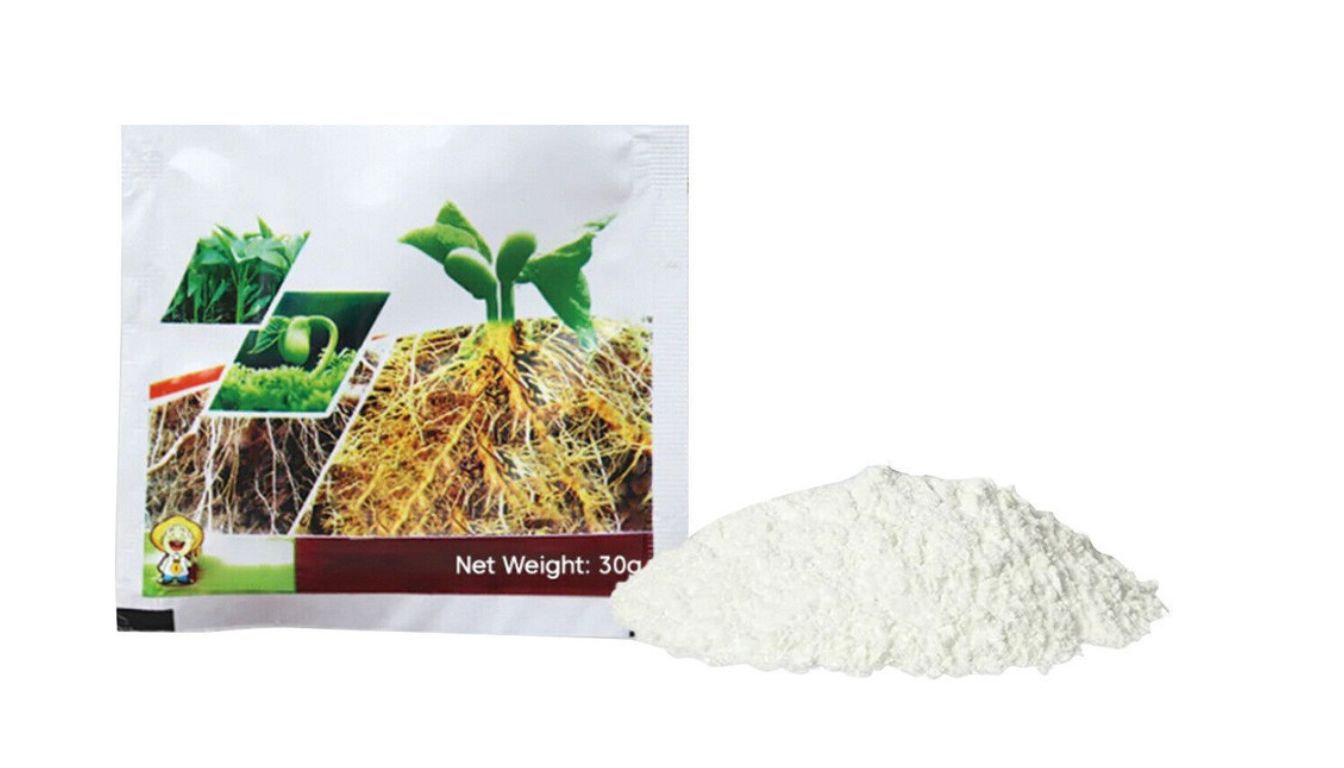
Organic rooting hormones are made from natural ingredients that are free from synthetic chemicals. They can be made at home using ingredients like honey, aloe vera, aspirin, willow water, cinnamon, and apple cider vinegar.
These natural ingredients contain compounds that stimulate root growth and protect cuttings from disease, making them an effective and eco-friendly alternative to commercial rooting hormones. Additionally, organic rooting hormones are often more affordable than their synthetic counterparts, making them a great option for gardeners on a budget.
Understanding Rooting Hormones
I have always been fascinated by rooting hormones and how they can help propagate new plants. Rooting hormones are a type of plant hormone that can stimulate root growth in cuttings. They are commonly used by gardeners and horticulturists to increase the success rate of plant propagation.
Types of Rooting Hormone
Rooting hormones exist in two forms: natural and synthetic. Plants produce natural rooting hormones, and these hormones often contain auxins, a type of plant hormone that promotes root growth. Scientists create synthetic rooting hormones artificially, and these products contain synthetic auxins.
There are several types of natural rooting hormones, including:
- Willow water: This is a natural rooting hormone that is made by soaking willow twigs in water. Willow water contains salicylic acid, which is a natural auxin.
- Honey: Honey is a natural antiseptic and can help prevent infections in plant cuttings. It also contains enzymes that can stimulate root growth.
- Aloe vera: Aloe vera gel contains auxins and other plant hormones that can promote root growth.
Synthetic rooting hormones are often more potent than natural rooting hormones and can be more effective at promoting root growth. Some common synthetic rooting hormones include:
- Indole-3-butyric acid (IBA): This is a synthetic auxin that is commonly used in rooting hormone products.
- Indole-3-acetic acid (IAA): This is another synthetic auxin that can promote root growth.
How Rooting Hormones Work – Organic Rooting Hormones
Rooting hormones work by stimulating cell division and elongation in plant cells. When a plant is cut, it loses access to the hormones that are produced in the roots, which can make it difficult for the plant to grow new roots. Rooting hormones provide the plant with the necessary hormones to promote root growth.
Auxins, which are the main active ingredient in rooting hormones, work by promoting cell division and elongation in plant cells. They also help to regulate the direction of root growth, ensuring that roots grow in the proper direction.
Rooting hormones are an essential tool for any gardener or horticulturist looking to propagate new plants. They can help increase the success rate of plant propagation and promote healthy root growth. Whether you choose to use natural or synthetic rooting hormones, it is important to follow the instructions carefully and use them responsibly.
Organic Rooting Hormones
As an organic gardener, I prefer to use natural rooting hormones instead of synthetic ones. There are several natural rooting aids that can be used to promote root growth in cuttings, including honey, willow water, aloe vera gel, cinnamon, and apple cider vinegar.
Honey as a Rooting Aid – Organic Rooting Hormones
Honey is a natural antibacterial and antifungal agent that can help prevent infections in cuttings. It also contains enzymes that stimulate root growth. To use honey as a rooting aid, mix one tablespoon of honey with two cups of boiling water. Let the mixture cool to room temperature, then dip the cuttings in the solution and plant them in a rooting medium.
Willow Water for Propagation
Willow water is made by soaking willow branches in water for several days. The resulting liquid contains natural rooting hormones that can stimulate root growth in cuttings. To make willow water, cut several willow branches into small pieces and soak them in a bucket of water for several days. After the water turns brown, strain out the willow pieces and use the liquid to water your cuttings.
Aloe Vera Gel’s Role
Aloe vera gel is a natural rooting hormone that can help stimulate root growth in cuttings. It contains enzymes and amino acids that promote cell division and root development. To use aloe vera gel as a rooting hormone, cut off a small piece of an aloe vera leaf and squeeze out the gel. Dip the cuttings in the gel and plant them in a rooting medium.
Cinnamon’s Antifungal Properties
Cinnamon is a natural antifungal agent that can help prevent infections in cuttings. It also contains compounds that can stimulate root growth. To use cinnamon as a rooting aid, dip the cuttings in water, then roll them in cinnamon powder before planting them in a rooting medium.
Apple Cider Vinegar for Cuttings
Apple cider vinegar contains natural rooting hormones that can help stimulate root growth in cuttings. To use apple cider vinegar as a rooting aid, mix three teaspoons of apple cider vinegar with one gallon of water. Dip the cuttings in the solution and plant them in a rooting medium.
Natural rooting hormones are a great alternative to synthetic ones. They are easy to make at home and can be just as effective. By using honey, willow water, aloe vera gel, cinnamon, or apple cider vinegar, you can help promote root growth in your cuttings and ensure a healthy, thriving garden.
Application of Rooting Hormones
As an organic gardener, I find rooting hormones to be an invaluable tool when it comes to propagating plants. With rooting hormones, cuttings can take root more quickly and with greater success. In this section, I will cover the basics of applying rooting hormones, as well as some tips for using them in different media.
Preparing Cuttings for Propagation – Organic Rooting Hormones
Before applying rooting hormones, it’s important to prepare your cuttings properly. Make sure your cutting is healthy and disease-free, and that it’s taken from a mature plant. It’s also important to make sure your cutting is the right size – too small, and it may not have enough energy to take root, too large, and it may not be able to support itself.
Once you have your cutting, you’ll need to remove any leaves or flowers from the lower part of the stem. This will give the cutting more energy to focus on root growth. You can also make a diagonal cut at the base of the stem to expose more surface area for the rooting hormone to adhere to.
Applying Rooting Hormones
Rooting hormones can come in powders, gels, and liquids, and each type has its own advantages. Powders are easy to use and can be applied directly to the stem cutting, while gels can be useful for holding the hormone in place on the cutting. Liquids are great for hydroponic systems, as they can be mixed with water or other liquids before application.
To apply the rooting hormone, simply dip the cut end of the stem into the powder, gel, or liquid, making sure to cover the entire cut surface. You can also use a small brush to apply the hormone to the stem if you’re using a gel or liquid.
Using Rooting Hormones in Different Mediums
Rooting hormones can be used in a variety of mediums, including sand, perlite, vermiculite, and water propagation. When using a planting medium, make sure to moisten it before inserting the cutting. You can also use a rooting hormone to help the cutting take root in water, but be sure to change the water frequently to prevent bacteria from growing.
Overall, rooting hormones can be a great tool for any gardener looking to propagate their plants. By following these simple steps, you can ensure that your cuttings take root quickly and with greater success.
Factors Influencing Rooting Success – Organic Rooting Hormones
As a gardener, I have learned that rooting success depends on several factors. In this section, I will discuss some of the environmental conditions, vitamins and minerals, and methods to prevent fungal and bacterial growth that can affect the rooting success rate.
Environmental Conditions for Rooting
One of the most important factors that affects rooting success is the environmental conditions. Direct sunlight can be harmful to cuttings, so it is best to keep them in a shaded area. The temperature and humidity should also be kept at optimal levels. For example, cuttings should not be exposed to temperatures below 50°F or above 80°F. High humidity can promote fungal growth, so it is important to keep the humidity level between 70% and 80%.
Role of Vitamins and Minerals
Vitamins and minerals play an important role in root development and growth. For example, vitamin B1 (thiamine) can help stimulate root growth, while calcium can strengthen the cell walls of the roots. Magnesium is also important for root development as it is involved in the production of chlorophyll. It is important to provide cuttings with the necessary vitamins and minerals to promote rooting success.
Preventing Fungal and Bacterial Growth
Fungal and bacterial growth can be detrimental to the success rate of rooting. To prevent fungal and bacterial growth, it is important to keep the rooting medium moist but not waterlogged. Overwatering can lead to fungal growth, while underwatering can lead to bacterial growth.
It is also important to use a rooting hormone that has antifungal and antibacterial properties. Organic rooting substances like cinnamon powder, honey, and aloe vera have been found to be effective in preventing fungal and bacterial growth.
Rooting success depends on several factors, including environmental conditions, vitamins and minerals, and preventing fungal and bacterial growth. By providing the optimal conditions and using the right rooting hormone, gardeners can increase the survival rate and success rate of their cuttings.
Alternative Rooting Methods – Organic Rooting Hormones
If you’re looking for organic and natural ways to encourage root growth in your cuttings, there are several methods you can try. Here are a few alternative rooting methods that you might find useful:
Using Saliva or Spit
Believe it or not, saliva or spit is a natural rooting hormone. Saliva contains a hormone called auxin, which is also found in commercial rooting hormone products. To use saliva as a rooting hormone, simply take a cutting and moisten the end with your saliva before planting it in soil. This method is simple and effective, and it can be done anytime, anywhere.
rmicompost Tea and Coconut Water
Coconut water and vermicompost tea are two natural substances that can help boost root growth. Coconut water is rich in cytokinins, which are plant hormones that help stimulate cell division and growth.
Vermicompost tea, on the other hand, is a nutrient-rich liquid fertilizer that contains beneficial microorganisms that can help improve soil health and promote root growth. To use these substances, simply soak your cuttings in a mixture of coconut water and vermicompost tea for a few hours before planting them in soil.
Hydrogen Peroxide for Rooting
Hydrogen peroxide is another natural substance that can help encourage root growth. It works by providing oxygen to the roots, which can help stimulate growth and prevent disease. To use hydrogen peroxide as a rooting hormone, mix one part hydrogen peroxide with ten parts water and soak your cuttings in the mixture for a few hours before planting them in soil.
Overall, these alternative rooting methods are simple, effective, and natural. They can help you grow healthy, strong plants without the use of synthetic chemicals or commercial rooting hormone products.
Plant Care After Rooting
Congratulations! You’ve successfully rooted your cuttings. Now, it’s time to take care of your new plants and ensure their healthy growth. Here are some tips for plant care after rooting:
Transplanting New Rooted Cuttings – Organic Rooting Hormones
Once your cuttings have rooted, it’s time to transplant them into their permanent containers or garden beds. Make sure to choose a pot or a spot in your garden that suits the plant’s needs. For example, succulents prefer well-draining soil, while ornamental plants may require more moisture.
When transplanting, gently remove the cuttings from their rooting medium, being careful not to damage the new roots. If the roots have grown long, you may need to trim them slightly to fit the container or the garden bed. Fill the container or the hole in the garden with soil, and gently press the plant into place. Water the plant thoroughly, and add more soil if necessary.
Monitoring Growth and Health
After transplanting, monitor your new plants closely for signs of growth and health. Check soil moisture regularly and water when needed. Prevent root rot and other problems by avoiding overwatering.
You may also need to fertilize your plants to promote healthy growth. Use a fertilizer that suits the plant’s needs, and follow the instructions carefully. Over-fertilizing can harm the plant, so be cautious.
Watch out for pests and diseases that may affect your new plants. Check the leaves and stems regularly for signs of damage or infestation. If you notice any problems, take action immediately to prevent further damage.
Taking care of your new plants after they have rooted is essential for their healthy growth. By following these tips, you can ensure that your plants thrive and bring beauty to your home or garden.
Common Plants for Organic Rooting – Organic Rooting Hormones
If you enjoy propagating plants, you’ll be glad to know that many common houseplants propagate easily with organic rooting methods. In this section, I’ll highlight a few popular plants and explain how to propagate them using root cuttings.
Propagating Pothos and African Violets
Pothos and African violets rank among the easiest houseplants to propagate with organic rooting methods. To propagate pothos, take a cutting with a few leaves and place it in a jar of water. Replace the water every few days until roots grow, then move the cutting into the soil.
You can propagate African violets with leaf cuttings. Cut off a healthy leaf and place it in a jar of water, keeping the stem submerged. Replace the water every few days until roots grow, then move the cutting into the soil.
Rooting Tradescantia and Mint
Tradescantia and mint also propagate well with root cuttings. To propagate tradescantia, take a cutting with a few leaves and place it in a jar of water. Replace the water every few days until roots grow, then move the cutting into the soil.
You can propagate mint with root cuttings or stem cuttings. For root cuttings, dig up a small section of the plant and place it in soil. For stem cuttings, take a cutting with a few leaves and place it in a jar of water. Replace the water every few days until roots grow, then move the cutting into the soil.
Overall, these plants are great for beginners looking to get into plant propagation. With a little patience and the right techniques, you can easily propagate these plants using organic rooting methods.
Before You Go – Organic Rooting Hormones
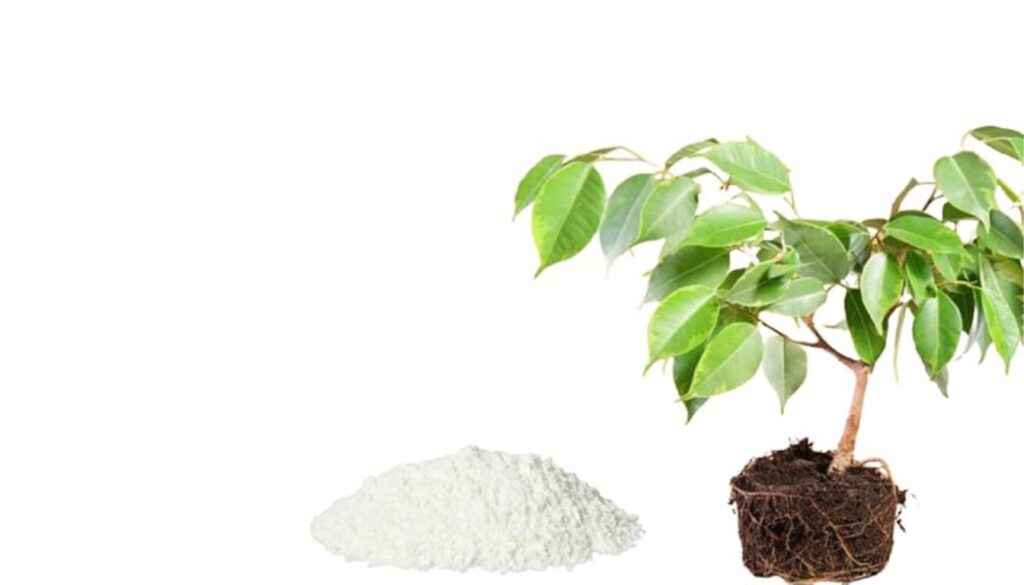
Organic rooting hormones provide gardeners with a natural means of promoting robust, healthy root systems. By using plant-based or mineral-derived solutions, you can enhance propagation success without relying on synthetic chemicals. Whether you’re starting cuttings, transplanting seedlings, or simply looking to improve plant resilience, these natural aids provide an eco‑friendly option that supports sustainable gardening.
As you experiment with organic rooting hormones, remember that consistency and proper application matter just as much as the product itself. Pairing them with good soil, adequate moisture, and the right growing conditions will maximize their benefits. With a little care, you’ll not only grow healthier plants but also contribute to a greener, more sustainable environment.
Don’t forget to add theherbprof.com to your favourites so you don’t miss out on future articles!
References – Organic Rooting Hormones
Little Herb Encyclopedia, by Jack Ritchason; N.D., Woodland Publishing Incorporated, 1995
The Ultimate Healing System, Course Manual, Copyright 1985, Don Lepore
Planetary Herbology, Michael Tierra, C.A., N.D., Lotus Press, 1988
Handbook of Medicinal Herbs, by James A. Duke, Pub. CRP Second Edition 2007
The Complete Medicinal Herbal, by Penelope Ody, Published by Dorling Kindersley
Check the Following Article
How Many Types of Tomatoes Are There in the World?
Frequently Asked Questions – Organic Rooting Hormones
What are the benefits of using organic rooting hormones?
Organic rooting hormones come from natural sources, making them an excellent alternative to synthetic options. They protect the environment and support plant health. These hormones contain natural compounds that stimulate root growth and help cuttings develop roots quickly. They also strengthen plants by promoting strong roots and increasing nutrient uptake.
How do you apply organic rooting hormones to cuttings effectively?
Clean the cutting and remove any dirt or debris. Dip the cutting into the rooting hormone, covering the stem and the base of the leaves. Shake off excess powder or liquid and plant the cutting in a pot or directly in the soil. Keep the soil moist and place the cutting in indirect sunlight until it develops roots.
Can you create an effective homemade organic rooting hormone?
You can make an effective homemade organic rooting hormone with natural ingredients such as honey, cinnamon, aloe vera, willow water, and apple cider vinegar. These ingredients provide natural compounds that stimulate root growth and help cuttings develop roots quickly. Many recipes and instructions for homemade rooting hormones are available online.
What are the top-rated organic rooting hormones on the market?
Gardeners often choose top-rated organic rooting hormones such as Clonex Rooting Gel, Hormex Rooting Powder, and RootBoost Rooting Hormone. These products use natural ingredients, protect the environment, and support plant health. They effectively promote root growth and help cuttings develop roots quickly.
What natural alternatives can be used instead of commercial rooting hormones?
Gardeners can use natural alternatives such as honey, cinnamon, aloe vera, willow water, and apple cider vinegar instead of commercial rooting hormones. These ingredients provide natural compounds that stimulate root growth and help cuttings develop roots quickly. They also protect the environment and support plant health.
Are there any significant differences between synthetic and organic rooting hormones?
Synthetic rooting hormones rely on chemicals that can harm the environment and plants. Organic rooting hormones come from natural sources, protect the environment, and support plant health. They also strengthen plants by promoting strong roots and increasing nutrient uptake.