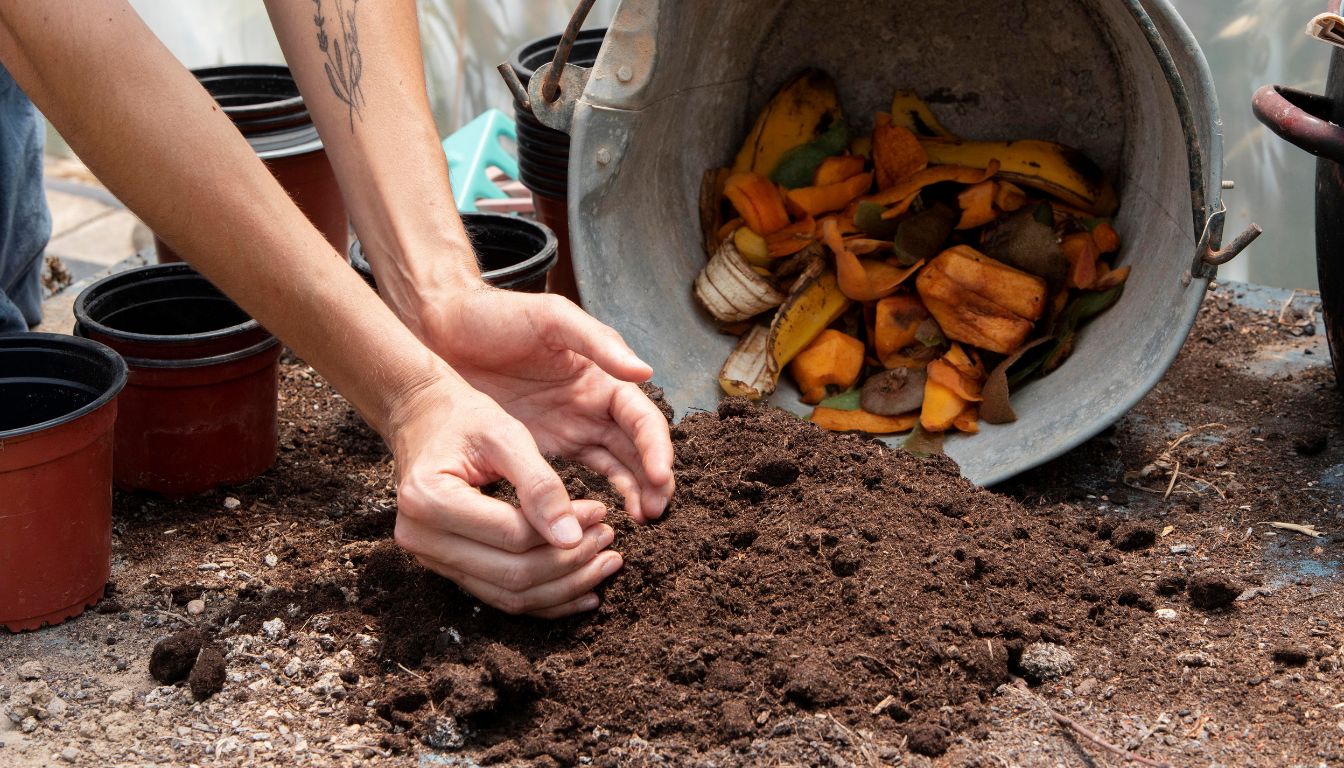
Bokashi ferment alternative is gaining popularity among gardeners and environmentalists. This method ferments organic waste using a special mix of microorganisms. It breaks down waste and creates a nutrient-rich soil amendment. Unlike traditional composting, bokashi fermenting can be done indoors and is virtually odorless.
I first learned about bokashi fermenting when I was looking for a way to reduce my household waste and improve my garden’s soil quality. I was intrigued by the idea of a composting method that didn’t require a lot of space or emit unpleasant smells. After doing some research, I decided to give bokashi fermenting a try, and I was amazed by the results. Not only did it reduce my waste significantly, but it also produced a high-quality soil amendment that improved the health and productivity of my garden.
If you’re looking for an eco-friendly way to manage your organic waste and improve your soil quality, bokashi fermenting may be worth considering. In this article, I will share my experience with bokashi fermenting and provide a step-by-step guide on how to get started. I will also discuss the benefits of bokashi fermenting, the materials needed, and tips for troubleshooting common issues.
Understanding Bokashi Fermentation
Definition and Process
Bokashi fermentation is a process that involves breaking down organic matter using microorganisms in an anaerobic environment. The term “Bokashi” comes from the Japanese word for “fermented organic matter.” The process involves adding a mixture of microorganisms, typically known as Effective Microorganisms (EM), to organic waste, such as food scraps and garden waste. The mixture is then placed in an airtight container, where the fermentation process takes place.
During the fermentation process, the microorganisms break down the organic matter into a pre-compost material that can be used in gardening or farming. The process is anaerobic, which means that it occurs without the presence of oxygen. This is in contrast to traditional composting, which is an aerobic process that requires oxygen.
Difference Between Bokashi and Traditional Composting
The main difference between Bokashi fermentation and traditional composting is the process. Bokashi fermentation is an anaerobic process that occurs in an airtight container, while traditional composting is an aerobic process that requires oxygen.
Another difference is the time it takes for the process to complete. Bokashi fermentation typically takes two to four weeks, while traditional composting can take several months to a year.
Bokashi fermentation also has the advantage of being able to compost a wider variety of organic waste, including meat, dairy, and citrus, which are typically not recommended for traditional composting. Additionally, Bokashi fermentation produces a pre-compost material that is high in nutrients and beneficial microorganisms, making it an excellent soil amendment.
In summary, Bokashi fermentation is an effective and efficient way to compost organic waste. It is an anaerobic process that involves the use of microorganisms to break down organic matter into a pre-compost material that is high in nutrients and beneficial microorganisms. Bokashi fermentation is different from traditional composting in that it is an anaerobic process that occurs in an airtight container and is faster and more versatile.
The Benefits of Bokashi Fermentation – Bokashi Ferment Alternative
As someone who cares about the environment, I am always looking for ways to reduce waste and improve soil health. Bokashi fermentation is a great way to achieve both of these goals. Here are some of the benefits of bokashi fermentation:
Speed and Efficiency
Unlike traditional composting, bokashi fermentation is a fast and efficient process. It can take as little as two weeks to turn food waste and other organic matter into nutrient-rich soil. This means that you can produce more compost in less time, which is great for those who have limited space or time.
Environmental Impact
Bokashi fermentation has a positive impact on the environment in several ways. First, it reduces the amount of waste that ends up in landfills, which helps to reduce methane emissions. Second, it helps to improve soil health by adding nutrient-rich compost to the soil. This can help to reduce the need for chemical fertilizers, which can hurt the environment. Finally, bokashi fermentation can help to reduce water usage by improving soil structure and water retention.
In addition to these benefits, bokashi fermentation is also a great way to deal with food waste. Unlike traditional composting methods, bokashi fermentation can handle all types of food waste, including meat, dairy, and cooked food. This means that you can reduce the amount of food waste that ends up in landfills, which can help to reduce greenhouse gas emissions.
Overall, bokashi fermentation is a great alternative to traditional composting methods. It is fast, efficient, and has a positive impact on the environment. By using bokashi fermentation to deal with food waste and other organic matter, you can help to reduce waste, improve soil health, and reduce your environmental impact.
How to Make DIY Bokashi Flakes – Bokashi Ferment Alternative
Required Materials
To make DIY Bokashi flakes, you will need the following materials:
- Bokashi bran or wheat bran
- Molasses
- Rice or tea
- Water
- Food scraps
- Carbon-rich material (e.g. sawdust)
Step-by-Step Process – Bokashi Ferment Alternative
- Start by mixing the Bokashi bran or wheat bran with molasses and water in a container. The mixture should have a consistency similar to wet sand.
- Spread the mixture on a tray and let it dry in a cool, dry place for a few days. Once the mixture is dry, break it into small flakes.
- Add the flakes to a Bokashi bucket along with food scraps and carbon-rich material, such as sawdust.
- Sprinkle the mixture with a small amount of water and seal the bucket. Allow the mixture to ferment for two weeks.
- After two weeks, the mixture is ready to be added to your garden. Simply dig a hole and bury the mixture in the soil.
Bokashi flakes are a great way to recycle food scraps and create nutrient-rich soil for your garden. The bacteria and yeast in the mixture help to break down the food scraps, while the carbon and nitrogen-rich materials provide the necessary nutrients for your plants to grow.
By making your own Bokashi flakes at home, you can save money on expensive compost and help reduce waste. Plus, it’s easy to do and requires only a few simple materials. Try making your own Bokashi flakes today and see the difference it can make in your garden!
Bokashi as a Composting Alternative
As someone who is passionate about sustainable living, I am always looking for ways to reduce my carbon footprint. One of the ways I have found to do this is by using Bokashi as a composting alternative. Bokashi is a Japanese word that means “fermented organic matter.” It is a system of composting that uses beneficial microorganisms to break down kitchen scraps into a nutrient-rich fertilizer.
Comparison with Traditional Composting – Bokashi Ferment Alternative
Traditional composting involves the breakdown of organic matter by aerobic bacteria. It requires a certain level of moisture and oxygen to work effectively. However, Bokashi is an anaerobic process that does not require oxygen. This means that it can be done in a sealed container, making it suitable for small spaces such as apartments.
Another advantage of Bokashi over traditional composting is that it can compost a wider variety of food waste, including meat, dairy, and citrus. Traditional composting cannot handle these types of waste, as they attract pests and can cause foul odors.
Suitable Situations for Using Bokashi
Bokashi is a great option for those who live in apartments or have limited outdoor space. It is a compact system that does not require a lot of room. It is also a good option for those who want to compost food waste quickly, as Bokashi can break down waste in just a few weeks.
One of the cons of using Bokashi is that it requires a specific pH level to work effectively. The pH level needs to be between 3.5 and 4.5, which can be difficult to achieve. However, this can be easily managed by adding a Bokashi starter to the waste.
In summary, Bokashi is a great alternative to traditional composting for those who have limited space and want to compost a wider variety of food waste. It is a simple system that produces a nutrient-rich fertilizer that can be used in gardens and potted plants.
Vermiculture and Bokashi Fermentation: A Powerful Combination
How Vermiculture Complements Bokashi Fermentation
As an alternative to traditional composting, gardeners use Bokashi fermentation to break down organic waste into pre‑compost that fertilizes plants. However, Bokashi fermentation alone has limitations. It doesn’t fully decompose organic matter and often creates acidity that some plants cannot tolerate. Vermicomposting provides the solution.
Vermicomposting relies on worms to decompose organic waste further and transform it into nutrient‑rich vermicompost for fertilizing plants. When you combine Bokashi fermentation with vermicomposting, the worms break down the remaining organic matter and neutralize the acidity of the pre‑compost. This combination produces a final product packed with nutrients, ideal for houseplants, garden beds, and even crops.
Benefits of Combining These Methods
The benefits of combining Bokashi fermentation and vermicomposting are numerous. First, the process diverts organic waste from landfills, reducing the amount of material that ends up in these facilities. Second, it creates nutrient‑rich fertilizer that gardeners can use to grow healthy plants. Third, it lowers greenhouse gas emissions by cutting down the organic waste sent to landfills.
Organic waste that reaches landfills decomposes anaerobically and produces methane, a potent greenhouse gas. By diverting this waste and breaking it down through Bokashi fermentation and vermicomposting, gardeners reduce landfill contributions and limit methane production.
The vermicompost produced through this method contains abundant nutrients, including nitrogen, phosphorus, and potassium, which plants need for growth. It also carries beneficial microorganisms such as lactic acid bacteria and photosynthetic bacteria, which promote plant growth and improve soil health.
Overall, combining Bokashi fermentation and vermicomposting offers a powerful way to break down organic waste and generate nutrient‑rich fertilizer for healthy plants. By diverting waste from landfills and cutting greenhouse gas emissions, gardeners contribute to a more sustainable future for both themselves and the planet.
Before You Go – Bokashi Ferment Alternative
Exploring alternatives to bokashi fermentation opens up new possibilities for sustainable waste management and soil enrichment. Whether you choose composting, vermiculture, or other organic methods, each approach offers unique benefits for your garden and the environment.
Remember to match the method to your lifestyle and available space. Small households may benefit from vermicomposting, while larger gardens thrive with traditional compost piles. The key lies in consistency and care, ensuring that organic waste transforms into nutrient‑rich material instead of ending up in landfills.
By experimenting with bokashi alternatives, you not only reduce waste but also build healthier soil and stronger plants. With a little effort, you can turn everyday scraps into a resource that supports both your garden and the planet.
Don’t forget to add theherbprof.com to your favourites so you don’t miss out on future articles!
References – Bokashi Ferment Alternative
Little Herb Encyclopedia, by Jack Ritchason; N.D., Woodland Publishing Incorporated, 1995
The Ultimate Healing System, Course Manual, Copyright 1985, Don Lepore
Planetary Herbology, Michael Tierra, C.A., N.D., Lotus Press, 1988
Handbook of Medicinal Herbs, by James A. Duke, Pub. CRP Second Edition 2007
The Complete Medicinal Herbal, by Penelope Ody, Published by Dorling Kindersley
Check the Following Articles
How To Use Diatomaceous Earth For Ants Control
How to Propagate Dill: A Step-by-Step Guide
Does Vinegar Repel Ants? The Truth You Need to Know
Frequently Asked Questions – Bokashi Ferment Alternative
What can be used as a substitute for bokashi bran?
Bokashi bran plays a key role in the bokashi composting process, but you might not always find it easily. You can substitute wheat bran or rice bran, which offer similar texture and nutrient content. Sawdust or shredded newspaper also work well to absorb moisture and add carbon to the mix. Keep in mind that these substitutes don’t contain the same beneficial microorganisms, so they may reduce the composting effectiveness.
How can you create your own bokashi starter at home?
You can easily make a bokashi starter at home. Grab a container with a lid, some wheat or rice bran, and a source of beneficial microorganisms. Mix the bran with just enough water to make it damp, not wet. Add EM-1 or lactobacillus serum and stir thoroughly. Seal the mixture in the container and let it ferment for several days. Once it ferments, you can use it as your bokashi starter.
What are the benefits of using coffee grounds in bokashi composting?
Coffee grounds make a great addition to bokashi composting. They supply nitrogen to support healthy plant growth and introduce beneficial microorganisms that help break down organic matter. Coffee grounds also neutralize odors and reduce acidity in the compost mix. Use them in moderation to avoid disrupting the compost balance.
How is bokashi serum utilized in the composting process?
You can use bokashi serum to boost your composting process. Dilute the serum with water and use it to water your plants or pour it directly into your compost pile. The microorganisms in the serum accelerate decomposition and promote healthy plant growth.
What are the common challenges faced with bokashi composting?
Mold and unpleasant odors often challenge bokashi composting. These issues usually stem from too much moisture, poor ventilation, or an imbalanced mix. Prevent problems by following the bokashi method closely, using the right ratios of organic matter and bran, and keeping your container well-ventilated.
What are the essential components needed to set up a bokashi bin?
To set up a bokashi bin, gather a container with a lid, bokashi bran, and organic waste. Choose an airtight container to block oxygen and maintain proper fermentation. Make sure it’s large enough for your compost volume. Add a drainage spigot or another way to remove excess liquid from the bin.