When it comes to spices, few are as beloved as cinnamon. But did you know not all cinnamon is created equal? Ceylon cinnamon and cassia cinnamon are two popular varieties that often get mixed up, and understanding their differences can change the way you spice up your life.
I’ve delved into the world of cinnamon to uncover the unique benefits and flavors of each type. Whether you’re a health enthusiast or a culinary explorer, knowing which cinnamon to choose can elevate your dishes and boost your well-being. Let’s explore the nuances of Ceylon and cassia cinnamon, so you can make informed choices that tantalize your taste buds and enhance your health.
Ceylon Cinnamon vs Cassia: What You Should Know
Cassia cinnamon and ceylon are the two main types of cinnamon available. Ceylon boasts a sweeter, delicate flavor. I enjoy this variety for its aromatic profile. In contrast, cassia offers a stronger, spicier taste. Many prefer cassia for its bold kick in savory dishes.
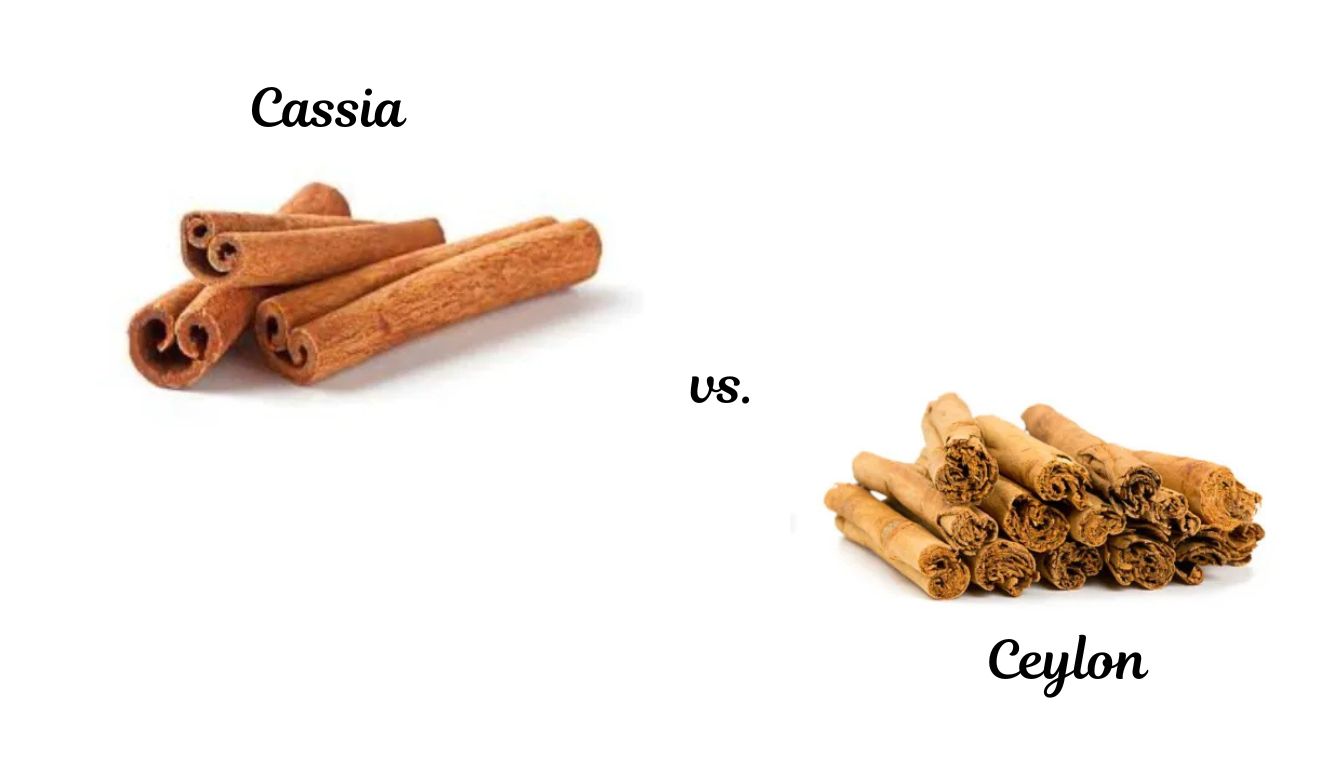
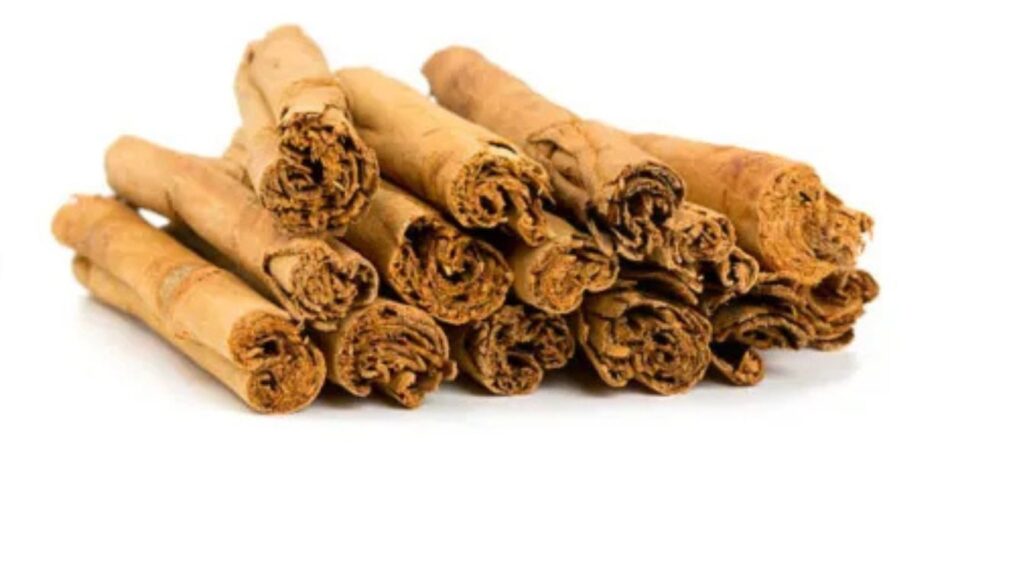
The appearance of these two types differs as well. Ceylon cinnamon sticks are thin and light brown. They often have many layers, resembling a scroll. I find that cassia sticks are thick and dark brown, with a single hard layer. Recognizing these differences helps when choosing which type to use.
When it comes to health benefits, the two varieties differ. Ceylon contains lower levels of coumarin, a compound that can harm the liver in large amounts. I often recommend Ceylon for regular consumption. Cassia, however, has higher coumarin levels. Some people may want to limit their intake.
Using these cinnamons can change culinary outcomes. Ceylon shines in desserts like cinnamon rolls and sweet pastries. I love adding it to my morning oatmeal. Cassia works well in hearty dishes and spice mixes. It also gives pumpkin pie that familiar autumn flavor.
In the end, the choice between Ceylon and cassia comes down to preference. I prefer Ceylon for sweet dishes and appreciate cassia for its punch in savory recipes. Understanding the differences enables smarter decisions for both cooking and health.
Origins and Types
Ceylon and cassia cinnamon each have distinct origins and characteristics. Knowing where they come from helps clarify their differences.
Ceylon Cinnamon
Ceylon cinnamon, often called “true cinnamon,” originates from Sri Lanka. The tree produces thin, light brown sticks with a fragile structure. I appreciate its sweet and delicate flavor, which enhances desserts like pastries and cakes. This variety features lower levels of coumarin, making it safer for regular use. The unique harvesting process involves peeling the inner bark of the tree, leading to a fragrant aroma that elevates any dish.
Cassia Cinnamon – Ceylon vs. Cassia: The Healthier, Tastier Cinnamon Choice
Cassia cinnamon primarily comes from China and Indonesia. Its thick, dark brown sticks stand out from Ceylon. I find its bold, spicy taste perfect for savory recipes and spicy dishes. However, cassia contains higher coumarin levels, which can be harmful in large amounts. Its robust flavor often complements chilli, meat, and stews, giving a warm kick to every bite. Since it’s easier to find and more affordable, many people use it more frequently.
Both varieties contribute uniquely to culinary experiences. Understanding their origins helps me choose the right type for my cooking needs.
Flavor Profiles

Ceylon cinnamon and cassia cinnamon present distinct flavor experiences. Understanding these differences enhances my culinary choices and enjoyment.
Taste Differences – Ceylon vs. Cassia: The Healthier, Tastier Cinnamon Choice
Ceylon cinnamon offers a sweet, delicate taste. It adds a gentle warmth to desserts like apple pie or cinnamon rolls. I enjoy it in my morning oatmeal. Cassia cinnamon, however, provides a bold, robust flavor. Its intensity shines in savory dishes like chili or baked ham. If I want a spicy kick, cassia is my go-to option. Both varieties complement different meals, so I like to keep both on hand for versatility.
Aroma Variations
Ceylon cinnamon boasts a light, fragrant aroma. Its scent can evoke warm memories of freshly baked goods. I find it uplifting and comforting. Cassia cinnamon, in contrast, presents a strong, pungent smell. It fills the kitchen with a rich, earthy scent during cooking. Both aromas can transform a dish, but their impact differs. When I open a jar of cassia, it feels like a flavor explosion. I appreciate each for their unique characteristics in my cooking adventures.
Health Benefits
Ceylon and cassia cinnamon offer distinct health benefits. Understanding these advantages can enhance my well-being.
Ceylon Cinnamon Benefits – Ceylon vs. Cassia: The Healthier, Tastier Cinnamon Choice
Ceylon cinnamon boasts numerous health perks. It contains lower coumarin levels, making it safer for daily use. This cinnamon supports heart health by improving circulation. It may help lower bad cholesterol and reduce blood pressure.
Antioxidants in Ceylon cinnamon combat free radicals, promoting cellular health. Regular consumption can aid digestion, making meals more enjoyable. Some studies even suggest it helps regulate blood sugar levels, which is fantastic news for those managing diabetes. Plus, the aroma is so delightful that it can brighten any room, right?
Potential Risks
Understanding the potential risks associated with Ceylon cinnamon and cassia helps to make safer choices. I’ll break down two key concerns: coumarin content and allergic reactions.
Coumarin Content – Ceylon vs. Cassia: The Healthier, Tastier Cinnamon Choice
Coumarin poses a significant risk when consuming cassia cinnamon. It contains about five times more coumarin than Ceylon cinnamon. Regular intake of high coumarin levels might harm the liver and could increase the risk of cancer. To keep things safe, moderation in using cassia is vital. I recommend opting for Ceylon if you plan to add cinnamon to your daily routine. It’s got lower coumarin levels, which makes it the safer choice for regular use.
Allergic Reactions
Allergic reactions to cinnamon can happen, but aren’t super common. Some folks may experience skin irritation or respiratory issues upon exposure. If you notice any itching, rashes, or breathing difficulties after using cinnamon, it’s time to consult a doctor.
Those with allergies might want to stay clear of both types until cleared. It’s always better to be cautious than to be sneezing and scratching your skin! Keeping an eye on your body’s reactions helps ensure a delightful cinnamon experience without the hassle.
Before You Go – Ceylon vs. Cassia: The Healthier, Tastier Cinnamon Choice
Understanding the differences between Ceylon and cassia cinnamon can truly elevate your culinary experience and health choices. I appreciate the unique qualities each type brings to the table. Ceylon’s delicate sweetness enhances my desserts while cassia’s bold flavor adds depth to savory dishes.
It’s crucial to consider the health implications as well. With Ceylon being safer for daily use due to its lower coumarin levels, I find it a better option for regular consumption. By making informed choices, I can enjoy the rich flavors of both varieties while reaping their health benefits. Whether you’re baking or cooking, knowing which cinnamon to use can make all the difference.
Don’t forget to add theherbprof.com homepage to your favourites so you don’t miss out on future articles.
References – Ceylon vs. Cassia: The Healthier, Tastier Cinnamon Choice
Little Herb Encyclopedia, by Jack Ritchason; N.D., Woodland Publishing Incorporated, 1995
The Ultimate Healing System, Course Manual, Copyright 1985, Don Lepore
Planetary Herbology, Michael Tierra, C.A., N.D., Lotus Press, 1988
Handbook of Medicinal Herbs, by James A. Duke, Pub. CRP Second Edition 2007
The Complete Medicinal Herbal, by Penelope Ody, Published by Dorling Kindersley
Check the Following Article
How to Brew Medicinal Mushroom Tea: A Guide to Wellness
Passionflower vs Valerian: Finding Your Best Sleep Ally
Native American Herbal Plants: Practices for Modern Life
Herbal Detox Baths: The Best Soaks for Deep Relaxation
Frequently Asked Questions – Ceylon vs. Cassia: The Healthier, Tastier Cinnamon Choice
What are the main differences between Ceylon and cassia cinnamon?
Ceylon cinnamon, known as “true cinnamon,” is lighter in color, has a delicate flavor, and lower coumarin levels, making it safer for regular use. Cassia cinnamon is darker, thicker, has a stronger flavor, and contains higher coumarin levels, which can be harmful in large amounts.
Why is Ceylon cinnamon recommended for daily consumption?
Ceylon cinnamon contains lower levels of coumarin, reducing health risks. It is also rich in antioxidants, supports heart health, aids digestion, and may help regulate blood sugar levels, making it a safer and more beneficial option for daily use.
What are the flavor profiles of Ceylon and cassia cinnamon?
Ceylon cinnamon offers a sweet, delicate taste ideal for desserts like apple pie, while cassia provides a bold, spicy flavor suited for savory dishes such as chilli. Their distinct aromas further enhance their use in cooking.
Where do Ceylon and cassia cinnamon originate?
Ceylon cinnamon originates from Sri Lanka, where it is carefully harvested for its unique aroma. Cassia cinnamon primarily comes from China and Indonesia, contributing to its more robust and spicier flavor profile often used in cooking.
Are there any health risks associated with cassia cinnamon?
Yes, cassia cinnamon contains higher levels of coumarin, which can pose risks to liver health and increase cancer risk with excessive consumption. It’s important to use it in moderation, especially if consumed regularly.
Can cinnamon cause allergic reactions?
While allergic reactions to cinnamon are rare, some individuals may experience skin irritation or respiratory issues. It’s recommended that those with known allergies consult a doctor and avoid both types of cinnamon until cleared.
Which cinnamon is more affordable and accessible?
Cassia cinnamon is generally more affordable and readily available compared to Ceylon cinnamon. This accessibility often leads to its frequent use in everyday cooking.
How can I include both types of cinnamon in my diet?
You can use Ceylon cinnamon in desserts and beverages for its sweet flavor while adding cassia cinnamon to savory dishes for a bold taste. Moderation is key, especially with cassia, due to its higher coumarin content.