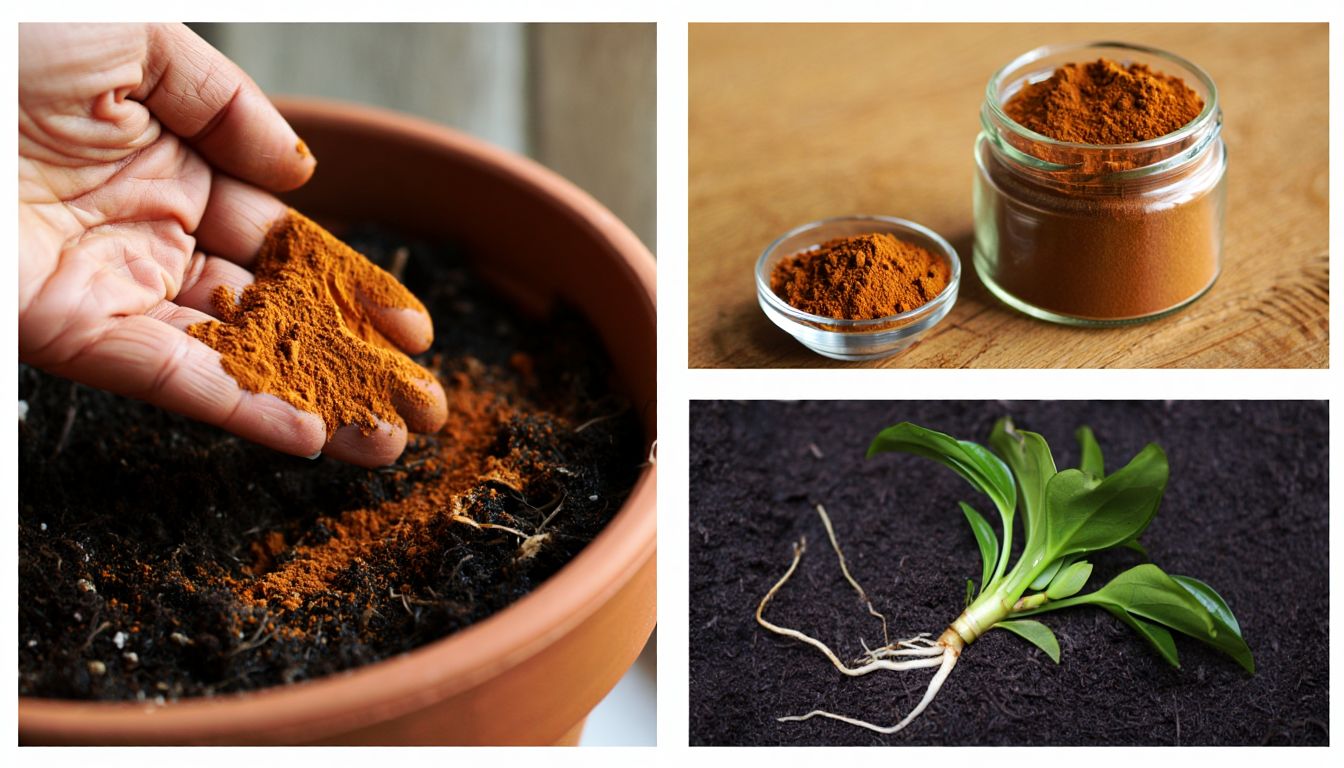
Cinnamon, a popular spice, adds flavor to many dishes. But did you know it can also be a rooting hormone in gardening? As a natural rooting hormone, cinnamon stimulates root growth in plant cuttings. This makes it an affordable and eco-friendly alternative to synthetic rooting hormones.
Using cinnamon as a rooting hormone is a simple and effective way to propagate plants. By coating the stem of a cutting with cinnamon powder, you can encourage the growth of new roots and increase the chances of successful propagation. This method is particularly useful for plants that are difficult to propagate, as it can help to overcome the natural barriers to root growth.
In addition to its rooting hormone properties, cinnamon also has antibacterial and antifungal properties that can help to protect plant cuttings from disease. This makes it a great natural alternative to synthetic rooting hormones, which can be harmful to the environment and to human health. Whether you’re an experienced gardener or just starting, using cinnamon as a rooting hormone is a simple and effective way to propagate plants and promote healthy growth.
Understanding Rooting Hormones
As a plant enthusiast, I have experimented with various methods to propagate plants. One of the most effective ways to encourage root growth in cuttings is by using rooting hormones.
Role of Auxins in Rooting
Rooting hormones contain plant hormones called auxins, which are naturally occurring compounds found in plants. The primary function of auxins is to promote cell elongation and division, which in turn stimulates root growth. When used as a rooting hormone, auxins help to initiate and accelerate the formation of roots in cuttings.
Comparison of Natural and Synthetic Rooting Hormones
There are two types of rooting hormones: natural and synthetic. Natural rooting hormones are derived from plants and are commonly found in substances such as willow water, honey, and cinnamon. Synthetic rooting hormones, on the other hand, are artificially produced in a laboratory and are available in different concentrations.
While both natural and synthetic rooting hormones contain auxins, synthetic hormones are generally more potent and provide a higher success rate in propagating plants. However, natural rooting hormones are more eco-friendly and sustainable, making them a popular choice for those who prefer organic gardening.
Rooting hormones are an effective way to encourage root growth in cuttings. They contain auxins, which promote cell elongation and division, and help to initiate and accelerate the formation of roots. While synthetic rooting hormones are more potent, natural rooting hormones are a more sustainable and eco-friendly option.
Benefits of Cinnamon in Plant Propagation
As an avid gardener, I have always been interested in finding natural and organic ways to propagate my plants. One such method that has gained popularity in recent years is using cinnamon as a rooting hormone. Cinnamon, a spice that is commonly used in cooking, has been found to have several benefits when it comes to plant propagation.
Antibacterial and Antifungal Properties
Cinnamon has both antibacterial and antifungal properties, which makes it an excellent choice for preventing infections in plant cuttings. When a cutting is taken from a plant, it is vulnerable to infections that can cause it to rot and die. However, by applying cinnamon to the cutting, you can help to prevent these infections and increase the chances of successful propagation.
Cinnamon as a Rooting Agent – Cinnamon Rooting Hormone
Cinnamon has also been found to be an effective rooting agent. When used as a rooting hormone, cinnamon can help to stimulate root growth in plant cuttings. This is because cinnamon contains a natural plant hormone called auxin, which is responsible for promoting root growth. By using cinnamon as a rooting hormone, you can help to ensure that your cuttings take root and grow into healthy plants.
Cinnamon has several benefits when it comes to plant propagation. Its antibacterial and antifungal properties make it an excellent choice for preventing infections in plant cuttings, while its natural plant hormone auxin makes it an effective rooting agent. So, if you’re looking for a natural and organic way to propagate your plants, consider using cinnamon as a rooting hormone.
How to Use Cinnamon Powder for Rooting
As a plant enthusiast, I have always been fascinated by the idea of using natural ingredients to promote root growth in cuttings. One such ingredient that has gained popularity in recent years is cinnamon powder. In this section, I will share my knowledge and experience on how to use cinnamon powder for rooting.
Preparing the Cinnamon Mixture
To prepare the cinnamon mixture, I start by grinding fresh cinnamon sticks into a fine powder using a mortar and pestle. Alternatively, I can use store-bought cinnamon powder, but I prefer the freshness of homemade powder.
Next, I mix the cinnamon powder with a small amount of water to create a paste-like consistency. Some gardeners prefer to add honey to the mixture to provide additional antibacterial properties and nutrients to the cuttings. However, I find that the cinnamon powder alone is sufficient.
Application on Plant Cuttings – Cinnamon Rooting Hormone
Once I have prepared the cinnamon mixture, I am ready to apply it to my plant cuttings. First, I take a stem cutting from a healthy plant, making sure to cut at a 45-degree angle. Then, I dip the cut end of the stem into the cinnamon mixture, making sure it is well-coated.
After the stem is coated with cinnamon, I plant it in a pot filled with moist soil. I make sure to press the soil around the stem to ensure good contact. The cinnamon powder helps to prevent fungal growth and promotes root growth in the cutting.
Using cinnamon powder as a rooting hormone is a natural and effective way to promote root growth in plant cuttings. By following the steps outlined in this section, I am confident that you, too, can successfully use cinnamon powder for rooting.
Alternative Natural Rooting Aids
When it comes to propagating plants, there are several natural rooting aids that can be used instead of synthetic rooting hormones. In addition to cinnamon, honey, aloe vera, and willow water are some of the most effective alternatives.
Using Honey as a Rooting Enhancer – Cinnamon Rooting Hormone
Honey is a natural rooting enhancer that contains enzymes and natural sugars that stimulate root growth. It also has antibacterial and antifungal properties that help protect the cuttings from disease. To use honey as a rooting aid, simply dip the cut end of the stem into honey and plant it in the soil. Alternatively, you can mix honey with water to create a rooting tonic.
Aloe Vera and Willow Water in Propagation
Aloe vera gel is another natural rooting aid that can be used to promote root growth. It contains auxins, which are plant hormones that stimulate root development. To use aloe vera gel, simply apply it to the cut end of the stem before planting.
Willow water is a natural rooting aid that is made by soaking willow tree cuttings in water. The resulting liquid contains natural rooting hormones that promote root growth. To make willow water, simply cut a few willow branches and soak them in a bucket of water for a few days. Once the water has turned brown, it is ready to use.
There are several natural rooting aids that can be used to promote root growth in plants. Honey, aloe vera, and willow water are just a few of the most effective alternatives to synthetic rooting hormones. By using these natural alternatives, you can propagate plants without the use of harmful chemicals.
Addressing Common Plant Diseases and Pests
As a plant enthusiast, I know how frustrating it can be to have your plants succumb to diseases and pests. Fortunately, cinnamon can help prevent and treat some of the most common issues that plants face.
Preventing Root Rot and Fungal Infections
One of the primary benefits of using cinnamon as a rooting hormone is its antifungal properties. Fungi and bacteria can quickly take over a plant’s root system, leading to root rot and other fungal infections. However, cinnamon can help prevent these issues by killing off harmful microorganisms.
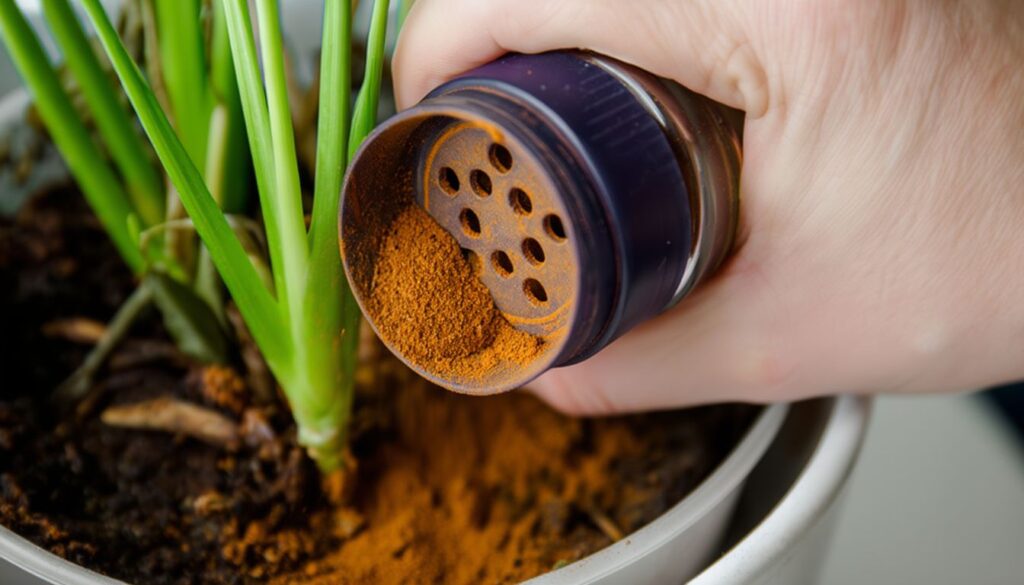
To use cinnamon to prevent root rot and fungal infections, simply sprinkle a small amount of cinnamon powder on the soil around the base of your plant. You can also mix cinnamon powder into the soil when planting new plants.
Cinnamon’s Effect on Ants and Other Pests – Cinnamon Rooting Hormone
In addition to its antifungal properties, cinnamon can also repel ants and other pests. Ants can be a significant problem for indoor plants, as they can quickly infest the soil and damage the plant’s root system.
To repel ants and other pests, mix a small amount of cinnamon oil with water and spray it on the soil around your plants. You can also sprinkle cinnamon powder around the base of your plants to repel ants and other pests.
It’s important to note that while cinnamon can be effective in preventing and treating plant diseases and pests, it’s not a cure-all solution. If your plant is already suffering from a severe infection or infestation, you may need to take additional measures to save it. However, using cinnamon as a preventative measure can help keep your plants healthy and thriving.
Best Practices for Plant Cuttings and Potting
Selecting and Preparing Cuttings
When selecting cuttings for propagation, it is important to choose a healthy parent plant. The cuttings should be taken from the parent plant’s new growth, preferably from the top of the plant. It is also essential to select cuttings that are free from damage, disease, and pests.
Before potting the cuttings, it is important to prepare them properly. For stem cuttings, remove any leaves from the bottom two-thirds of the stem. For root cuttings, cut them into pieces that are about 2 inches long and make sure each piece has at least one bud. Ensure you use clean and sharp tools when taking cuttings to prevent damage to the parent plant or the cuttings.
Choosing the Right Potting Soil – Cinnamon Rooting Hormone
Choosing the right potting soil is crucial for the success of your cuttings. Use a well-draining soil that is specifically designed for propagation. Avoid using heavy soils that retain too much moisture, as they can lead to root rot.
Mixing perlite or vermiculite into the soil can help improve drainage and aeration. It is also important to make sure the soil is moist but not waterlogged before potting the cuttings.
When potting the cuttings, make sure to create a hole in the soil that is deep enough to accommodate the cutting. Gently press the soil around the cutting to ensure good contact between the soil and the cutting.
By following these best practices for plant cuttings and potting, you can increase the chances of success in propagating your plants.
Environmental and Safety Considerations
Eco-Friendly Gardening with Cinnamon
As an eco-conscious gardener, I am always looking for sustainable and non-toxic alternatives to synthetic chemicals. Cinnamon is a great example of a natural alternative that can be used as a rooting hormone. It is non-toxic and safe to use, making it an excellent choice for those who are concerned about the environment and their health.
Cinnamon is a spice that is derived from the inner bark of trees belonging to the genus Cinnamomum. It has been used for thousands of years in traditional medicine and cooking, and more recently, it has gained popularity as a natural rooting hormone. Cinnamon contains compounds that stimulate root growth and protect plants from disease, making it an effective and eco-friendly alternative to synthetic rooting hormones.
Avoiding Synthetic Chemicals
Synthetic rooting hormones can be effective, but they can also be harmful to humans and the environment. They contain chemicals that can be toxic if inhaled or ingested, and they can also contaminate soil and water. When using synthetic rooting hormones, it is important to take extra care to avoid accidental inhalation or consumption.
Using cinnamon as a rooting hormone is a safe and natural alternative to synthetic chemicals. It is non-toxic and can be used without any special precautions. Cinnamon is also readily available and affordable, making it a convenient choice for eco-conscious gardeners.
Using cinnamon as a rooting hormone is a great way to promote sustainable and eco-friendly gardening practices. It is non-toxic, safe, and effective, making it an excellent alternative to synthetic chemicals. By using cinnamon, we can promote a healthier environment for ourselves and our plants.
Tips for Successful Plant Propagation
As someone who has propagated many plants successfully, I have learned a few tips and tricks along the way. In this section, I will share some of my insights on how to achieve successful plant propagation.
The Role of Fertilizers and Growth Factors
Fertilizers and growth factors are essential components of any plant propagation process. They provide the necessary nutrients and hormones that promote root development and overall plant growth. When selecting fertilizers and growth factors, it is important to consider the specific needs of the plant species you are propagating. Some plants require higher levels of nitrogen, while others require more phosphorus or potassium. Make sure to read the labels carefully and follow the manufacturer’s instructions for best results.
Maintaining Optimal Conditions for Root Development
Maintaining optimal conditions for root development ensures successful plant propagation. The ideal conditions vary depending on the plant species, but in general, you should provide a warm and humid environment with plenty of light. Keep the soil moist without waterlogging it, since excess moisture causes root rot. You can also use a rooting hormone to stimulate root growth. Cinnamon powder works as a natural and effective rooting hormone that replaces synthetic options.
Successful plant propagation demands careful attention to detail and a little patience. Select the right fertilizers and growth factors, and maintain optimal conditions for root development to increase your chances of success. Follow the manufacturer’s instructions consistently, and experiment with different techniques to discover what works best for you and your plants.
Before You Go – Cinnamon Rooting Hormone
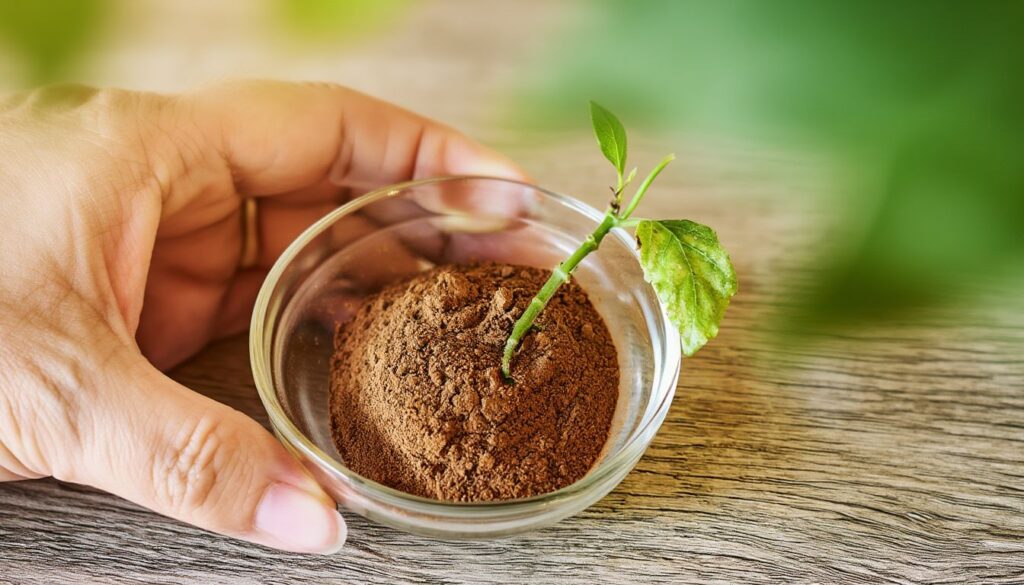
Cinnamon offers a simple, natural way to support root development and protect cuttings from fungal infections. While it doesn’t stimulate root growth like synthetic hormones, it creates a clean, antimicrobial environment that helps your plants thrive during propagation.
Before you wrap up your gardening session, remember to dip your cuttings in cinnamon powder and plant them in well-draining soil. Keep the environment warm and humid, and monitor for signs of healthy root formation. With patience and care, this natural alternative can help you grow strong, resilient plants, all without synthetic chemicals.
Don’t forget to add theherbprof.com homepage to your favourites so you don’t miss out on future articles!
References – Cinnamon Rooting Hormone
Little Herb Encyclopedia, by Jack Ritchason; N.D., Woodland Publishing Incorporated, 1995
The Ultimate Healing System, Course Manual, Copyright 1985, Don Lepore
Planetary Herbology, Michael Tierra, C.A., N.D., Lotus Press, 1988
Handbook of Medicinal Herbs, by James A. Duke, Pub. CRP Second Edition 2007
The Complete Medicinal Herbal, by Penelope Ody, Published by Dorling Kindersley
Check the Following Articles
How to Grow Moss Indoors: A Beginner’s Guide
Fermented Cucamelons: Guide to Making & Enjoying Them
Are Hostas Edible? Everything You Need to Know
Frequently Asked Questions – Cinnamon Rooting Hormone
What are the benefits of using cinnamon as a rooting hormone?
Cinnamon works as a natural rooting hormone with several benefits. Its compounds stimulate root growth and stop harmful fungi and bacteria from spreading. Gardeners also choose cinnamon because it stays readily available and offers a cost-effective alternative to synthetic rooting hormones.
How can I prepare a homemade cinnamon rooting hormone mixture?
Grind fresh cinnamon sticks into powder to prepare a homemade rooting hormone. Cut the stem of the plant cutting at a 45-degree angle, and dip it into the cinnamon powder. Cinnamon protects the cutting from fungi and bacteria while stimulating root growth.
What is the process for applying cinnamon to plant cuttings to encourage root growth?
Follow a few simple steps to apply cinnamon to plant cuttings. First, grind fresh cinnamon sticks into powder to make the mixture. Next, cut the stem of the plant cutting at a 45-degree angle and dip it into the powder. Finally, plant the cutting in soil and water it regularly.
Is cinnamon effective for water propagation techniques?
Cinnamon works less effectively in water propagation than in soil propagation. While it prevents fungi and bacteria from spreading, it doesn’t perform as strongly in water as it does in soil.
Can cinnamon also act as a fungicide for plants?
Yes, cinnamon acts as a fungicide for plants. Its compounds stop harmful fungi and bacteria from spreading, which protects plants from disease.
How does cinnamon compare to honey as a natural rooting hormone?
Cinnamon and honey both stimulate root growth as natural rooting hormones. Cinnamon excels at preventing fungi and bacteria, while honey adds nutrients and antibacterial properties to the cutting.