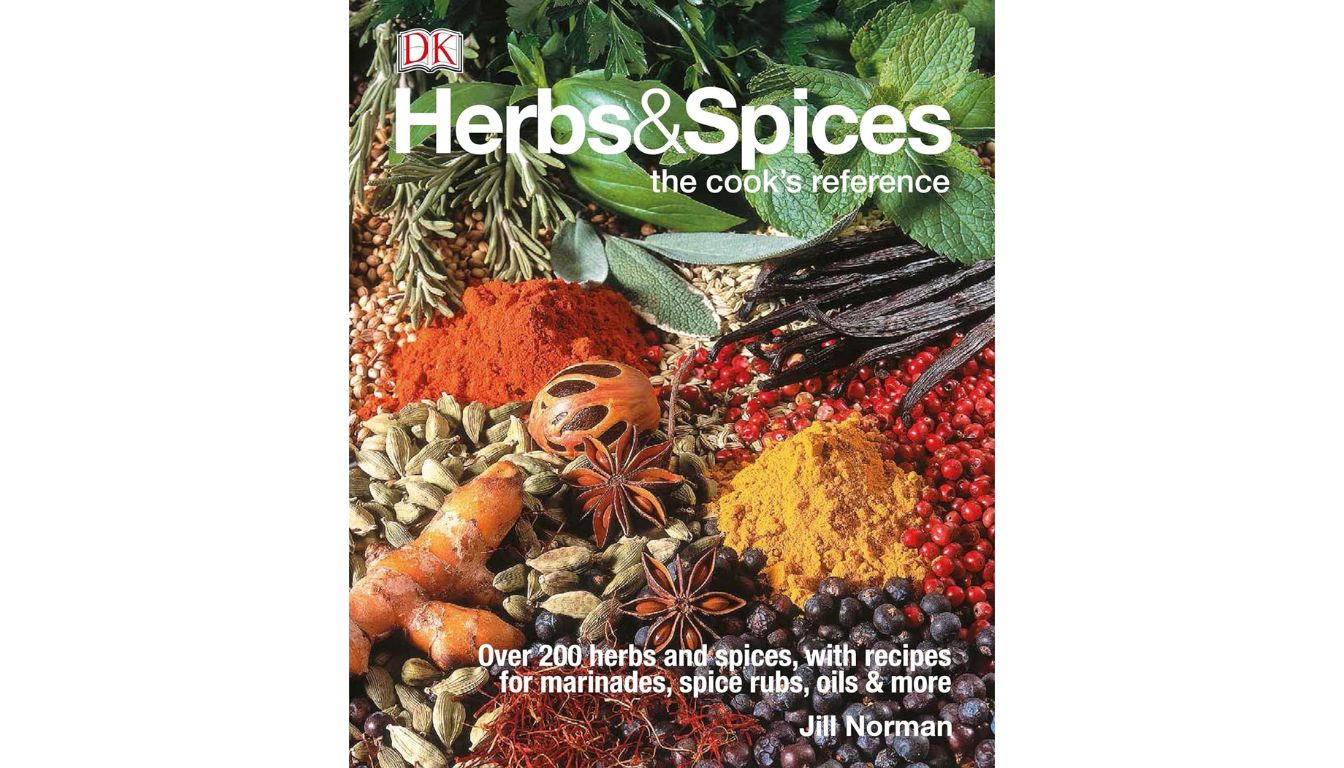
The DK Herbs & Spices: The Cook Reference Guide review highlights a visually stunning and highly practical resource for culinary enthusiasts. We recently spent time with this comprehensive guide to herbs and spices, and it quickly became clear why home cooks and professionals alike have embraced it. The book covers over 200 different herbs and spices with detailed information about each one, plus practical recipes for marinades, spice rubs, and flavored oils that you can actually use in your kitchen.
The photography stands out immediately. Each herb and spice gets large, detailed images that help you identify them at a glance. We found the consistent layout across all 336 pages made it easy to find what we needed without flipping around aimlessly.
The content strikes a good balance between scientific facts, historical context, and cooking applications. You get information about flavor profiles and which spices pair well together. Several readers mentioned using it as a reference tool in their kitchens, and we can see why it works well for that purpose.
The book does weigh 2.7 pounds, so it’s substantial enough that you won’t want to hold it while cooking. Some people might wish for more recipes beyond the marinades and rubs included. But as a reference guide for understanding spices across different cuisines, it delivers solid value.
Bottom Line – DK Herbs & Spices: The Cook Reference Guide Review
This book serves as an excellent resource if you want to expand your knowledge of herbs and spices and improve your cooking. The clear organization and quality photography make it practical for everyday use.
Click here and grab your copy here, and start exploring new flavors in your kitchen.
Overview of Herbs & Spices: Over 200 Herbs and Spices, with Recipes for Marinades, Spice Rubs, Oils, and More – Get Yours Here
This reference book provides comprehensive coverage of herbs and spices from around the world. We found it particularly useful when we needed to identify unfamiliar ingredients at specialty markets or when experimenting with new flavor profiles in our cooking.
The book includes detailed entries for each herb and spice, covering their origins, flavor characteristics, and common culinary uses. We appreciated the practical recipes scattered throughout, which demonstrate how to combine these ingredients into useful preparations like spice blends and infused oils.
What works well:
- Clear photographs help identify each ingredient
- Recipe sections offer practical applications
- Organized in an accessible format
What could be better:
- Some recipes lack precise measurements
- Limited information on sourcing rare ingredients
The guide serves as a solid desk reference for home cooks looking to expand their spice knowledge beyond basics like oregano and paprika.
Comprehensive Herb and Spice Coverage – DK Herbs & Spices: The Cook Reference Guide Review
The book delivers on its promise with profiles of more than 200 different herbs and spices. We found ingredients ranging from common options like basil and black pepper to exotic varieties we’d never heard of before. Each entry includes clear photographs that help identify what these ingredients actually look like in their whole, ground, and fresh forms.
The organization makes finding information quick and easy. Every page follows the same structure, covering flavor profiles, origins, and culinary uses for each ingredient. We appreciated learning which spices pair well together and what dishes work best with specific herbs.
The encyclopedic approach means you won’t need to search elsewhere for spice information. However, the sheer volume of content can feel overwhelming if you’re just looking for basics. The book serves both beginners and experienced cooks who want to expand their seasoning knowledge beyond typical grocery store offerings.
Stunning Photography and Visual Guides – Get Yours Here
The visuals in this book immediately caught our attention when we started flipping through the pages. Each herb and spice gets a full-color photograph that shows exactly what it looks like, which proved incredibly useful when we were trying to identify ingredients at the market. The images are large and detailed enough to spot the differences between similar-looking spices.
We appreciated how the book pairs these photos with clear visual layouts that make finding information quick and easy. Every page follows the same organized format, so we never had to hunt around for details. The consistent structure meant we could grab the book while cooking and get answers fast without losing our place in a recipe.
Recipe and Preparation Inspiration – DK Herbs & Spices: The Cook Reference Guide Review
We found the recipe section particularly useful when we wanted to move beyond basic seasoning. The book provides practical formulas for marinades, spice rubs, and infused oils that we actually used in our cooking. Each recipe connects directly to the herbs and spices covered in the main section, which made it easy to experiment with ingredients we just learned about.
The preparation guidance helped us understand how to combine flavors properly. We appreciated that the recipes aren’t overly complicated or require professional kitchen equipment.
One limitation we noticed is that some recipes could use more detailed instructions for beginners. The book assumes you have basic cooking knowledge, so complete novices might need to supplement with other resources.
Organized and User-Friendly Layout – Get Yours Here
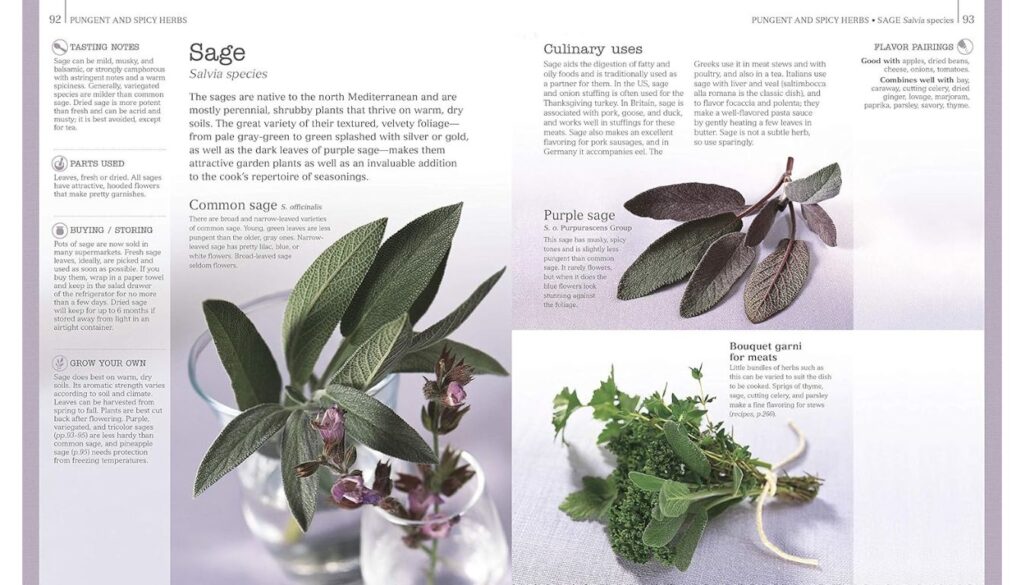
The book follows a consistent structure that makes finding information quick and painless. Each herb and spice gets its own dedicated page with the same organizational pattern throughout, which means we never have to hunt around wondering where to look next.
The left side of each page presents the key details in a predictable format. We could flip to any entry and immediately know what to expect, from flavor profiles to culinary uses and pairing suggestions.
This standardized approach works exceptionally well when comparing different spices or looking up something specific in a hurry. The 336 pages never felt overwhelming because everything has its place. We appreciated not having to decode a different layout every time we turned the page, making this reference book genuinely practical for everyday kitchen use.
Educational Value for All Levels – DK Herbs & Spices: The Cook Reference Guide Review
We found this book works well whether you’re just starting to experiment with seasonings or you’ve been cooking for years. The encyclopedic approach means beginners can learn what each herb and spice actually tastes like and how to use it properly. More experienced cooks will appreciate the scientific and historical context that explains why certain flavors work together.
Each entry follows the same clear layout, which made it easy for us to quickly find information without searching through dense paragraphs. The visual reference proved particularly helpful since many spices look similar in their whole or ground forms.
What works well:
- Covers obscure ingredients alongside common ones
- Balances practical recipes with background knowledge
- Photos help with ingredient identification
The book does assume you have access to a well-stocked spice market, which might frustrate someone in a remote area. Still, we used it as both a learning tool and a quick reference guide in the kitchen.
Gift Appeal and Versatility – Get Yours Here
This cookbook works well as a gift for anyone who enjoys cooking. We found that it appeals to beginners learning about seasonings and experienced cooks expanding their knowledge. The book covers over 200 different herbs and spices with clear photos and organized information about each one.
Who might appreciate it:
- Home cooks building their spice knowledge
- Culinary students and professionals
- Food enthusiasts interested in global cuisines
The encyclopedic format means recipients can reference it repeatedly rather than reading cover to cover. One reviewer mentioned using it to test kitchen staff and help them learn about ingredients. The scientific, historic, and practical information makes it educational without being dry. We think the beautiful photography adds to its appeal as a coffee table book that also serves a practical purpose in the kitchen.
Pros and Cons – DK Herbs & Spices: The Cook Reference Guide Review
After spending time with this comprehensive reference guide, we found several aspects worth noting for anyone considering adding it to their kitchen library.
Pros
The visual presentation stands out immediately. Each herb and spice gets a full-color photograph that shows exactly what you’re looking at, which helps tremendously when shopping or trying to identify unfamiliar ingredients.
We appreciated the consistent page layout throughout the book. Every entry follows the same organizational pattern, making it easy to find specific information quickly without hunting through different formats.
The coverage is remarkably thorough. We struggled to think of herbs or spices that weren’t included, and the book goes beyond just listing them. Each entry explains flavor profiles and suggests pairings with other ingredients and dishes.
The balance of information works well. You get historical context, scientific details, and practical cooking advice without any single aspect overwhelming the others. The recipe sections for marinades, spice rubs, and oils give you immediate ways to put the knowledge into practice.
This guide serves both beginners and experienced cooks effectively. We found it useful as a quick reference during cooking and as something to browse for learning.
Cons
The book focuses heavily on reference material rather than extensive recipe collections. If you’re looking for a traditional cookbook with full meal preparations, this won’t meet that need.
At over 200 herbs and spices covered, the sheer volume of information can feel overwhelming initially. Finding a specific entry requires either using the index or having a general idea of where to look.
Some practical cooking guidance remains general rather than deeply specific. While you learn about flavor profiles and basic uses, advanced technique instruction is limited.
The price point sits higher than basic spice guides, which might give pause to casual cooks who only use common seasonings regularly.
Customer Reviews – Get Yours Here
Readers consistently praise the visual quality of this reference guide. The photographs stand out as exceptionally clear and helpful for identifying unfamiliar ingredients.
People appreciate the consistent page layout that makes finding information quick and efficient. Each entry follows the same structure, which users found practical when looking up specific details about taste profiles and culinary applications.
Common Positive Feedback:
- Comprehensive coverage of ingredients from many different cuisines
- Balance of historical context and practical cooking advice
- Useful as both a learning tool and a kitchen reference
- Recipe suggestions paired with each entry
Several reviewers mentioned using this book in professional settings to train kitchen staff. The educational value gets high marks from both home cooks and culinary professionals.
We noticed very few complaints in the feedback. Most criticism centered on wanting even more recipe content, though buyers understood this is primarily an encyclopedia rather than a cookbook.
Before You Go – DK Herbs & Spices: The Cook Reference Guide Review
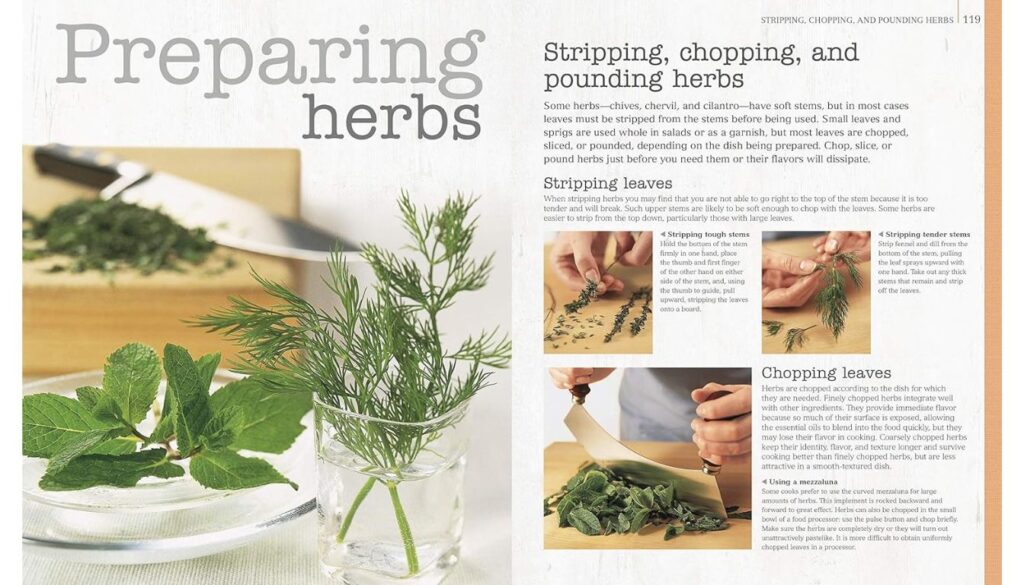
After spending time with this reference book, we can say it delivers solid value for anyone wanting to expand their spice knowledge. The photography stands out as exceptional, and the consistent page layout makes finding information quick and painless.
We found the balance between historical context, scientific details, and practical cooking advice to be well executed. The coverage is comprehensive enough that even uncommon spices get their moment.
Main strengths:
- Clear organization on every page
- Gorgeous visuals that help with identification
- Useful for both beginners and experienced cooks
The book works well as both a learning tool and a kitchen reference you’ll return to regularly. While it won’t teach advanced cooking techniques, it excels at its intended purpose of explaining individual herbs and spices in depth.
Don’t forget to add theherbprof.com homepage to your favourites so you don’t miss out on future articles.
References – DK Herbs & Spices: The Cook Reference Guide Review
Little Herb Encyclopedia, by Jack Ritchason; N.D., Woodland Publishing Incorporated, 1995
The Ultimate Healing System, Course Manual, Copyright 1985, Don Lepore
Planetary Herbology, Michael Tierra, C.A., N.D., Lotus Press, 1988
Handbook of Medicinal Herbs, by James A. Duke, Pub. CRP Second Edition 2007
The Complete Medicinal Herbal, by Penelope Ody, Published by Dorling Kindersley
Check the Following Articles
A Handbook of Native American Herbs Review
McCormick Encyclopedia of Spices and Herbs Review
Guide Chef’s Guide to Herbs & Spices QuickStudy Review
The Healing Herbs Ultimate Guide Review: Natural Medicine
Frequently Asked Questions – DK Herbs & Spices: The Cook Reference Guide Review
What herbs are essential for creating a basic spice rub?
After working through the book’s comprehensive sections on rubs and marinades, we found that starting simple makes the most sense. Salt and black pepper form the foundation of nearly every blend. Paprika adds color and mild sweetness without overwhelming other flavors.
Garlic powder and onion powder create savory depth that works across different protein types. We noticed the book emphasizes dried herbs like thyme, oregano, and rosemary for their concentrated flavors. Cumin brings earthiness that bridges the gap between simple and complex profiles.
The guide shows how these basics can be adjusted by ratio rather than requiring exotic ingredients. We appreciated that most starter rubs use items already sitting in typical pantry spaces.
Which spices are considered the most versatile for a wide range of cuisines?
The book profiles over 200 options, but certain spices appear repeatedly across different cultural recipes. Cumin works in Mexican, Indian, Middle Eastern, and North African dishes with equal success. Black pepper enhances practically every savory application we encountered.
Coriander seed complements both sweet and savory preparations across Asian, Latin, and Mediterranean cooking. We saw paprika used in Spanish, Hungarian, and American recipes throughout the pages. Cinnamon crosses the sweet-savory divide more effectively than most spices.
Garlic in fresh or dried form appears in virtually every cuisine the book covers. Ginger similarly bridges cultures from Asian stir-fries to Caribbean marinades. These workhorses justify their permanent spots in any collection.
How do I properly store herbs and spices to maintain their flavor and potency?
The book addresses storage in practical terms rather than perfectionist demands. Glass containers with tight seals beat plastic for preventing moisture and air exposure. We learned that whole spices last significantly longer than pre-ground versions.
Heat and light degrade potency faster than most people realize. Cabinet storage away from the stove makes more sense than convenient countertop displays. The guide suggests labeling containers with purchase dates since visual cues don’t always reveal staleness.
Refrigeration works for certain fresh herbs but creates condensation problems for dried spices. We found that the recommendation to buy smaller quantities more frequently prevents the waste of stale jars. Freezing whole spices extends their life but requires airtight protection from freezer odors.
Ground spices typically maintain quality for six months to a year. Whole spices can last two to three years when stored correctly.
Can you suggest any unique spice blends for vegetarian dishes?
The recipes section includes several blends that enhance vegetables without relying on meat-based flavor profiles. We tried combinations featuring smoked paprika, cumin, and coriander that brought depth to roasted vegetables. Fennel seed, oregano, and red pepper flakes created a Mediterranean character for bean dishes.
One blend combined turmeric, ginger, and fenugreek for lentil preparations that tasted complex without lengthy cooking times. We appreciated blends using cardamom, cinnamon, and black pepper for warming winter squash dishes. The book shows how toasting spices before grinding intensifies their impact on vegetable dishes.
Herbal blends with thyme, sage, and marjoram worked particularly well for mushroom preparations. We found that vegetarian cooking benefits from bolder spice applications since vegetables have milder base flavors than meat.
What are the health benefits of using fresh herbs in cooking compared to dried herbs?
The book presents information about nutrient content without making exaggerated health claims. Fresh herbs contain higher levels of certain vitamins that degrade during the drying process. Vitamin C and some B vitamins remain more abundant in fresh forms.
We learned that antioxidant compounds stay relatively stable through proper drying methods. Fresh herbs provide more volume and visual appeal for garnishing purposes. The water content in fresh herbs dilutes their flavor concentration compared to dried versions.
Essential oils concentrate during drying, which explains why recipes typically call for three times more fresh herbs than dried. Fresh options work better for uncooked applications like salads and finishing touches. Dried herbs release their flavors more effectively during cooking processes.
Both forms offer beneficial compounds, just in different concentrations. The choice often depends more on application than superior health properties.
How do I integrate exotic spices into traditional recipes without overpowering the dish?
The book’s approach emphasizes gradual introduction rather than dramatic transformation. We found success starting with small amounts, often half of what recipes suggest for unfamiliar spices. Tasting as you cook allows adjustment before flavors become too dominant.
Pairing exotic spices with familiar ones creates bridges for your palate. Adding cardamom to standard cinnamon-based desserts introduces new dimensions without shocking your taste. The guide recommends toasting spices to understand their individual character before combining them.
We learned that some exotic spices work better as supporting players rather than lead flavors. Star anise adds background complexity to braised dishes without announcing itself. Fenugreek contributes a subtle bitterness that balances sweet elements.
The book shows how cooking methods affect spice intensity. Blooming spices in oil releases different characteristics than adding them to liquid bases. Starting with one new spice per recipe prevents confusion about what works and what doesn’t.