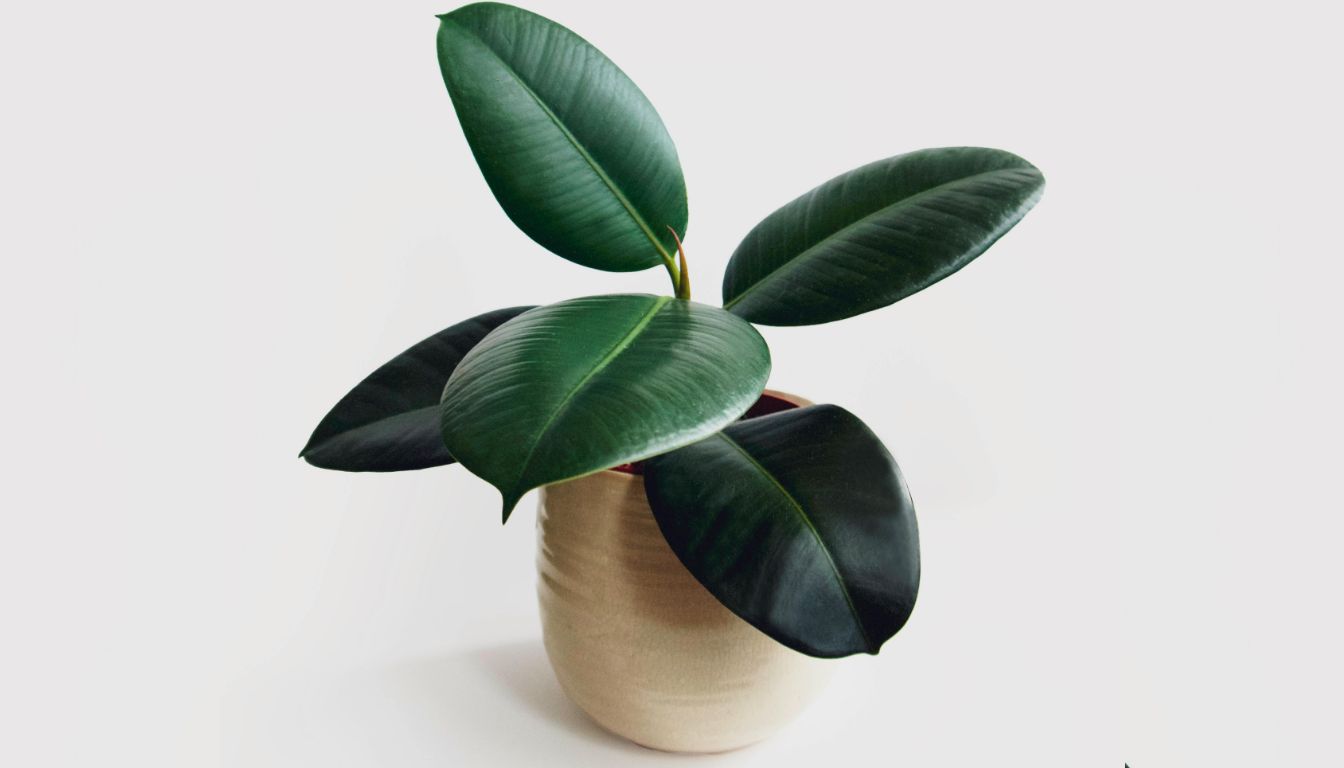
Rubber trees (Ficus elastica) are beloved houseplants, known for their large, glossy leaves and easy care. But do rubber trees like to be root-bound? From years of caring for them, I can confidently say rubber trees tolerate root-binding for short periods, but the condition doesn’t support their growth or health.
When a rubber tree becomes root-bound, the roots outgrow the pot and pack tightly together, often circling inside the container. This condition triggers several problems, including stunted growth, yellowing leaves, and a weakened immune system that leaves the plant vulnerable to pests and diseases. Repot rubber trees into larger pots as they grow so the roots can spread freely and absorb the nutrients they need to thrive.
Understanding Rubber Trees – Do Rubber Trees Like to Be Root Bound?
As a plant owner, you need to understand the needs of your plants to help them thrive. Rubber trees, also known as Ficus elastica, stay popular houseplants because of their attractive foliage and easy care. In this section, I will give an overview of rubber trees to help you better understand their growth habits and needs.
Common Name and Botanical Name – Do Rubber Trees Like to Be Root Bound?
Gardeners also call rubber trees rubber plants. Their botanical name is Ficus elastica. They belong to the Moraceae family, which includes figs and mulberries.
Growth Habits
Rubber trees are native to Southeast Asia and can grow up to 100 feet tall in their natural habitat. As houseplants, they typically grow up to 10 feet tall. They have large, glossy leaves that can range in color from dark green to variegated. Rubber trees are moderate to fast growers and can add several inches of new growth each year.
Root System
Rubber trees have a strong and extensive root system that can become root-bound if left in the same pot for too long. Being root-bound means that the roots have grown to fill the entire pot and have no more room to grow. This can cause the plant to become stressed and can lead to stunted growth, yellowing leaves, and even death.
Potting Needs – Do Rubber Trees Like to Be Root Bound?
To prevent your rubber tree from becoming root-bound, it is important to repot it every 1-2 years. When repotting, choose a pot that is one size larger than the current pot to give the roots room to grow. Use a well-draining potting mix, and make sure to water the plant thoroughly after repotting.
In summary, rubber trees are versatile and easy-to-care-for houseplants that can add a touch of tropical elegance to any space. Understanding their growth habits and potting needs can help you keep your rubber tree healthy and thriving.
Optimal Growing Conditions
Rubber trees are relatively easy to care for and can thrive under the right conditions. Here are some guidelines for providing optimal growing conditions for your rubber tree.
Soil Requirements
Rubber trees prefer well-draining potting soil that stays slightly acidic with a pH range of 6.0 to 7.0. Create a good potting mix by combining compost, perlite, sand, and peat moss or coconut coir in equal parts. Ensure the soil drains properly to avoid waterlogging, which causes root rot.
Light and Temperature – Do Rubber Trees Like to Be Root Bound?
Rubber trees prefer bright, indirect light and temperatures between 60 and 80°F. Direct sunlight scorches the leaves, so place the plant in a spot with bright, filtered light. Keep rubber trees away from cold temperatures and drafts by avoiding windows or doors that let in cold air.
Watering and Humidity
Rubber trees prefer moderate watering and humidity. Water the plant when the top inch of soil feels dry, and make sure the pot has drainage holes to prevent waterlogging. Mist the plant occasionally to raise humidity levels.
Nutrition and Fertilization
Rubber trees grow better with regular fertilization during the growing season. Use a balanced fertilizer with equal parts nitrogen, phosphorus, and potassium. Fertilize every two to three weeks during the growing season, and reduce fertilization in winter.
Repotting Essentials
Repot rubber trees every two to three years or when they become root-bound. Select a pot one size larger than the current one, and ensure it has drainage holes. Loosen the root ball gently and remove dead or damaged roots before placing the plant in the new pot.
Pruning and Maintenance – Do Rubber Trees Like to Be Root Bound?
Rubber trees need minimal pruning and maintenance. Wipe dust or debris from the leaves with a damp cloth, and trim leggy or drooping branches to encourage bushier growth. Yellowing leaves often signal overwatering or nutrient deficiencies, so adjust watering and fertilization as needed.
Pest and Disease Management
Rubber trees resist most pests and diseases, but may attract spider mites or scale insects. Keep the plant clean and free of dust to prevent infestations. If pests appear, treat the plant with insecticidal soap or neem oil.
Environmental Adaptation
Grow rubber trees indoors or outdoors, but acclimate them when moving between environments. When moving a rubber tree outdoors for summer, gradually increase its exposure to sunlight and outdoor conditions over several weeks to prevent shock.
Seasonal Care Variations
Adjust care during winter months when growth slows. Reduce watering and fertilization, and keep the plant away from cold drafts or windows. Increase humidity levels during winter to support the plant’s health.
Safety and Toxicity
Rubber trees contain latex in their leaves, which makes them toxic to pets, especially dogs and cats. Keep the plant out of reach, and seek veterinary care immediately if ingestion occurs.
The Root System of Rubber Trees

Rubber trees have a unique root system that plays a crucial role in their growth and survival. Understanding the root system of rubber trees helps you provide the right care for them.
Root Growth Patterns – Do Rubber Trees Like to Be Root Bound?
Rubber trees grow quickly and need ample space for their roots. They develop a shallow root structure with buttressing roots and aerial roots. Buttressing roots grow thick and shallow, supporting the tree’s towering height. Aerial roots grow in the air and attach to rocks or other trees for support.
Significance of Root Bound Conditions
Rubber trees dislike root-bound conditions. When roots fill the pot and stop spreading, the plant suffers stunted growth and eventually dies. Root-bound conditions also trigger root rot, which can kill the plant.
Indicators of a Root-Bound Rubber Tree
A root-bound rubber tree shows slow growth, yellowing leaves, and soil that dries quickly. If the plant has stayed in the same pot for a long time, it likely needs repotting.
Managing a Root Bound Rubber Tree – Do Rubber Trees Like to Be Root Bound?
Manage a root-bound rubber tree by repotting it in a pot one size larger than the current one. Loosen the roots gently before repotting to encourage new growth. You can also prune some roots to allow the remaining ones to spread. Use well-draining, nutrient-rich soil to promote healthy root growth.
Propagation Techniques
Rubber trees are easy to propagate and can be propagated in various ways. In this section, I will discuss the most common propagation techniques used for rubber trees.
Cuttings and Sap Handling – Do Rubber Trees Like to Be Root Bound?
One of the most popular methods for propagating rubber trees is through cuttings. This method involves taking a cutting from the parent plant and rooting it in soil or water. The best time to take cuttings is during the growing season when the plant is actively growing.
When taking cuttings, it is important to use clean and sharp tools to avoid damaging the parent plant. It is also recommended to apply rooting hormone to the cut end of the cutting to encourage root growth. Once the cutting is planted, it should be kept in a warm and humid environment until roots have formed.
Another method that is similar to taking cuttings is sap handling. This involves taking a small piece of bark from the parent plant and placing it in a container with water. The container should be kept in a warm and humid environment until roots have formed.
Layering Methods – Do Rubber Trees Like to Be Root Bound?
Another popular method for propagating rubber trees is through layering. This method involves creating a small wound on the parent plant and placing a rooting hormone on the wound. A small amount of soil or moss is then placed over the wound, and the area is covered with plastic wrap to create a humid environment. Once roots have formed, the new plant can be separated from the parent plant and planted in its own pot.
Rooting and Transplanting
Rooting and transplanting is another method for propagating rubber trees. This method involves removing the parent plant from its pot and gently teasing apart the roots. The plant can then be divided into smaller sections and replanted in their own pots. It is important to ensure that each new plant has enough roots to support its growth.
There are various methods for propagating rubber trees, including cuttings and sap handling, layering methods, and rooting and transplanting. Each method has its own advantages and disadvantages, so it is important to choose the method that works best for your needs.
Choosing the Right Container
When you grow a rubber tree, choosing the right container plays a crucial role in its growth and health. In this section, I will explain the pot characteristics, container size, and growth factors you should consider when selecting a container for your rubber tree.
Pot Characteristics
The material of the pot influences the growth and health of your rubber tree. Plastic, ceramic, and terra cotta are the most common choices. Plastic pots stay lightweight, affordable, and retain moisture well. Ceramic pots look attractive and add weight, giving stability to the plant. Terra cotta pots allow air and water to pass through because they are porous, but they dry out quickly.
Drainage holes also matter. Rubber trees need well-draining soil, and drainage holes let excess water escape. Choose pots with enough holes to stop water from accumulating at the bottom, which causes root rot.
Container Size and Growth – Do Rubber Trees Like to Be Root Bound?
Rubber trees grow fast, and their roots quickly outgrow containers. Select a pot one size larger than the current one. A pot that’s too small forces the plant to become root-bound, which stunts growth and makes it unhealthy.
Consider the plant’s top growth as well. Rubber trees produce large, glossy leaves that reach up to 12 inches long. Pick a pot deep enough for the roots and wide enough to support the foliage.
Use a well-draining soil mix with peat moss, perlite, and vermiculite. These ingredients keep the soil moist without waterlogging, which protects the health of your rubber tree.
In summary, the right container ensures your rubber tree’s growth and health. Factor in pot characteristics, container size, and growth needs when choosing a pot. Use a well-draining soil mix and make sure the pot has drainage holes to prevent water buildup. Following these tips helps you grow a healthy, beautiful rubber tree.
Cultivation and Varieties
Cultivar Selection
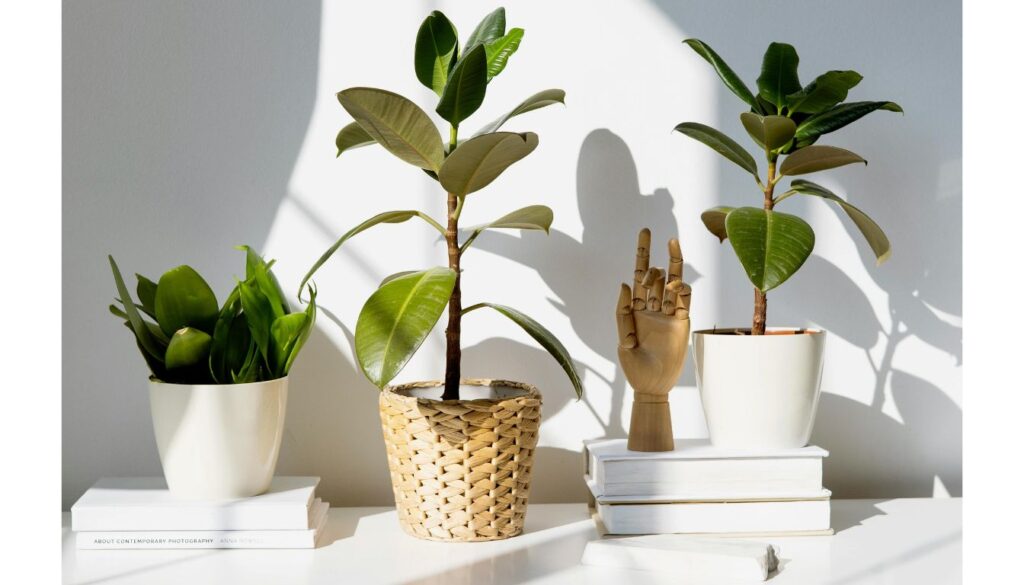
When it comes to rubber trees, there are several cultivars to choose from. The most common cultivar is the Ficus elastica, also known as the rubber fig or rubber tree. Other popular cultivars include the Ficus decora and the Ficus tineke. Each cultivar has its own unique characteristics, such as leaf size, color, and pattern, so it’s important to choose the one that best fits your preferences.
Cultivation Practices
Rubber trees are relatively easy to care for and can thrive in a variety of conditions. They prefer bright, indirect light and well-draining soil. It’s important to avoid overwatering, as this can lead to root rot and other plant health issues. Instead, allow the soil to dry out slightly between waterings. Fertilize the plant every few months with a balanced fertilizer to promote healthy growth.
Special Considerations for Cultivation
Rubber trees can become root-bound if left in the same pot for too long. This can lead to stunted growth and other plant health issues. To prevent this, it’s important to repot the plant every few years into a slightly larger container. When repotting, be sure to use a well-draining soil mix and avoid burying the trunk too deeply. Additionally, rubber trees can benefit from occasional pruning to promote bushier growth and remove any dead or damaged leaves.
Overall, rubber trees can be a great addition to any indoor garden. With the right care and cultivation practices, they can thrive and add a touch of tropical flair to any space.
Additional Care Tips
As a rubber tree owner, I have learned a few additional care tips that can help keep your plant healthy and thriving.
Dealing with Common Issues
If you notice leaf drop or yellowing leaves, it could be a sign of nutrient deficiencies. Consider fertilizing your rubber tree with a balanced fertilizer every two to three months during the growing season. Be careful not to over-fertilize as this can burn the roots.
Another common issue with fast-growing plants like rubber trees is that they can outgrow their pots quickly and become root-bound. If you notice your plant is root-bound, it’s time to repot it into a larger container. Make sure to use a well-draining soil mix and avoid overwatering.
Enhancing Plant Aesthetics
Rubber trees are a popular decorative plant due to their large, glossy leaves. To enhance the aesthetics of your plant, consider wiping down the leaves with a damp cloth to remove any dust or debris. You can also prune your plant to control its size and shape. Just be sure to wear gloves as the sap from rubber trees can be irritating to the skin.
Safety Measures and Precautions
When caring for your rubber tree, it’s important to take safety measures and precautions. Rubber trees are toxic to pets and humans if ingested, so make sure to keep them out of reach. If you have pets or small children, consider placing your rubber tree on a high shelf or using a plant stand.
In addition, the sap from rubber trees can cause skin irritation, so wear gloves when pruning or handling your plant. If you do come into contact with the sap, wash the affected area with soap and water immediately.
By following these additional care tips, you can ensure your rubber tree stays healthy and beautiful for years to come.
Before You Go – Do Rubber Trees Like to Be Root Bound?
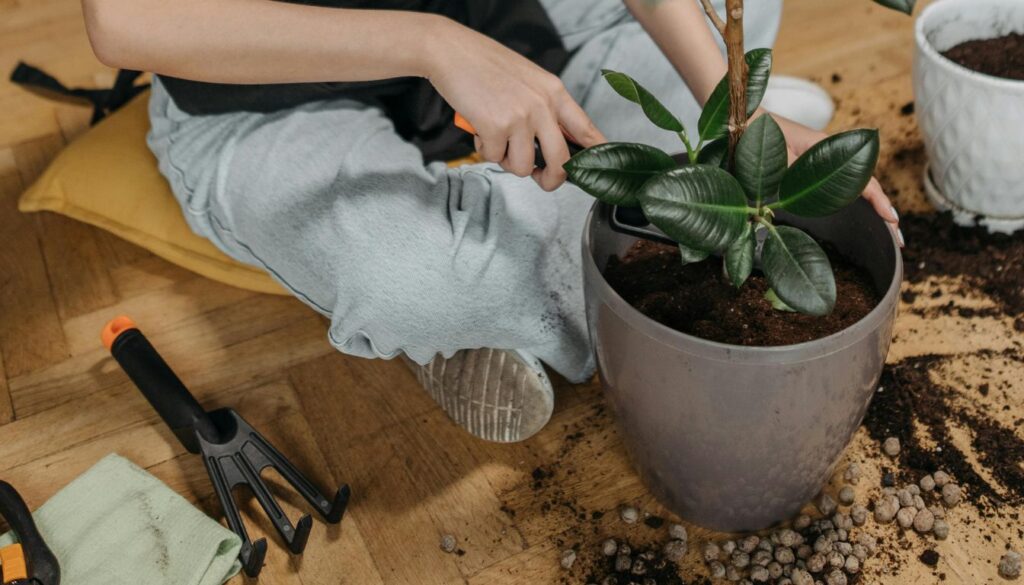
Rubber trees dislike being root-bound. When roots fill the pot, they stunt growth and trigger problems such as yellowing leaves and soil that dries quickly. Repot your rubber tree every year or two, choosing a pot one size larger than the current one to prevent root-binding.
To keep your rubber tree healthy and thriving, provide the right amount of water, light, and nutrients. Place the plant in bright, indirect light and water when the top inch of soil feels dry. Let the soil dry between waterings to avoid root rot.
Caring for a rubber tree stays simple when you understand its needs. Repot regularly and give proper conditions so you can enjoy the beauty and benefits of this versatile plant for years.
Don’t forget to add theherbprof.com homepage to your favourites so you don’t miss out on future articles!
References – Do Rubber Trees Like to Be Root Bound?
Little Herb Encyclopedia, by Jack Ritchason; N.D., Woodland Publishing Incorporated, 1995
The Ultimate Healing System, Course Manual, Copyright 1985, Don Lepore
Planetary Herbology, Michael Tierra, C.A., N.D., Lotus Press, 1988
Handbook of Medicinal Herbs, by James A. Duke, Pub. CRP Second Edition 2007
The Complete Medicinal Herbal, by Penelope Ody, Published by Dorling Kindersley
Check the Following Articles
Easiest Hot Peppers to Grow: A Beginner’s Guide
How to Make Eggs Last Longer: Simple Tips and Tricks
Fruit Bushes That Grow in Shade: Guide to Shade-Tolerant
Frequently Asked Questions – Do Rubber Trees Like to Be Root Bound?
How often should a rubber plant be repotted to prevent root binding?
Repot your rubber plant every 1–2 years to prevent root binding. Root-bound plants struggle to absorb nutrients and water. Move the plant into a larger container with fresh soil to give it space and nourishment.
Can a rubber plant thrive indoors if it becomes root-bound?
A root-bound rubber plant can survive indoors, but it won’t thrive. Watch for slow growth, yellowing leaves, and fast-drying soil. Repot every 1–2 years to keep the plant healthy.
What are the signs that a rubber plant needs repotting?
Look for roots growing out of drainage holes, yellowing leaves, slow growth, and dry soil. These signs mean it’s time to repot.
How does repotting in winter affect a rubber plant?
Repotting in winter stresses the plant because it stays dormant. Repot in spring or summer when the plant actively grows. This timing reduces transplant shock and helps the plant recover faster.
What should I do if my rubber plant’s roots are growing above the soil?
When roots grow above the soil, your rubber plant needs repotting. Loosen the roots gently and move the plant into a larger pot with fresh soil. Water thoroughly after transplanting.
How can I minimize transplant shock when repotting my rubber plant?
Water the plant well before and after repotting. Use a well-draining potting mix with good aeration. Skip fertilizer for a few weeks to let the roots settle.