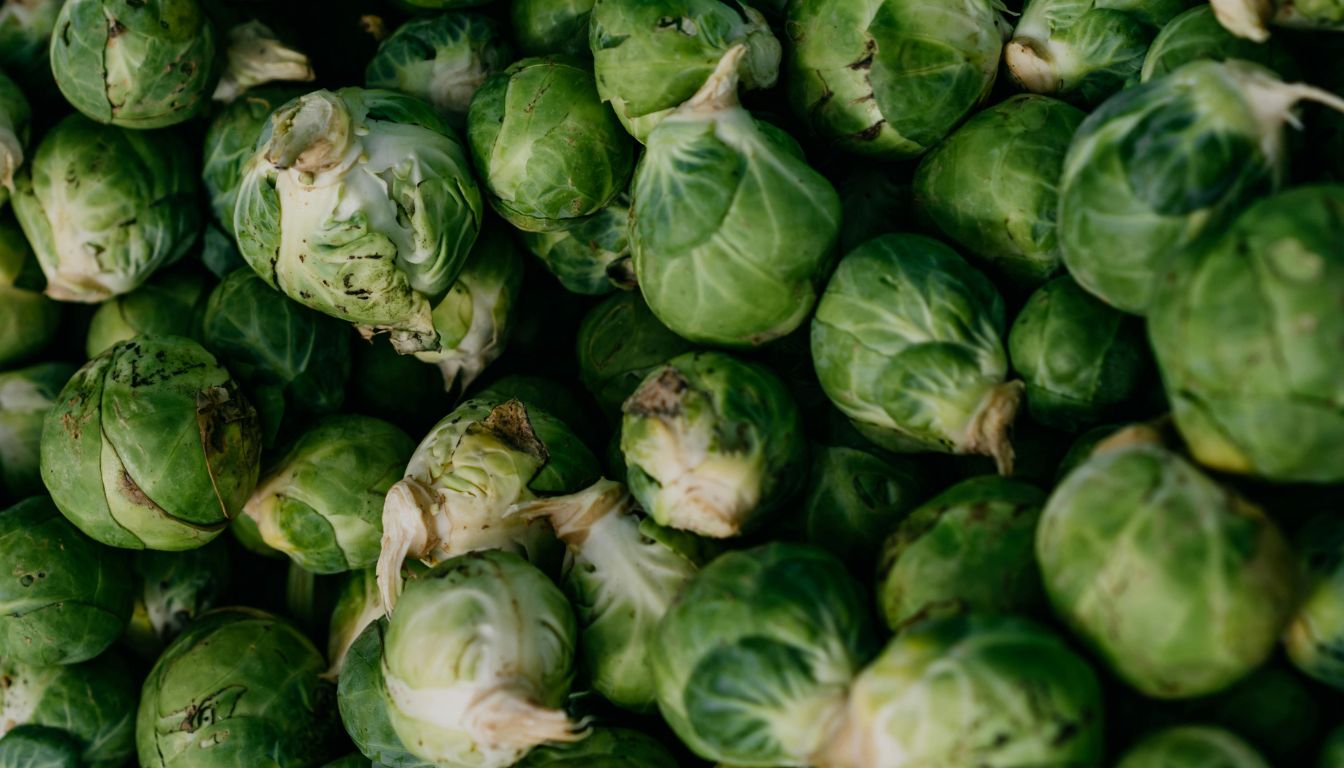
Growing your own vegetables can be a rewarding and cost-effective way to eat healthy. But are Brussels sprouts easy to grow? Brussels sprouts are a popular vegetable that can be grown in your backyard. But are they easy to grow? In this article, I’ll share my personal experience and knowledge on growing Brussels sprouts and provide tips to make the process easier.
Brussels sprouts are a cool-season crop that requires a long growing season and consistent care. While they may not be the easiest vegetables to grow, they are certainly worth the effort. With the right conditions and care, you can have a bountiful harvest of fresh and delicious Brussels sprouts. So, let’s dive into the details and see what it takes to grow these nutritious vegetables.
Understanding Brussels Sprouts
As a vegetable, Brussels sprouts are a member of the cabbage family (Brassica oleracea). They are native to Belgium, where they have been cultivated since the 16th century. Brussels sprouts grow on tall stalks and are made up of small, tightly packed leaves that resemble miniature cabbages.
Botanical Profile – Easy-to-Grow Brussels Sprouts
Brussels sprouts are a cool-season crop that grows best in temperatures between 60 and 65 degrees Fahrenheit. They require a long growing season of at least 90 days, making them a good choice for fall or winter gardens. The plants can grow up to 3 feet tall and require spacing of 18-24 inches between plants.
Nutritional Value – Are Brussels Sprouts Easy to Grow?
Brussels sprouts are a nutrient-dense vegetable, rich in vitamins C and K, as well as fiber, folate, and potassium. They are also a good source of antioxidants and contain cancer-fighting compounds. One cup of cooked Brussels sprouts provides about 56 calories, making them a low-calorie addition to any diet.
Brussels sprouts are a nutritious and versatile vegetable that can be easily grown in a home garden. With the right growing conditions and care, anyone can enjoy a bountiful harvest of these delicious mini-cabbages.
Preparation for Planting – Are Brussels Sprouts Easy to Grow?
As someone who has grown Brussels sprouts for years, I can confidently say that they are relatively easy to grow. However, there are a few things you need to keep in mind before planting.
Selecting the Right Variety
When it comes to selecting the right variety of Brussels sprouts to grow, there are a few things you need to consider. First, you need to decide whether you want to grow a hybrid or an heirloom variety. Hybrid varieties tend to be more disease-resistant and have a longer growing season, while heirloom varieties tend to have a better flavor.
Second, you need to consider the size of the plant. Brussels sprouts come in both tall and short varieties, so you need to make sure you have enough space in your garden for the variety you choose.
Soil Requirements and Preparation
Brussels sprouts require fertile soil with a pH between 6.0 and 7.5. Before planting, you should amend your soil with compost or well-rotted manure to improve soil fertility. You should also make sure the soil is well-draining, as Brussels sprouts do not like to sit in water.
To prepare your soil for planting, you should till the soil to a depth of at least 8 inches, removing any rocks or debris as you go. You can also add a slow-release fertilizer to the soil to give your plants a boost.
Optimal Planting Times
Brussels sprouts are a cool-season crop that can be planted in both the spring and fall. However, they tend to do best when planted in the early spring or late summer. If you plant Brussels sprouts in the spring, make sure to plant them early enough so that they have time to mature before the weather gets too hot.
Selecting the right variety, preparing the soil, and planting at the right time are all important factors to consider when growing Brussels sprouts. By following these steps, you can ensure that your plants have the best chance of producing a bountiful harvest.
Growing Brussels Sprouts – Are Brussels Sprouts Easy to Grow?
As an experienced gardener, I can confidently say that Brussels sprouts are relatively easy to grow. However, they do require some specific care and attention to ensure a successful crop. In this section, I will cover the essential techniques for growing Brussels sprouts.
Planting Techniques
Brussels sprouts are a cool-season crop that prefers full sun but can tolerate partial shade. They grow best in well-draining soil with a pH between 6.0 and 7.5. Before planting, prepare the soil by adding compost or well-rotted manure to improve soil fertility.
Plant Brussels sprouts in the early spring or late summer, depending on your climate. Start seeds indoors 6-8 weeks before the last frost date or sow them directly into the garden after the last frost. Space plants 24-36 inches apart in rows that are 3-4 feet apart.
Watering and Moisture
Brussels sprouts require consistent moisture but can be susceptible to root rot if the soil is too wet. Water deeply once or twice a week, depending on the weather conditions. Avoid overhead watering to prevent fungal diseases.
To retain moisture and prevent weeds, mulch around the base of the plants with straw or shredded leaves.
Sunlight and Temperature – Easy-to-Grow Brussels Sprouts
Brussels sprouts prefer cool temperatures and can tolerate frost. However, they can also suffer from heat stress if exposed to direct sunlight during the hottest part of the day. Plant them in a location that receives morning sun and afternoon shade.
Maintain a consistent temperature between 60-65°F for optimal growth. If the temperature drops below 50°F, the plants may slow down or stop growing.
Nutrient and Fertilizer Management
Brussels sprouts require a steady supply of nitrogen to promote healthy growth and development. Apply a balanced fertilizer with a higher nitrogen content, such as a 10-10-10 or 16-16-8 formula, every 3-4 weeks throughout the growing season.
Avoid overfertilizing, as this can lead to excessive foliage growth at the expense of the sprouts. Monitor the plants for signs of nutrient deficiencies, such as yellowing leaves or stunted growth, and adjust the fertilizer application accordingly.
By following these planting techniques, watering and moisture management, sunlight and temperature requirements, and nutrient and fertilizer management tips, you can successfully grow Brussels sprouts in your garden.
Maintaining Healthy Plants – Easy-to-Grow Brussels Sprouts
Growing Brussels sprouts is relatively easy. However, maintaining healthy plants requires a bit of effort. Here are some tips to help you keep your Brussels sprouts plants healthy and productive.
Pest and Disease Control
Brussels sprouts are susceptible to pests and diseases such as aphids, cabbage worms, and clubroot. To control pests, you can use insecticidal soap or neem oil. For diseases like clubroot, which causes stunted growth and yellowing of leaves, you can use crop rotation, planting resistant varieties, or adding lime to the soil.
Pruning and Supporting Plants
Pruning and supporting your Brussels sprouts plants can help to improve their productivity. You can prune the lower leaves of the plant to allow for better air circulation and light penetration. Additionally, staking or supporting the plants can help to prevent them from falling over due to the weight of the sprouts.
Companion Planting Benefits
Companion planting Brussels sprouts with other plants, such as lettuce, potatoes, and carrots, can provide several benefits. Lettuce can help to provide shade for the sprouts during hot weather, while potatoes and carrots can help to improve soil health by adding organic matter and increasing soil aeration.
In addition to these tips, it’s important to provide your Brussels sprouts plants with adequate care, such as regular watering, fertilizing, and composting. By following these tips, you can maintain healthy and productive Brussels sprouts plants.
Harvesting and Storing – Easy-to-Grow Brussels Sprouts
Growing Brussels sprouts is a rewarding experience, but harvesting them is even more satisfying. So, when is the right time to harvest Brussels sprouts? I usually wait until the sprouts are about 1-1.5 inches in diameter and are still firm. This usually occurs sometime between 85-110 days after planting. However, the time of harvest may vary depending on the variety of Brussels sprouts you are growing, so it is best to check the seed packet or consult a gardening guide for specific information.
When and How to Harvest
To harvest Brussels sprouts, you should begin at the bottom of the plant and pick off sprouts that are about the size of a marble or larger. Continue the harvest by moving up the stalk. Sprouts grow at the base of each leaf close to the plant’s main stem. Grasp each sprout with two fingers and simply give a twist to pull it off the plant. Be careful not to damage the plant or any of the remaining sprouts.
Post-Harvest Handling
After harvesting the sprouts, remove the leaves from the stalk and discard them. You can also cut off the stalks and discard them. Some gardeners prefer to leave the stalks in the ground and harvest the sprouts as needed, but I prefer to harvest them all at once and store them for later use.
Storage Tips
To store Brussels sprouts, you should wrap them loosely in a plastic bag or store them in a plastic container in the refrigerator. They should last for about a week or two. If you want to store them for a longer period, you can freeze them. Blanch the sprouts for 3-5 minutes, cool them in ice water, and then freeze them in a plastic bag or container. They should last for up to a year in the freezer.
Harvesting and storing Brussels sprouts is not difficult, but it does require some care and attention. With a little bit of knowledge and some basic tools, you can enjoy a bountiful harvest of delicious, green sprouts that are perfect for cooking and eating.
Enjoying Brussels Sprouts
Brussels sprouts are a delicious and nutritious vegetable that can be enjoyed in a variety of ways. Whether you prefer them roasted, raw, boiled, or steamed, there are many cooking methods to choose from that can enhance their natural flavor.
Cooking Methods
One popular way to enjoy Brussels sprouts is by roasting them. Roasting brings out their natural sweetness and gives them a crispy texture. To roast Brussels sprouts, simply toss them with olive oil, salt, and pepper, and bake them in the oven at 400°F for about 20-25 minutes, or until they are tender and golden brown.
If you prefer to eat Brussels sprouts raw, you can slice them thinly and add them to salads or slaws. They have a slightly bitter taste when eaten raw, but can be balanced out with a sweet dressing or other ingredients.
Boiling and steaming are also popular cooking methods for Brussels sprouts. To boil them, simply add them to a pot of boiling water and cook for about 5-7 minutes, or until they are tender. To steam them, place them in a steamer basket over a pot of boiling water and cook for about 8-10 minutes, or until they are tender.
Recipe Ideas – Easy-to-Grow Brussels Sprouts
Brussels sprouts can be used in a variety of recipes, from side dishes to main courses. Here are a few ideas to get you started:
- Roasted Brussels Sprouts: Toss Brussels sprouts with olive oil, salt, and pepper, and roast them in the oven at 400°F for about 20-25 minutes, or until they are tender and golden brown. Serve as a side dish or add them to salads or grain bowls.
- Brussels Sprouts Slaw: Thinly slice Brussels sprouts and toss them with a sweet dressing, such as honey mustard or balsamic vinaigrette. Add other ingredients, such as shredded carrots or apples, for extra flavor and texture.
- Brussels Sprouts and Bacon: Cook bacon in a skillet until crispy, then remove from the pan and set aside. Add sliced Brussels sprouts to the pan and cook until tender, then add the bacon back in and toss to combine. Serve as a side dish or add to omelets or frittatas.
Overall, Brussels sprouts are easy to grow and can be enjoyed in a variety of ways. Experiment with different cooking methods and recipes to find your favorite way to enjoy this nutritious vegetable.
Before You Go – Easy-to-Grow Brussels Sprouts
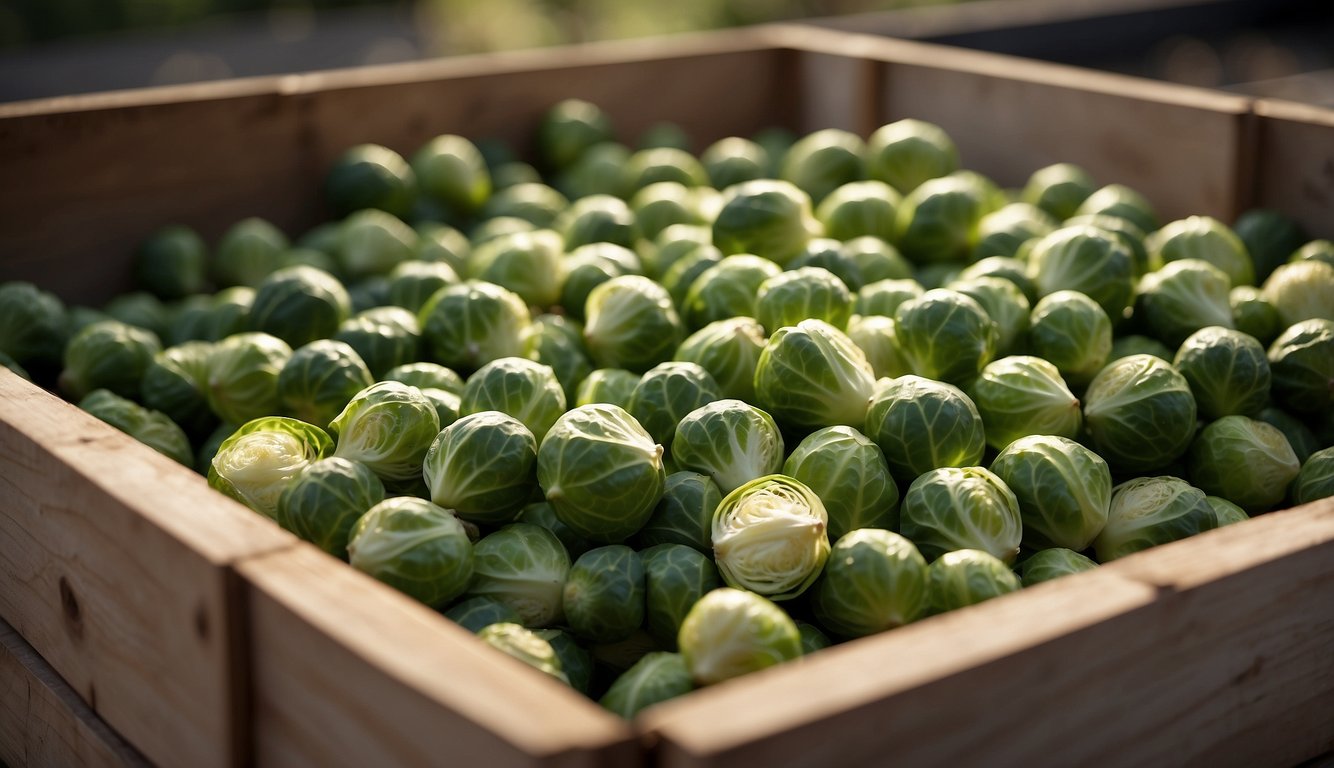
Brussels sprouts may not be the easiest crop for beginners, but they’re far from impossible. With the right soil, cool temperatures, and a bit of patience, you can grow a healthy harvest that’s both delicious and rewarding. These plants thrive when you give them consistent care and protect them from pests early on.
Before you head back to your garden, remember: success with Brussels sprouts comes from preparation and persistence. Choose the right variety for your climate, start them early, and stay attentive throughout the growing season. With time and effort, you’ll discover that growing Brussels sprouts is a challenge worth taking and one that pays off at the dinner table.
Don’t forget to add theherbprof.com homepage to your favourites so you don’t miss out on future articles!
References – Easy-to-Grow Brussels Sprouts
Little Herb Encyclopedia, by Jack Ritchason; N.D., Woodland Publishing Incorporated, 1995
The Ultimate Healing System, Course Manual, Copyright 1985, Don Lepore
Planetary Herbology, Michael Tierra, C.A., N.D., Lotus Press, 1988
Handbook of Medicinal Herbs, by James A. Duke, Pub. CRP Second Edition 2007
The Complete Medicinal Herbal, by Penelope Ody, Published by Dorling Kindersley
Check the Following Articles
A Step-by-Step Guide – How to Grow Potatoes in a Bucket
How to Stop Earwigs: Effective Methods for Eliminating
How Long to Grow Brussels Sprouts: Harvesting Your Crop
Edible Shrubs: How To Grow and Eat Them
Frequently Asked Questions – Easy-to-Grow Brussels Sprouts
What are the ideal conditions for growing Brussel sprouts?
Brussels sprouts thrive in cool weather and prefer full sun exposure. They grow best in well-drained, fertile soil with a pH between 6.0 and 6.8. It is important to keep the soil consistently moist, but not waterlogged, to prevent the roots from rotting.
What companion plants are recommended when growing Brussels sprouts?
Companion planting can help to repel pests, improve soil quality, and enhance the flavor of Brussel sprouts. Some recommended companion plants include beets, carrots, celery, chamomile, dill, and spinach. Avoid planting Brussel sprouts near plants in the cabbage family, such as broccoli and cauliflower, as they are susceptible to the same pests and diseases.
How long does it take for Brussels sprouts to mature from planting?
Brussels sprouts typically take 90 to 180 days to mature from planting. The exact time depends on the variety, weather conditions, and growing conditions. It is important to start the seeds indoors 6 to 8 weeks before the last frost date in your area to ensure a timely harvest.
What common challenges do gardeners face when cultivating Brussel sprouts?
Brussels sprouts are prone to several pests and diseases, including aphids, cabbage loopers, and clubroot. To prevent these problems, it is important to practice good garden hygiene, such as crop rotation, and to monitor the plants regularly for signs of damage. Additionally, Brussel sprouts require consistent moisture and may suffer from stunted growth or poor yields if the soil is too dry.
Can Brussels sprouts be successfully grown from cuttings?
No, Brussels sprouts cannot be successfully grown from cuttings. They are typically grown from seeds, which can be purchased from a local nursery or online seed supplier.
What is the typical yield from a single Brussel sprout plant?
The yield from a single Brussel sprout plant can vary depending on the variety, growing conditions, and harvest time. On average, a single plant can produce 1 to 2 pounds of sprouts. It is important to harvest the sprouts when they are firm and green, but before they become too large and bitter.