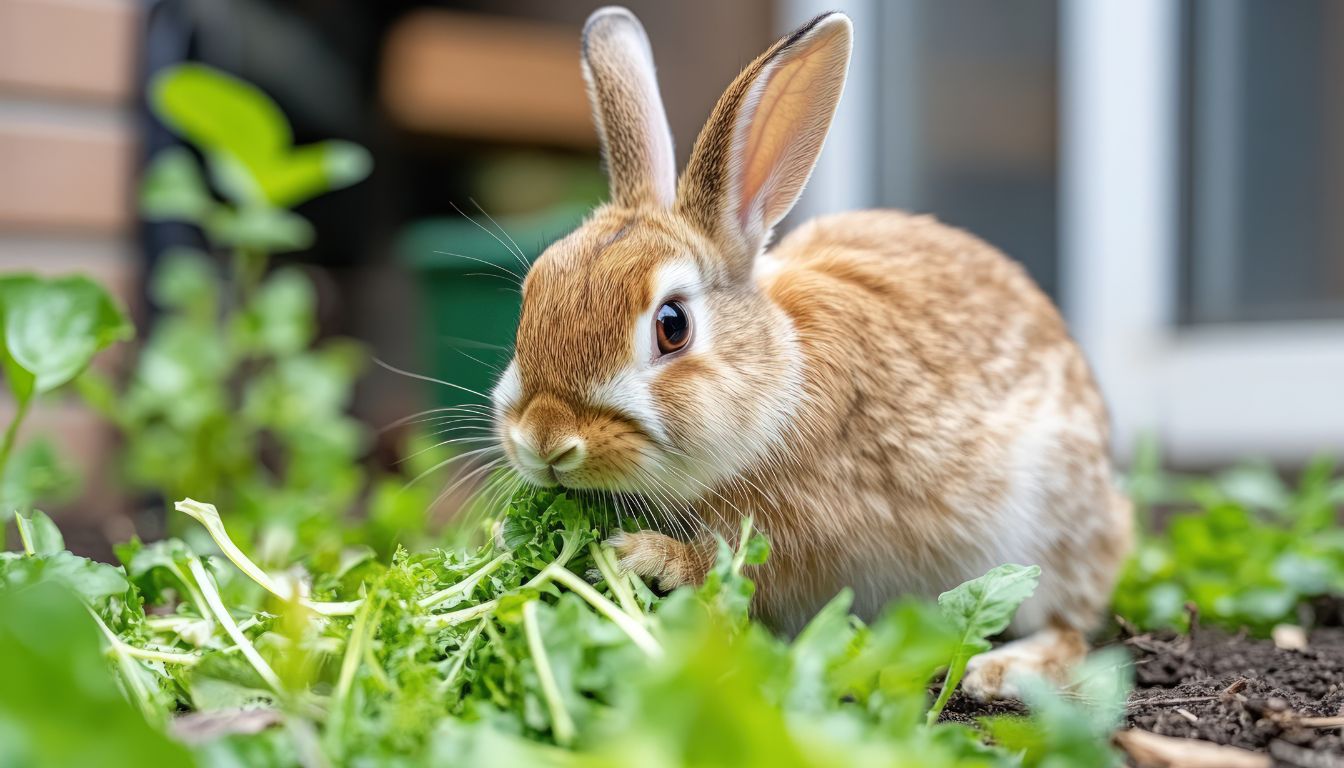
If you’ve ever stepped into your garden only to find your favorite plants nibbled down to stubs, you know the frustration of dealing with hungry rabbits. These adorable little creatures can wreak havoc on your hard work, leaving you desperate for a solution. But before you reach for harsh chemicals or traps, let’s explore the world of effective natural rabbit deterrents that can protect your plants without harming the environment.
Understanding Rabbit Behavior
Rabbits can turn a beautiful garden into a buffet in no time. Knowing why rabbits are drawn to your garden helps me find effective deterrents.
Why Rabbits Are Attracted to Your Garden
Rabbits love tasty plants. They’ll munch on tender leaves, flowers, and vegetables. They seek soft textures and bright colors. Rabbits also enjoy lush, green areas where they can hide. A garden full of fresh plants becomes a rabbit’s paradise. Interestingly, they prefer young seedlings and soft foliage. These plants are easier to chew, making them prime targets.
Factors Influencing Rabbit Activity – Effective Natural Rabbit Deterrents for Plant Protection
Rabbits are crepuscular, meaning they’re most active at dawn and dusk. As a result, they’ll appear when it’s cooler, avoiding the heat of the day. If my garden is near a rabbit’s habitat, then they’ll visit more often. In addition, snowy winters can drive them to seek food in neighborhoods.
During spring, rabbits are more playful and active, looking for nutritious food to support their breeding. Furthermore, they become bold in the right conditions, especially when food is scarce nearby. By understanding these patterns, I can better anticipate when and why they’ll invade my garden.
Effective Natural Rabbit Deterrents
Natural rabbit deterrents can effectively protect my plants without resorting to harsh chemicals. Here are some practical solutions to keep these furry intruders at bay.
Plants That Repel Rabbits
Certain plants act as natural repellents for rabbits. Consider adding these to my garden:
- Lavender: Rabbits tend to dislike the strong scent.
- Rosemary: Its robust aroma repels many animals, including rabbits.
- Sage: This herb not only enhances meals but also deters rabbits.
- Thyme: Its fragrance is unappealing to these critters.
- Marigolds: Bright and colorful, they also serve as a rabbit deterrent.
Mixing these plants into my garden will create a fragrant barrier rabbits prefer to avoid.
Essential Oils and Sprays – Effective Natural Rabbit Deterrents for Plant Protection
Essential oils can repel rabbits effectively. Here are some useful options:
- Peppermint oil: Mix it with water and spray around my plants.
- Cayenne pepper: Combine it with water for a spicy deterrent spray.
- Garlic oil: Its strong scent can keep rabbits at a distance.
These sprays not only deter rabbits but may also smell fresh to me. Reapplying them after rain helps maintain their effectiveness.
Physical Barriers and Landscaping Techniques
Creating physical barriers can protect plants more effectively than I might think. Here are a few techniques:
- Fencing: Install a fence that stands at least 2 feet high. Bury the bottom 6 inches to prevent burrowing.
- Netting: Use garden netting to cover tender plants and keep rabbits from nibbling.
- Raised beds: Elevating my plants could deter rabbits from reaching them easily.
Using these techniques protects my garden while keeping it visually appealing.
Implementing Rabbit Deterrents
Using rabbit deterrents can keep my garden safe and thriving. I’ll go over effective methods that work well while being kind to the environment.
How to Create a Rabbit-Resistant Garden
To build a rabbit-resistant garden, I focus on plant choices. Strong-smelling herbs, like lavender and rosemary, are great options. These plants offend a rabbit’s sensitive nose, making my garden less inviting. Adding marigolds not only brightens the space but also helps deter rabbits. They dislike the scent and flavor of this flower.
I also chose tougher plants to withstand nibbling. Plants like thymes and sages not only look good but also create a natural barrier. Spreading mulch around these plants adds another layer of protection. Rabbits prefer to hop into soft soil, so a coarse mulch can deter their digging.
When planning my layout, I keep vulnerable plants closer to the house. Rabbits tend to stay away from areas with human activity. Plus, creating clusters of repellant plants builds a stronger barrier.
Best Practices for Using Natural Deterrents – Effective Natural Rabbit Deterrents for Plant Protection
Using natural deterrents effectively requires a bit of strategy. First, I apply essential oils, like peppermint or garlic, directly to the soil. These scents create a natural barrier that discourages rabbits from getting too close. I mix a few drops of oil with water and spray it around vulnerable plants.
Cayenne pepper works wonders, too. Sprinkling it on leaves can make even the most fearless rabbit think twice before munching. Another method involves soaking cotton balls in essential oils and placing them around the garden. That scent combination can confuse a rabbit’s sense of smell.
I consider timing when applying these deterrents. Right after it rains is ideal. Rain can wash away the scent, making frequent applications necessary. Applying deterrents before dawn can also create an effective shield, just when rabbits are most active.
Engaging with these methods makes maintaining my garden a little fun. I mix up the scents and plants to see what works best. Ultimately, implementing these strategies leads to a healthy garden with fewer nibbling guests.
Before You Go – Effective Natural Rabbit Deterrents for Plant Protection
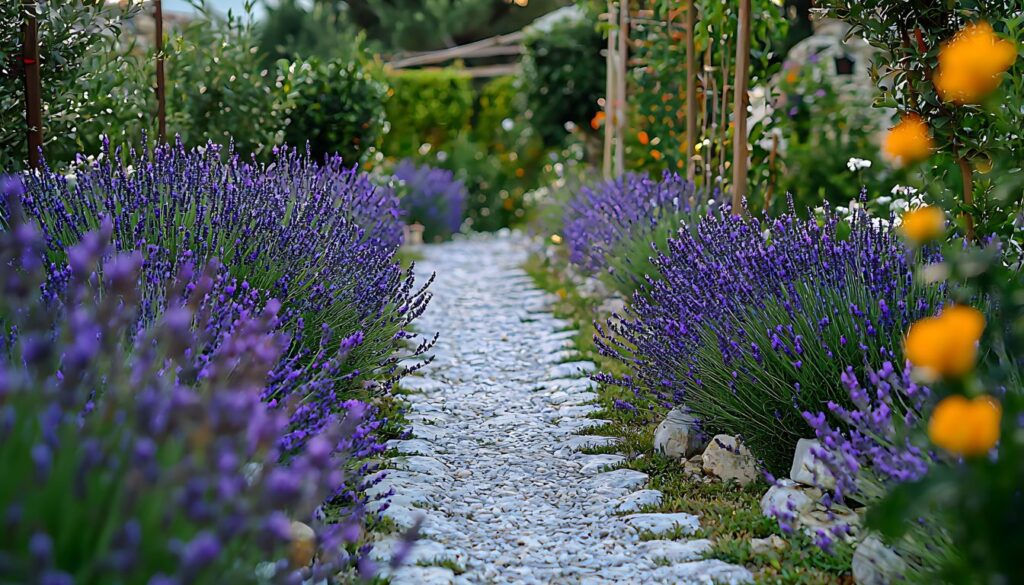
Protecting my garden from rabbits doesn’t have to be a battle. By using natural deterrents, I can create an environment that’s less inviting for these furry visitors. Incorporating strong-smelling herbs and using essential oils not only keeps rabbits at bay but also enhances the garden’s beauty and aroma.
Physical barriers like fences and raised beds provide an additional layer of protection. With a little creativity and knowledge of rabbit behavior I can enjoy my garden without the worry of damage. Embracing these natural methods not only safeguards my plants but also aligns with my commitment to eco-friendly gardening practices. Happy gardening!
References – Effective Natural Rabbit Deterrents for Plant Protection
Little Herb Encyclopedia, by Jack Ritchason; N.D., Woodland Publishing Incorporated, 1995
The Ultimate Healing System, Course Manual, Copyright 1985, Don Lepore
Planetary Herbology, Michael Tierra, C.A., N.D., Lotus Press, 1988
Handbook of Medicinal Herbs, by James A. Duke, Pub. CRP Second Edition 2007
The Complete Medicinal Herbal, by Penelope Ody, Published by Dorling Kindersley
Check the Following Articles
How To Save A Dying Tomato Plant: 5 Expert Tips For You
Pepper Plants Not Growing: Possible Causes and Solutions
Tomato Plants Have No Blooms? Here’s How to Fix It Fast
Frequently Asked Questions – Effective Natural Rabbit Deterrents for Plant Protection
Why do rabbits damage garden plants?
Rabbits damage garden plants primarily because they are drawn to tender leaves, flowers, and vegetables. They are most active at dawn and dusk, often seeking out easy food sources. Understanding their behavior and preferences can help you find solutions to protect your garden.
What are some natural rabbit deterrents?
Natural rabbit deterrents include specific plants like lavender, rosemary, sage, thyme, and marigolds, which repel rabbits. Additionally, using essential oils and sprays like peppermint oil, cayenne pepper, and garlic oil can create a fragrant barrier against these pests.
How can I physically protect my garden from rabbits?
To protect your garden, consider installing fences, using garden netting, or creating raised beds. These physical barriers not only safeguard plants from rabbits but also blend well with your garden’s aesthetic, enhancing its overall appeal.
When are rabbits most active in gardens?
Rabbits are typically most active during dawn and dusk. Understanding their active hours can help you implement preventative measures to reduce their impact on your garden when they are most likely to invade.
What types of plants are best for a rabbit-resistant garden?
Choose strong-smelling herbs and tougher plants that can withstand nibbling from rabbits for a rabbit-resistant garden. Incorporating aromatic plants like lavender and rosemary can effectively deter rabbits, protecting your more tender plants in the process.