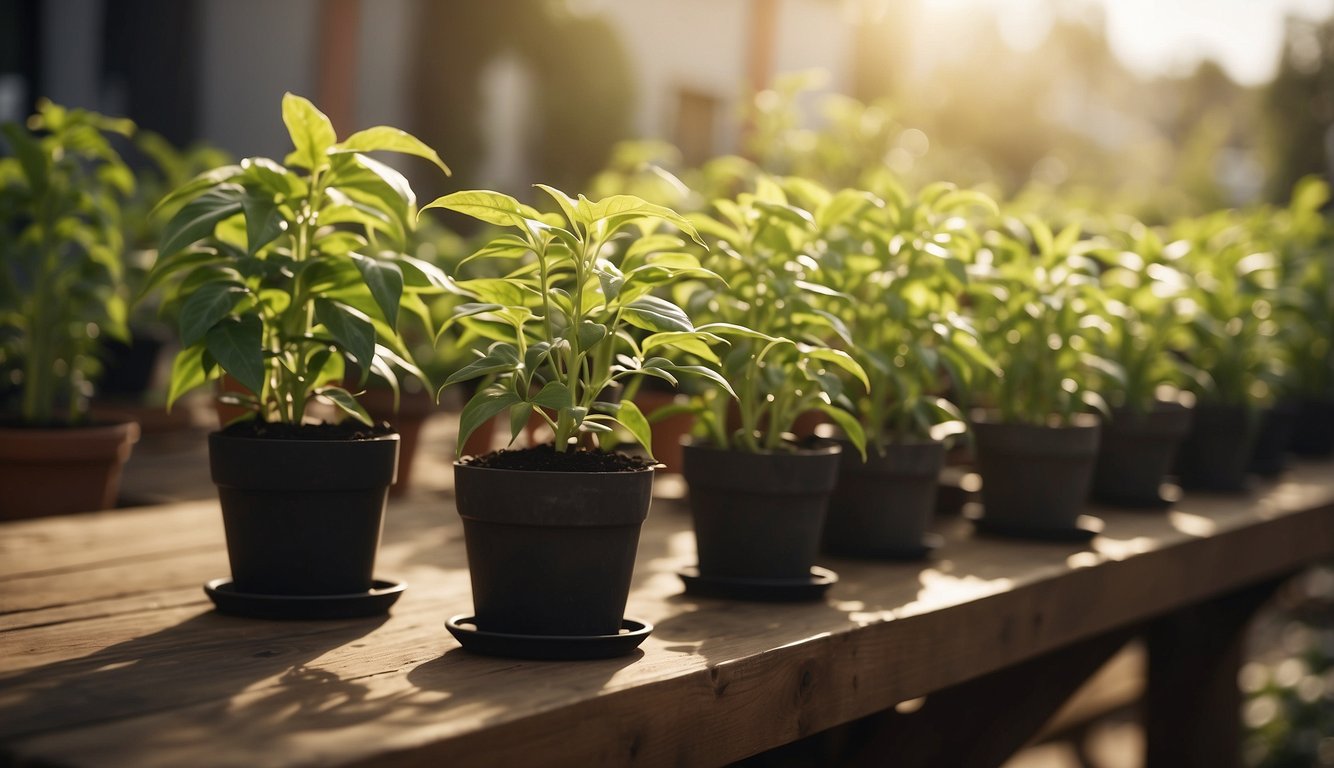
Hardening off pepper plants is a must‑know skill for every pepper grower. It involves preparing indoor seedlings for the outdoors by gradually exposing them to sun, wind, and fluctuating temperatures. This process helps plants build natural armor, as if they had started life outside.
The hardening off process matters because indoor seedlings haven’t adapted to the harsh outdoor environment. If you move them outside directly, they can experience transplant shock, which may kill them. Depending on the weather and the plant’s growth stage, the process can take anywhere from two weeks to a month. During this time, you gradually increase their exposure to outdoor conditions so they adjust to the new environment at a steady pace.
What is Hardening Off?
As a gardener, I know that growing plants from seeds indoors can be a rewarding experience. However, when it’s time to transplant those seedlings outdoors, you must prepare them for the change in environment. Gardeners call this process hardening off.
Hardening off means gradually acclimating seedlings to the outdoor environment. You expose them to elements such as temperature fluctuations, direct sunlight, wind, and rain, the same conditions they will face outside. By hardening off seedlings, you help them build natural armor and develop resilience against the elements.
When you grow seedlings in a controlled indoor environment, they miss out on the challenges they would face outdoors. For this reason, you should introduce them to outdoor conditions gradually to prevent shock and damage.
Hardening off usually takes 2–4 weeks, depending on the plant’s final planting location. During this period, you start by placing seedlings outside for a few hours each day, then steadily increase their time outdoors. This gradual exposure helps the plants adjust to their new environment and develop the defenses they need to thrive.
When and How to Harden-Off Pepper Plants
As a pepper plant enthusiast, I have learned that hardening off pepper plants plays a crucial role in growing healthy, strong plants. Hardening off means gradually acclimating young plants to outdoor conditions before transplanting them into the ground or larger containers. In this section, I’ll explain when and how to harden off pepper plants.
When to Start Hardening Off – Hardening Off Pepper Plants: Preparing Plants for Outdoors
Start hardening off pepper plants about 2–4 weeks before transplanting them into the ground or larger containers. This schedule gives them enough time to adjust to the outdoor climate until they become fully acclimated. Pay close attention to outdoor temperatures and the weather forecast before beginning. If temperatures fluctuate too much or frost threatens, delay the process until conditions stabilize.
Gradual Exposure to Sunlight and Wind
Gradually expose pepper plants to sunlight and wind to prepare them for outdoor life. Young plants grown indoors or in a greenhouse haven’t adapted to direct sunlight or strong winds. To prevent sunscald or windburn, place the plants in a shaded area for a few hours each day at first. Then, increase the time they spend in direct sunlight and wind. You can also run an oscillating fan indoors to simulate wind and strengthen their stems before moving them outside.
Preparing Seedlings for Transplanting
Before transplanting, check that the seedlings look healthy and have strong root systems. Gently remove each plant from its container and loosen the soil around the root ball to encourage roots to spread in the new soil. Plant them in moist soil at the same depth they grew in their containers. Water immediately after transplanting, and keep them out of full sun until they establish themselves.
Hardening off pepper plants ensures they adapt to outdoor conditions and avoid transplant shock. By monitoring temperatures, gradually increasing sun and wind exposure, and preparing seedlings properly for transplanting, you set them up to thrive in their new environment.
Troubleshooting in the Hardening-Off Stage
As with any gardening process, hardening off pepper plants can come with its fair share of issues. Here are some common problems and their solutions:
Wilting
Pepper plants often wilt during the hardening off stage because the sudden move from a controlled indoor environment to unpredictable outdoor conditions shocks them. Gradually increase the time they spend outside and keep them well‑watered. If wilting continues, bring the plants back indoors temporarily and try again later.
Pests and Diseases
During hardening off, pepper plants face greater exposure to pests, diseases, and the elements. Inspect them daily for signs of damage or infestation. Use organic pest control methods when needed, and remove infected plants promptly to stop diseases from spreading.
Watering – Hardening Off Pepper Plants: Preparing Plants for Outdoors
Proper watering is crucial during the hardening off stage. Overwatering can lead to root rot, while underwatering can cause wilting and stunted growth. Make sure to water the plants thoroughly but not excessively, and pay attention to the weather conditions to adjust watering as needed.
Nutrients and Fertilizing
During the hardening off stage, it is important to avoid over-fertilizing the plants. Too much fertilizer can damage the delicate root system and hinder growth. Instead, focus on providing the plants with adequate nutrients through healthy soil and regular watering.
Root Rot
Root rot can be a serious problem during the hardening off stage, especially if the plants are overwatered or exposed to too much moisture. To prevent this, make sure the soil is well-draining and avoid overwatering the plants. If root rot does occur, remove the affected plants and treat the remaining plants with a fungicide.
By being aware of these potential issues and taking steps to prevent and address them, you can successfully harden off your pepper plants and ensure their health and growth in the garden.
After Moving Pepper Plants Outdoors
Once you have successfully hardened off your pepper plants and moved them outdoors, it is important to continue to care for them properly. Here are some tips to ensure that your pepper plants thrive in their new environment:
Watering
Make sure to water your pepper plants regularly, especially during hot and dry weather. Peppers need consistent moisture to produce healthy fruit. However, be careful not to overwater them, as this can lead to root rot. A good rule of thumb is to water deeply once a week and adjust as needed based on the weather and soil moisture.
Mulching
Mulching around your pepper plants can help retain moisture and suppress weeds. Apply a layer of organic mulch, such as straw or shredded leaves, around the base of your plants, being careful not to cover the stems. This will also help regulate soil temperature and prevent soil erosion.
Pruning – Hardening Off Pepper Plants: Preparing Plants for Outdoors
Pruning pepper plants can help promote bushier growth and increase fruit production. Remove any damaged or diseased leaves as soon as you notice them. You can also pinch off the tips of the branches to encourage branching and more fruit production.
Feeding
Pepper plants require regular feeding to produce healthy fruit. You can use a balanced fertilizer, such as a 10-10-10 or 20-20-20 blend, every 2-3 weeks during the growing season. Alternatively, you can use organic fertilizers, such as compost or manure, to provide nutrients to your pepper plants.
Final Container
If you are growing your pepper plants in containers, make sure they are in their final container size. Transplanting pepper plants too many times can stress them out and reduce their fruit production. Choose a container that is at least 12 inches in diameter and 12 inches deep, and use a high-quality potting mix that is well-draining and rich in organic matter.
By following these tips, you can ensure that your pepper plants thrive in their new outdoor environment and produce a bountiful harvest.
Before You Go – Hardening Off Pepper Plants: Preparing Plants for Outdoors
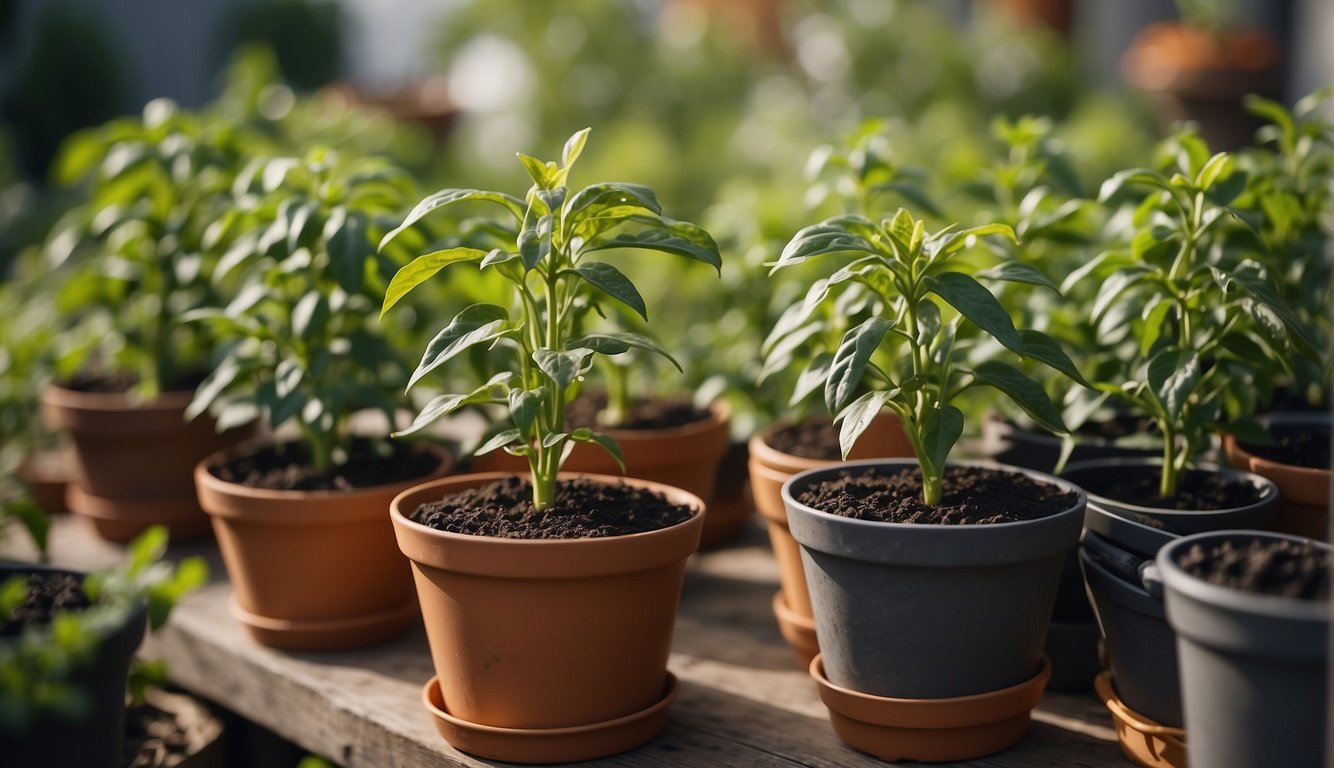
Hardening off pepper plants is a crucial step in ensuring a successful transplant and a bountiful harvest. By gradually exposing the plants to outdoor conditions, we can build resilience and develop vigorous plants with sturdy stems.
It is important to start the hardening off process when the plants are mature enough and have reached a certain growth stage. This will help them adjust better to the outdoor environment and withstand the changes in temperature, wind, and sunlight.
During the hardening off process, it is essential to keep a close eye on the plants and provide them with adequate care. This includes watering them regularly and protecting them from pests and diseases.
By following the steps outlined in this article and using the tips and tricks from reliable sources such as PepperGeek and The Garden Fixes, we can ensure a successful transition for our pepper plants and a bountiful harvest.
Don’t forget to add theherbprof.com to your favourites so you don’t miss out on future articles!
References – Hardening Off Pepper Plants: Preparing Plants for Outdoors
Little Herb Encyclopedia, by Jack Ritchason; N.D., Woodland Publishing Incorporated, 1995
The Ultimate Healing System, Course Manual, Copyright 1985, Don Lepore
Planetary Herbology, Michael Tierra, C.A., N.D., Lotus Press, 1988
Handbook of Medicinal Herbs, by James A. Duke, Pub. CRP Second Edition 2007
The Complete Medicinal Herbal, by Penelope Ody, Published by Dorling Kindersley
Check the Following Articles
Pepper Plants Not Growing: Possible Causes and Solutions
Tomato Plants Have No Blooms? Here’s How to Fix It Fast
Effective Natural Rabbit Deterrents for Plant Protection
Frequently Asked Questions – Hardening Off Pepper Plants: Preparing Plants for Outdoors
What is the process for hardening off pepper seedlings before transplanting outdoors?
The process of hardening off pepper seedlings involves gradually exposing them to outdoor conditions over a period of several days or weeks. This process acclimates the plants to the sun, wind, and temperature changes, ensuring their successful transition from an indoor to an outdoor environment. The plants should initially be placed in a shady spot for a short period of time and gradually exposed to direct sunlight for longer periods each day.
How long should the hardening-off period last for young pepper plants?
The length of the hardening off period for young pepper plants can vary depending on the specific climate and growing conditions. Generally, it is recommended to start the hardening off process 2-4 weeks prior to moving the peppers outside permanently. The duration of the hardening off period should be increased gradually over time, with the plants being exposed to outdoor conditions for longer periods each day.
What are the signs that pepper plants are ready to be transplanted outdoors after hardening?
Pepper plants are ready to be transplanted outdoors after they have been successfully hardened off and have adapted to outdoor conditions. Signs that the plants are ready for transplanting include strong stems, healthy leaves, and the absence of any signs of stress or damage. It is also important to ensure that the weather conditions are suitable for transplanting, with temperatures above freezing and no risk of frost.
Can pepper plants be hardened off indoors, and if so, how?
While it is possible to harden off pepper plants indoors, it is generally recommended to do so outdoors. However, if outdoor conditions are not suitable, the plants can be gradually exposed to outdoor conditions indoors by placing them near a window or under grow lights. The process should be similar to hardening off outdoors, with the plants being exposed to direct sunlight for longer periods each day.
What is the ideal way to transition pepper plants from indoor to outdoor conditions?
The ideal way to transition pepper plants from indoor to outdoor conditions is to gradually expose them to outdoor conditions over a period of several days or weeks. This can be done by placing the plants in a shady spot for a short period of time and gradually increasing their exposure to direct sunlight over time. It is also important to ensure that the plants are well-watered and protected from strong winds and other environmental stressors.
Are there any shortcuts to speed up the hardening-off process for pepper plants?
While there are no shortcuts to speed up the hardening-off process for pepper plants, there are a few tips that can help ensure a successful transition. These include starting the hardening off process early, providing adequate water and nutrients, protecting the plants from strong winds and other environmental stressors, and gradually increasing their exposure to direct sunlight over time.