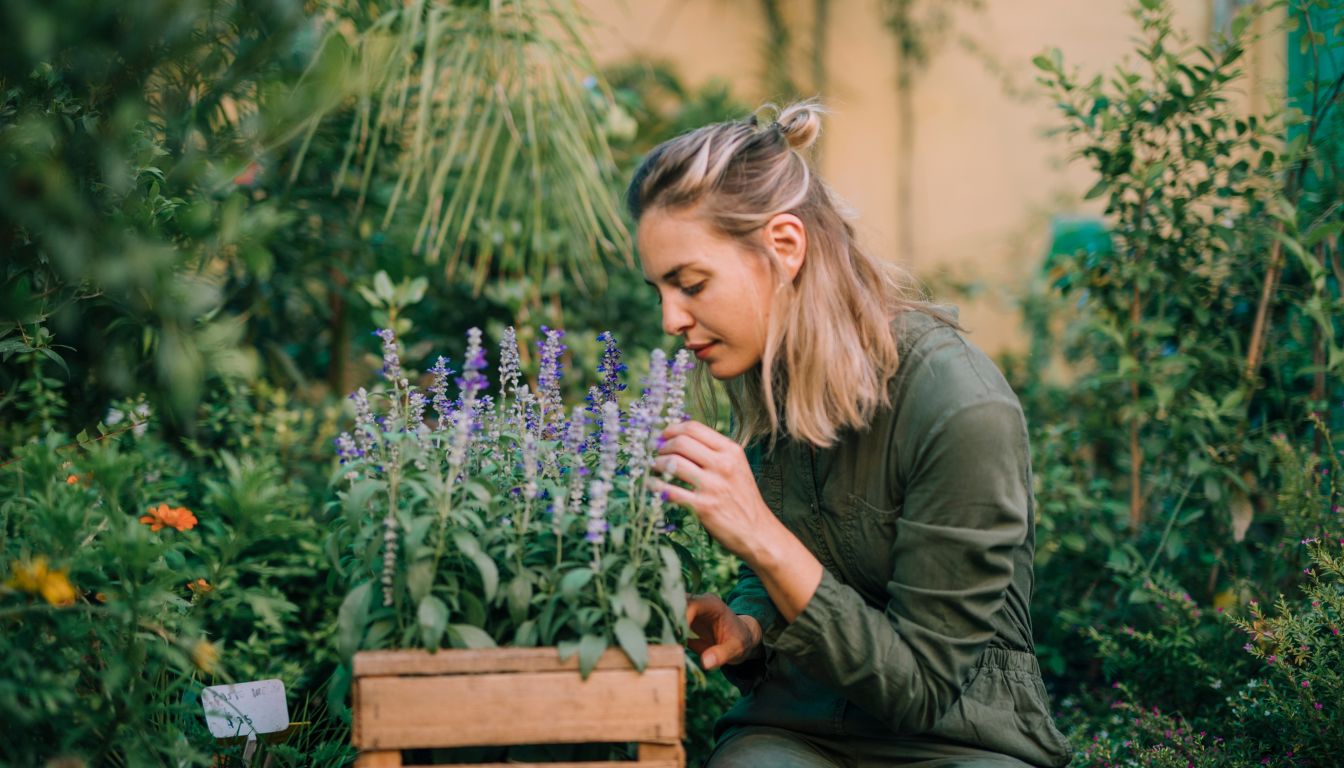
In today’s fast-paced world, emotional ups and downs can feel overwhelming. I’ve often found myself searching for natural ways to regain balance and calm my mind. That’s where the power of herbs comes in. Certain herbs have been used for centuries to support emotional regulation, helping to ease anxiety, lift moods, and promote overall well-being.
Imagine having a natural toolkit at your disposal to help you navigate life’s challenges. From soothing chamomile to uplifting lemon balm, these herbs not only taste great but also offer remarkable benefits. Join me as I explore some of the most effective herbs that can help you find your emotional equilibrium and enhance your mental resilience. Your journey to a more balanced emotional state starts here.
Understanding Emotional Regulation
Emotional regulation refers to how people manage their feelings. It includes recognizing emotions, deciding how to respond, and balancing emotional states. People often experience emotions like joy, anger, sadness, and anxiety. Effective regulation helps navigate daily challenges.
I’d say it’s like tuning a musical instrument. Sometimes, feelings get out of whack and need adjustment to create harmony. This balance enhances well-being and improves decision-making abilities.
Various factors impact emotional regulation, including stress levels, environment, and mental health conditions. Challenges in managing emotions can lead to overwhelming situations. Herbal remedies offer natural support that may aid in regulating these ups and downs.
Using herbs like chamomile and lemon balm can be beneficial. Chamomile works to calm nerves, while lemon balm uplifts mood. These herbs may promote relaxation and clarity when anxiety strikes.
Practicing emotional regulation often involves self-awareness and coping strategies. Individuals can benefit from identifying triggers and developing healthy responses. Incorporating herbs into daily routines adds a natural layer of support.
Overview of Herbs
Herbal remedies harness the gentle power of plants to help you navigate stress, stabilize mood swings, and support restful sleep. By incorporating specific botanicals into teas, capsules, or aromatherapy, you can create a personalized toolkit for daily emotional resilience.
Key Benefits of Herbal Remedies
- Anxiety Reduction: Calming herbs soothe a busy mind and ease tension.
- Mood Enhancement: Uplifting botanicals brighten outlooks on challenging days.
- Stress Resilience: Adaptogens fortify your body’s response to life’s pressures.
- Sleep Support: Natural sedatives promote deeper, more restorative rest.
- Emotional Balance: A consistent herbal routine fosters long-term calmness and clarity.
Safety and Quality – Herbs to Support Emotional Regulation for a Healthier Mind
- Source thoughtfully. Choose organic or ethically wild-harvested herbs from reputable suppliers to avoid pesticides and adulteration.
- Mind interactions. Some herbs can reduce the effectiveness of certain medications; always consult a healthcare professional if you’re on prescription drugs.
- Start low, go slow. Introduce one herb at a time, beginning with the lowest effective dose, to observe how your body and mind respond.
Common Herbs Used for Emotional Support
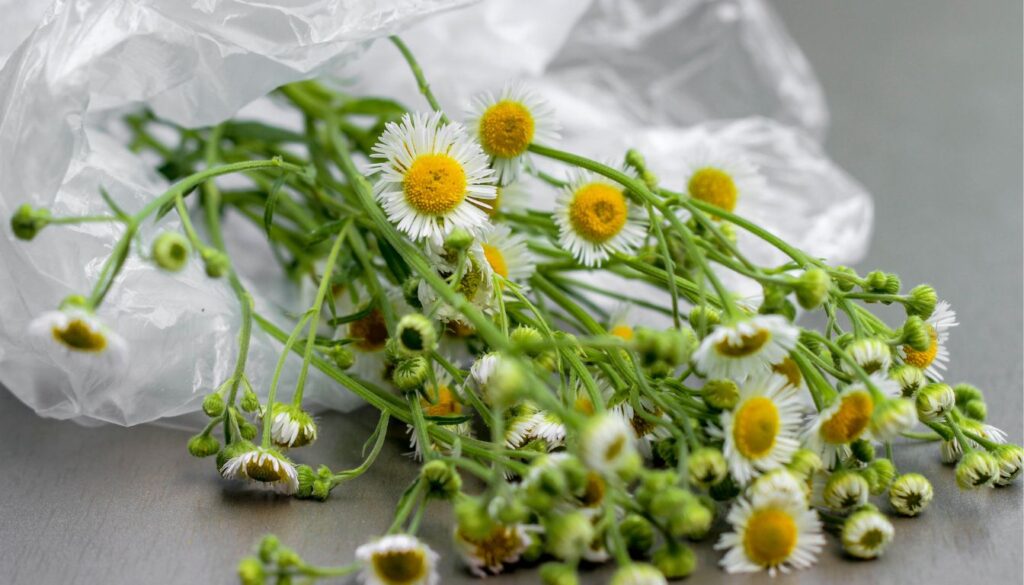
Several herbs have earned a reputation for their emotional support qualities. These herbs can easily fit into my daily routine. I enjoy using them in teas, supplements, or essential oils. They serve as handy allies in navigating everyday emotional ups and downs. Let’s dive into some specific herbs that can help manage stress and lift mood.
Chamomile
Chamomile is a favorite of many. Known for its calming effects, chamomile tea can soothe nerves and promote relaxation. I often enjoy a cup before bed, as it helps me wind down after a long day. Research shows chamomile reduces anxiety, making it a reliable herb for emotional balance.
Lavender
Lavender isn’t just for nice smells; it’s a powerful emotional ally. The scent of lavender can promote calm and reduce feelings of stress. I sometimes use lavender essential oil in a diffuser to create a peaceful environment. Studies have even shown that lavender can lessen anxiety and improve sleep quality.
Ashwagandha – Herbs to Support Emotional Regulation for a Healthier Mind
Ashwagandha has been gaining popularity, and for good reason. This herb helps reduce stress and anxiety levels. I find it particularly useful during busy weeks. Taking ashwagandha can help keep my mood stable and my focus sharp.
St. John’s Wort
St. John’s Wort stands out for its mood-boosting properties. This herb can help alleviate symptoms of mild depression. I’ve seen friends benefit from it. It’s wise to consult a healthcare professional before starting, as it can interact with medications.
Passionflower
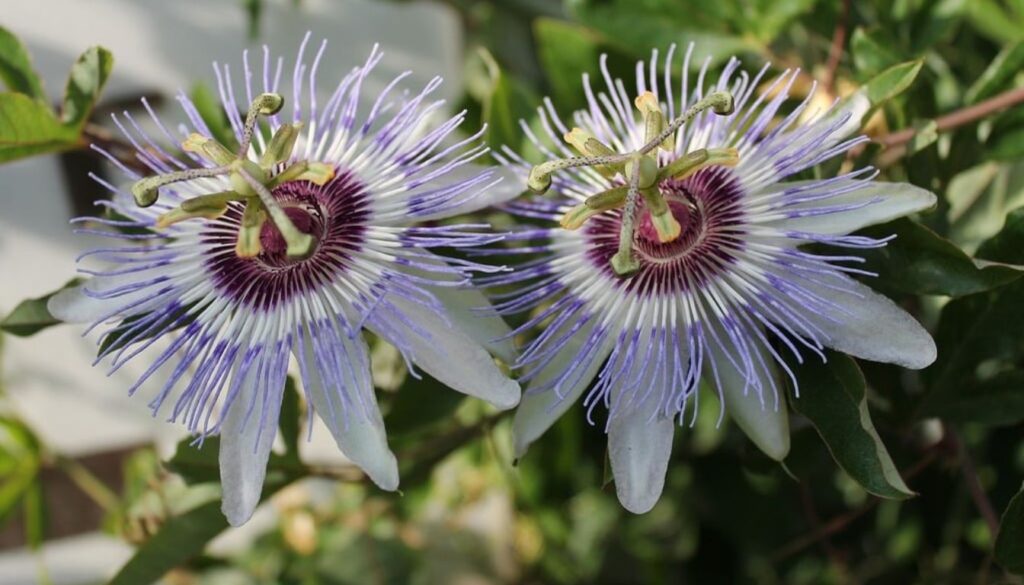
Passionflower is another gem for emotional support. It can reduce anxiety and improve sleep, much like chamomile and lavender. I love brewing a warm cup of passionflower tea when I feel overwhelmed. Its soothing qualities make it a delightful nighttime ritual.
Incorporating these herbs into my routine has provided a natural way to support emotional well-being. Each herb offers unique benefits, making it easier to find what works best for my needs.
How to Incorporate Herbs into Your Routine
Adding herbs to your daily life can boost emotional balance and promote well-being. These natural wonders can easily fit into your routine.
Herbal Teas
I love starting my morning with a cup of chamomile tea. It calms my mind and gives me a gentle start to the day. Many herbal teas are available, each with unique benefits. For a mood lift, I often brew St. John’s wort tea. Lemon balm tea helps me unwind before bed. Grab a few of your favorite herbs, steep them in hot water, and sip your way to serenity.
Supplements – Herbs to Support Emotional Regulation for a Healthier Mind
Supplements offer a convenient way to harness the power of herbs without the fuss of brewing. Ashwagandha capsules are my go-to for managing stress. They pack a punch in a small pill. I also keep valerian root supplements on hand to promote better sleep. Always check with a healthcare provider before trying new supplements. Partnering with a professional ensures safety and effectiveness.
Cooking with Herbs
Cooking with herbs adds flavor and health benefits to meals. I sprinkle fresh basil on my pasta to brighten up the dish. Adding lavender to baked goods offers a delightful twist. Stir in some chopped rosemary into roasted veggies for an aromatic experience. Seasoning meals with these herbs not only tastes great but also supports emotional well-being. Get adventurous in the kitchen, and enjoy creative ways to use these herbs.
By blending herbs into teas, supplements, and meals, I find it easy to support my emotional health. A little creativity goes a long way in making these herbs a regular part of my life.
Before You Go – Herbs to Support Emotional Regulation for a Healthier Mind
Integrating herbs into my daily routine has been a game-changer for emotional regulation. I’ve found that something as simple as a cup of chamomile tea can set a calming tone for my day. Using herbs like ashwagandha and St. John’s wort not only helps me manage stress but also lifts my mood when I need it most.
By exploring these natural remedies, I can take proactive steps toward better emotional balance. It’s all about finding what works for me and making these herbs a consistent part of my life. With a little creativity and mindfulness, I can nurture my emotional well-being and enhance my overall resilience.
Don’t forget to add theherbprof.com homepage to your favourites so you don’t miss out on future articles.
References – Herbs to Support Emotional Regulation for a Healthier Mind
Little Herb Encyclopedia, by Jack Ritchason; N.D., Woodland Publishing Incorporated, 1995
The Ultimate Healing System, Course Manual, Copyright 1985, Don Lepore
Planetary Herbology, Michael Tierra, C.A., N.D., Lotus Press, 1988
Handbook of Medicinal Herbs, by James A. Duke, Pub. CRP Second Edition 2007
The Complete Medicinal Herbal, by Penelope Ody, Published by Dorling Kindersley
Check the Following Article
Native American Herbal Plants: Practices for Modern Life
Herbal Detox Baths: The Best Soaks for Deep Relaxation
Ceylon vs. Cassia: The Healthier, Tastier Cinnamon Choice
Natural Antimicrobials Oils Compared: Oregano vs. Garlic
Frequently Asked Questions – Herbs to Support Emotional Regulation for a Healthier Mind
What are the main challenges of emotional regulation in today’s world?
Managing emotional ups and downs can be difficult due to fast-paced lifestyles, stress, and mental health factors. Recognizing and controlling emotions is essential for making better decisions and maintaining overall well-being.
How can herbs help with emotional regulation?
Herbs like chamomile and lemon balm can provide natural support for emotional management. They help alleviate anxiety, improve mood, and promote relaxation, making them valuable tools for enhancing emotional balance.
Which herbs are most effective for emotional support?
Key herbs for emotional support include chamomile, lemon balm, St. John’s wort, ashwagandha, and valerian root. Each has unique benefits like reducing anxiety, boosting mood, and relieving stress.
How can I incorporate herbs into my daily routine?
You can easily incorporate herbs by drinking herbal teas like chamomile in the morning, taking supplements like ashwagandha for stress, or cooking with herbs like basil and lavender in your meals.
Are there any side effects to using herbal supplements?
While many herbs are generally safe, it’s important to consult a healthcare provider before trying new supplements. Some herbs can interact with medications or cause side effects in certain individuals.
Can emotional regulation improve my decision-making?
Yes, better emotional regulation helps you recognize and manage feelings, leading to clearer thinking and improved decision-making. This awareness allows you to respond thoughtfully to situations rather than react impulsively.
What role does self-awareness play in emotional management?
Self-awareness is crucial for recognizing your emotional states, identifying triggers, and developing healthy coping strategies. It enables you to make informed choices about how to respond to your feelings and improve your mental health.