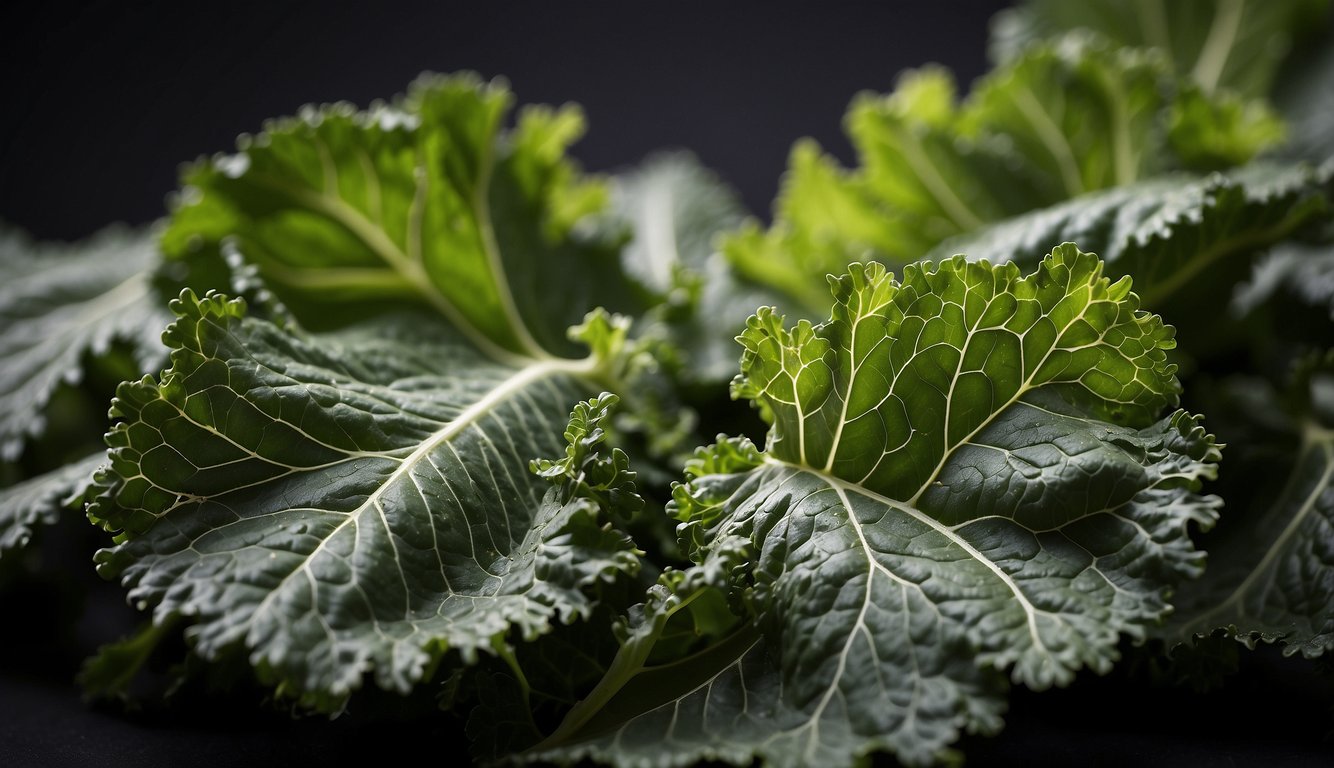
How Big is a Kale Leaf? Kale is a popular leafy green often used in salads, smoothies, and healthy dishes. Whether you’re a kale enthusiast or new to this superfood, you might wonder about the size of a kale leaf. As someone who has grown and cooked with kale for years, I can confidently say that the size of a kale leaf varies depending on the variety and growth conditions.
Generally speaking, kale leaves can range in size from small to large, with some varieties producing leaves that are up to 2 feet long. The leaves are typically flat, with a slightly wrinkled texture and a dark green color. When harvested at the right time, kale leaves are tender and flavorful, making them a versatile ingredient in a wide range of recipes. In the following sections, I’ll provide more information about the different types of kale leaves and how to use them in your cooking.
Understanding Kale
As a vegetable, kale is a member of the Brassica oleracea family, which also includes broccoli, cauliflower, and Brussels sprouts. Kale is a leafy green vegetable that comes in a variety of shapes and colors. It is a cool-season crop that can be grown in both spring and fall.
Botanical Profile
Kale leaves can range in size from small to large, with the largest leaves reaching up to 2 feet in length. The leaves can be curly or flat-leafed, and the color can range from dark green to purple or even red. Kale is a hardy plant that can withstand frost and cold temperatures, making it a popular crop in colder climates.
Kale Varieties
There are many different varieties of kale, each with its unique characteristics. Some of the most popular varieties include:
- Lacinato: Also known as dinosaur kale, this variety has long, narrow leaves that are dark green and bumpy.
- Red Russian: This variety has flat, frilly leaves that are a purplish-red color.
- Siberian: This variety has flat, blue-green leaves that are tender and sweet.
- Tuscan: Also known as black kale or Italian kale, this variety has long, narrow, dark green leaves that are slightly curled at the edges.
- Redbor: This variety has curly leaves that are a deep purple-red color.
- Winterbor: This variety has curly leaves that are a bright green color.
- Ornamental kale: This variety is grown for its colorful leaves, which can be white, pink, or purple.
Each variety of kale has its unique flavor and texture, making it a versatile vegetable that can be used in a variety of different dishes.
Cultivation Details
Planting Kale
When planting kale, it is important to choose a location that receives full sun or partial shade. Kale prefers well-drained soil with a pH between 6.0 and 7.0. If the soil is too acidic, add lime to raise the pH. If the soil is too alkaline, add sulfur to lower the pH.
Kale can be planted directly from seeds or seedlings. If planting from seeds, sow them 1/2 inch deep and 12-18 inches apart. If planting seedlings, transplant them when they are 3-4 inches tall and have at least two sets of leaves.
Growing Conditions
Kale requires consistent moisture, especially during germination and shortly after. Seeds will not germinate if they dry out. However, kale seedlings should never sit in overly soggy soil, or they may fall victim to damping off.
Kale is a cool-season crop that grows best in spring and fall, tolerating frost and even snow. In hot weather, kale may bolt or become bitter. To prevent this, provide shade and consistent moisture.
Harvesting Kale
Kale is a cut-and-come-again crop, so harvesting can begin when the leaves have reached the desired size, usually about 8 inches long. If growing for baby greens, harvest sooner than full-size leaves.
To harvest kale, use a sharp knife or scissors to cut the leaves off the plant, leaving the central stem intact. This will allow the plant to continue producing new leaves.
Mulching around the base of the plant can help retain moisture and prevent weeds. Watch for signs of disease, such as yellowing leaves or black spots, and remove any affected leaves promptly to prevent the spread of disease.
Overall, kale is a relatively easy crop to grow and care for. With proper planting, growing conditions, and harvesting techniques, you can enjoy a bountiful harvest of delicious and nutritious kale leaves.
Kale’s Growth Characteristics – How Big is a Kale Leaf?

Kale is a hardy, cold-weather crop that is known for its tender and nutritious leaves. In this section, I will discuss the growth characteristics of kale, including leaf size and texture, color variations, and weather tolerance.
Leaf Size and Texture – How Big is a Kale Leaf?
Kale leaves can vary in size depending on the variety and growing conditions. Generally, kale leaves can range from 2 to 10 inches in length and 1 to 6 inches in width. The leaves can be flat or curly, and the texture can range from tender to tough. The texture of the leaves can also change as the plant matures, with younger leaves being more tender and older leaves being tougher.
Color Variations
Kale leaves can come in a variety of colors, including green, red, and purple. The color of the leaves can also change depending on the weather conditions. For example, kale leaves may turn a deeper shade of purple in colder weather. Some kale varieties are also grown for their ornamental value, such as the Redbor kale, which has deep purple leaves that can add a pop of color to any garden.
Weather Tolerance
Kale is a hardy crop that can tolerate cold weather and frost. In fact, kale can become sweeter after being exposed to frost. However, kale can also be sensitive to hot weather and may bolt or become bitter if exposed to high temperatures for too long. Kale is also known for its ability to grow in tough climates and can be grown in a variety of soil textures.
Kale is a versatile crop that can be grown in a variety of climates and soil textures. Its leaves can range in size and texture, and come in a variety of colors. Kale is also a hardy crop that can tolerate cold weather and frost, but may struggle in hot weather conditions.
Nutritional and Culinary Aspects – How Big is a Kale Leaf?
Health Benefits
Kale is a highly nutritious leafy green vegetable that is packed with vitamins, minerals, and antioxidants. It is a great source of vitamin C, vitamin K, vitamin A, calcium, and iron. Kale is also rich in fiber, which helps to promote healthy digestion and prevent constipation. It is low in calories and carbohydrates, making it an excellent choice for people who are trying to lose weight or manage their blood sugar levels.
Flavor Profiles – How Big is a Kale Leaf?
Kale has a mild, slightly bitter taste that can be enjoyed in a variety of dishes. It is often used in salads, soups, and stews, as well as in smoothies and juices. When cooked, kale becomes tender and takes on a sweeter flavor. The flavor of kale can be enhanced by adding spices, herbs, or other ingredients. For example, garlic, ginger, and lemon juice can all help to bring out the flavor of kale.
Cooking with Kale
Kale is a versatile vegetable that can be cooked in many different ways. It can be sautéed, steamed, roasted, or boiled. When cooking kale, it is important not to overcook it, as this can cause it to lose its flavor and nutrients. To cook kale, simply wash it thoroughly, remove the tough stems, and chop it into bite-sized pieces. Then, add it to your favorite recipe and enjoy!
Kale is a great addition to salads, as it is dense and holds up well to other ingredients. It can also be used as a substitute for spinach or other leafy greens in recipes. When making kale salad, it is important to massage the leaves with a bit of olive oil and salt, as this helps to soften the leaves and make them more tender.
Kale is a nutritious and flavorful leafy green vegetable that is versatile and easy to cook with. It can be enjoyed in a variety of dishes, from salads to soups to smoothies. Whether you are looking to improve your health or simply enjoy a delicious and nutritious meal, kale is a great choice.
Preservation and Storage – How Big is a Kale Leaf?
Storing Fresh Kale – How Big is a Kale Leaf?
When it comes to storing fresh kale, it is essential to keep in mind that it is a leafy green vegetable that requires proper handling to maintain its freshness. The first step to storing fresh kale is to remove any rubber bands or ties around the stems. These ties can cause the leaves to become bruised and damaged, which can lead to spoilage.
Once the ties are removed, I recommend washing the kale leaves thoroughly under running water to remove any dirt or debris. After washing, shake off any excess water and pat the leaves dry with a clean towel or paper towel.
To store fresh kale, I suggest wrapping the leaves in a layer of paper towels and placing them in a plastic bag or container. Make sure to leave some room for air to circulate inside the container. This will help prevent excess moisture from building up, which can cause the kale leaves to wilt and spoil.
Extending Shelf Life
If you want to extend the shelf life of your fresh kale, there are a few things you can do. First, try to store the kale in the coldest part of your refrigerator, which is usually the back of the bottom shelf. This will help keep the kale fresh for up to a week.
Another way to extend the shelf life of kale is to remove the tough stems before storing. The stems can be quite fibrous and can cause the leaves to wilt faster. Simply run a sharp knife along the stem to remove the leaves, and discard the stems.
Finally, it is essential to store kale in a well-drained container to prevent moisture buildup. Excess moisture can cause the leaves to become slimy and spoil quickly. Therefore, I suggest using a container with holes or a colander to allow excess moisture to drain away.
By following these simple tips, you can ensure that your kale stays fresh and delicious for as long as possible.
Kale in the Home Garden – How Big is a Kale Leaf?

As a home gardener, you can grow kale to ensure a steady supply of fresh and nutritious greens. Kale thrives as a cool‑season crop and grows well in containers or directly in the ground. In this section, I will share tips for growing kale in the home garden.
Container Gardening – How Big is a Kale Leaf?
You can grow kale in containers, making it an excellent option for small spaces. Choose a container at least 12 inches deep and 12 inches wide to give the roots enough room. Use a high‑quality potting mix rich in organic matter to support healthy growth.
Soil and Fertilization
Kale prefers well-draining soil that is rich in organic matter. Before planting kale, it is a good idea to amend the soil with compost or well-rotted manure. This will help to improve the soil structure and provide the necessary nutrients for healthy plant growth. Kale is a heavy feeder, so it is important to fertilize regularly with a balanced fertilizer.
Pest and Disease Management
Kale is generally a hardy plant that is resistant to pests and diseases. However, there are a few pests and diseases that can affect kale, such as aphids, cabbage worms, and black rot. To prevent these pests and diseases, it is important to keep the garden clean and free of debris. Mulching around the plants can also help to prevent soil-borne diseases.
Growing kale in the home garden is a great way to enjoy fresh and nutritious greens. By following these tips on container gardening, soil and fertilization, and pest and disease management, you can ensure a healthy and productive kale harvest.
Propagation and Breeding – How Big is a Kale Leaf?
Seed Propagation – How Big is a Kale Leaf?
Kale is a biennial plant and grows well in cool temperatures. It belongs to the Brassica family, which includes other vegetables such as broccoli, cauliflower, and cabbage. To start growing kale, you can either plant seeds directly in the ground or start them indoors.
If you choose to start them indoors, you can begin the process about six weeks before the last expected frost date. Sow the seeds in a seed-starting mix and keep them moist until they germinate. Once they have germinated, you can transplant them outside when they are about 6 inches tall.
Heirloom and Hybrid Varieties
Gardeners can choose from many kale varieties, including heirloom and hybrid types. Heirloom varieties, passed down through generations, are open‑pollinated and often deliver more flavor and unique traits. Hybrid varieties result from crossing two different types and provide specific benefits such as disease resistance, higher yield, or improved flavor.
Breeding kale presents challenges because its flowers rarely attract pollinators. Kale primarily self‑pollinates, which makes creating new varieties through traditional methods difficult. Even so, some breeders continue to develop new kale varieties.
Kale remains a versatile and nutritious vegetable that grows well from seeds indoors or outdoors. With heirloom and hybrid options available, gardeners can select varieties that suit their needs. Although breeding kale can be difficult, opportunities still exist to create new and exciting varieties.
Alternative Uses – How Big is a Kale Leaf?
Kale serves not only as a superfood but also as an ornamental plant and a companion in gardening. Here are some alternative uses of kale:
Kale as Ornamental Plant – How Big is a Kale Leaf?
Gardeners grow ornamental kale, also called flowering kale, for its colorful leaves. Ornamental kale displays shades of pink, white, and purple, adding vibrant color to gardens and landscapes. Many people also use it for fall and winter decorations.
Kale in Companion Planting
Kale works as an excellent companion plant for many herbs and flowers. When planted with basil, oregano, and thyme, kale helps repel pests and attract beneficial insects. Gardeners also pair kale with marigolds and nasturtiums, which repel pests and draw pollinators.
When you plant kale as a companion, choose varieties that match the other plants in your garden. Curly kale pairs well with herbs such as basil and oregano, while dinosaur kale fits better with flowers such as marigolds and nasturtiums.
Overall, kale offers versatility as both food and decoration. You can enjoy it as a nutritious crop or use it to add color to your garden. By exploring these alternative uses, you make the most of this remarkable plant and everything it provides.
Before You Go – How Big is a Kale Leaf?

Kale leaves may vary in size depending on the variety, growing conditions, and harvest time, but whether you’re working with tender baby kale or large, mature leaves, understanding their dimensions helps you plan recipes, garden layouts, and harvest strategies more effectively.
Before you head back to the garden or kitchen, remember that bigger isn’t always better. While large kale leaves offer volume, smaller ones often deliver sweeter flavor and softer texture. By observing your plants and choosing the right leaf size for your needs, you’ll make the most of this nutrient-packed green in every dish or growing season.
Don’t forget to add theherbprof.com homepage to your favourites so you don’t miss out on future articles!
References – How Big is a Kale Leaf?
Little Herb Encyclopedia, by Jack Ritchason; N.D., Woodland Publishing Incorporated, 1995
The Ultimate Healing System, Course Manual, Copyright 1985, Don Lepore
Planetary Herbology, Michael Tierra, C.A., N.D., Lotus Press, 1988
Handbook of Medicinal Herbs, by James A. Duke, Pub. CRP Second Edition 2007
The Complete Medicinal Herbal, by Penelope Ody, Published by Dorling Kindersley
Check the Following Articles
How Many Types of Tomatoes Are There in the World?
Organic Rooting Hormones: Easy Tips for Stronger Roots
Best Food for Tomatoes: Boosting Growth and Flavor
Frequently Asked Questions – How Big is a Kale Leaf?
What is the average size of a kale leaf in inches?
Kale leaf size varies with the variety and stage of growth. On average, a mature kale leaf grows up to 10 inches long and 4–5 inches wide. Baby kale leaves stay smaller and reach only 2–3 inches before harvest.
How much does one kale leaf weigh in grams?
Kale leaf weight changes with size and variety. On average, a single leaf weighs between 20 and 30 grams. Baby kale leaves weigh as little as 5 grams.
How many cups are equivalent to one kale leaf?
The number of cups depends on preparation and measurement. When chopped, one cup equals about 1–2 leaves. When cooked, one cup equals about 2–3 leaves.
What is the standard measurement for a bunch of kale in cups?
A bunch of kale usually provides about 4–6 cups of chopped leaves. The exact amount changes with bunch size and leaf size.
How many leaves does a typical bunch of kale contain?
A typical bunch contains 6–12 leaves, depending on the leaf size and the kale variety.
What are the defining characteristics of a kale leaf?
Kale leaves usually appear dark green and taste slightly bitter. They grow flat with ruffled or curly edges. The leaves feel textured and sometimes slightly fuzzy to the touch.