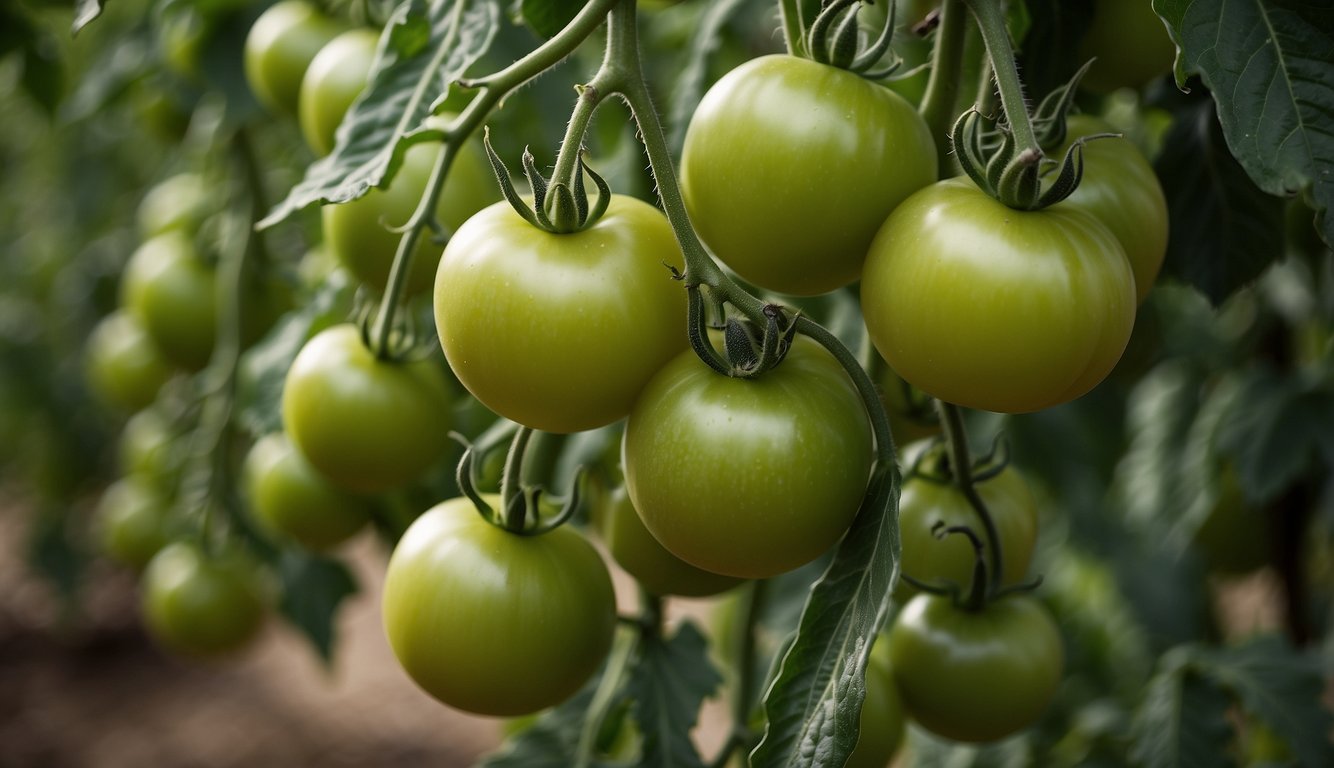
I’ve been growing tomatoes in my garden for years, and I know how frustrating it can be to have a lot of tomatoes, but none of them are ripening. There are several reasons why tomatoes may not ripen, including weather conditions, plant health, and the end of the growing season. Tomatoes require specific temperature ranges to ripen properly. If the temperature is too hot or too cold, the tomatoes may not ripen.
Additionally, if the plant is not healthy, it may not have the energy to ripen the tomatoes. Diseases, pests, and nutrient deficiencies can all affect the health of the plant. Finally, at the end of the growing season, the plant may stop producing new fruit and focus on ripening the existing fruit.
If you are experiencing a lot of tomatoes but none of them are ripening, it can be frustrating. However, by understanding the reasons why tomatoes may not ripen, you can take steps to help them along. In the following sections, I will explore each of these reasons in more detail and provide tips for getting your tomatoes to ripen.
Understanding Tomato Ripening – Lots of Tomatoes but Not Ripening
As someone who has grown tomatoes, I know how frustrating it is to see lots of tomatoes on the vine but not ripening. Understanding the ripening process is key to getting those tomatoes to turn red.
Ripening Process
Tomato ripening is a complex process that involves changes in color, texture, and flavor. The ripening process is controlled by a hormone called ethylene, which is naturally produced by the tomato plant.
Role of Ethylene in Ripening
Ethylene is a gaseous hormone that triggers the ripening process in tomatoes. Once a tomato starts to ripen, it produces more ethylene, which in turn speeds up the ripening process.
This is why placing a ripe tomato next to a green tomato can cause the green tomato to ripen more quickly.
Importance of Temperature
Temperature plays a crucial role in tomato ripening. The ideal temperature range for ripening green tomatoes is between 68 and 77°F.
Tomatoes can still ripen outside that range, but the process will be slower. When temperatures reach over 85°F, the plants won’t produce lycopene and carotene, which are the pigments that give tomatoes their red color.
Factors Affecting Ripening
I have come across several factors that can affect the ripening of tomatoes. In this section, I will discuss some of the most critical factors that can impact the ripening process.
Light and Sunlight Exposure
Tomatoes need sunlight to ripen. Lack of sunlight exposure can lead to slow ripening or no ripening at all. If your tomato plants are planted in a shady area, they may not receive enough sunlight to ripen. To ensure adequate sunlight exposure, I recommend planting your tomato plants in an area that receives at least six hours of direct sunlight daily.
Soil Quality and Nutrition
The quality of soil and the nutrients available in it can also affect the ripening process of tomatoes. Tomatoes require well-draining soil that is rich in nutrients like nitrogen, phosphorus, and potassium. If your soil lacks these nutrients, your tomatoes may not ripen as expected. To ensure your soil has the right nutrients, I recommend using a high-quality fertilizer or compost.
Watering Practices
Overwatering or underwatering your tomato plants can also impact the ripening process. Tomatoes require consistent moisture to ripen correctly. If your plants receive too much water, the fruit may become waterlogged, leading to slow ripening or no ripening at all.
On the other hand, if your plants receive too little water, the fruit may not have enough energy to ripen. To ensure proper watering, I recommend watering your plants deeply once a week.
Weather Conditions
Weather conditions can also impact the ripening process of tomatoes. Temperature fluctuations, high humidity, and extreme weather conditions like frost or heatwaves can all affect the ripening process.
If the temperature is too high, the fruit may not ripen correctly, and if the temperature is too low, the fruit may not ripen at all. To ensure optimal ripening, I recommend keeping an eye on the weather forecast and taking appropriate measures to protect your plants from extreme weather conditions.
Common Issues with Non-Ripening Tomatoes
I know how frustrating it can be when your tomatoes refuse to ripen. In this section, I will discuss the most common issues that can cause non-ripening tomatoes and what you can do to solve them.
Green Tomatoes Staying Green
Green tomatoes that refuse to ripen are a common issue for many gardeners. One reason for this is that the tomatoes may not have received enough sunlight. Tomatoes need plenty of sunlight to ripen properly. If your tomato plants are not getting enough sunlight, try moving them to a sunnier location.
Another reason green tomatoes may not ripen is due to extreme heat. High temperatures can cause the tomatoes to stop ripening and stay green. In this case, try providing shade for your plants, mulching the soil, and ensuring that the soil stays moist.
Tomato Plant Diseases
Tomato plant diseases can also cause non-ripening tomatoes. One common disease that affects tomato plants is blight.
Blight can cause the plant to stop producing fruit and can also cause the fruit to rot before it ripens. To prevent blight, make sure to water your plants at the base and avoid getting the leaves wet. You can also use a fungicide to prevent blight from spreading.
Nutrient Imbalances
Nutrient imbalances can also cause non-ripening tomatoes. Tomatoes require a balanced amount of nitrogen, phosphorus, and potassium to grow and ripen properly. If your soil is lacking in any of these nutrients, your tomatoes may not ripen. To solve this issue, make sure to fertilize your plants with a balanced fertilizer.
Environmental Stress
Environmental stress can also cause non-ripening tomatoes. Cold weather can cause the tomatoes to stop ripening, while hot weather can cause the fruit to stop producing lycopene and carotene, which gives tomatoes their beautiful colors.
To prevent environmental stress, make sure to plant your tomatoes at the right time of year and provide them with the proper care.
Cultivar-Specific Information – Lots of Tomatoes but Not Ripening
As I have mentioned earlier, the ripening time of tomatoes can vary depending on the cultivar. Here is some cultivar-specific information that may help you understand why your tomatoes are not ripening.
Tomato Varieties and Ripening Times – Lots of Tomatoes but Not Ripening
Different tomato varieties have different ripening times. For instance, determinate tomato varieties tend to ripen all at once, while indeterminate varieties ripen over a longer period. Beefsteak tomatoes take longer to ripen than cherry tomatoes.
Therefore, it is essential to know the ripening time of the tomato variety you are growing to estimate when to expect ripe fruits.
Cherry Tomato Characteristics
Cherry tomatoes are smaller than other tomato varieties and, therefore, ripen faster. They are also more tolerant of high temperatures than other tomato types. If you are growing cherry tomatoes and they are not ripening, check the temperature in your garden. They may not ripen if the temperature is too high.
Heirloom vs. Hybrid Varieties
Heirloom tomato varieties are known for their unique flavors and colors. However, they tend to ripen more slowly than hybrid varieties.
Hybrid tomato varieties are bred to have desirable characteristics such as disease resistance and early ripening. Therefore, if you are growing heirloom tomato varieties, you may have to wait longer for them to ripen.
Practical Tips for Ripening Tomatoes – Lots of Tomatoes but Not Ripening
If you’re growing lots of tomatoes but they are not ripening, don’t worry. There are several practical tips you can follow to induce ripeness on the plant, ripen tomatoes off the vine, manage plant growth, and protect them from harsh climates.
Inducing Ripeness on the Plant
Tomatoes need specific conditions to shift from growth to ripening. Ideally, tomatoes require daytime temperatures between 70-85°F (21-29°C) and nighttime temperatures between 59-68°F (15-20°C) to ripen properly. When temperatures soar above 85°F, the ripening process slows down, and the fruit may develop sunscald.
To induce ripeness, you can fertilize the plant with a low-nitrogen fertilizer, such as bone meal or fish emulsion. You can also remove the lower leaves of the plant to expose the fruit to more sunlight. Additionally, you can drape shade cloth over the plant to reduce the temperature and protect the fruit from sunburn.
Ripening Tomatoes Off the Vine – Lots of Tomatoes but Not Ripening
If your tomatoes are not ripening on the vine, you can ripen them off the vine. One method is to place the green fruit in a paper bag with a ripe banana or apple. The fruit will release ethylene gas, which speeds up the ripening process. You can also place the tomatoes in a warm, dark place, such as a pantry or cupboard, to ripen naturally.
Managing Plant Growth
To manage plant growth, you can prune the plant to remove any dead or diseased leaves. This will allow the plant to focus its energy on ripening the fruit. You can also stake or cage the plant to prevent it from sprawling on the ground and to improve air circulation.
Protective Measures Against Climate
If you live in an area with harsh climates, you can protect your plants from extreme heat or cold by covering them with protective fabric, such as row covers or frost blankets. These fabrics will help regulate the temperature and protect the fruit from damage.
Harvesting and Storage – Lots of Tomatoes but Not Ripening

As a tomato plant owner, it can be frustrating to see lots of tomatoes on the vine but not ripening. However, there are ways to harvest and store unripe tomatoes to prevent them from going to waste.
When to Harvest Tomatoes – Lots of Tomatoes but Not Ripening
Tomatoes should be harvested when they are fully ripe. Ripe tomatoes are firm to the touch and have a deep, rich color. If the tomatoes are still green, they are not yet ripe and will not ripen on the vine. To harvest tomatoes, gently twist the fruit from the vine or use a pair of pruning shears to cut the stem. Be careful not to damage the plant or the fruit.
Storing Unripe Tomatoes
If you have harvested green tomatoes that have not yet ripened, you can store them in a cool, dry place to ripen indoors. The ideal temperature range for ripening green tomatoes is between 68 and 77°F.
You can place them in a paper bag or a cardboard box and store them in a basement or a closet. To speed up the ripening process, you can add a ripe apple or banana to the bag or box. These fruits produce ethylene gas, which helps to ripen the tomatoes faster.
Extending the Shelf Life of Ripe Tomatoes
Once your tomatoes have ripened, you can store them in the refrigerator to extend their shelf life. Ripe tomatoes should be stored in a plastic bag or a container to prevent them from drying out.
However, keep in mind that refrigerating tomatoes can affect their flavor and texture. It is best to use ripe tomatoes within a few days of harvesting to enjoy their full flavor and nutritional benefits.
Nutritional and Culinary Aspects – Lots of Tomatoes but Not Ripening
Health Benefits of Ripe Tomatoes
As a ripe tomato is a good source of vitamins and minerals, it is a popular ingredient in many healthy diets. Ripe tomatoes are known to contain high levels of lycopene, an antioxidant that can help protect against certain types of cancer and other diseases. Lycopene is also responsible for the red color of ripe tomatoes.
Additionally, ripe tomatoes are rich in vitamin C and potassium, which can help boost the immune system and maintain healthy blood pressure.
Cooking with Unripe Tomatoes – Lots of Tomatoes but Not Ripening
When tomatoes are not ripening, it can be tempting to use them in cooking while they are still green. While unripe tomatoes may not have the same nutritional value as ripe ones, they can still be used in a variety of dishes.
Green tomatoes are often used in fried dishes, such as fried green tomatoes, as well as in chutneys and relishes. They can also be pickled or used in salsa.
When cooking with unripe tomatoes, it is important to note that they are not as sweet as ripe tomatoes. To balance out the flavor, it may be necessary to add sugar or other sweeteners to the dish.
Additionally, unripe tomatoes are higher in acidity than ripe ones, which can affect the flavor of the dish. To counteract this, it may be necessary to add a small amount of baking soda to the dish to neutralize the acidity.
Before You Go – Lots of Tomatoes but Not Ripening

Tomatoes often test a gardener’s patience, especially when they stay green longer than expected. Temperature, sunlight, water, and nutrients all play a role in ripening, so keep an eye on these conditions. Prune wisely to let more light reach the fruit, water consistently, and feed your plants with balanced fertilizer to support healthy growth.
If your tomatoes still refuse to ripen on the vine, don’t worry, you can pick them and finish the process indoors. With steady care and a few simple tricks, you’ll turn those stubborn green tomatoes into the vibrant red harvest you’ve been waiting for.
Don’t forget to add theherbprof.com homepage to your favourites so you don’t miss out on future articles!
References – Lots of Tomatoes but Not Ripening
Little Herb Encyclopedia, by Jack Ritchason; N.D., Woodland Publishing Incorporated, 1995
The Ultimate Healing System, Course Manual, Copyright 1985, Don Lepore
Planetary Herbology, Michael Tierra, C.A., N.D., Lotus Press, 1988
Handbook of Medicinal Herbs, by James A. Duke, Pub. CRP Second Edition 2007
The Complete Medicinal Herbal, by Penelope Ody, Published by Dorling Kindersley
Check the Following Articles
Easy Potato Growing: Tips for a Bountiful Harvest
Best Winter Squash: Varieties for Delicious Meals
Jade Tree Propagation: A Comprehensive Guide
Grow Cucumbers Upside Down: A Beginner’s Guide
Frequently Asked Questions – Lots of Tomatoes but Not Ripening
Why are my tomatoes still green and not turning red?
Tomatoes stay green when temperatures fall outside the ideal range. Cool weather slows ripening, while extreme heat can stop it altogether. If your plants don’t get enough sunlight, they also struggle to ripen. Make sure they receive at least six hours of direct sunlight each day.
Can I ripen green tomatoes indoors after picking them?
You can ripen green tomatoes indoors by placing them in a paper bag with an apple or banana. These fruits release ethylene gas, which speeds up ripening. Check the bag daily and remove any tomatoes that show signs of rot.
What causes tomatoes to stay green and not mature?
Tomatoes won’t mature if they lack nutrients, water, or sunlight. Feed your plants with a balanced fertilizer and water them consistently. Ensure they get at least six hours of direct sunlight to support healthy growth and ripening.
How can I accelerate the ripening process of my tomatoes?
Prune your tomato plants to let more sunlight reach the fruit. Cover the plants with plastic or a row cover to trap heat and humidity. You can also pick green tomatoes and place them in a paper bag with an apple or banana to encourage ripening.
Is there a way to ripen tomatoes overnight effectively?
You can’t ripen tomatoes overnight, but you can speed up the process. Pick green tomatoes and place them in a paper bag with an apple or banana. Cover your plants with plastic or a row cover to trap warmth and humidity, which helps ripening move faster.
What should I do with green tomatoes that aren’t ripening on the vine?
Pick green tomatoes that won’t ripen on the vine and ripen them indoors. If they stay firm and green, cook with them instead. Try recipes like fried green tomatoes, green tomato salsa, or green tomato chutney to make the most of your harvest.