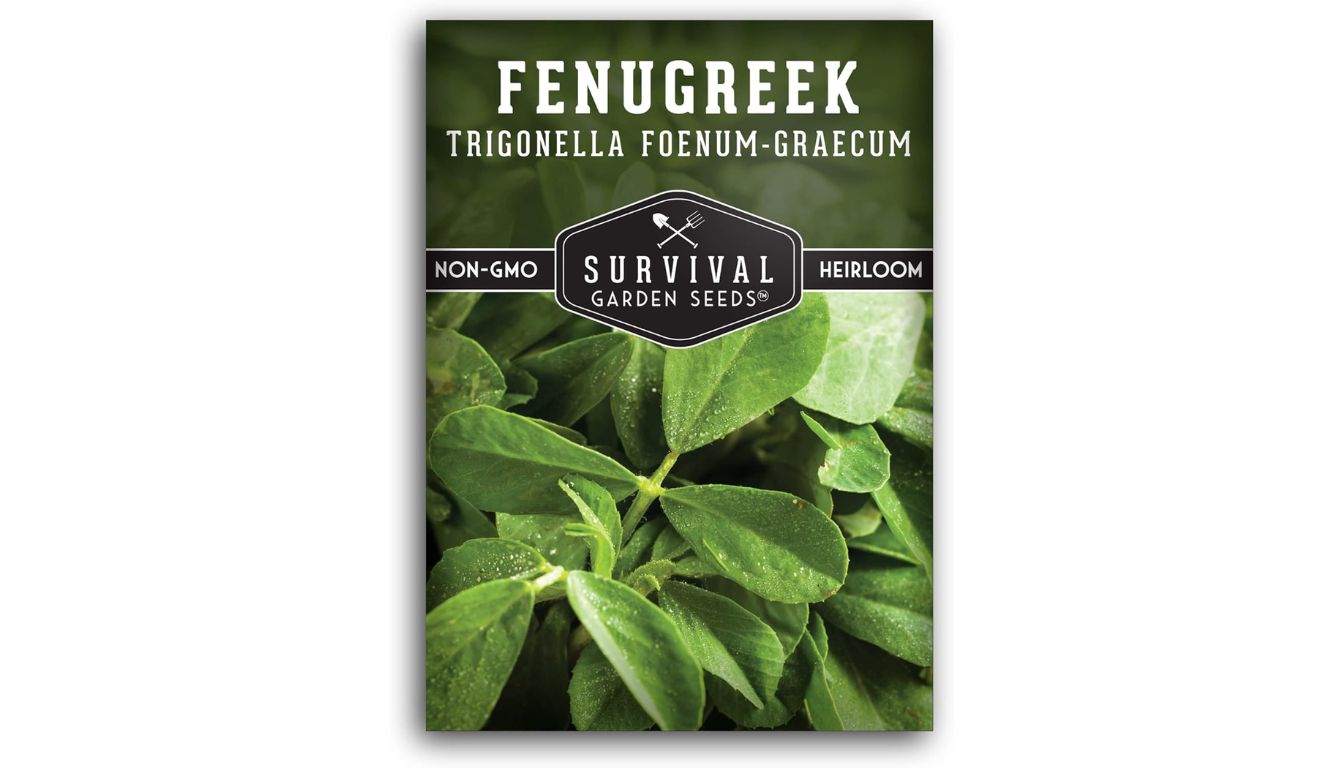
We recently got our hands on these fenugreek seeds from Survival Garden Seeds, and they’ve been a pleasant addition to our indoor growing experiments. Survival Garden Seeds Fenugreek Samudra Methi review reflects how the packet arrives with clear planting instructions, which are helpful if you’re new to growing herbs at home. We found the seeds sprouted quickly and grew into those distinctive three-leafed plants that smell faintly sweet.
The germination rate impressed us. Most of the seeds we planted took off without issue. You can grow these as microgreens, full plants for harvesting leaves, or let them mature to collect your own seeds for cooking.
The seeds work well for multiple purposes. We tried them as sprouts and as young greens, both turning out tasty. The mature seeds do have that maple-like sweetness mentioned in curry recipes, though you’ll need patience to get to that stage.
One drawback is the packet size. It’s modest, so if you want to do multiple plantings or cover a larger area, you might need several packs. The paper packaging is nice but offers no resealability, so you’ll want to transfer unused seeds to an airtight container.
Bottom Line – Survival Garden Seeds Fenugreek Samudra Methi Review
These fenugreek seeds deliver solid performance for home gardeners who want fresh greens or their own spice supply. The non-GMO heirloom quality and reliable germination make them a worthwhile pick for your garden.
Click here and grab your fenugreek seeds to start growing your own methi today.
Overview of 1 Pack Fenugreek Seed for Planting
We recently tried growing these fenugreek seeds in our home garden and found them surprisingly easy to work with. The packet contains non-GMO heirloom seeds that work well for multiple purposes, whether you want full-grown herbs, quick microgreens, or sprouts.
The seeds arrived in a paper packet with clear planting instructions, which we appreciated since fenugreek isn’t the most common herb in American gardens. We noticed the germination rate was solid when we kept the soil moderately watered and placed them in full sun.
What stands out:
- Works in USDA zones 4 through 11
- Seeds serve triple duty as microgreens, sprouts, or mature plants
- Instructions include seed-saving tips
One limitation is that the packet contains just one pack, so you get a modest amount of seeds. The company operates as a small family business, which explains the straightforward packaging. We found the seeds remained viable when stored in a cool, dry spot between plantings.
Grow Your Own Nutritious Samudra Methi – Get Yours Here
Starting these seeds indoors proved remarkably simple, with sprouts appearing within just a few days on our kitchen counter. The package includes clear growing instructions that walk through the entire process from planting to harvest. We appreciated that these are open-pollinated heirloom seeds, which means we can save seeds from our harvest for future plantings.
The young leaves work wonderfully as microgreens in salads and sandwiches. Once the plants matured, we harvested the greens for cooking traditional Indian dishes. The seeds themselves develop a maple-like sweetness that enhances homemade curry blends.
Our main concern was the small packet size, which limits how much we could plant at once. The plants thrived in full sun with moderate watering, growing well in our sandy garden soil.
Versatile Culinary and Medicinal Uses – Survival Garden Seeds Fenugreek Samudra Methi Review
The leaves work beautifully as fresh greens in Indian dishes, delivering a slightly bitter taste that balances rich curries. We found the microgreens particularly convenient for quick meals since they’re ready to harvest within days. The seeds themselves bring a distinctive maple syrup sweetness to spice blends and curry powders once you let the plants fully mature.
Traditional medicine practitioners have relied on fenugreek for centuries, and growing your own means you control the quality of what you consume. We appreciated having both the tender greens and flavorful seeds from a single planting effort. The sprouts add a nutritious punch to salads and sandwiches without much work.
One limitation is that the bitter notes in the leaves might not appeal to everyone’s palate. You’ll need to experiment with cooking methods to find what works best for your taste preferences.
Easy Indoor and Outdoor Cultivation – Get Yours Here
We found these fenugreek seeds incredibly forgiving, whether we planted them in containers on our windowsill or directly in garden beds outside. The seeds germinated quickly without any fussy requirements, making them perfect for both experienced gardeners and complete beginners.
Growing them as microgreens took just days, while the full plants developed into attractive herbs with white flowers and clover-like leaves. We appreciated that the instructions included seed-saving tips, which means we can keep growing fenugreek without buying more packets.
Growing flexibility we tested:
- Indoor containers for quick microgreens
- Outdoor garden beds for full plant growth
- Sprouting methods for immediate use
The versatility impressed us most. We could harvest young leaves as methi greens or let the plants mature to collect seeds for spice blends. No special equipment or greenhouse conditions were needed.
Eco-Friendly and Non-GMO Assurance – Survival Garden Seeds Fenugreek Samudra Methi Review
We appreciated that these seeds come with a clear non-GMO promise. The company states their fenugreek seeds are heirloom and open-pollinated, which means they haven’t been genetically modified and will produce plants true to their parent variety.
The packaging mentions the seeds are untreated, so no chemical coatings are applied before you plant them. This matters if you want to grow organic produce in your garden or plan to eat the sprouts and microgreens raw.
The brand positions itself as a small American family business focused on quality seed preservation. Their emphasis on sustainable living aligns with what we observed about the product itself. The seeds can be saved from your harvest for future planting, which reduces waste and ongoing costs.
The paper packet used for storage also suggests an effort to minimize plastic packaging, though we found no specific certifications mentioned on the product listing.
Comprehensive Growing Instructions Included – Get Yours Here
The packet comes with clear directions printed right on the paper packaging. We found the instructions easy to follow, covering both seed starting basics and tips for growing fenugreek as microgreens or full plants. The guide walks through germination steps, spacing requirements, and the expected timeline from planting to harvest.
What stood out was the inclusion of seed saving advice, which helps if you want to collect your own seeds for future seasons. We appreciated having everything needed to get started without hunting for additional growing information online.
The instructions explain how to use the seeds for sprouts, microgreens, or mature plants, depending on your preference. This flexibility made it simple to decide which growing method fit our setup best.
Support for Sustainable Living – Survival Garden Seeds Fenugreek Samudra Methi Review
Growing your own food reduces trips to the store and cuts down on packaging waste. We found that these fenugreek seeds let us harvest fresh greens in just three weeks, which means we got nutritious vegetables without any plastic containers or transportation emissions. The plants work as both a food source and a natural addition to garden biodiversity since fenugreek is a legume that enriches soil.
The ability to save seeds from our harvest extends the sustainability factor even further. We appreciated that one packet can potentially provide seeds for multiple growing seasons if we collect and store them properly. Home cultivation of herbs and spices means fewer imported products in our pantry, which aligns with a more self-reliant approach to daily living.
Pros and Cons – Get Yours Here
After spending time with these seeds in our garden, we noticed several strengths and weaknesses worth sharing.
Pros
The germination process impressed us with its speed and reliability. We saw sprouts appearing within just a few days of planting, which made the whole experience feel rewarding right from the start.
Growing fenugreek as microgreens turned out to be incredibly simple. We didn’t need any special equipment or complicated setup to get good results.
The versatility of this plant stands out as a major benefit. We could harvest the leaves early as methi greens for cooking or let the plants mature to collect seeds for spice blends.
Instructions included in the packet gave us clear guidance on planting depth, watering schedules, and harvest timing. This helped us avoid common beginner mistakes.
The seeds work well for different growing methods. We tried them in soil, as sprouts, and as microgreens, and all three approaches produced usable plants.
Cons
Germination rates varied more than we expected. Some seeds sprouted quickly while others never emerged, which meant we couldn’t rely on every seed producing a plant.
Watering requirements proved tricky to balance. We found that too much water drowned the seedlings, but missing even one watering session caused plants to struggle or die.
The seeds need consistent attention during the early growth phase. We couldn’t just plant them and walk away, which might frustrate anyone looking for a truly low-maintenance option.
Some batches seem to perform better than others based on feedback we’ve seen. This inconsistency means your experience might differ from ours depending on when you purchase.
The packet doesn’t contain a huge quantity of seeds, so if you want to grow large amounts of fenugreek, you’ll need to buy multiple packs.
Customer Reviews – Survival Garden Seeds Fenugreek Samudra Methi Review
We noticed buyers have mixed feelings about these fenugreek seeds based on their gardening results. Several people reported quick germination and easy growing conditions, with some seeing sprouts within days of planting. A few customers specifically mentioned using the seeds for cooking fresh leaves in recipes, which worked well for their needs.
Watering seems to be the main challenge. Some reviewers struggled to find the right balance, either underwatering or overwatering their plants. A handful of buyers reported complete germination failure despite following the instructions carefully.
The positive reviews highlight fast growth and straightforward planting processes. People also appreciate the dual purpose of growing these seeds as microgreens or using them to repel garden pests. However, the germination inconsistency frustrated enough customers that it’s worth noting as a potential concern before buying.
Tips for Maximizing Germination Success – Get Yours Here
Getting these seeds to sprout consistently requires attention to a few key factors. We found that keeping the soil moderately moist without overwatering made the biggest difference in our results.
Key considerations we learned:
- Temperature matters – These seeds prefer warm conditions between 60-80°F for best germination
- Moisture balance – The soil should stay damp but not waterlogged, as excessive water can drown the seeds
- Planting depth – We pressed seeds lightly into the soil surface rather than burying them deep
Starting the seeds indoors in a controlled environment gave us more reliable results than direct outdoor sowing. We noticed sprouts typically appeared within 5-7 days when conditions were right.
Some users reported inconsistent germination, while others saw quick success. The difference often came down to maintaining steady moisture levels and avoiding temperature extremes during the critical first week.
Before You Go – Survival Garden Seeds Fenugreek Samudra Methi Review
After spending time with these fenugreek seeds, we found them to be a solid choice for growing fresh leaves at home. The germination process worked well for us when we kept the soil consistently moist without overdoing it.
We appreciated that the seeds are non-GMO and heirloom, which matters for anyone focused on seed saving. The package includes growing instructions that proved helpful for getting started.
The main drawback is the sensitivity to watering conditions. Some seeds failed to sprout when moisture levels weren’t just right, and we noticed drowning became an issue if we got too enthusiastic with watering.
For the price point, these seeds deliver decent value if you want fresh fenugreek leaves for cooking or plan to grow microgreens. Just expect to pay attention to watering schedules and be patient during the first week.
Don’t forget to add theherbprof.com homepage to your favourites so you don’t miss out on future articles.
References – Survival Garden Seeds Fenugreek Samudra Methi Review
Little Herb Encyclopedia, by Jack Ritchason; N.D., Woodland Publishing Incorporated, 1995
The Ultimate Healing System, Course Manual, Copyright 1985, Don Lepore
Planetary Herbology, Michael Tierra, C.A., N.D., Lotus Press, 1988
Handbook of Medicinal Herbs, by James A. Duke, Pub. CRP Second Edition 2007
The Complete Medicinal Herbal, by Penelope Ody, Published by Dorling Kindersley
Check the Following Articles
Nature’s Way Sambucus Elderberry Gummies Review
EZVALO Solar Spot Lights Outdoor Waterproof IP67 Review
Survival Garden Seeds Spearmint Review
Survival Garden Seeds Russian Tarragon Review
Frequently Asked Questions – Survival Garden Seeds Fenugreek Samudra Methi Review
How do you properly cultivate fenugreek seeds from the ‘Survival Garden Seeds’ brand?
We found the included instructions helpful when getting started with these seeds. The packet comes with clear growing guidelines that cover the basics.
Start by preparing your soil or growing medium and scatter the seeds lightly on the surface. We barely covered them with a thin layer of soil since they need some light exposure to germinate well. Keeping the soil consistently moist during the first week made a noticeable difference in our results.
Some users reported success by placing one seed per pod in their indoor growing systems. The seeds respond well to steady moisture without being waterlogged.
Can you grow fenugreek indoors, and if so, what are the ideal conditions?
Indoor growing worked perfectly fine for us with these seeds. We placed them near a sunny window where they received several hours of direct light daily.
The seeds adapt well to container growing and microgreen setups. We used standard potting soil in shallow trays with good drainage. A room temperature between 60 and 75 degrees Fahrenheit kept our plants happy.
Indoor cultivation also means you can harvest fresh leaves within three weeks for cooking. We noticed the plants stayed compact indoors, making them suitable for small spaces like kitchen counters or under grow lights.
What are the health benefits associated with consuming fenugreek sprouts?
Fenugreek sprouts offer notable nutritional value according to traditional uses of this plant. The leaves and sprouts contain vitamins and minerals that support overall wellness.
Many people use fenugreek in herbal remedies for various purposes. The sprouts have been associated with digestive support and blood sugar management in traditional medicine practices. We can’t make medical claims, but the plant has a long history in Ayurvedic traditions.
The microgreens provide a nutrient-dense addition to salads and smoothies. Users mentioned buying these seeds specifically for the nutritional benefits of incorporating fresh fenugreek into their diets.
Are there any specific soil requirements for growing fenugreek seeds?
We didn’t encounter picky soil requirements with these seeds. Standard garden soil or potting mix worked fine for our growing attempts.
The plants prefer well-draining soil that doesn’t stay soggy. We mixed in a bit of compost to give the seeds a good start, though this isn’t strictly necessary. Fenugreek tolerates average soil conditions without needing special amendments.
One user mentioned scattering seeds on bare spots in their garden with success. This suggests the seeds can handle less-than-perfect soil conditions. However, better drainage and some organic matter will improve your results.
What is the estimated germination time for fenugreek seeds when planting?
We saw sprouts appearing within three to five days under good conditions. The seeds germinate relatively quickly compared to many other herbs.
Several users reported seeing growth start almost immediately after planting. One person mentioned roots developing quickly when keeping the seeds moist in growing pods. The fast germination makes these suitable for impatient gardeners.
Temperature and moisture levels affect how quickly you’ll see results. We found that consistent warmth and dampness sped up the process noticeably.
How often should fenugreek plants be watered for optimal growth?
Finding the right watering balance proved important with these plants. We watered daily during germination to keep the soil surface moist but not soaked.
Once established, the plants needed water every day or two, depending on temperature and humidity. We checked the top inch of soil and watered when it felt dry to the touch. Overwatering caused problems for at least one user who reported plants struggling with too much moisture.
The key is maintaining steady moisture without creating waterlogged conditions. We noticed the plants wilted quickly if we skipped watering, but they also didn’t tolerate standing water around their roots. A consistent schedule works better than heavy watering followed by dry periods.