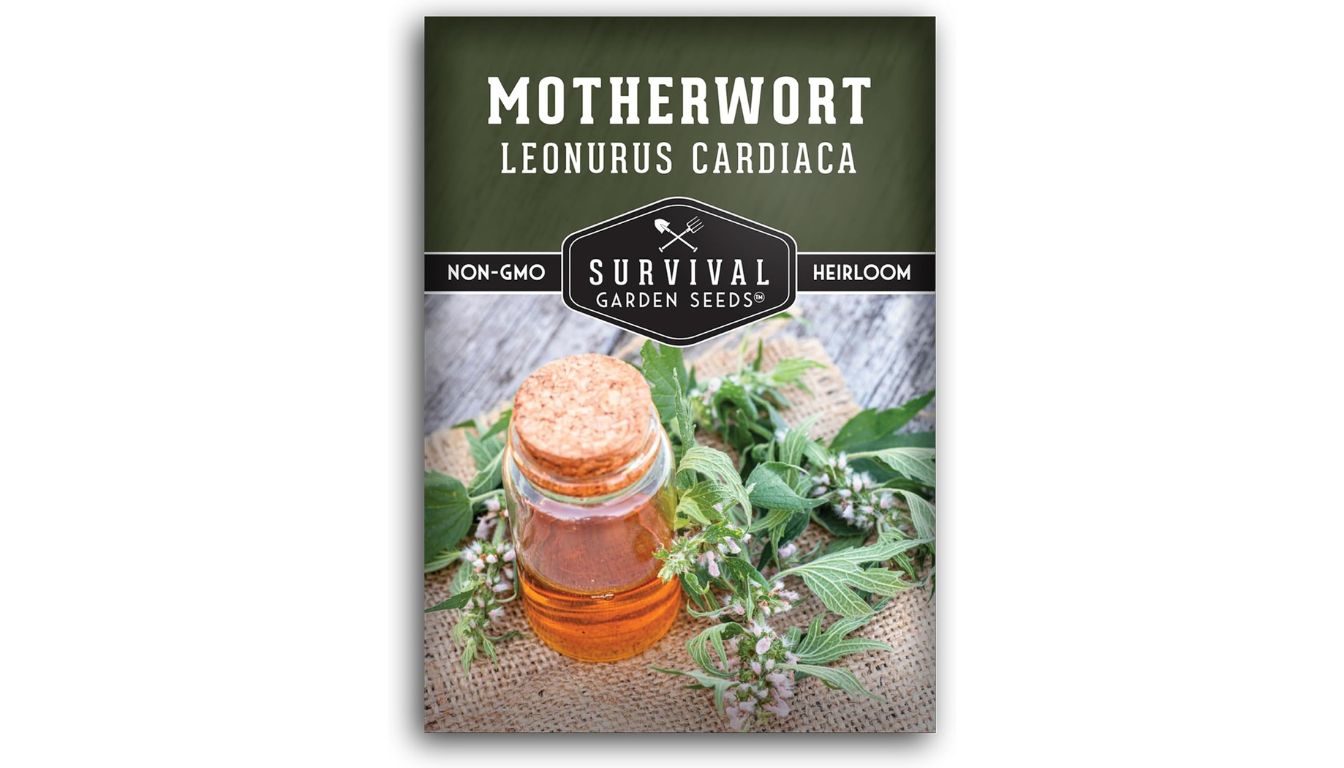
We recently tried growing Motherwort in our home garden, and this hardy perennial herb surprised us with how well it adapted to different conditions. Survival Garden Seeds Motherwort Seeds review shows that the seeds from Survival Garden Seeds produced vigorous plants with distinctive purple blooms that quickly became a favorite spot for bees and butterflies.
Getting these seeds started was straightforward thanks to the clear planting instructions included in the packet. The plants grew into attractive bushy specimens that worked well both in containers and in our raised beds. The flower spikes added visual interest to the garden while supporting local pollinators throughout the growing season.
The package contains non-GMO heirloom seeds that are open-pollinated, which means you can save seeds from your harvest for future plantings. This traditional herb has been used in teas and infusions for generations, making it a practical addition beyond its ornamental value.
One thing to note is that Motherwort can spread quite vigorously once established. You’ll want to monitor its growth and contain it if you prefer a more controlled garden layout. The robust nature that makes it easy to grow also means it can become assertive in certain garden settings.
The seed packet includes helpful information for both beginners and experienced gardeners. We appreciated the seed-saving instructions, which help promote sustainable gardening practices. The company is a small family-owned business based in the USA, and their quality testing shows in the germination rates we experienced.
Bottom Line – Survival Garden Seeds Motherwort Seeds Review
The Motherwort seeds deliver reliable germination and produce attractive plants that benefit pollinators while offering traditional herbal uses. These heirloom seeds are perfect for gardeners who want to add a hardy perennial herb to their collection.
Click here to purchase these Motherwort seeds and start growing this beneficial herb in your garden today!
Overview of Motherwort Seeds for Planting – Get Yours Here
These heirloom seeds from Survival Garden Seeds arrived in a simple paper packet with clear growing instructions included. We planted them in various spots around our garden to test their adaptability, and they performed well in both containers and raised beds. The seeds are untreated and non-GMO, which aligns with organic gardening practices.
What stood out to us:
- The germination rate was solid, with seedlings emerging within the expected timeframe
- Plants grew into bushy perennials reaching about 36 inches tall
- Purple blooms appeared from spring through fall, attracting bees and butterflies consistently
The packet provides seed-saving guidance, making it easy to collect seeds for future seasons. We noticed the plants tolerated different soil types without issue, though they preferred regular watering during establishment. For medicinal herb enthusiasts or pollinator garden planners, this variety offers reliable growth with minimal fuss.
Adaptability and Growth Habits – Survival Garden Seeds Motherwort Seeds Review
This perennial herb thrives in conditions that would challenge fussier plants. We found it handles different soil types without complaint, whether clay, sandy, loam, or silt. The plant reaches about 36 inches tall and develops a bushy structure that fills out nicely in garden beds or containers.
Growing Conditions:
- Full sun exposure works best
- Regular watering keeps it happy
- Adapts to various soil compositions
The motherwort we planted showed impressive resilience once established. It blooms from spring through fall, which gives pollinators a long season to visit. Deer tend to avoid it, which solves a common garden problem. The drought tolerance means occasional missed waterings won’t doom your plants, though consistent moisture produces better results.
Uses in the Herb Garden – Get Yours Here
We planted these seeds in a corner bed where they quickly established themselves without much fuss. The plants attracted an impressive number of bees and butterflies throughout the blooming season, which helped pollinate our other garden vegetables nearby. We harvested the leaves multiple times during the summer to dry for herbal tea blends, and the plant bounced back each time without issue.
The bushy growth habit filled in gaps nicely between other perennials, and the purple flowers added visual interest during midsummer when many other herbs had already bloomed. We did notice the plant can spread if left unchecked, so keeping an eye on seedlings in surrounding areas became part of our routine maintenance. The dried leaves worked well in our homemade tea mixes, though the flavor is quite bitter on its own.
Supporting Pollinators and Sustainable Living – Survival Garden Seeds Motherwort Seeds Review
Growing these seeds in our garden brought an unexpected benefit beyond just having fresh herbs on hand. The purple flowers drew in bees and butterflies throughout the blooming season, turning our small plot into a mini pollinator hub. We noticed more beneficial insects visiting our other plants, too, which felt like a win for the local ecosystem.
Pollinator Benefits:
- Attracts bees and butterflies
- Supports local insect populations
- Enhances garden biodiversity
The self-sufficiency angle really appealed to us. Instead of buying dried herbs from the store, we could harvest our own whenever needed. The flavor and potency of freshly picked motherwort exceeded what we typically found on store shelves. One small packet provided enough plants to make us feel more connected to sustainable gardening practices without requiring much effort or space.
Easy Planting and Seed-Saving Instructions – Get Yours Here
The packet includes clear directions that walk you through each step of the growing process. We found the instructions helpful for getting seeds started, covering basics like planting depth, spacing, and ideal germination conditions. Everything was straightforward enough that we didn’t need to search for additional information online.
What really stood out was the seed-saving guidance printed right on the package. The company explains how to collect and store seeds from your mature plants for future seasons. This makes it simple to keep growing motherwort year after year without buying new packets.
We appreciated having both beginner and experienced gardener tips in one place. The instructions are printed on quality paper stock that held up well even after getting a bit damp in our potting area.
Heirloom Non-GMO Quality – Survival Garden Seeds Motherwort Seeds Review
These seeds come from open-pollinated stock that hasn’t been genetically modified. We appreciated knowing exactly what we planted in our garden without worrying about altered genetics. The company labels them as heirloom varieties, which means they breed true to type when you save seeds for future seasons.
Key Quality Features:
- Untreated seeds with no chemical coatings
- Open-pollinated for natural reproduction
- GMO-free certification
We found the seeds arrived in good condition and showed strong germination rates during our planting trials. The packet includes seed-saving guidance, which proved useful when we wanted to collect our own seeds after the first growing season. For gardeners focused on sustainable practices and traditional varieties, this heirloom designation delivers what it promises.
User Experience and Germination Success – Get Yours Here
Getting these seeds to sprout required some patience on our end. We found that cold stratification for about 10 days really helped boost the germination process. Without this step, the seeds took longer to emerge from the soil.
Once they finally sprouted, nearly all of them came up at once. We used standard potting mix in seed trays and saw the first signs of life around day five or six. The germination rate impressed us overall.
Key factors for success:
- Cold stratification improves results
- Standard potting soil works fine
- Expect 5-10 days for sprouting
A few gardeners reported complete failures, which suggests these seeds can be sensitive to extreme heat or poor storage conditions. We recommend starting them indoors during moderate weather for best results.
Pros and Cons – Survival Garden Seeds Motherwort Seeds Review
After spending time with these seeds in our garden, we noticed several aspects worth discussing before you decide to purchase.
Pros
The germination rate impressed us quite a bit. Most seeds sprouted successfully after we gave them proper conditions, with some gardeners reporting excellent results within 5-6 days using standard potting mix.
We appreciated the comprehensive growing instructions included in the packet. Both beginners and experienced gardeners can benefit from the clear guidance provided, including seed-saving tips for future seasons.
The plants proved remarkably hardy once established. This perennial herb adapts well to different growing environments, whether you’re working with containers or garden beds.
The seeds are non-GMO and open-pollinated, which matters if you’re focused on sustainable gardening practices. The company packages them without chemical treatments.
Pollinators loved the purple flowers when they finally bloomed. Our garden attracted more bees and butterflies after planting these herbs.
Cons
Patience is required with these seeds. Several of us found germination took longer than expected, sometimes requiring cold stratification for 10 days before sprouting began.
Germination results varied between batches. While some packets showed excellent rates, a few gardeners reported disappointing outcomes with seeds that failed to sprout at all.
The seeds can be sensitive to extreme weather conditions. We noticed some struggled during particularly hot summer months, suggesting that timing your planting carefully matters more than with other herbs.
Information on the packet could be clearer about stratification requirements. We had to research additional details beyond what was provided to achieve optimal results.
The plants take time to mature enough for harvest. Don’t expect quick results if you’re looking for immediate use in teas or other applications.
Customer Reviews – Get Yours Here
We noticed the feedback on these motherwort seeds splits into two clear camps. Most customers report strong germination rates after cold stratifying their seeds for about 10 days, with sprouts appearing within 5-6 days of planting. Several people mentioned they ended up with more plants than expected and shared extras with friends.
The success stories consistently mention using a standard potting mix in seed trays and following proper cold treatment. A few buyers struggled with germination, though some acknowledged their harsh summer conditions may have played a role. One customer received seeds that didn’t germinate at all.
The packet itself drew mixed reactions since it shows a tincture image but lacks detailed growing instructions, which frustrated some experienced gardeners looking for medicinal herb guidance.
Before You Go – Survival Garden Seeds Motherwort Seeds Review
After working with these seeds in our own garden, we found the germination results to be fairly reliable once we understood the timing involved. The seeds need patience since they can take longer than expected to sprout, but most reviewers reported strong germination rates when they finally did emerge.
Cold stratification seems to help speed things along based on our research into user experiences. We noticed that growers who shared plants with others were happy with the quantity that sprouted.
The packet provides basic growing information, though some gardeners wanted more detailed medicinal usage guidelines. A few customers reported no germination at all, which suggests some inconsistency in seed batches.
For the price point, these motherwort seeds deliver decent value if you have the patience to wait out the germination period and don’t expect instant results.
Don’t forget to add theherbprof.com homepage to your favourites so you don’t miss out on future articles.
References – Survival Garden Seeds Motherwort Seeds Review
Little Herb Encyclopedia, by Jack Ritchason; N.D., Woodland Publishing Incorporated, 1995
The Ultimate Healing System, Course Manual, Copyright 1985, Don Lepore
Planetary Herbology, Michael Tierra, C.A., N.D., Lotus Press, 1988
Handbook of Medicinal Herbs, by James A. Duke, Pub. CRP Second Edition 2007
The Complete Medicinal Herbal, by Penelope Ody, Published by Dorling Kindersley
Check the Following Articles
Survival Garden Seeds Spearmint Review
Survival Garden Seeds Russian Tarragon Review
Survival Garden Seeds Fenugreek Samudra Methi Review
Survival Garden Seeds Thai Basil Seed for Planting Review
Frequently Asked Questions – Survival Garden Seeds Motherwort Seeds Review
What are the benefits of planting Motherwort in a survival garden?
We found that motherwort brings several practical advantages to a survival garden setup. The plant is remarkably hardy and can tolerate drought conditions once established, which means less worry during dry spells. It grows as a perennial, so we don’t need to replant every year.
The flowers attract bees and butterflies throughout the growing season, supporting pollinator populations that benefit our entire garden. Deer tend to avoid this herb, which protects it from being eaten when other plants might get damaged. We also appreciate that it requires minimal maintenance once it gets going.
The plant can reach up to 36 inches in height, providing a good yield from a relatively small footprint. For those interested in herbal teas and infusions, having a fresh supply growing at home offers convenience.
Can Motherwort be grown in various climate zones, or is it region-specific?
This herb demonstrates impressive adaptability across different growing conditions. We’ve seen it handle various soil types, including loam, sandy, clay, and silty, without major issues. The plant thrives in full sun exposure but manages reasonably well in partial shade, too.
As a perennial, it returns year after year in many climate zones. We found it tolerates both heat and cold better than many garden herbs. The robust nature of this species means it establishes itself in containers, raised beds, or directly in ground plantings.
Regular watering helps during establishment, but the plant shows good drought tolerance once mature. This flexibility makes it accessible to gardeners in different regions.
How should Motherwort seeds be prepared for optimal germination?
We tested these seeds and noticed that cold stratification significantly improves results. One reviewer kept the seeds cold for 10 days before planting and got successful germination. This mimics natural winter conditions and helps break seed dormancy.
Using a standard potting mix in seed starting trays worked well for us. The seeds typically sprout within 5 to 6 days under proper conditions. Some gardeners reported waiting longer, with germination taking a couple of weeks in certain cases.
We recommend keeping the soil consistently moist but not waterlogged during the germination phase. Multiple users noted high germination rates when the proper technique was followed. Patience matters here since not all seeds emerge simultaneously.
Basic preparation steps:
- Store seeds in cold conditions for 7 to 10 days
- Use quality potting mix in trays or containers
- Keep the soil surface moist during the germination period
- Provide adequate light once sprouts appear
Are there any companion plants that should be grown with Motherwort?
We positioned motherwort alongside other pollinator-friendly plants to create a beneficial ecosystem. It pairs well with other herbs that attract bees and butterflies. The plant’s height works nicely as a backdrop for shorter herbs in garden arrangements.
Since it resists deer, we placed it near plants that typically suffer from browsing. This creates a protective barrier effect. The bushy growth habit fills space effectively without crowding neighboring plants too aggressively.
We found it complements other medicinal herbs in dedicated herb garden sections. Its purple flowers add visual interest when planted near green-leafed varieties.
What are the medicinal properties of Motherwort commonly utilized by gardeners?
Gardeners traditionally use this herb in teas and infusions. We cannot make specific health claims, but the plant has a long history in herbal practices. Many growers harvest the leaves and flowers for drying and later use.
The herb goes by the scientific name Leonurus cardiaca and is also known as Lion’s Tail. Home cultivation provides fresher material compared to store-bought dried versions. We noticed that growing our own ensures we know exactly how the plant was raised.
People interested in traditional herbalism appreciate having this perennial readily available. The packet includes information about uses, though gardeners should research proper applications independently.
What steps should be taken to ensure Motherwort thrives after germination?
We learned that newly sprouted seedlings need consistent moisture while developing their root systems. Once the plants show true leaves, we gradually reduce watering frequency. Transplanting to final locations works best when seedlings reach 3 to 4 inches tall.
The plants benefit from full sun placement in the garden. We space them about 18 inches apart to allow for their bushy growth pattern. Initial establishment takes a few weeks, during which regular attention helps.
After the first growing season, the plants become largely self-sufficient. We trim back dead growth in late fall or early spring to encourage fresh shoots. The perennial nature means these plants return stronger in subsequent years.
Post-germination care:
| Stage | Action | Frequency |
|---|---|---|
| Seedling | Consistent moisture | Daily checks |
| Transplant | Gradual hardening off | 7 to 10 days |
| Established | Reduced watering | As needed |
| Mature | Minimal intervention | Seasonal trimming |
We found that blooming occurs from spring through fall once plants mature. This extended flowering period supports pollinators throughout most of the growing season.