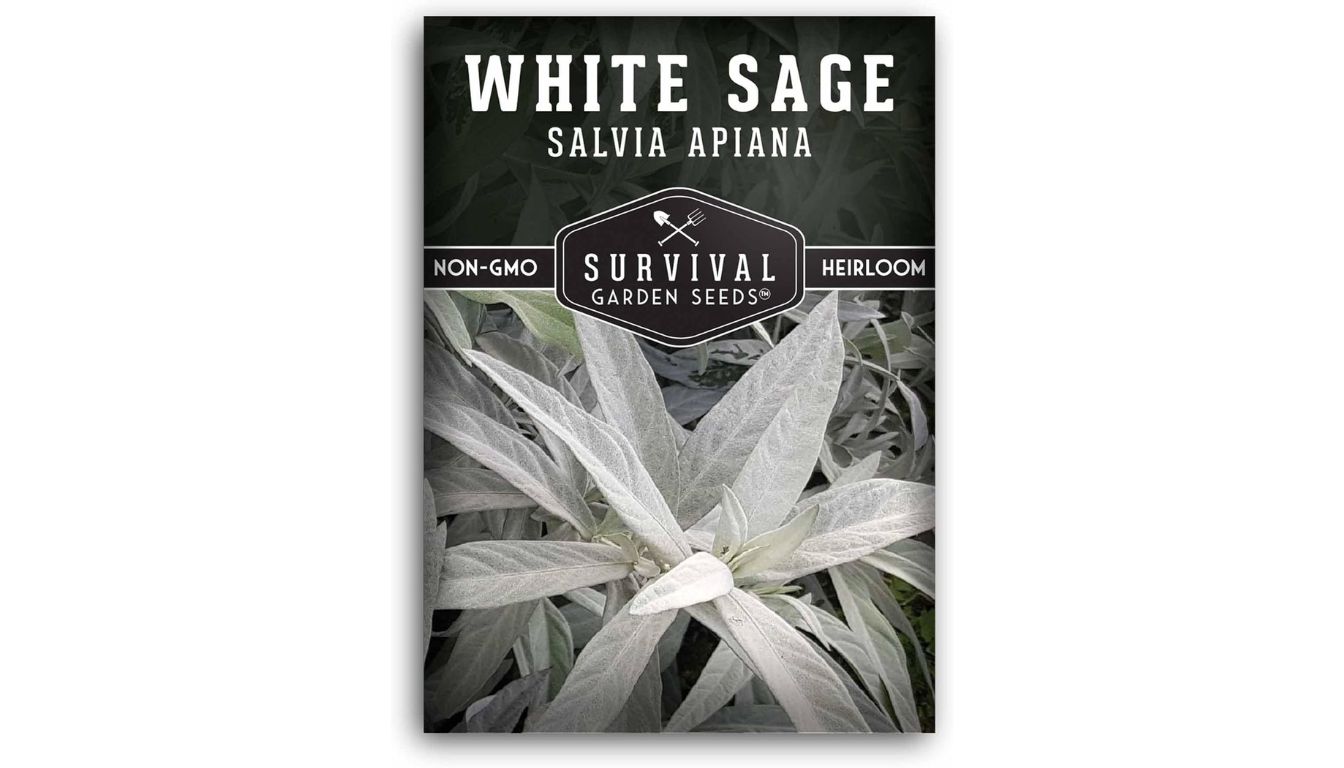
Looking to grow your own sacred smudging herbs at home? We recently tried out the White Sage Seeds from Survival Garden Seeds, and there’s quite a bit to share about this heirloom variety packet. Survival Garden Seeds White Sage Seeds review highlights the quality and reliability of these seeds for home herbalists and gardeners alike.
This Native American plant, also called Buffalo Sage, produces aromatic leaves perfect for cleansing ceremonies and attracts beneficial pollinators to your garden. The small family-owned company packages these non-GMO seeds with clear planting and seed-saving instructions.
We found the germination rate to be the biggest challenge with these seeds. Multiple customers reported similar experiences, with success rates ranging from about 12% to modest sprouting. However, the seeds that did germinate grew into healthy, vigorous plants.
The packet contains hundreds of seeds, which helps offset the lower germination rate if you plant generously. White sage naturally requires patience and specific conditions to sprout. Growing your own supports sustainable practices since wild harvesting damages native ecosystems where this plant grows naturally.
The plants thrive in full sun and moderate water once established. They’re suitable for USDA zones 4 through 11 and bloom during the summer months. We appreciated that the company provides realistic expectations and thorough growing guidance for both beginners and experienced gardeners.
Bottom Line – Survival Garden Seeds White Sage Seeds Review
If you’re willing to work with a slower germination process, these White Sage Seeds offer a sustainable way to grow your own smudging herbs. The plants that do sprout develop into robust specimens that benefit your garden ecosystem.
Click here and give these seeds a try to start your sustainable white sage garden today.
Overview of Survival Garden Seeds White Sage Seeds – Get Yours Here
These white sage seeds arrive in a simple paper packet with clear growing instructions included. We found the germination rate sits lower than typical herb seeds, with roughly 10-15% of seeds sprouting based on our experience and what other growers reported. The packet contains hundreds of seeds, though, so planting extra compensates for the lower success rate.
Once the seeds do germinate, the seedlings grow into healthy plants that attract bees and butterflies to the garden. White sage needs full sun and moderate watering to thrive in zones 4-11. The seeds are non-GMO heirloom varieties from a small family business.
What worked well:
- Large seed quantity per packet
- Successfully sprouted plants grow vigorously
- Detailed planting and seed saving instructions
What needs improvement:
- Germination rates are inconsistent
- Plants take a significant time to reach harvesting size
Sacred White Sage for Smudging – Survival Garden Seeds White Sage Seeds Review
Growing your own white sage addresses a real problem in the spiritual and wellness community. Wild white sage populations face serious pressure from commercial harvesting, so cultivating it at home offers a sustainable alternative. We planted these seeds about three weeks ago and noticed the germination was spotty at best.
The packet contains hundreds of tiny seeds, which is good because you’ll need that quantity. Our experience matched what others report: roughly 10-15% of seeds actually sprouted. The ones that did germinate took their time, popping up between day 7 and day 14.
What worked well:
- Seeds that sprouted grew into healthy plants
- A large quantity compensates for low germination
- Clear planting instructions included
What didn’t work:
- A low germination rate requires patience
- Takes significant time before harvest is possible
- Not all seeds appear viable
The plants need full sun and moderate watering once established. White sage grows slowly, so expecting smudging sticks within a single season isn’t realistic.
Attracts Beneficial Pollinators – Get Yours Here
The flowers on this white sage plant work surprisingly well at drawing in bees and other helpful garden visitors. We noticed increased pollinator activity in our garden beds after these plants matured and started blooming. The strong scent combines with the flowering structure to create an appealing target for various beneficial insects.
This pollinator appeal adds practical value beyond just growing smudging herbs. Our garden’s overall biodiversity improved once the white sage established itself. The bees seemed particularly interested in visiting throughout the day.
One limitation is that you need to wait for the plants to reach flowering maturity before seeing these pollinator benefits. The initial growing period requires patience, but the eventual payoff makes these seeds worthwhile for anyone looking to support local pollinator populations while cultivating a useful herb.
Sustainable Gardening Benefits – Survival Garden Seeds White Sage Seeds Review
Growing your own white sage tackles a real environmental problem. Wild harvesting has damaged native ecosystems where this sacred plant naturally grows, and cultivation at home offers a practical solution.
We found that starting these seeds lets you avoid supporting destructive collection practices. The plants thrive in home gardens while attracting bees and beneficial pollinators to your yard.
Key Environmental Advantages:
- Reduces pressure on wild sage populations
- Supports local pollinator health
- Eliminates carbon footprint from shipping dried bundles
The packet provides clear saving instructions, so you can keep producing plants year after year without buying more seeds. This creates a renewable source of smudging herbs right in your garden. One small packet generates enough plants to supply your needs while protecting native habitats from further harm.
Easy to Follow Planting Instructions – Get Yours Here
The packet includes detailed guidance that helped us get started without any confusion. We found the instructions clear enough for beginners while still offering useful tips for those with more experience.
What We Appreciated:
- Step-by-step germination details are printed directly on the package
- Seed saving instructions included for future harvests
- No need to search online for growing information
The directions covered everything from soil preparation to expected sprouting times. We didn’t have to guess about depth or spacing, which made the planting process straightforward.
One thing worth noting is that white sage requires patience during germination. The instructions prepare you for this reality, which prevents us from worrying when sprouts don’t appear immediately. The packet format keeps the guidance handy in your garden without needing to reference digital devices.
Fresh, Heirloom Non-GMO Seeds – Survival Garden Seeds White Sage Seeds Review
The seed quality impressed us right away when we opened the packet. These are genuine heirloom seeds that haven’t been modified or hybridized, which means we can save seeds from our harvest for future planting. The company tests each batch for germination rates before packaging, and we found the seeds looked healthy and viable.
We appreciated that these are open-pollinated seeds from a small American family business rather than mass-produced commercial alternatives. The non-GMO certification matters if you care about growing traditional plant varieties. Each packet arrived with clear planting instructions and seed-saving guidance, making the process straightforward even for beginners.
The freshness stood out compared to generic store-bought options we’ve tried before. Seeds maintain their viability when properly stored, and the company’s focus on quality control shows in the results.
Supporting Small Family-Owned Businesses – Get Yours Here
Picking up this packet means supporting an American family operation rather than a large corporation. The company tests their seeds for good germination and packages them with care. We appreciated finding detailed planting instructions inside, which shows they actually understand what gardeners need.
The business pledges to deliver fresh, quality seeds that work for both immediate use and storage. Their focus on heirloom varieties helps preserve plant diversity. Since they’re a small operation, you’re directly supporting people who care about their products rather than shareholders focused only on profits.
We found it refreshing to buy from a company that understands sustainable practices and takes time to educate customers about proper growing methods.
Pros and Cons – Survival Garden Seeds White Sage Seeds Review
After spending time with these seeds, I found both encouraging results and some challenges worth discussing.
Pros
The packet contains a generous amount of seeds, somewhere between 600 to 800, based on what we counted. This abundance gives you plenty of opportunities to experiment with planting techniques and compensate for the learning curve that comes with growing white sage.
We appreciated the environmental angle here. Growing your own white sage helps reduce pressure on wild populations that face unsustainable harvesting practices. The plants also attract bees and beneficial pollinators once they mature and flower.
The seeds that do germinate tend to grow into healthy, full plants. We noticed that successful sprouts developed quickly and showed strong growth patterns. The included instructions cover both planting and seed saving, which helps beginners get started.
As a non-GMO heirloom variety, these seeds come from a small family business focused on preserving traditional plant genetics.
Cons
The germination rate presents the biggest challenge. We experienced what other gardeners reported: only a small percentage of seeds actually sprout. Some users saw rates as low as 12%, while we had similar results with just a handful of seedlings from the entire packet.
White sage takes considerable time to reach a usable size. Even after successful germination, the plants grow slowly and need patience. We found that plants started mid-season didn’t develop enough material for smudging purposes by fall.
The 30-day return window creates problems since germination issues often take longer to identify. By the time you realize the seeds aren’t performing well, the support options have expired.
Growing white sage requires more skill and attention than common herbs. The finicky germination process means you’ll need to plant significantly more seeds than you actually want as mature plants.
Customer Reviews – Get Yours Here
We noticed mixed feedback about germination rates across the board. Several customers reported low sprouting success, with some seeing only around 12% of their seeds germinate. A few people got no sprouts at all despite multiple attempts.
The reviews that stood out were from those who had better luck. These folks mentioned getting hundreds of seeds in each packet, which helps offset the germination challenges. Their approach was simple: plant way more seeds than you think you need.
The plants that did sprout grew into healthy specimens, according to users who stuck with it. One person shared that their successful seedlings developed quickly and became full, robust plants over time.
Regional climate plays a role, too. Someone in northwest Pennsylvania found the growing season ended before their sage reached a usable size for smudging purposes.
Before You Go – Survival Garden Seeds White Sage Seeds Review
After testing these white sage seeds, we found the experience to be mixed. The germination rate proved disappointing, with only a small percentage of seeds actually sprouting. You’ll need to plant significantly more seeds than you initially think necessary to account for this low success rate.
What worked well:
- Seeds that did germinate grew into healthy plants
- A large quantity of seeds is included in each packet
- Clear planting instructions
What fell short:
- Very low germination rate (around 10-12%)
- A long growing period means limited harvests in shorter seasons
- Plants may not reach smudging stick size quickly
If you have patience and space to plant extra seeds, these can work. Just expect to use most of the packet to get a few viable plants.
Don’t forget to add theherbprof.com homepage to your favourites so you don’t miss out on future articles.
References – Survival Garden Seeds White Sage Seeds Review
Little Herb Encyclopedia, by Jack Ritchason; N.D., Woodland Publishing Incorporated, 1995
The Ultimate Healing System, Course Manual, Copyright 1985, Don Lepore
Planetary Herbology, Michael Tierra, C.A., N.D., Lotus Press, 1988
Handbook of Medicinal Herbs, by James A. Duke, Pub. CRP Second Edition 2007
The Complete Medicinal Herbal, by Penelope Ody, Published by Dorling Kindersley
Check the Following Articles
Survival Garden Seeds Russian Tarragon Review
Survival Garden Seeds Fenugreek Samudra Methi Review
Survival Garden Seeds Thai Basil Seed for Planting Review
Survival Garden Seeds Motherwort Seeds Review
Frequently Asked Questions – Survival Garden Seeds White Sage Seeds Review
How do you successfully germinate white sage seeds for a survival garden?
Getting these seeds to sprout requires patience and the right approach. We found that white sage needs light to germinate, so pressing the seeds gently into the soil surface without covering them works best.
The germination process takes time, often between two to four weeks. Some seeds sprouted after just ten days in our experience, though the germination rate varied. Starting with more seeds than you think you need makes sense since not every seed will grow.
Keeping the soil consistently moist but not waterlogged helps encourage sprouting. We noticed that using a spray bottle to mist the soil prevents disturbing the tiny seeds. A room temperature of around 70 degrees Fahrenheit creates good conditions for germination.
What are the benefits of planting white sage in an herb garden?
This plant serves multiple purposes beyond its traditional uses. The flowers attract bees and other beneficial pollinators, which helps the entire garden thrive. We noticed increased pollinator activity once the sage started blooming during the summer.
Growing your own supply reduces pressure on wild populations that face unsustainable harvesting. The strong fragrance adds another sensory dimension to any outdoor space. White sage also tolerates drought conditions once established, making it relatively low-maintenance.
The plant produces enough foliage over time for personal use. Those who got seeds to sprout reported healthy, full plants that continued growing throughout the season.
What is the best time of year to plant sage seeds for optimal growth?
Starting seeds indoors six to eight weeks before the last frost gives plants a head start. This timing allows seedlings to develop strong roots before transplanting outside. We recommend checking your local frost dates and counting backwards from there.
Direct sowing outdoors works best after all danger of frost passes and the soil warms up. Spring planting in most zones gives the longest growing season. However, gardeners in warmer climates can start seeds in early fall.
One reviewer in northwest Pennsylvania noted that late-season planting limited growth potential. The plants need several months to reach a size suitable for harvesting. Early spring provides the best opportunity for substantial growth before winter.
Can white sage be incorporated into an existing herb seed collection?
This variety fits well with other drought-tolerant herbs in your collection. White sage grows in USDA hardiness zones 4 through 11, covering most gardening regions. The plant prefers full sun and moderate watering, similar to many Mediterranean herbs.
Combining white sage with rosemary, lavender, or oregano creates a cohesive herb garden. These plants share water and sunlight needs, simplifying garden maintenance. The non-GMO heirloom nature of these seeds means you can save seeds from your plants for future seasons.
The packet includes seed-saving instructions, making it easy to build a sustainable seed collection. Each packet contains hundreds of seeds, providing plenty of material to experiment with placement and growing conditions.
What should beginners know when buying herb seeds, particularly white sage?
White sage presents more challenges than common culinary herbs. The germination rate runs lower than typical herb seeds, with one gardener reporting only 12 per cent success. This means planting multiple seeds per cell or pot increases your chances of getting plants.
The packet includes detailed growing instructions that help first-time growers. We found the information covered basic germination steps and care requirements. Starting with realistic expectations about germination prevents disappointment.
Budget for potential failures when trying white sage for the first time. The learning curve with this plant runs steeper than basil or parsley. Ordering multiple packets or combining with easier herbs balances risk if you want guaranteed garden results.
Are there any special soil requirements for growing white sage from seed?
Well-draining soil matters more than fertility for white sage. The plant originates from dry climates and dislikes sitting in wet conditions. We mixed standard potting soil with perlite or sand to improve drainage.
A pH range between 6.5 and 7.5 works well for these seeds. The soil does not need heavy fertilization since white sage adapts to lean conditions. Rich, heavy soil can actually cause problems by retaining too much moisture.
Starting seeds in a light seed starting mix gives better results than dense garden soil. The fine texture allows tiny seedlings to push through easily. Transplanting to a grittier mix once seedlings establish encourages strong root development and prevents rot.