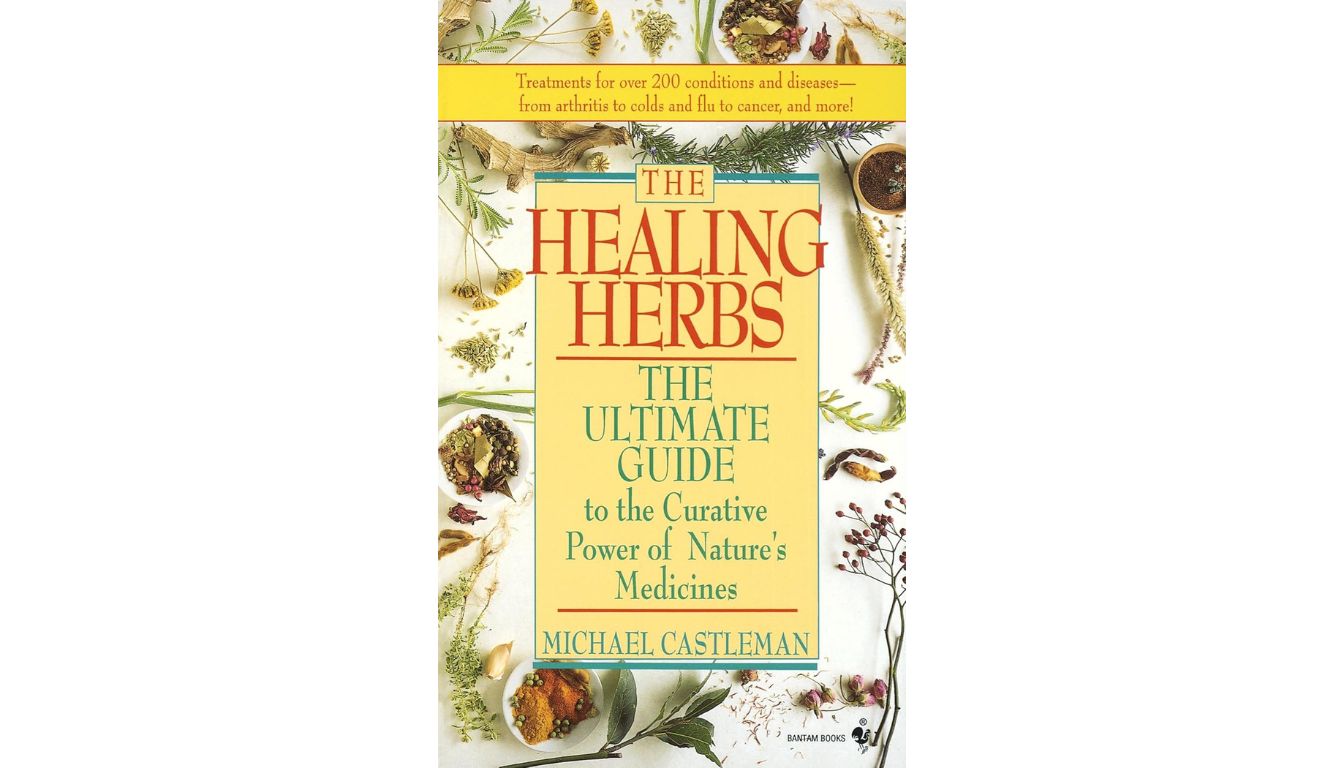
The Healing Herbs Ultimate Guide review explores a trusted and thorough resource for anyone interested in natural medicine. Looking for a comprehensive guide to natural remedies that actually delivers useful information? We recently spent time with The Healing Herbs, and this book turned out to be far more practical than we expected.
Michael Castleman packed 656 pages with details about natural medicines, and the content feels thoroughly researched rather than filled with vague claims. The book covers dozens of herbs with information about their uses, though you’ll need patience to work through such a hefty volume.
We found the writing style accessible even when discussing complex plant compounds and their effects. The guide doesn’t promise miracle cures, which we appreciated. Instead, it presents evidence-based perspectives on what herbs might help with various conditions.
The book does show its age since it was published in 1995. Some research has evolved since then. Still, the fundamental information about herb properties remains relevant for anyone curious about natural alternatives.
The weight surprised us at over two pounds, making it less portable than expected. But that heft comes from extensive content rather than unnecessary filler.
Bottom Line – The Healing Herbs Ultimate Guide Review: Natural Medicine
The Healing Herbs works well for anyone serious about learning herbal medicine basics without wading through marketing hype. It provides solid foundational knowledge, even if some details need updating.
Ready to explore natural remedies? Click here to get The Healing Herbs and start building your herbal knowledge.
Overview of The Healing Herbs – Get Yours Here
This comprehensive reference guide spans 656 pages and covers a wide range of medicinal plants and their applications. We found the book organized into six main sections that walk through the history of herbal medicine, individual herb profiles, and practical usage guidelines.
The paperback format measures about 4 by 7 inches, making it compact enough to keep on a shelf for quick reference. We noticed some readers wished for a larger format with color photos, but the portable size works well for everyday consultation.
Key aspects we observed:
- Detailed information on common and lesser-known herbs
- Historical context for each plant’s medicinal use
- Practical application methods
- Scientific research alongside traditional knowledge
The writing style makes complex botanical information accessible without oversimplifying. We appreciated how the author presents both historical uses and modern scientific findings for each herb. Some readers found certain historical claims questionable, particularly regarding ancient texts and timelines.
The book serves as a solid starting point for anyone exploring natural remedies or complementing formal herbalism studies.
Comprehensive Herbal Remedies – The Healing Herbs Ultimate Guide Review
This guide covers an impressive range of natural treatments spread across 656 pages. We found detailed information on dozens of common herbs and their medicinal applications, from treating colds to addressing various health concerns.
The book walks through each herb’s historical background and practical uses in straightforward language. While the paperback format is smaller than some readers expect, the content remains dense with useful reference material. We appreciated how quickly we could look up specific herbs when needed.
The historical sections contain some dated perspectives that may not align with current research. However, the practical application information proves helpful for anyone exploring natural alternatives to conventional medicine. The compact size makes it easy to keep on hand, though the small print can be challenging to read during extended sessions.
Curative Properties Explained – Get Yours Here
After spending time with this guide, we found that it dives into how herbs work as natural remedies for common health issues. The book covers historical uses alongside modern research findings, though some readers question the accuracy of certain historical claims about ancient medical texts.
We appreciated the practical approach to herbal alternatives for medications. The format makes it easy to look up specific plants and understand their medicinal applications. One drawback is the compact paperback size, which packs 625 pages of information into a smaller format than some expect.
The content balances historical context with practical usage instructions. We noticed it explains which herbs address specific ailments, from minor complaints to more serious conditions. The book works well as a quick reference guide when you need to identify herbal options.
User-Friendly Reference Guide – The Healing Herbs Ultimate Guide Review
Opening the book reveals a practical layout that makes finding specific herbs quick and simple. Each herb gets its own dedicated section with clear headings, so we didn’t have to flip through dozens of pages to locate what we needed. The alphabetical organization works well for fast lookups when you’re dealing with a health concern.
The compact paperback size fits easily into a bag or sits on a desk without taking up much space. Some people mentioned they preferred the larger format from older editions, but we found this version just as functional for everyday use. The print is readable despite the smaller format, though the dense 656 pages mean you’re getting substantial information in a portable package.
One downside is the lack of color photos that earlier versions apparently included. The text-heavy approach still delivers the facts, but visual learners might miss that element.
Historical Perspectives on Herbal Medicine – Get Yours Here
Plants have served as primary medical treatments for thousands of years across every inhabited continent. Ancient Egyptian papyri documented detailed herbal remedies, while traditional Chinese medicine developed sophisticated systems of plant-based healing dating back over 3,000 years.
We found that this guide does an excellent job tracing how Indigenous cultures worldwide built extensive knowledge about local medicinal plants through careful observation and experimentation. The book explains how European monasteries preserved botanical healing knowledge during medieval times, creating the foundation for modern pharmacology.
What impressed us most was learning that approximately 25% of modern pharmaceutical drugs derive directly from plant compounds. The guide connects historical practices to current applications without romanticizing the past or dismissing ancient wisdom.
The text occasionally glosses over some darker aspects of herbal medicine history, like toxic remedies that caused harm. Still, it provides solid context for understanding why herbal treatments remain relevant today.
Extensive Coverage of Local Herbs – The Healing Herbs Ultimate Guide Review
One thing that impressed us about this guide was its focus on herbs you can actually find in North America. The book dedicates significant space to plants that grow naturally in local environments rather than exotic species you’d never encounter. We found detailed information on common herbs like echinacea, goldenseal, and ginseng that many people already know about, plus lesser-known options that might be growing in your own backyard.
The coverage goes beyond just identification, too. Each entry explains where these plants typically grow, how to recognize them, and their traditional uses. We appreciated that the author included both popular remedies and regional herbs that don’t always get attention in other herbal guides. This makes the book particularly useful if you’re interested in foraging or growing medicinal plants yourself rather than just buying supplements.
Pros and Cons – Get Yours Here
After spending time with this guide, we noticed several strengths and weaknesses worth discussing.
Pros
The book offers solid historical context about medicinal herbs, which helps readers understand how different cultures have used these plants over centuries. We found the breadth of coverage impressive, with information spanning numerous common herbs and their traditional applications.
The writing style makes the subject accessible without dumbing it down. Complex botanical information gets presented in everyday language that most readers can follow without needing a science degree.
At over 600 pages, the guide packs substantial information into a single volume. We appreciated having a comprehensive reference that covers multiple herbs in one place rather than needing separate books for different plants.
The price point makes this an affordable entry into herbal medicine for beginners. It serves well as a quick reference guide when you need basic information about specific herbs.
Cons
The paperback format disappointed us compared to expectations. The smaller size means cramped text, and some readers mentioned earlier editions had color photos that this version lacks.
We noticed the historical accuracy has been questioned by knowledgeable readers. Some dates and cultural references appear outdated or incorrect, which undermines credibility for those who know the subject well.
The depth of information varies considerably between herbs. While the book covers many plants, the treatment of each one stays relatively surface-level compared to specialized herbalism texts.
The compact size that makes it portable also makes it harder to read during extended study sessions. Dense pages of small text can strain your eyes after a while.
We found the book works better as a supplementary reference than a primary educational text. Students in formal herbalism courses reported needing additional resources beyond what this guide provides.
Customer Reviews – The Healing Herbs Ultimate Guide Review
We noticed that readers are split on this herbal guide. Many users appreciate the easy reading style and find it useful as a quick reference for natural remedies. The book covers local herbs with practical applications that people actually use in their daily lives.
Common praise includes:
- Simple explanations that make herbalism accessible
- Useful as a desktop reference
- Good historical context before diving into specific herbs
Some buyers felt disappointed with the physical format since older editions were larger with color photos. The current paperback size makes it portable but feels cramped to certain readers. A few users questioned the depth of historical information, particularly regarding ancient medicine systems.
The book works well for people getting started with herbal remedies or those wanting a compact reference guide. Long-time herbalism students sometimes find the content less detailed than expected for academic study.
Ideal Readers and Use Cases – Get Yours Here
After spending time with this guide, we found it works best for people who want a detailed reference book about herbal remedies. If you’re studying herbalism formally or teaching yourself about natural alternatives to conventional medicine, the 656 pages offer substantial information on individual herbs and their historical uses.
The compact paperback size makes it practical for quick lookups, though some readers might find the smaller format and dense text a bit challenging. We noticed it serves well as a desk reference rather than casual bedside reading.
This book suits anyone building their knowledge of herbal medicine from the ground up, though experienced herbalists might already know much of the content. It’s particularly useful if you want to understand the background and traditional applications of common medicinal plants.
Before You Go – The Healing Herbs Ultimate Guide Review: Natural Medicine
After spending time with this guide, we found it serves as a solid reference for anyone curious about herbal remedies. The book covers historical context and practical applications across hundreds of herbs, making it useful for quick lookups when you need information fast.
The compact paperback size makes it portable, though some readers might wish for a larger format with color photos. We appreciated the straightforward approach to explaining each herb’s potential benefits and cautions, which helps beginners get started without feeling overwhelmed.
The content strikes a good balance between accessible writing and detailed information. While a few readers questioned some historical claims, the practical herb profiles remain valuable for daily use. At this price point, it’s a worthwhile addition to your natural health library if you want a comprehensive starting resource.
Don’t forget to add theherbprof.com homepage to your favourites so you don’t miss out on future articles.
References – The Healing Herbs Ultimate Guide Review: Natural Medicine
Little Herb Encyclopedia, by Jack Ritchason; N.D., Woodland Publishing Incorporated, 1995
The Ultimate Healing System, Course Manual, Copyright 1985, Don Lepore
Planetary Herbology, Michael Tierra, C.A., N.D., Lotus Press, 1988
Handbook of Medicinal Herbs, by James A. Duke, Pub. CRP Second Edition 2007
The Complete Medicinal Herbal, by Penelope Ody, Published by Dorling Kindersley
Check the Following Articles
Homegrown Herbs: The Ultimate Garden Guide Review
A Handbook of Native American Herbs Review
McCormick Encyclopedia of Spices and Herbs Review
Guide Chef’s Guide to Herbs & Spices QuickStudy Review
Frequently Asked Questions – The Healing Herbs Ultimate Guide Review
What are the proven benefits of using healing herbs for medicinal purposes?
We found that this guide presents herbs as supportive remedies rather than cure-alls. The book discusses how certain plants can help with common ailments like digestive issues, minor skin problems, and sleep difficulties.
Many herbs contain compounds that modern medicine has studied and sometimes isolated for pharmaceutical use. The guide explains that herbs often work more gently than synthetic medications, though they typically take longer to show effects.
We appreciated that the author acknowledges limitations and doesn’t oversell herbal remedies. The book suggests herbs work best for prevention and minor health concerns rather than serious medical conditions.
Which herbs are commonly used in natural healing practices, and their specific uses?
The guide covers numerous herbs with their traditional applications. We learned about ginger for nausea and digestive discomfort, chamomile for relaxation and mild sleep support, and peppermint for digestive issues.
Other commonly discussed herbs include echinacea for immune support during the cold season, garlic for cardiovascular health, and aloe vera for skin irritations. The book examines St. John’s wort for mild mood concerns and valerian root for sleep difficulties.
We noticed the guide provides historical context for each herb alongside modern usage suggestions. Some readers mentioned the book helped them understand which herbs address specific health concerns, making it easier to build a basic collection.
How does The Healing Herbs Ultimate Guide compare to other herbal medicine books?
This book stands out for its comprehensive approach to each herb’s history and uses. We found it more detailed than basic herb guides but less technical than professional herbalist references.
The 656-page format covers more herbs than many shorter guides. However, the small paperback size means dense text that some readers found challenging to navigate quickly.
We noticed the publication date of 1995 means some information predates recent research. Other herbal books published more recently may include updated scientific findings and safety information.
The writing style aims for accessibility rather than academic precision. We think this works well for general readers but might frustrate those seeking detailed chemical composition data or precise dosing protocols.
Can you identify the most essential healing herbs for beginners to start with?
Based on what we read, the guide suggests starting with common, safe herbs that address frequent minor complaints. Chamomile, peppermint, and ginger emerge as good starting points since they’re widely available and have established safety profiles.
We recommend that beginners focus on herbs with multiple uses. Garlic serves both culinary and medicinal purposes, making it practical for daily incorporation. Lavender works for both aromatherapy and topical applications.
The book emphasizes learning one or two herbs thoroughly before expanding your collection. We found this approach sensible since it prevents confusion and helps you observe actual effects.
Starting with dried herbs from reputable sources reduces the learning curve. Fresh herb cultivation and wild harvesting require additional knowledge that the guide touches on but doesn’t fully explore for beginners.
What are the methods for preparing herbs for healing treatments?
The guide covers several preparation methods we found practical. Tea infusions represent the simplest approach, steeping dried herbs in hot water for 10 to 15 minutes.
Decoctions involve simmering tougher plant parts like roots and bark for longer periods. We learned this method extracts compounds that don’t release easily in simple steeping.
Tinctures use alcohol to extract and preserve herbal properties for an extended shelf life. The book explains basic tincture making, though some readers wanted more detailed instructions.
Topical preparations include salves, oils, and poultices. We noticed the guide provides general directions but assumes readers will seek additional resources for detailed recipes. Some people found the preparation instructions too brief for actual implementation.
Are there any scientific studies that validate the efficacy of herbs in healing spells and witchcraft?
The book focuses on herbal medicine from a health perspective rather than spiritual or magical practices. We didn’t find content specifically addressing spells or witchcraft in the traditional sense.
Scientific validation in the guide centers on the physiological effects of herbal compounds. The author references some studies, though the 1995 publication date means decades of subsequent research aren’t included.
We should note that scientific methodology doesn’t typically examine magical or spiritual claims. Research validates chemical interactions and biological responses, not metaphysical properties.
Readers interested in the spiritual aspects of herbalism would need supplementary resources. This guide serves those seeking practical health applications backed by traditional use and available scientific evidence from its publication era.