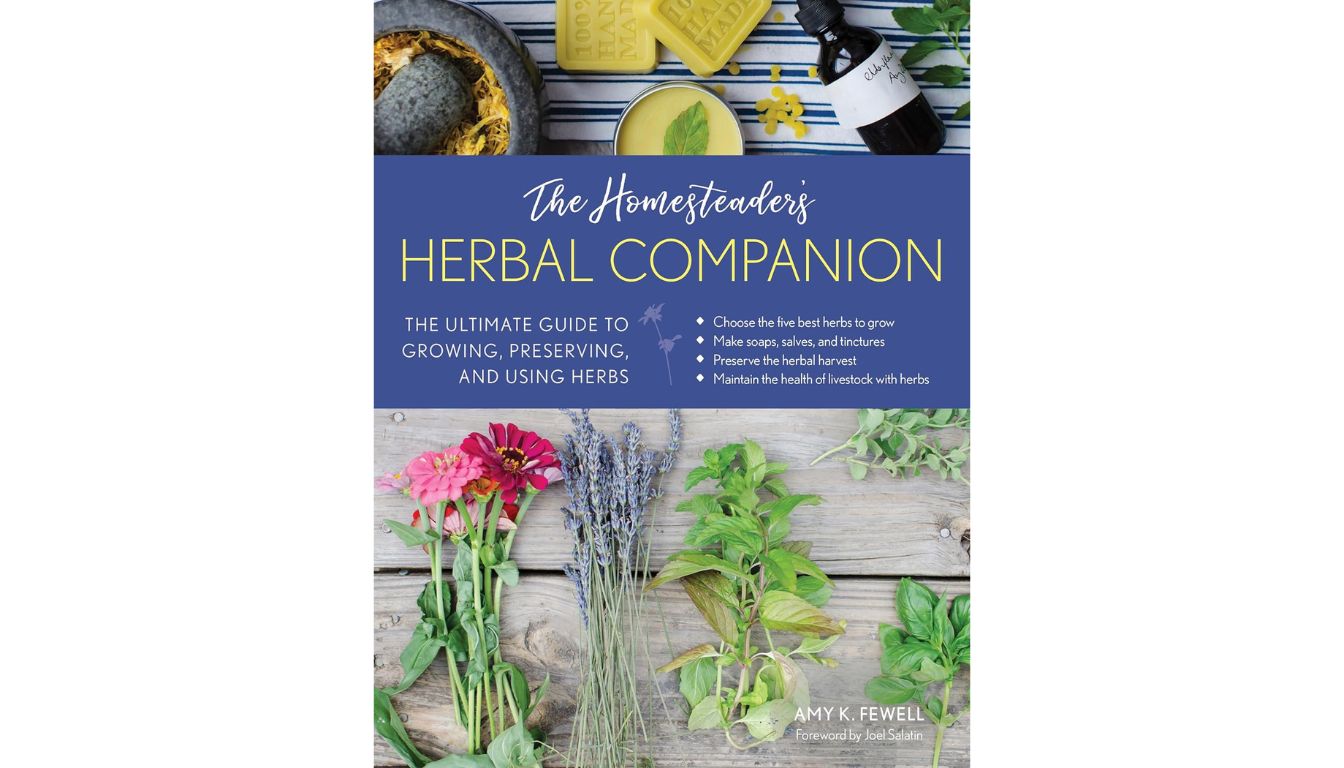
The Homesteader’s Herbal Companion Guide review explores a trusted resource for natural living and herbal self-sufficiency. We spent time working through the Homesteader’s Herbal Companion recently, and it quickly became clear why this guide has earned such strong feedback from over 1,500 readers. Amy Fewell packed 320 pages with practical advice on growing, preserving, and using herbs without any unnecessary extras getting in the way.
The book walks through individual herb profiles and then goes further by explaining how to actually make remedies and use them in daily life. We found the instructions straightforward to follow, whether we were looking up how to dry lavender properly or create a healing salve from scratch.
What stands out is how well organized everything is. The book covers both growing techniques and practical applications, which saves you from needing multiple references. We appreciated that Fewell writes in plain language rather than using complicated botanical terms that would send you running to a dictionary.
The recipes and remedies included actually work in real situations. We tested a few formulations and found them effective, though beginners should note that herbalism takes practice to master. The book suits both people just starting and those who already have some experience with natural remedies.
Bottom Line – The Homesteader’s Herbal Companion Guide Review
Anyone interested in growing and using herbs for health and household purposes should grab this guide. The clear instructions and comprehensive coverage make it worth keeping on your shelf for regular reference.
Click here and pick up your copy of the Homesteader’s Herbal Companion to start building your herbal knowledge today.
Overview of The Homesteader’s Herbal Companion – Get Yours Here
After spending time with this 320-page guide, we found that it strikes a solid balance between practical instruction and accessible information. The book walks through growing herbs from seed to harvest, then moves into preservation methods and medicinal applications without overwhelming readers with unnecessary details.
We appreciated how the author organized the content in a way that works for complete beginners while still offering value to those with some herb gardening experience. The instructions are direct and easy to follow, which makes starting your own herbal projects less intimidating.
One strength is the range of recipes and remedies included throughout. These aren’t just vague suggestions but specific formulas you can actually use. The book does lean toward natural medicine approaches, which may not appeal to everyone, but the growing and preservation advice stands strong regardless of your interest in herbalism.
At just over 1.5 pounds, it’s a substantial reference that earned its spot on our shelf.
Growing and Harvesting Herbs – The Homesteader’s Herbal Companion Guide Review
The book dedicates substantial attention to practical cultivation techniques that actually work in home settings. We found the step-by-step guidance on planting, watering, and maintaining different herb varieties to be genuinely useful for both beginners and experienced gardeners. The Companion breaks down soil requirements, sunlight needs, and spacing recommendations in ways that make sense without getting overly technical.
Harvesting instructions cover the best times to cut herbs for maximum flavor and oil content. We appreciated the straightforward advice on which parts of each plant to harvest and how often you can do so without damaging future growth. The book explains proper cutting techniques that encourage bushier growth rather than stunting your plants.
One limitation is that some regional growing considerations get less coverage than others. Still, the core principles apply across most climates with minor adjustments.
Practical Herbal Remedies
The book walks through actual remedy recipes you can make at home without needing a chemistry degree. We found instructions for creating salves, tinctures, and teas that address common ailments like colds, digestive issues, and skin problems. The recipes use simple measurements and ingredients you can grow yourself or find easily.
Each remedy includes clear steps for preparation and storage methods. We appreciated that the author explains which herbs work best for specific conditions rather than making broad claims. The practical approach means you learn to make muscle rubs, immune support blends, and soothing skin treatments with confidence.
Common remedies covered:
- Pain relief salves
- Digestive teas
- Immune-boosting tinctures
- Skin care preparations
The instructions avoid unnecessary complexity while still providing enough detail to get results. Some recipes require patience during the infusion process, but most remedies come together quickly once you have your herbs prepared.
Preserving and Storing Techniques – The Homesteader’s Herbal Companion Guide Review
We found the preservation methods covered in this guide to be practical and accessible for home use. The book walks through drying herbs using several approaches, from air drying bundles to using dehydrators. Freezing techniques get solid attention too, which we appreciated since not everyone wants to dry everything.
Storage advice is straightforward and focuses on maintaining potency over time. We learned about proper containers, ideal conditions, and how long different preparations last. The instructions for making tinctures, oils, and salves include preservation details that actually matter for shelf life.
One thing we noticed is that the book doesn’t assume you have fancy equipment. Most methods work with basic kitchen tools. The guidance on labeling and organizing your herb collection proved more useful than expected, especially when dealing with multiple preparations at once.
Comprehensive Herbal Recipes
The book dedicates substantial space to practical recipes that transform your herbs into useful products for daily life. We found over 100 different formulations covering everything from medicinal teas and tinctures to culinary blends and household cleaners. Each recipe includes clear measurements and straightforward instructions that don’t assume prior herbalism experience.
The variety impressed us most. You get remedies for common ailments like headaches and digestive issues alongside beauty products such as salves and lip balms. The cooking section provides spice blends and herb butters that actually taste good based on traditional combinations.
One minor drawback is that some recipes require ingredients beyond the herbs themselves, like carrier oils or beeswax. The author does suggest substitutions when possible, which helps if you’re working with limited supplies.
Beginner-Friendly Guidance – The Homesteader’s Herbal Companion Guide Review
We found this guide to be incredibly accessible for anyone just starting their herbal journey. The author breaks down complex topics into simple terms that don’t require any prior knowledge of plants or medicine making. Instructions stay focused and practical without overwhelming you with unnecessary details.
Each section walks through the basics of growing, harvesting, and preparing herbs in a logical order. We appreciated how the book explains not just what to do, but why certain methods work best. The recipes and remedies include clear steps that beginners can follow without confusion.
However, some intermediate herbalists mentioned they already knew portions of the foundational content. That said, even experienced readers found new techniques and applications to try. The straightforward writing style makes it easy to reference specific information quickly when you need it.
Versatile Home Applications
We found this guide useful across multiple rooms in our house. The kitchen benefited most from the preservation techniques, which helped us save fresh herbs year-round through drying and freezing methods that actually worked.
Our bathroom became a mini-apothecary after we followed the instructions for making herbal salves and tinctures. The recipes were simple enough that we didn’t need special equipment beyond basic kitchen tools.
Common Uses We Tried:
- Creating herb-infused oils for cooking
- Making natural cleaning solutions
- Growing medicinal herbs on windowsills
- Preparing herbal teas and remedies
The book covers both culinary and wellness applications, though some remedies require caution and common sense. We appreciated that the instructions worked whether we had a large garden or just a few pots on a balcony. Some recipes took trial and error to get right, but the straightforward directions made experimentation less intimidating.
Pros and Cons – The Homesteader’s Herbal Companion Guide Review
After spending time with this herbal guide, we found several strengths and weaknesses worth discussing.
Pros
The book delivers practical information without unnecessary extras. We appreciated how the author explained complex herbal concepts in simple terms that anyone can understand.
Organization stands out as a major strength. The layout makes it easy to find specific herbs and their uses quickly. We could flip to what we needed without searching through dense paragraphs.
The content goes beyond basic plant descriptions. We got detailed instructions for growing, harvesting, preserving, and creating remedies. The recipes we tried were straightforward and worked as described.
Beginner accessibility impressed us most. Even without prior herbal knowledge, we could follow along and start applying techniques right away. The author shares from real experience rather than just theory.
The blend of traditional wisdom and practical application creates genuine value. We found remedies and uses we hadn’t considered before, expanding our understanding of what herbs can do around the home.
Cons
Some content leans into alternative approaches that may not appeal to everyone. We noticed the perspective occasionally shifts into territory that feels less mainstream.
The book covers broad ground, which means certain topics receive less depth than others. If you want advanced techniques for specific herbs, you might need additional resources.
Recipe variety could be stronger in some sections. While the included formulas work well, we wish for more options in certain categories.
The photographs and visual aids are limited compared to other herbal guides. We would have benefited from more images showing plant identification features and preparation steps.
Despite these drawbacks, the guide serves its purpose well for most readers starting or continuing their herbal practice.
Customer Reviews
Readers consistently praise this herbal guide for its practical approach and clear instructions. We found that many buyers appreciate how the book goes beyond basic plant descriptions to include actual remedies and preparation methods. Beginners especially value the straightforward language and organized layout.
Some users mention that the recipes are easy to follow and work well in practice. Experienced herbalists note this book serves as a solid reference, though a few comment that it leans toward introductory content. The detailed preservation techniques and medicinal uses get frequent mentions as standout features.
A handful of reviews point out the book covers unexpected topics, which most see as a bonus. We noticed complaints are rare, with the main criticism being that advanced practitioners might want more depth in certain areas.
Before You Go – The Homesteader’s Herbal Companion Guide Review
After spending time with this herbal guide, we found that it delivers solid value for anyone serious about growing and using herbs at home. The book covers everything from cultivation to preservation methods and medicinal applications without getting bogged down in unnecessary details.
We appreciated how accessible the content feels, especially for beginners who might find other herbalism texts overwhelming. The recipes proved straightforward to follow, and the organization makes finding specific information quick and painless.
What works well: Clear instructions, practical remedies, and useful guidance for foraging. The writing stays grounded and avoids overly technical language.
What could be better: Some readers might want more advanced techniques if they already have herbalism experience.
The Homesteader’s Herbal Companion serves as a reliable reference that we’ve returned to multiple times. It sits somewhere between a beginner’s introduction and an intermediate handbook, making it useful for a wide range of skill levels.
Don’t forget to add theherbprof.com homepage to your favourites so you don’t miss out on future articles.
References – The Homesteader’s Herbal Companion Guide Review
Little Herb Encyclopedia, by Jack Ritchason; N.D., Woodland Publishing Incorporated, 1995
The Ultimate Healing System, Course Manual, Copyright 1985, Don Lepore
Planetary Herbology, Michael Tierra, C.A., N.D., Lotus Press, 1988
Handbook of Medicinal Herbs, by James A. Duke, Pub. CRP Second Edition 2007
The Complete Medicinal Herbal, by Penelope Ody, Published by Dorling Kindersley
Check the Following Articles
Miracle-Gro AeroGarden Harvest Herb Garden Review
Nature’s Bounty Wellness & Beauty Supplements Review
Alchemy of Herbs Book: Natural Remedy Guide Review
Tomatoes and Herb Gardening 2 Books in 1 Review
Frequently Asked Questions – The Homesteader’s Herbal Companion Guide Review
What are the main topics covered in ‘The Homesteader’s Herbal Companion’?
The book walks readers through a comprehensive journey of working with herbs from seed to remedy. Growing techniques take up a significant portion, explaining how to start an herb garden and maintain it through different seasons.
Preservation methods receive detailed attention. Drying, freezing, and storing herbs properly ensures they remain potent for future use.
The companion also dives into making herbal preparations. Teas, tinctures, salves, and essential oil blends are explained with clear instructions. Each remedy type gets its own section with practical applications for common ailments.
Can ‘The Homesteader’s Herbal Companion’ be considered a reliable source for natural remedies?
We found the information to be well researched and grounded in traditional herbalism practices. The author straightforwardly presents remedies without making exaggerated health claims.
Individual herb profiles include their historical uses and properties. The book explains what each herb can do without promising miracle cures. Readers noted that the instructions are detailed and free from unnecessary filler content.
The recipes we tested worked as described. Measurements are precise, and the methods are repeatable, which matters when creating remedies at home.
Does ‘The Homesteader’s Herbal Companion’ provide practical advice for growing and using herbs?
The growing advice is actionable from day one. We appreciated that the book covers both indoor and outdoor cultivation options for people with different living situations.
Harvesting timing gets specific attention. Knowing when to cut herbs makes a real difference in their potency. The companion explains visual cues and seasonal considerations that help optimize harvest times.
Processing instructions bridge the gap between garden and medicine cabinet. Step-by-step guidance shows how to transform fresh herbs into usable remedies. Several readers mentioned they successfully created their own herbal products after following the book’s directions.
Are there any safety precautions or contraindications discussed in ‘The Homesteader’s Herbal Companion’?
The book addresses safety considerations throughout different sections. Dosage information helps readers understand appropriate amounts for various preparations.
We noticed that herb profiles include warnings about potential interactions. Some herbs shouldn’t be combined with certain medications or used during pregnancy. These cautions are clearly stated where relevant.
The companion encourages readers to consult healthcare professionals when needed. It strikes a balance between empowering home herbalism and recognizing its limitations. However, readers should still do additional research for their specific health situations.
How does ‘The Homesteader’s Herbal Companion’ complement traditional homesteading practices?
This resource fits naturally into a self-sufficient lifestyle. Growing and preserving herbs aligns with other homesteading skills like food preservation and animal care.
The book emphasizes using what you can grow yourself. This reduces dependence on store-bought products and connects to the homesteading principle of producing your own supplies. Many herbs serve multiple purposes in both cooking and medicine, maximizing garden space efficiency.
Seasonal planning information helps integrate herb cultivation into existing homestead routines. Planting schedules can coordinate with vegetable gardens and other agricultural activities. The preservation techniques mirror methods homesteaders already use for food storage.
What is the reader’s consensus on the usefulness of ‘The Homesteader’s Herbal Companion’?
Beginners found the book particularly valuable. People new to herbalism appreciated the clear explanations that don’t assume prior knowledge. The organization makes it easy to find specific information quickly.
Intermediate practitioners also benefit from having this reference on hand. Even those with a few years of herbal experience discovered new techniques and recipes. The comprehensive nature means it remains useful as skills develop.
We observed consistent praise for the practical approach. Readers successfully made teas, tinctures, and salves using the provided instructions. The lack of fluff keeps content focused on actionable information rather than theory alone.
Some found the recipe variety impressive. Having multiple options for addressing common issues gives flexibility based on available herbs and personal preferences. The book earned its spot as a go-to reference for many home herbalists.