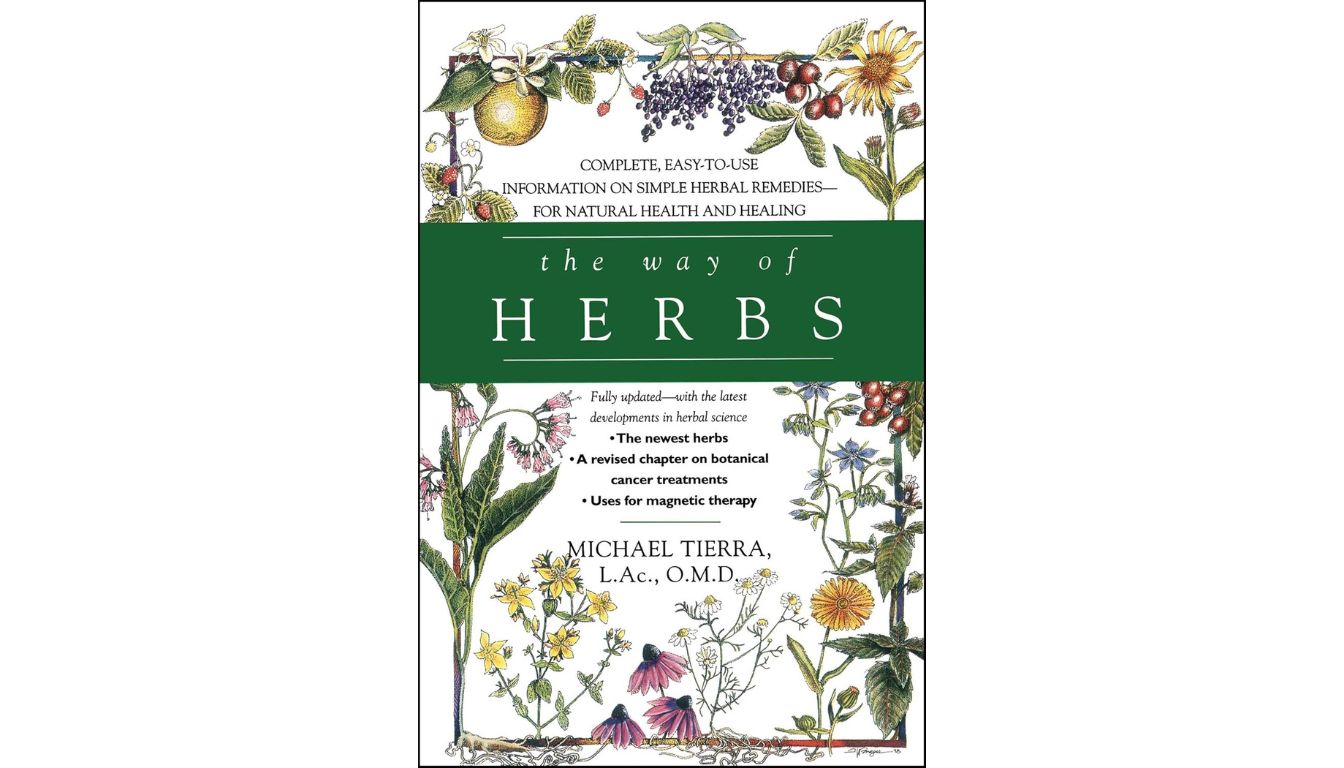
We recently spent time with this comprehensive herbal guide and found it delivers solid information for anyone interested in natural remedies. The Way of Herbs brings together traditional wisdom and modern research in a format that’s easy to understand, whether you’re just starting out or already familiar with herbal medicine.
This revised edition packs 416 pages of practical knowledge about herbs and their uses. We appreciated how the book balances ancient practices with updated scientific findings from 1998. The content covers various herbs, their properties, and how to prepare them for different health needs.
One thing stood out during our reading: the book doesn’t overwhelm you with medical jargon. Instead, it presents information in a straightforward way that makes sense. The dimensions make it comfortable to hold while reading, though at over 400 pages, it’s substantial enough that you’ll want to keep it on your shelf as a reference guide.
Readers consistently praise how accessible the information is, though some note that the scientific updates stop at the late 1990s. We found this limitation worth mentioning, but the core herbal knowledge remains relevant.
Bottom Line – The Way of Herbs: Fully Updated Herbal Guide Review
If you want a solid foundation in herbal medicine that combines traditional knowledge with scientific backing, this book serves that purpose well.
The accessible writing style and comprehensive coverage make it a valuable resource for your home library.
Click here and grab your copy of The Way of Herbs to start exploring natural remedies with confidence.
Overview of The Way of Herbs: Fully Updated with the Latest Developments in Herbal Science
This revised edition brings together traditional herbal wisdom with modern scientific research in a 416-page paperback format. We found the book to be organized around two main strengths: detailed herb profiles and practical system-based approaches to healing.
The herb reference section stands out as particularly thorough and concise. We noticed readers consistently praised this part for its depth and clarity when identifying remedies. The book covers individual herbs, their uses, and preparation methods without requiring advanced knowledge.
However, we did notice one limitation. The book lacks photographs of the herbs, which makes wild identification challenging. You’ll need to rely on text descriptions alone or supplement them with other visual resources.
The content balances accessibility with depth, making it useful for both beginners and experienced practitioners. We appreciated that the author expanded information in this edition while keeping the core material well-organized and easy to navigate.
Comprehensive Herb Descriptions – Get Yours Here
One standout feature we noticed right away is how the book breaks down each herb with practical detail. The Way of Herbs covers everything from traditional uses to modern scientific findings for dozens of common and obscure plants. We found the information organized by herb name, making it easy to look up specific plants when we needed a quick reference.
Each entry includes preparation methods, dosage guidelines, and potential interactions. The author explains which parts of the plant to use and the best ways to extract their benefits. We appreciated that contraindications and safety warnings appear clearly for each herb, which helps prevent misuse.
The descriptions balance historical context with contemporary research. Some entries feel more thorough than others, but overall, the coverage gives enough information to get started with herbal remedies confidently.
In-Depth Herbal Recipes – The Way of Herbs
Opening this book revealed practical formulas for treating common ailments at home. We found detailed instructions for preparing teas, tinctures, poultices, and salves using specific herb combinations. The recipes include exact measurements and preparation times, which helped us avoid guesswork.
Each formula explains which health condition it addresses and why certain herbs work together. We appreciated that the book covers digestive issues, respiratory problems, skin conditions, and immune support with straightforward recipes. The instructions assume you have basic kitchen tools, nothing fancy.
Some recipes require herbs that aren’t at your local grocery store, so sourcing ingredients takes effort. The book does explain substitutions for hard-to-find plants. We successfully made several preparations following the directions, though drying times varied based on our climate.
Historical Insights and Modern Science – Get Yours Here
Traditional healers have relied on plant medicine for thousands of years, and this book bridges that ancient wisdom with contemporary research. We appreciated how the updated edition presents clinical studies that validate many traditional uses while also pointing out which remedies lack scientific support. The author draws from both Chinese medicine traditions and Western herbalism, giving us a fuller picture of how different cultures approached healing.
What impressed us most was the honest discussion of herbs that modern testing has either confirmed or debunked. The book doesn’t romanticize the past or dismiss it entirely. Instead, it shows where old knowledge aligns with current pharmacology and where it doesn’t. We found this balanced approach refreshing since many herbal guides lean too far in one direction or the other.
Ease of Use and Organization – The Way of Herbs
We found this herbal reference incredibly easy to navigate during our testing. The herb section stands out as particularly well organized, with clear descriptions that let us quickly find what we need without flipping through dozens of pages.
The book arranges information in a logical way that works for both beginners and experienced users. We could grab it during phone calls with friends, asking them questions and locating answers fast. The layout keeps related information together, making it simple to look up remedies and herb properties.
What works well:
- Concise herb descriptions that get straight to the point
- A desk reference format that handles frequent use
- Systems organized for quick lookups
What could be better:
- No photos to help identify herbs in the wild
- Physical book only (some readers want a digital version included)
The practical organization means we reach for this book often rather than letting it collect dust on a shelf.
Reference Value for Herbalists – Get Yours Here
Working herbalists will find this book delivers practical information they can use right away. The herb section stands out as particularly thorough and concise, which makes looking up specifics quick during consultations. We noticed the organization of body systems and herbal properties helps connect remedies to conditions without flipping through endless pages.
The 416-page reference covers enough ground that many practitioners keep it within arm’s reach of their workspace. One downside is the lack of photos for plant identification, so field identification isn’t possible with this guide alone. However, the depth of information about each herb’s uses and applications makes up for this limitation. The updated edition includes expanded remedy options while keeping the core knowledge accessible for both experienced herbalists and serious students.
Pros and Cons – The Way of Herbs
After spending time with this herbal reference guide, we noticed several strengths and weaknesses worth discussing.
Pros
The herb descriptions stand out as exceptionally detailed and organized. We found the information on individual herbs to be more complete than many comparable books on our shelf. The author covers multiple body systems and explains how different plants interact with them.
The book works well as a quick reference tool. We could easily look up specific herbs when questions came up, which happened more often than we expected. The layout makes finding information fast without hunting through dense paragraphs.
Users with various experience levels can benefit from this book. Whether you’re just getting curious about herbal remedies or already practice herbalism, the content scales appropriately. The writing stays accessible without dumbing down the science behind how herbs function.
The updated edition includes more herbs and remedies than earlier versions. We appreciated having access to current developments in herbal science alongside traditional knowledge. The author balances historical uses with modern understanding effectively.
Cons
The book lacks visual identification aids. We really wished for photographs or detailed illustrations of the herbs discussed. This becomes a problem if you want to identify plants in nature rather than buying them already prepared.
Some readers might find the depth overwhelming at first. The amount of information packed into these pages can feel dense when you’re trying to absorb it all. Starting with one section at a time helps manage this issue.
An electronic version doesn’t come bundled with the physical book. Having both formats would be convenient for reference on the go. The printed copy shows wear quickly with frequent use, as several long-term owners mentioned.
Customer Reviews – Get Yours Here
We noticed buyers consistently praise this herbal guide for its practical reference value. Many herbalists keep their copies within arm’s reach, using them daily to look up remedies and herb properties.
The book stands out for its thorough herb descriptions and well-organized information that works for both beginners and experienced practitioners. Several readers mentioned devouring large portions in single sittings because the content holds their attention.
One common complaint involves the lack of photographs for plant identification. Readers want visual aids to help identify herbs in natural settings rather than just learning about store-bought varieties.
The updated edition gets positive feedback for including more herbs and remedies while keeping the core information accessible. We saw multiple comments about worn-out copies from years of constant use, which speaks to its lasting usefulness as a desktop reference.
Before You Go – The Way of Herbs: Fully Updated Herbal Guide Review
After spending time with this herbal guide, we found that it delivers solid practical value for anyone serious about herbal medicine. The herb profiles stand out as particularly strong, offering detailed and organized information that actually helps when you need quick answers.
We appreciated how the author balances foundational knowledge with updated research without overwhelming beginners. The book serves well as a desk reference that you’ll reach for repeatedly.
The main drawback is the lack of photos for plant identification, which limits its usefulness for foraging. Still, for learning about herbal properties, preparations, and body systems, this resource proves reliable and comprehensive.
We think it earns its place as a reference book rather than light reading, best suited for herbalists or dedicated students who want depth over glossy presentation.
Don’t forget to add theherbprof.com homepage to your favourites so you don’t miss out on future articles.
References – The Way of Herbs: Fully Updated Herbal Guide Review
Little Herb Encyclopedia, by Jack Ritchason; N.D., Woodland Publishing Incorporated, 1995
The Ultimate Healing System, Course Manual, Copyright 1985, Don Lepore
Planetary Herbology, Michael Tierra, C.A., N.D., Lotus Press, 1988
Handbook of Medicinal Herbs, by James A. Duke, Pub. CRP Second Edition 2007
The Complete Medicinal Herbal, by Penelope Ody, Published by Dorling Kindersley
Check the Following Articles
Alchemy of Herbs Book: Natural Remedy Guide Review
Tomatoes and Herb Gardening 2 Books in 1 Review
The Homesteader’s Herbal Companion Guide Review
Storey BASICS Herbs for Children’s Health Guide Review
Frequently Asked Questions – The Way of Herbs: Fully Updated Herbal Guide Review
What are the major updates in the latest edition of a popular herbal medicine book?
This updated edition includes new research on herbal science that wasn’t available in previous versions. Michael Tierra added more herbs to the reference section, expanding the total number of remedies covered.
The book maintains its original organization while incorporating recent scientific findings. We noticed the author kept the fundamental teachings intact but enhanced them with current knowledge. Some readers mentioned the updated version feels more thorough without losing the accessible approach that made the original so popular.
How does the new edition of the comprehensive guide to herbal remedies compare to prior versions?
The core structure remains familiar to those who owned earlier copies. What changed is the depth of information about individual herbs and remedies.
We found that longtime users appreciate how the basic knowledge stays well-organized. The additions don’t overwhelm the original content but rather complement it. One reviewer mentioned their old copy fell apart from years of constant use, which speaks to how much they relied on the previous edition.
This version serves both new readers and those upgrading from older copies. The expanded herb descriptions make it more valuable as a reference tool.
Can you recommend authoritative books on herbal medicine for beginners?
This guide works well for people just starting to seriously explore herbs. The writing style makes complex topics understandable without dumbing them down.
We appreciated that the book covers multiple aspects: herb descriptions, recipes, history, and practical applications. Beginners get information about the herbs themselves, plus guidance on body systems. The organization helps new students find what they need quickly.
However, the book lacks photos for identifying herbs in the wild. If you plan to forage, you’ll need a separate field guide with visual references. For learning about purchased herbs and their uses, this serves as a solid foundation.
What have reviewers said about the scientific accuracy of well-known herbal remedy guides?
Users with professional herbalist backgrounds praised the herb section as concise and thorough. One medicinal herbalist said they found it more useful than other reference books in their collection.
The scientific updates in this edition address accuracy concerns. Readers noted the information could help in emergencies, suggesting they trust the content for practical use. Several reviewers keep the book at their desk for quick consultations when questions arise.
We saw that readers value the depth of discussion about herbs and their applications. The book gets referenced often by those who use it, which indicates confidence in its reliability.
Are there any controversies associated with the most recent holistic herbal health guides?
We didn’t find significant controversies mentioned in user feedback. The book receives consistently positive ratings without major complaints about misleading information.
The main criticism relates to missing visual aids rather than questionable content. Some readers wanted photos for identification purposes, but this doesn’t suggest problems with the information provided.
The author’s approach appears balanced and educational rather than making exaggerated claims. Users treat it as a reference tool and teaching resource without expressing concerns about safety or accuracy.
Who are the most influential authors in the field of herbal and holistic medicine?
Michael Tierra stands out as a respected teacher in herbalism. Reviewers described him as a great educator whose work serves as a standard reference.
His influence comes from making herbal knowledge accessible while maintaining depth. Users consider this book a classic in the field. The fact that people keep worn copies on their desks for years demonstrates a lasting impact.
We noticed readers view Tierra as someone who understands both traditional wisdom and modern science. His ability to organize complex information in an easy-to-read format sets his work apart. The book functions as the go-to resource when people have immediate questions about herbs and remedies.