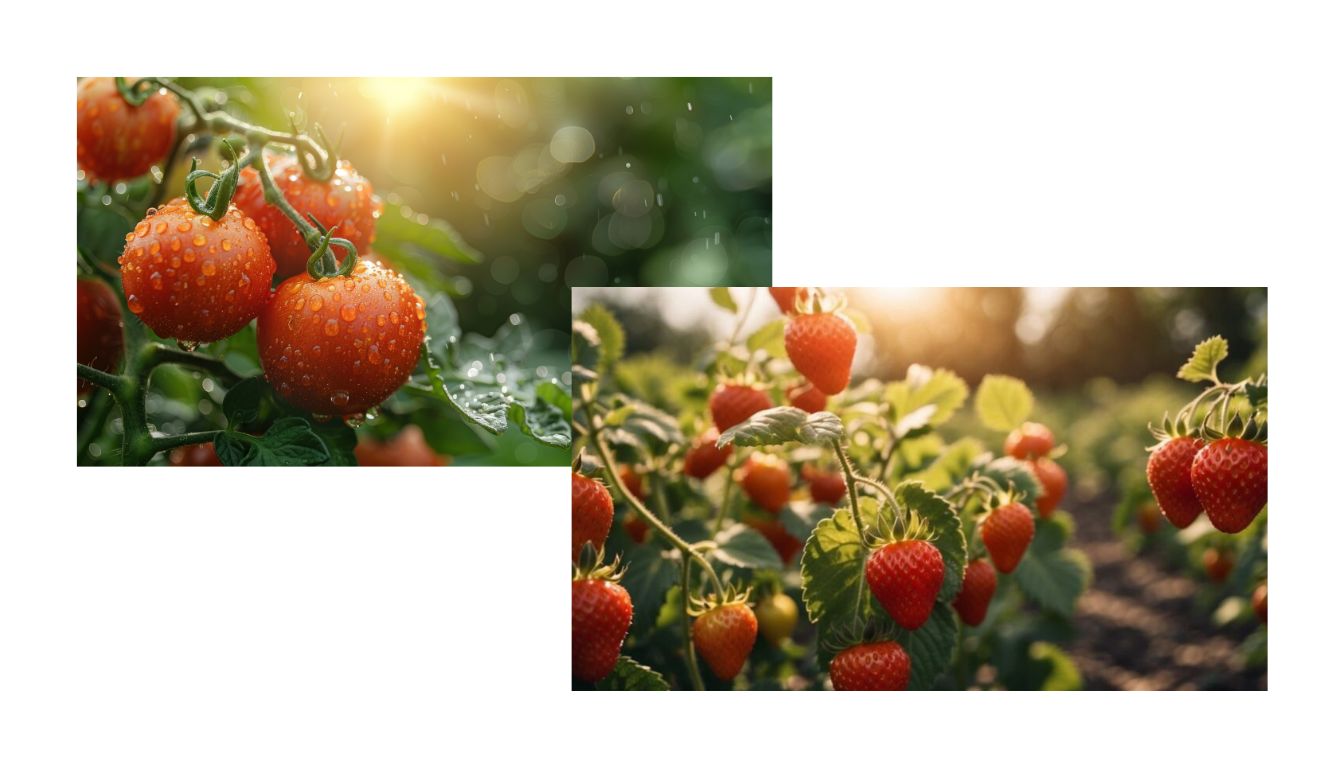
When gardeners plan their beds, a common question often arises: Can strawberries and tomatoes be grown side by side? The short answer is yes, but only if you take a few precautions. Companion planting, a well-loved technique, involves placing different plants together to create mutual benefits.
Strawberries and tomatoes can coexist in the garden, but you’ll need to consider their distinct growing requirements. Tomatoes thrive in full sunlight and demand well-drained soil. Strawberries, on the other hand, prefer cooler conditions and soil rich in organic matter. To make this pairing work, choose a location that supports both plants. When planted together under the right conditions, they can help repel pests and attract beneficial insects, boosting the health of your garden naturally.
Understanding Companion Planting
As a gardener, I always look for ways to make the most of the space I have. One effective method involves planting compatible crops together using a technique called companion planting.
Companion planting means growing different crops side by side to create mutual benefits. These plants support each other by boosting nutrient availability, keeping pests away, and improving soil health.
When I plant strawberries and tomatoes together, I keep a few key factors in mind. Both crops demand nutrient-rich soil and feed heavily, so I make sure they have enough to share without competing. This pairing allows them to access nutrients efficiently and grow without stress.
Another Benefit – Tomatoes and Strawberries: Companion Planting Tips
Pairing strawberries with tomatoes also helps manage pests naturally. Tomatoes repel aphids, while strawberries discourage slugs and snails. By growing them together, I reduce the need for chemical pesticides and build a healthier garden ecosystem.
Still, not every plant makes a good neighbor. Some compete for resources, attract unwanted pests, or stunt each other’s growth. That’s why I always research which crops work well together before planting. Beyond companion planting, I also factor in soil quality, sunlight, water needs, and spacing. Both strawberries and tomatoes thrive in well-drained soil and full sun, so I chose a spot that meets those conditions.
I adjust my watering routine to suit each crop. Strawberries like consistently moist soil, while tomatoes prefer deep, less frequent watering. I tailor my approach to keep both plants happy. Space matters too. Tomatoes grow tall and bushy, while strawberries spread low and wide. I give each plant enough room to grow without crowding, which helps prevent disease and encourages healthy yields.
In the end, planting strawberries and tomatoes together lets me maximize space and promote a thriving garden. By understanding their needs and planning carefully, I create a companion planting setup that truly works.
Challenges of Growing Strawberries and Tomatoes
As a gardener, I have often been asked if it is possible to plant strawberries and tomatoes together. The answer is not a straightforward yes or no. While both are fruits and require similar growing conditions, there are some important considerations to keep in mind.
Disease Issues – Tomatoes and Strawberries: Companion Planting Tips
One of the main concerns when planting strawberries and tomatoes together is the risk of cross-contamination and the spread of fungal diseases such as verticillium wilt and anthracnose. Both plants are susceptible to these diseases, and planting them too close together can increase the risk of infection.
To minimize the risk of disease, it is recommended to plant disease-resistant varieties of both plants. Additionally, it is important to maintain good garden hygiene, such as removing infected plant debris and avoiding overhead watering.
Pest Issues
In addition to fungal diseases, strawberries and tomatoes can also be affected by various insect pests such as aphids and birds. However, there are also beneficial insects that can help control these pests, such as ladybugs and lacewings.
To attract beneficial insects, it is recommended to plant a variety of flowers and herbs in and around the garden. Additionally, covering the plants with netting can help protect them from birds.
While it is possible to plant strawberries and tomatoes together, it is important to take precautions to minimize the risk of disease and pest issues. By planting disease-resistant varieties, maintaining good garden hygiene, and attracting beneficial insects, you can successfully grow these two fruits together in your garden.
Pros and Cons
As a gardener, I am always looking for ways to maximize my garden space and increase my yield. One idea that has intrigued me is planting strawberries and tomatoes together. Here are some pros and cons to consider before planting these two crops in proximity.
Pros
- Companion Planting: Strawberries and tomatoes are considered good companion plants because they have similar soil and light requirements. Planting them together can help save space in the garden and increase yield.
- Shade Tolerance: Strawberries are shade-tolerant and can thrive under the canopy of a tomato plant, which makes them great for intercropping. This can also help reduce soil erosion and water loss.
- Fertilizer: Both strawberries and tomatoes are heavy feeders, so planting them together can help reduce fertilizer costs and make it easier to manage soil nutrients.
Cons – Tomatoes and Strawberries: Companion Planting Tips
- Disease Issues: Tomatoes and strawberries are susceptible to similar diseases, such as verticillium wilt and fusarium wilt. Planting them too close together can increase the risk of infection and reduce yield.
- Pests: Both crops are also vulnerable to similar pests, such as aphids and spider mites. Planting them together can create a pest haven, making it harder to control infestations.
- Water Requirements: Tomatoes require more water than strawberries, which can lead to overwatering and root rot for the strawberries. It is important to keep an eye on soil moisture levels and water accordingly.
- Full Sun: Tomatoes require full sun to produce fruit, while strawberries prefer partial shade. Planting them together can create an environment that is not ideal for either crop.
Planting strawberries and tomatoes together can be a good idea if done correctly. It is important to consider the pros and cons and make sure that the two crops are compatible in terms of light, water, and soil requirements. If you decide to give it a try, make sure to monitor your plants closely for any signs of disease or pest infestation.
Companion Planting Tips That Work
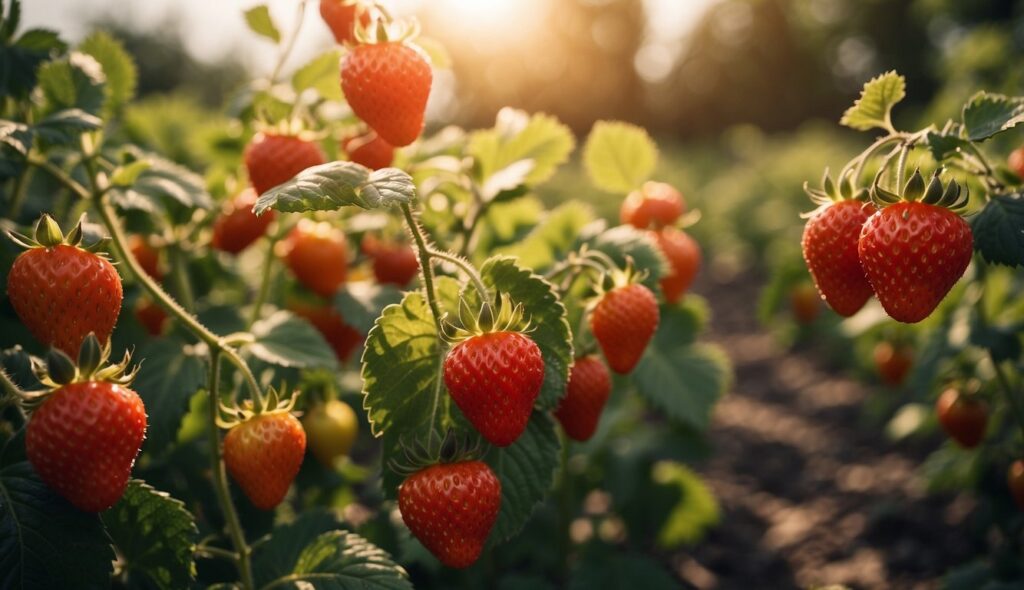
As a gardener, I have found that growing strawberries and tomatoes together can be a great way to maximize space and yield. Here are some tips to help you grow these two plants harmoniously in the same garden:
Soil Fertility
Both strawberries and tomatoes thrive in fertile soil with plenty of organic matter. Before planting, make sure to amend your soil with compost or other organic fertilizers to improve soil fertility.
Mulch
Mulching around your plants can help retain moisture and suppress weeds. A layer of straw or other organic mulch can be particularly beneficial for strawberries, which have shallow roots and need to be kept moist.
Watering and Drainage
Regular watering is important for both strawberries and tomatoes. However, it’s essential to ensure good drainage to prevent waterlogging and root rot. Raised beds or containers can be a great way to improve drainage and prevent waterlogging.
Temperature Requirements
Strawberries and tomatoes have slightly different temperature requirements. Tomatoes prefer warm temperatures and need plenty of sunlight, while strawberries prefer cooler temperatures and partial shade. Planting strawberries on the north side of your tomato plants can provide them with some shade during the hottest part of the day.
Support
Tomatoes are often grown with support, such as stakes or cages, to keep them upright and prevent sprawling. Strawberries, on the other hand, are often grown as ground cover. However, providing some support for your strawberry plants can help keep the fruit clean and prevent rotting.
By following these tips, you can successfully grow strawberries and tomatoes together in the same garden. With a little bit of care and attention, you can enjoy a bountiful harvest of both fruits.
Before You Go – Tomatoes and Strawberries: Companion Planting Tips
Planting strawberries with tomatoes can be a great way to maximize your planting area. However, it is important to consider their different growing requirements. While tomatoes need full sunlight and well-drained soil, strawberries prefer cooler temperatures and soil that is high in organic matter.
As a gardener, it is important to plan and consider crop rotation. Planting strawberries and tomatoes in the same area year after year can lead to soil-borne diseases and pests. Therefore, it is recommended to rotate crops every year to avoid these issues.
In the spring and summer months, it is important to water both strawberries and tomatoes regularly. However, strawberries are a bit more delicate than tomatoes and will need more care when it comes to watering and fertilizing. It is important to keep the soil moist but not waterlogged.
In summary, planting strawberries with tomatoes is possible, but it is important to consider their different growing requirements and plan for crop rotation. With proper care and attention, both plants can thrive in your garden and provide a bountiful harvest.
Don’t forget to add theherbprof.com homepage to your favourites so you don’t miss out on future articles!
References – Tomatoes and Strawberries: Companion Planting Tips
Little Herb Encyclopedia, by Jack Ritchason; N.D., Woodland Publishing Incorporated, 1995
The Ultimate Healing System, Course Manual, Copyright 1985, Don Lepore
Planetary Herbology, Michael Tierra, C.A., N.D., Lotus Press, 1988
Handbook of Medicinal Herbs, by James A. Duke, Pub. CRP Second Edition 2007
The Complete Medicinal Herbal, by Penelope Ody, Published by Dorling Kindersley
Check the Following Articles
Coffee Grounds in Tomato Gardening: Pros, Cons, and Tips
Tomato Plants Winter: Keeping Them Alive and Thriving
How Long Do Tomato Plants Take To Grow: The Guide
Frequently Asked Questions – Tomatoes and Strawberries: Companion Planting Tips
What are the ideal companion plants for strawberries in a garden setting?
Strawberries are known for being great companion plants to a variety of other fruits and vegetables. Some of the best companion plants for strawberries include borage, sage, dill, chives, coriander, thyme, caraway, and catnip. These plants can help deter pests, improve soil quality, and enhance the flavor of the strawberries.
Are there any negative effects of planting strawberries and tomatoes in proximity?
While it is possible to plant strawberries and tomatoes in proximity, there are some negative effects to consider. Both plants are highly susceptible to fungal diseases such as verticillium wilt and anthracnose, which can easily spread from one plant to another. To avoid this, it is recommended to plant tomatoes and strawberries in different areas of the garden.
Which plants should be avoided when designing a garden with strawberries?
When designing a garden with strawberries, it is important to avoid planting certain plants that can be harmful to the strawberry plants. Some of these plants include nightshade plants, such as peppers, eggplants, and potatoes, as well as plants that attract slugs and snails, such as lettuce and cabbage.
How can planting certain companions help deter pests from strawberries?
Planting certain companion plants can help deter pests from strawberries. For example, planting marigolds, nasturtiums, and petunias can help repel aphids, while planting garlic, onions, and chives can help repel slugs and snails. Additionally, planting herbs such as basil and rosemary can help repel a variety of pests.
What is the recommended spacing between strawberry and tomato plants to ensure healthy growth?
To ensure healthy growth, it is recommended to space strawberry and tomato plants at least 2-3 feet apart. This will help prevent the spread of fungal diseases and allow both plants to receive adequate sunlight and nutrients.
Is there a possibility of cross-pollination between strawberry and tomato plants, and what would be its impact?
While it is unlikely for strawberries and tomatoes to cross-pollinate, there is a possibility for it to occur under certain circumstances. If cross-pollination were to occur, it would not have a significant impact on the fruit produced by either plant. However, it is important to note that cross-pollination can lead to genetic variability in the offspring of both plants.