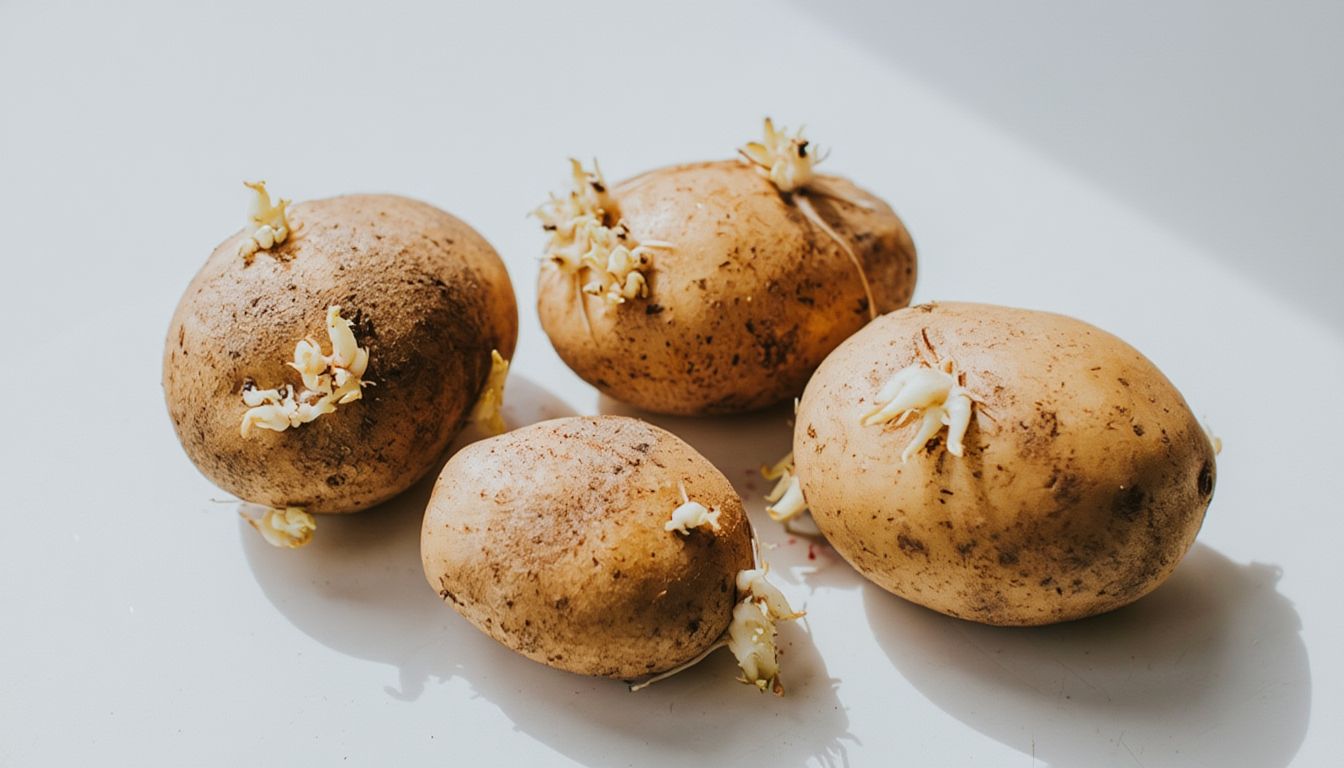
Potatoes are a staple food in many parts of the world, and for good reason. They are versatile, nutritious, and delicious. However, sometimes potatoes can develop roots, which can be confusing and concerning for those unfamiliar with this phenomenon. Understanding what to do with potatoes that sprout roots helps you decide whether to cook them, plant them, or discard them, depending on their condition.
Potatoes are tubers, which means that they grow underground. As they grow, they develop roots that help them absorb nutrients and water from the soil. Sometimes, these roots can grow out of the potato itself, which can make it look like the potato is sprouting. Although this may appear unusual, it is actually a sign that the potato is healthy and growing well. In fact, some people even intentionally grow potatoes in this way, by planting them with the roots facing upwards so that they can grow more easily.
If you see roots growing out of your potatoes, there is no need to panic. It is perfectly safe to eat potatoes that have roots, as long as they are still firm and not shriveled or wrinkled. However, if your potatoes have started to sprout long green shoots, you may want to cut those off before cooking them, as they can have a bitter taste.
Understanding Potato Biology and Growth
Potatoes may look simple, but their biology reveals a fascinating story of underground stems, sprouting eyes, and a unique reproductive cycle. This chapter explores how potatoes grow, sprout, and develop into the plants we know.
The Anatomy of a Potato – What To Do With Potatoes That Sprout Roots?
Potatoes grow underground as tubers and form a distinctive shape with “eyes” or buds on the surface. These eyes act as stem buds and produce new plants when you plant the potato. The potato does not function as a root; instead, it develops as a modified underground stem. The plant sends out fibrous roots that spread horizontally through the soil.
Sprouting Explained
Potatoes sprout when warmth and moisture reach them. The eyes of the potato produce sprouts that grow longer if you don’t remove them. Sprouted potatoes can be safe to eat in some cases, but they also develop higher levels of solanine, which becomes toxic in large quantities.
Once sprouts appear, the potato begins shifting from storage mode to growth mode, which connects directly to its reproductive cycle.
Growth Requirements for Potatoes
Potatoes grow properly when they receive the right combination of soil, water, and sunlight. They thrive in loose, well‑draining soil enriched with organic matter. They need consistent moisture, but excess water causes rot in the tubers. Sunlight plays a crucial role in potato growth because the plant uses it to produce energy through photosynthesis.
How Potato Plants Grow
Potato plants can grow up to 4 feet tall and have a bushy appearance. They produce small white or pink flowers that eventually give way to small green fruits. These fruits contain seeds that can be used to grow new plants, but most potatoes are grown from seed potatoes, which are small pieces of potato that are planted in the soil.
Potato’s Role in Photosynthesis
Potato plants use photosynthesis to produce energy from sunlight, which they use to grow and produce tubers. Photosynthesis occurs in the leaves of the plant, where chlorophyll captures energy from the sun and converts it into usable energy for the plant.
The Potato’s Reproductive Cycle
Potatoes reproduce through sexual reproduction, and the plants produce flowers and fruits during this process. The fruits hold seeds that can grow into new potato plants. However, most growers rely on seed potatoes instead. They cut small pieces of potato and plant them directly in the soil to start new growth.
Potato Varieties and Nutrition – What To Do With Potatoes That Sprout Roots?
Not all potatoes are the same. From russets to reds, each variety offers distinct flavors and nutritional benefits. This chapter highlights the diversity of potatoes and explains why they remain a staple in diets worldwide.
Health Aspects of Potatoes
Potatoes provide a rich source of nutrients, including potassium, vitamin C, and dietary fiber. They also develop toxins such as solanine and glycoalkaloids, which cause illness when consumed in large amounts. Green potatoes and potato sprouts contain higher levels of these toxins, so avoid eating them.
Potato Varieties and Their Characteristics
Many different varieties of potatoes grows around the world, and each one shows unique characteristics. Russet potatoes develop a rough texture and work well for baking. Red potatoes grow smaller and deliver a sweeter flavor.
Potato Nutritional Content
Potatoes are a good source of nutrients, including potassium, vitamin C, and dietary fiber. They are also low in fat and calories, making them a healthy addition to any meal. Although potatoes provide valuable nutrients, they also carry natural defenses that can become harmful.
Potato Storage, Safety, and Risks
Potatoes can nourish us, but they also carry risks if stored or consumed improperly. This chapter covers how to store potatoes safely, recognize spoilage, and avoid toxins like solanine.
Toxins in Potatoes – What To Do With Potatoes That Sprout Roots?
Potatoes contain toxins such as solanine and glycoalkaloids, and large amounts of these substances cause illness. Green potatoes and potato sprouts hold the highest levels of these toxins, so avoid eating them.
Potato Dormancy and Storage
Potatoes enter a period of dormancy after harvest, and this stage lets you store them for longer periods. Keep potatoes in a cool, dark, dry place such as a pantry or cellar to preserve their quality. Do not store potatoes in the refrigerator, because cold temperatures make them taste sweet and develop an off flavor.
Signs of Potato Spoilage
Potatoes can spoil if they are not stored properly or if they are exposed to moisture or warmth. Signs of potato spoilage include a soft texture, a foul odor, and the presence of mold or sprouts.
Why Green Potatoes Are Dangerous
Green potatoes can contain higher levels of solanine and glycoalkaloids, which can cause illness in large quantities. Symptoms of solanine poisoning can include vomiting, diarrhea, headaches, and even death in extreme cases. If you suspect that you have eaten green potatoes or are experiencing symptoms of solanine poisoning, contact your local poison control center immediately.
Potato Diseases and Pests
Potatoes can be susceptible to a variety of diseases and pests, including blight, scab, and aphids. Disease-resistant potato varieties are available and can be a good choice for farmers and gardeners looking to avoid these issues.
Cultivation and Planting Techniques – What To Do With Potatoes That Sprout Roots?
Successful potato cultivation begins long before harvest. In this section, you’ll learn how to prepare the soil, choose the right location, and plant seed potatoes correctly. From sunlight requirements to compost enrichment and trench spacing, these steps lay the foundation for strong, healthy plants and abundant yields.
Preparing for Planting – What To Do With Potatoes That Sprout Roots?
Before you plant potatoes, choose a location that receives at least 6 hours of sunlight per day. Potatoes thrive in loose, well‑drained soil with a pH between 5.0 and 5.5. Avoid heavy clay soils, since they cause poor drainage and rot the tubers.
Loosen the soil to a depth of 18 inches (45 cm) and mix in compost or aged manure before planting. These amendments improve soil structure and nutrient content, which strengthen root growth and increase yields.
Planting Potatoes
Plant potatoes in the spring, 2–4 weeks before the last frost date. Use seed potatoes for planting, and cut them into pieces with at least one “eye” on each piece. Let the pieces dry for a day or two before planting to reduce the risk of rotting.
Dig a trench about 4–6 inches deep and place the seed potatoes inside with the eyes facing upward. Space the seed potatoes about 12 inches apart and cover them with soil. As the plants grow, add soil gradually to the trench until it reaches the level of the surrounding ground.
Caring for and Harvesting Potatoes
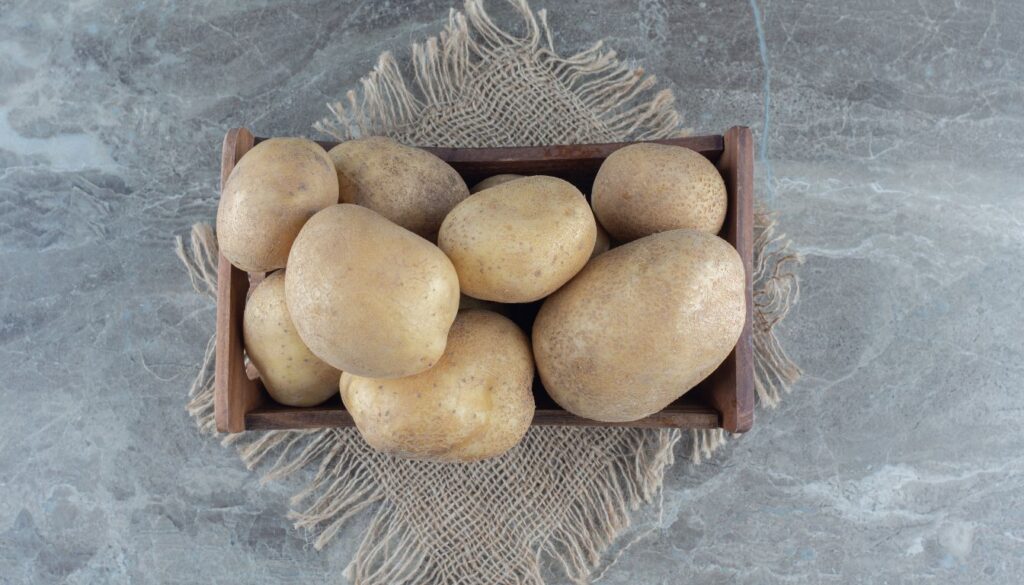
Once potatoes are in the ground, consistent care ensures they thrive. This section covers watering and nutrient management, techniques like staking and hilling to support growth, and the best practices for harvesting without damaging the tubers. By following these methods, you’ll guide your plants from sprouting roots to a rewarding harvest.
Watering and Nutrient Management – What To Do With Potatoes That Sprout Roots?
Potatoes need consistent moisture throughout the growing season. Water them deeply once a week, and increase the frequency during dry spells. Avoid overwatering, since excess moisture rots the tubers. Potatoes also need adequate nutrients, including potassium, nitrogen, and phosphorus.
Organic fertilizers such as compost or well-rotted manure can be used to provide these nutrients. Gardeners should avoid using high-nitrogen fertilizers, as they can promote excessive foliage growth at the expense of tuber development.
Supporting Potato Growth
As potato plants grow, they can become top-heavy and may require support to prevent them from falling over. Staking or caging can be used to support the plants.
Hilling is another technique that can be used to support potato growth. This involves mounding soil around the base of the plants as they grow, which can help support the stems and promote tuber development.
Harvesting Potatoes – What To Do With Potatoes That Sprout Roots?
Potatoes are typically ready to harvest when the plants begin to die back. Gardeners should wait until the soil has dried out before harvesting to prevent damage to the tubers.
To harvest potatoes, gently dig them up with a garden fork or shovel. Care should be taken not to damage the tubers during harvesting. After harvesting, allow the potatoes to dry in a cool, dark place for a few days before storing them.
Potato Storage and Preservation – What To Do With Potatoes That Sprout Roots?
I have learned the importance of storing potatoes properly to ensure their longevity. Proper storage is key to prevent the potatoes from sprouting and to keep them fresh for as long as possible. In this section, I will share some tips on how to store and preserve potatoes.
Storing Potatoes Properly
Potatoes should be stored in a cool, dark, and dry place. The ideal temperature for storing potatoes is between 45-50°F (7-10°C), and the humidity level should be around 90%. A cool and humid environment will help keep the potatoes in dormancy and prevent them from sprouting. It is important to keep the potatoes away from light, as it can cause the potatoes to turn green and become bitter.
A dark place, like a pantry or a root cellar, is perfect for storing potatoes. If you do not have a root cellar, you can store the potatoes in a cardboard box or a paper bag in a cool and dark place. Avoid storing potatoes in the refrigerator as the cold temperature can convert the potato starch into sugar, causing the potato to become sweet and discolored.
Extending the Shelf Life of Potatoes
To extend the shelf life of potatoes, it is important to check them regularly for any signs of sprouting or rotting. Remove any sprouted or rotten potatoes immediately to prevent them from affecting the other potatoes.
To prevent the potatoes from sprouting, you can store them with an apple or a raw potato. Apples and raw potatoes release ethylene gas, which helps to keep the potatoes in dormancy and prevent them from sprouting.
Another way to extend the shelf life of potatoes is to blanch them before storing. Blanching means boiling the potatoes for a few minutes and then quickly cooling them. This process kills bacteria and enzymes that would otherwise cause the potatoes to spoil. Once blanched, you can store the potatoes in the freezer for up to 8 months.
Potato Preparation and Usage
Potatoes are a staple food for many people around the world, and they are known for their versatility and nutritional value. However, sometimes potatoes can grow roots, which may cause concern for some people. In this section, I will discuss how to prepare and use potatoes, including how to deal with potatoes that have grown roots.
Preparing Potatoes for Consumption – What To Do With Potatoes That Sprout Roots?
Before using potatoes, it is important to properly clean and prepare them. This includes washing them thoroughly under running water and removing any dirt or debris. If the potatoes have grown roots, these can be cut out with a knife or peeled off using a vegetable peeler. However, if the roots are very long or the potato has become soft or wrinkled, it is best to discard it.
Cooking with Potatoes
Potatoes can be cooked in a variety of ways, including boiling, baking, frying, and mashing. When boiling potatoes, it is important not overcook them, as this can cause them to become mushy. Baked potatoes can be a healthy and filling meal, but it is best to avoid adding too much butter or sour cream. Frying potatoes can be a tasty treat, but it is important to use a healthy oil and not overcook them.
Non-Edible Uses of Potatoes
Potatoes have many uses beyond just being a food source. They can be used to make glue, as a natural dye, and even as a battery.
However, it is important to note that potatoes can also become toxic if they are exposed to light and begin to turn green. This is due to the buildup of a toxin called solanine, which can cause nausea, vomiting, and other symptoms if ingested. Therefore, it is important to store potatoes in a cool, dark place and to discard any that have turned green.
Understanding Potato-Related Health Concerns
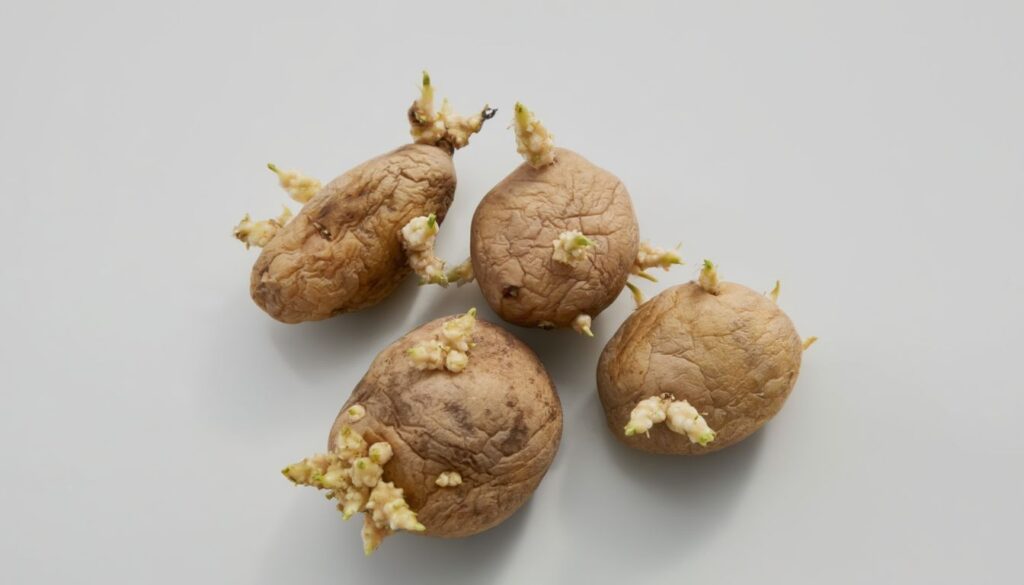
I understand the importance of ensuring that the potatoes we consume are safe and healthy. Potatoes are a great source of nutrients such as potassium and starch, but they can also pose some health risks if not handled properly.
Identifying and Addressing Toxicity – What To Do With Potatoes That Sprout Roots?
One of the main health concerns related to potatoes is the presence of solanine, a toxic compound found in the leaves, stems, and sprouts of potatoes.
Solanine can cause symptoms such as nausea, vomiting, diarrhea, and headaches. In severe cases, it can even lead to coma or death. To avoid solanine toxicity, it is important to properly store and handle potatoes. Green potatoes, which contain high levels of solanine, should be avoided.
Additionally, potatoes that have sprouted or have green spots should be discarded. If you suspect solanine toxicity, contact your local poison control center immediately.
Potatoes in a Healthy Diet
Despite the potential health risks, potatoes can be a healthy addition to a balanced diet. Potatoes are a good source of nutrients such as potassium, vitamin C, and fiber. They can also be prepared in a variety of ways, from baked to mashed to roasted.
To maximize the health benefits of potatoes, it is important to consume them in moderation and in a balanced diet. Eating too many potatoes can lead to weight gain and other health issues. Additionally, it is important to avoid consuming potatoes that have been deep-fried or loaded with unhealthy toppings such as cheese and bacon.
Potato Cultivation Best Practices – What To Do With Potatoes That Sprout Roots?
I have learned that growing potatoes is not as simple as just planting them in the ground and waiting for them to grow. There are several factors to consider to ensure that you get a bountiful harvest, including selecting the right potato variety, optimizing soil conditions, effective planting strategies, and managing sunlight and watering.
Selecting the Right Potato Variety
There are many potato varieties to choose from, each with its own unique flavor and texture. When selecting a variety, consider the conditions of your garden and your personal taste preferences.
For example, if you have heavy clay soil, you may want to choose a variety that is known for its ability to grow well in those conditions. Some popular potato varieties include Russet, Yukon Gold, and Red Pontiac.
Optimizing Soil Conditions
Potatoes thrive in well-draining soil that is rich in organic matter. Before planting, make sure to amend your soil with compost or other organic matter to improve its texture and nutrient content.
You may also want to consider adding soil amendments such as bone meal or rock phosphate to provide your potatoes with the nutrients they need to grow strong and healthy.
Effective Planting Strategies – What To Do With Potatoes That Sprout Roots?
When planting potatoes, it is important to space them properly to allow for adequate growth. Plant seed potatoes about 12 inches apart and 4 inches deep, with the eyes facing up.
You should also aim to plant your potatoes about 2-3 weeks before the last frost date in your area to ensure that they have enough time to grow before the weather turns cold.
Managing Sunlight and Watering
Potatoes require full sun to grow, so make sure to plant them in an area of your garden that receives at least 6 hours of sunlight per day. Additionally, potatoes require consistent watering throughout the growing season, especially when rainfall is low.
To reduce the incidence of disease and keep plants healthy, always water at the roots and avoid getting water on the leaves as much as possible. Consider using drip irrigation in dry areas to ensure that your potatoes receive the water they need to grow strong and healthy.
Potato Industry and Market Insights
I have observed that potatoes are one of the most widely grown crops globally. Potatoes are grown in more than 100 countries, with China being the largest producer of potatoes, followed by India, Russia, and Ukraine.
Global Potato Production Trends – What To Do With Potatoes That Sprout Roots?
According to a report by Mordor Intelligence, the global potato market is expected to grow at a CAGR of 3.5% during the forecast period (2024-2029). The report also states that the potato market size was estimated at USD 115.74 billion in 2024 and is expected to reach USD 137.46 billion by 2029.
The increasing demand for potatoes can be attributed to their versatility, affordability, and nutritional value. Potatoes are a good source of carbohydrates, vitamins, and minerals, making them a staple food in many countries.
I have noticed that the potato industry is constantly evolving. With the advent of new technologies, farmers are now able to grow potatoes more efficiently, resulting in higher yields and better quality potatoes.
Before You Go – What To Do With Potatoes That Sprout Roots?
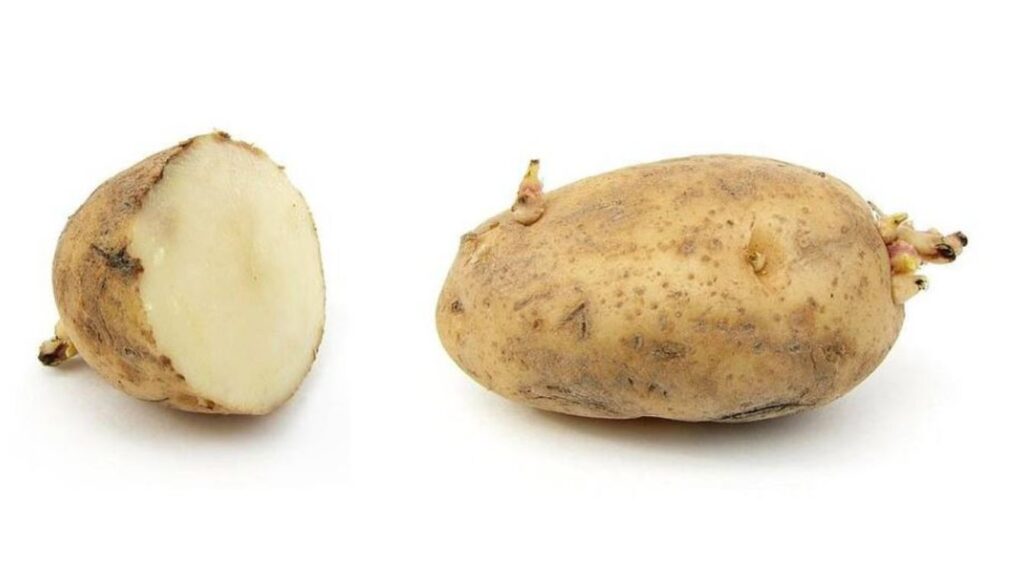
Rooting potatoes with sprouts or roots growing out of them offers you a simple way to extend their life and turn kitchen scraps into a fresh harvest. By planting sprouted potatoes in soil, you encourage new growth and create a sustainable cycle that reduces waste while providing nutritious food.
Before you finish, remember to choose healthy sprouted potatoes, prepare well‑draining soil, and give them consistent water and sunlight. With a little care and patience, those roots can transform into thriving plants that reward you with a new crop of potatoes right from your garden.
Don’t forget to add theherbprof.com homepage to your favourites so you don’t miss out on future articles!
References – What To Do With Potatoes That Sprout Roots?
Little Herb Encyclopedia, by Jack Ritchason; N.D., Woodland Publishing Incorporated, 1995
The Ultimate Healing System, Course Manual, Copyright 1985, Don Lepore
Planetary Herbology, Michael Tierra, C.A., N.D., Lotus Press, 1988
Handbook of Medicinal Herbs, by James A. Duke, Pub. CRP Second Edition 2007
The Complete Medicinal Herbal, by Penelope Ody, Published by Dorling Kindersley
Check the Following Articles
Rare Veggies: Uncommon Vegetables to Add to Your Diet
Types of Tomatoes: The Mega Guide to Tomato Varieties
Vegetable Beets: A Nutritious Root Vegetable for Your Diet
Natural Ant Deterrent: Effective Solutions for Your Home
Frequently Asked Questions – What To Do With Potatoes That Sprout Roots?
What should be done with potatoes once they have sprouted?
Once potatoes have sprouted, it is best to remove the sprouts before cooking or consuming them. The sprouts can have a bitter taste and can contain toxins that are harmful to humans. Simply cut off the sprouts and any green spots before cooking the potatoes.
Are potatoes with sprouts still safe for consumption?
While potatoes with sprouts are generally safe to eat, it is best to remove them before cooking or consuming the potatoes. The sprouts can contain toxins that are harmful to humans, and they can also have a bitter taste.
What are the risks of eating sprouted potatoes?
Eating sprouted potatoes can be harmful to humans because the sprouts can contain toxins, such as solanine, which can cause nausea, vomiting, and diarrhea. In severe cases, consuming large amounts of solanine can lead to death. It is best to remove the sprouts before cooking or consuming potatoes.
How can you prevent potatoes from sprouting?
To prevent potatoes from sprouting, store them in a cool, dark, and dry place, such as a pantry or cellar. Avoid storing potatoes in the refrigerator, as the cold temperature can cause them to sprout more quickly. Additionally, do not store potatoes near onions or apples, as they can release gases that can cause potatoes to sprout.
Can sprouted potatoes be planted to grow new plants?
Yes, you can plant sprouted potatoes to grow new plants. Cut the potato into pieces, making sure each piece has at least one sprout. Plant the pieces in well‑drained soil, cover them with a few inches of soil, and water consistently until new sprouts emerge.
What causes potatoes to start growing sprouts?
Potatoes sprout when exposed to light or warm temperatures. If you store them in a warm, bright place, they sprout as a survival mechanism. Prevent sprouting by keeping potatoes in a cool, dark, dry location.