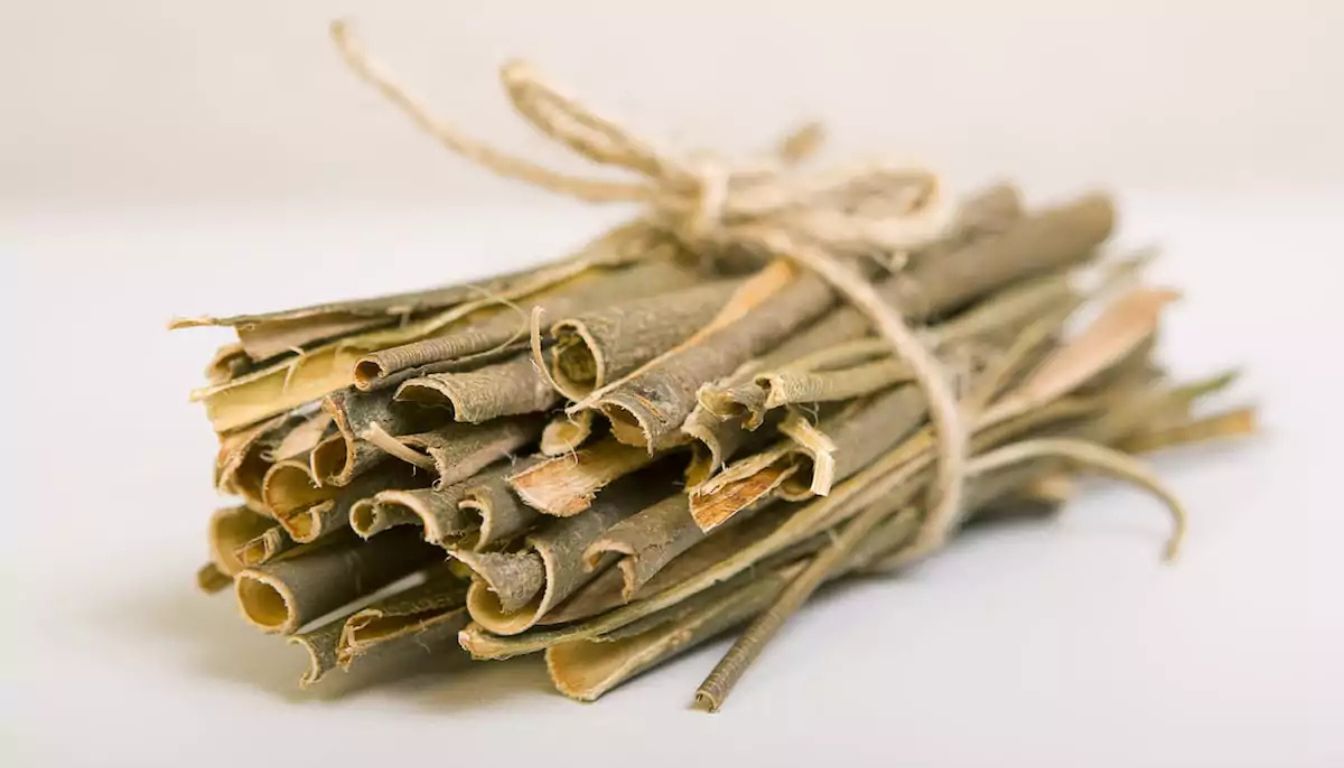
If you’re looking for a natural remedy that’s stood the test of time, then white willow bark might just be your answer. For centuries, this remarkable plant has been celebrated for its healing properties, offering a gentle alternative to synthetic pain relievers. By tapping into its benefits, you can harness the power of nature to ease your discomfort and enhance your well-being.
So, what makes it so special? It contains salicin, a compound that the body converts into salicylic acid, the same ingredient found in aspirin. As a result, you can enjoy similar benefits without the typical side effects. Whether you’re struggling with headaches, joint pain, or inflammation, this could be a game-changer in your wellness routine. With that in mind, let’s dive deeper into this incredible herb and discover how it can support your health naturally.
Overview of White Willow Bark
White willow bark comes from the Salix alba tree, a plant known for its long-standing medicinal uses. Specifically, the inner bark contains salicin, a compound that transforms into salicylic acid in the body. Consequently, this transformation provides pain relief and anti-inflammatory effects, akin to what I get from aspirin, but without some of the side effects.
Typically, people use it for headaches, joint pain, and muscle soreness. Personally, I find it particularly effective when I want to manage aches naturally. Historically, its traditional use dates back thousands of years, with ancient cultures relying on it for relief.
Moreover, white willow bark isn’t just for pain relief. In fact, some research suggests it also has potential benefits for conditions like arthritis and back pain. By integrating it into my wellness routine, I’ve found it beneficial in addressing various ailments. Ultimately, it’s always refreshing to find a natural remedy with such a rich history and proven effectiveness.
Historical Uses
White willow bark has deep roots in traditional healing practices. Ancient cultures utilized it for its pain-relieving properties. Egyptians and Greeks relied on it for headaches, fevers, and general aches. While modern medicine has taken many forms, the essence of using it for relief remains popular.
Traditional Medicine
Across different cultures, traditional medicine valued white willow bark for centuries. Notably, Native Americans used it to treat fevers and inflammation. Similarly, Asian herbalists often recommended it for arthritis and muscle pain. Together, these practices highlighted the bark’s effectiveness in soothing discomfort. Individuals would prepare teas or poultices for direct application. As a result, many found relief with these natural remedies, establishing a legacy of trust in this plant.
Cultural Significance
White willow bark holds cultural significance in various regions. In particular, ancient Europe saw it not only as a remedy but also as a symbol of nature’s healing powers. People attributed magical qualities to the bark, integrating it into rituals and celebrations. This deep connection to nature fostered a respect for herbal medicine and natural therapies. Over time, the bark’s popularity grew globally, showcasing its enduring legacy. Ultimately, its historical roots enrich the appreciation for its continued use today.
Active Compounds
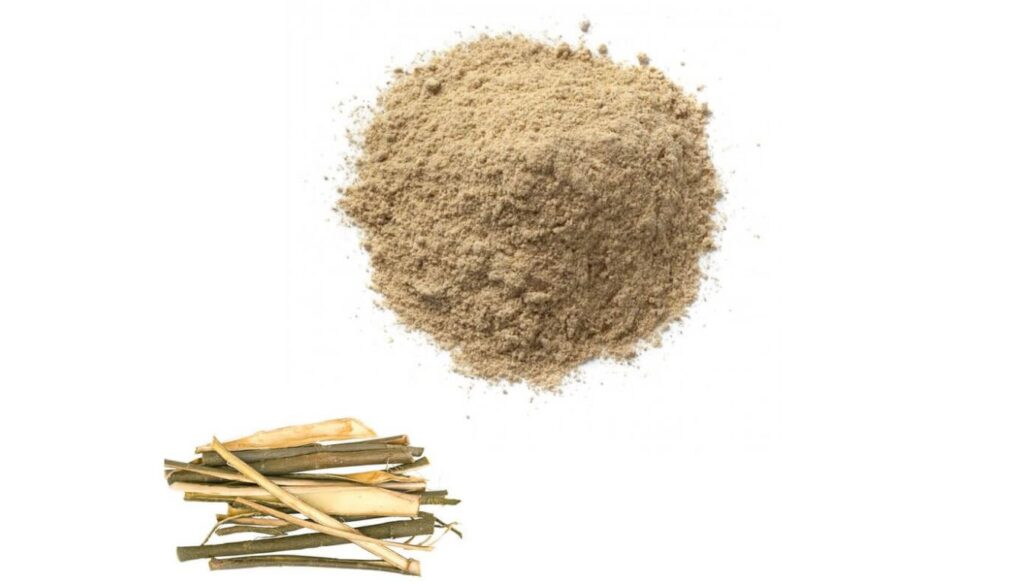
White willow bark contains several active compounds that contribute to its healing properties. Let’s explore these compounds and their effects.
Salicin and Its Effects
Salicin is the main component. When I consume it, my body converts salicin into salicylic acid. This transformation provides pain relief similar to aspirin without the unwanted side effects. Salicin effectively reduces inflammation, alleviates headaches, and eases joint pain. It’s fascinating how this natural compound works in harmony with my body to promote healing.
Health Benefits
White willow bark offers several notable health benefits, mainly due to its active compound, salicin. This natural remedy shines when it comes to easing pain and reducing inflammation, making it a valuable addition to wellness routines.
Pain Relief
Pain relief is one of the most sought-after attributes. Many people find it effective for headaches and muscle aches. I often turn to it when experiencing any discomfort. Unlike traditional pain relievers, its natural approach means fewer side effects. Users might notice relief within 30 to 60 minutes. That’s a win in my book!
Anti-Inflammatory Properties
Anti-inflammatory properties stand out as another significant benefit. Salicin works to reduce swelling and discomfort in conditions like arthritis. I appreciate that white willow bark promotes healing without relying on synthetic ingredients. Research shows it can help manage chronic inflammation, leading to a better quality of life for many. It actively supports recovery, allowing people to return to their everyday activities with less pain.
Potential Uses in Modern Medicine
Potential uses in modern medicine continue to evolve. Researchers study white willow bark for its role in treating conditions like osteoarthritis and back pain. Some even explore its effects in combination with other natural remedies, creating a holistic approach. I find it exciting that this ancient remedy still garners attention in scientific circles. Its broad safety profile makes it appealing for those seeking alternatives to conventional medications.
So, white willow bark combines tradition with potential modern applications. It stands ready to assist in pain management and inflammation reduction, showing its timeless value in health and wellness.
Side Effects and Risks
Using white willow bark can lead to some side effects and risks. Some individuals may experience stomach upset or nausea. Others report allergic reactions, including skin rashes and itching. If any of these issues occur, it’s vital to stop use immediately.
Bleeding risks increase with its usage. This risk rises if someone also takes blood-thinning medications, such as warfarin or aspirin. Combining these substances can lead to excessive bleeding, so caution is necessary.
Pregnant and breastfeeding individuals should avoid it. There’s not enough research proving it’s safe during these times. It’s better not to take chances with one’s own health or a baby.
Children under 18 should not take it. The safety for kids remains unclear, so seeking a healthcare professional’s advice is important.
Before starting any supplement, consider discussing it with a healthcare provider. This helps ensure no negative interactions occur with existing health conditions or medications. Remember, being informed leads to safer choices.
Before You Go – White Willow Bark Explained: Natural Pain Relief
Exploring white willow bark has been an enlightening journey into a natural remedy with deep historical roots. Its ability to provide relief from pain and inflammation makes it a compelling option for those seeking alternatives to conventional medications.
I appreciate how this herb connects us to ancient practices while offering modern benefits. However, it’s essential to approach its use with caution and awareness of potential side effects. Consulting a healthcare provider ensures a safe experience as you incorporate this natural remedy into your wellness routine.
Ultimately, this stands as a testament to nature’s healing power and its relevance in today’s health landscape.
Don’t forget to add theherbprof.com homepage to your favourites so you don’t miss out on future articles!
References – White Willow Bark Explained: Natural Pain Relief
Little Herb Encyclopedia, by Jack Ritchason; N.D., Woodland Publishing Incorporated, 1995
The Ultimate Healing System, Course Manual, Copyright 1985, Don Lepore
Planetary Herbology, Michael Tierra, C.A., N.D., Lotus Press, 1988
Handbook of Medicinal Herbs, by James A. Duke, Pub. CRP Second Edition 2007
The Complete Medicinal Herbal, by Penelope Ody, Published by Dorling Kindersley
Check the Following Articles
Herb Ripper Grinder Review: Is It Worth the Hype?
Just Herbs Review: Where Ayurveda and Science Blend
Dab Herb Makeup Review: The Ultimate Vegan Cosmetics
Frequently Asked Questions – White Willow Bark Explained: Natural Pain Relief
What is white willow bark used for?
It is primarily used for natural pain relief, particularly for headaches, joint pain, and muscle soreness. Its active compound, salicin, is converted into salicylic acid in the body, offering anti-inflammatory benefits similar to aspirin.
How does white willow bark work?
Works by reducing inflammation and alleviating pain through its main active component, salicin. The body processes salicin into salicylic acid, which helps minimize discomfort associated with aches and inflammatory conditions.
Is white willow bark safe for everyone?
While many people find white willow bark effective, it may not be safe for everyone. Pregnant and breastfeeding individuals, as well as children under 18, should avoid it. Consulting a healthcare provider before use is recommended, especially for those on blood-thinning medication.
Can white willow bark cause side effects?
Yes, it may cause side effects such as stomach upset, nausea, or allergic reactions. There is also an increased risk of bleeding when used with blood-thinning medications. Monitoring your body’s response is important.
How long does it take for white willow bark to work?
Many users report relief from headaches and muscle aches within 30 to 60 minutes after taking white willow bark. The speed of relief may vary depending on individual responses and the severity of the condition.
What are the proven benefits of white willow bark?
It has been traditionally used for pain relief and reducing inflammation. Contains salicin, which is a natural pain reliever similar to aspirin. According to a double-blind clinical trial, white willow bark extracts have shown significant pain relief for chronic low back pain and arthritis. It may also help reduce fever, menstrual cramps, and headaches.
How much white willow bark is safe to consume each day?
The recommended dosage for supplements may vary depending on the product and concentration. It is recommended to follow the instructions on the label or consult with a healthcare provider. The Horbäach capsules are a popular choice for a natural and effective pain relief supplement.