The Herb Prof Team researches and writes our herbal guides, drawing on published research, traditional herbal references, and hands-on growing experience.
Most articles about essential medicinal herbs give you a sentence or two per plant and send you on your way. However, that is not enough to use medicinal herbs safely or effectively.
This guide covers ten of the most widely used and well-researched medicinal herbs in Western, Ayurvedic, and Traditional Chinese practice. For each one you will find: what it actually does, which compounds are responsible, practical dosage guidance, and, critically, who should not use it and what drugs it interacts with.
These are not exotic plants. In fact, several are already in your kitchen. The difference between using them as food and using them as medicine is knowing what you are working with.
What Makes Medicinal Herbs Effective?
A medicinal herb is one with documented therapeutic activity, meaning identifiable chemical compounds that produce measurable effects in the body. These compounds include:
- Flavonoids and polyphenols – antioxidant and anti-inflammatory activity
- Alkaloids – neurologically active (caffeine, morphine, and berberine are all alkaloids)
- Terpenes and terpenoids – broad activity including antimicrobial, anti-inflammatory, and hormonal
- Saponins – adaptogenic and immune-modulating effects
- Volatile oils – antimicrobial, digestive, and neurological activity
Understanding this matters because the same herb in different preparations: fresh, dried, tincture, standardised extract, can have dramatically different potencies. I will note the relevant form for each herb below.
1. Ashwagandha (Withania somnifera) – Medicinal Herbs for Stress and Sleep
Traditional Use: Ayurvedic medicine has used ashwagandha root for over 3,000 years as a rasayana, a class of rejuvenating tonics intended to strengthen the body against stress, support reproductive health, and slow aging. As a result, it remains one of the most thoroughly researched medicinal herbs in the Ayurvedic tradition.
Key Active Compounds: Withanolides, particularly withaferin A and withanolide D. These steroidal lactones are responsible for most of the herb’s adaptogenic activity.
Evidence-Based Benefits
- Stress and cortisol reduction: Multiple randomised controlled trials show significant reductions in serum cortisol and self-reported stress scores. Specifically, a 60-day study published in the Indian Journal of Psychological Medicine found 300mg KSM-66 twice daily reduced stress scores by 44% versus placebo.
- Sleep quality: Ashwagandha root extract (300mg KSM-66) improved sleep onset, sleep efficiency, and morning alertness in adults with insomnia in a double-blind trial.
- Physical performance: Furthermore, evidence supports modest improvements in muscle strength, VO2 max, and recovery time in resistance-trained individuals.
- Testosterone and male fertility: Preliminary studies show increases in testosterone and improvements in sperm quality, though larger trials are needed.
How to Use It
| Form | Dose | Notes |
|---|---|---|
| KSM-66 extract (standardised) | 300–600mg daily | Most studied form; 5% withanolides |
| Sensoril extract | 125–250mg twice daily | Higher withanolide content; good for evening use |
| Root powder | 1–2 tsp daily | Less potent; add to warm milk or smoothies |
| Tincture (1:5) | 5–7ml twice daily | Good bioavailability; look for root-only extracts |
Take with food. Evening dosing is appropriate for sleep support; morning for energy and performance.
Safety and Interactions
- Avoid in pregnancy – traditional texts contraindicate it; animal studies suggest uterine stimulant effects at high doses
- Autoimmune conditions – ashwagandha stimulates immune function; use with caution if you have rheumatoid arthritis, lupus, or Hashimoto’s, and only with practitioner supervision
- Thyroid medications – may increase thyroid hormone levels; monitor if on levothyroxine
- Sedatives and CNS depressants – additive effect; reduce sedative dose if combining
- Rare cases of liver injury have been reported with high-dose use; avoid very high doses long-term
2. Chamomile (Matricaria chamomilla)
Traditional Use: Used across Egyptian, Greek, Roman, and Northern European folk medicine for over two thousand years. Primarily it was used for digestive complaints, fevers, and as a wound wash. It remains one of the most consumed medicinal herbs in the world.
Key Active Compounds: Apigenin (flavonoid with anxiolytic properties), bisabolol (anti-inflammatory, antimicrobial), chamazulene (anti-inflammatory, from the essential oil), and mucilaginous polysaccharides (demulcent).
Evidence-Based Benefits
- Anxiety and mild insomnia: Apigenin binds to GABA-A receptors similarly to benzodiazepines, producing calming effects without sedation at usual doses. A clinical trial at the University of Pennsylvania found standardised chamomile extract significantly reduced generalised anxiety disorder symptoms over eight weeks.
- Digestive complaints: Antispasmodic and carminative properties relieve intestinal cramping, gas, bloating, and diarrhoea. Widely used in paediatric practice for colic.
- Menstrual cramping: Moreover, a small study found twice-daily chamomile tea significantly reduced menstrual pain and associated anxiety versus placebo.
- Topical use: Bisabolol and chamazulene reduce skin inflammation; effective for eczema, minor wounds, and mucous membrane irritation as a wash or compress.
How to Use It
| Form | Dose | Notes |
|---|---|---|
| Dried flower tea | 1–2 heaped tsp per cup, steep 10 min covered, 2–3 cups daily | Cover while steeping to retain volatile oils |
| Tincture (1:5, 45% alcohol) | 4–8ml three times daily | Better for acute digestive spasm |
| Standardised extract | 220–400mg (1.2% apigenin) | For anxiety studies, 500mg twice daily was used |
| Topical cream/wash | 0.5–5% chamomile extract | Diluted for skin and mucous membranes |
Safety and Interactions
- Asteraceae (daisy family) allergy – chamomile belongs to this family; those with ragweed or chrysanthemum allergy should patch-test first
- Blood thinners – chamomile contains coumarin compounds; high doses may add to anticoagulant effect of warfarin or aspirin
- Pregnancy – avoid high doses; chamomile has traditionally been used to stimulate uterine contractions
- Generally, very well-tolerated at normal tea doses; adverse reactions are rare
3. Garlic (Allium sativum)
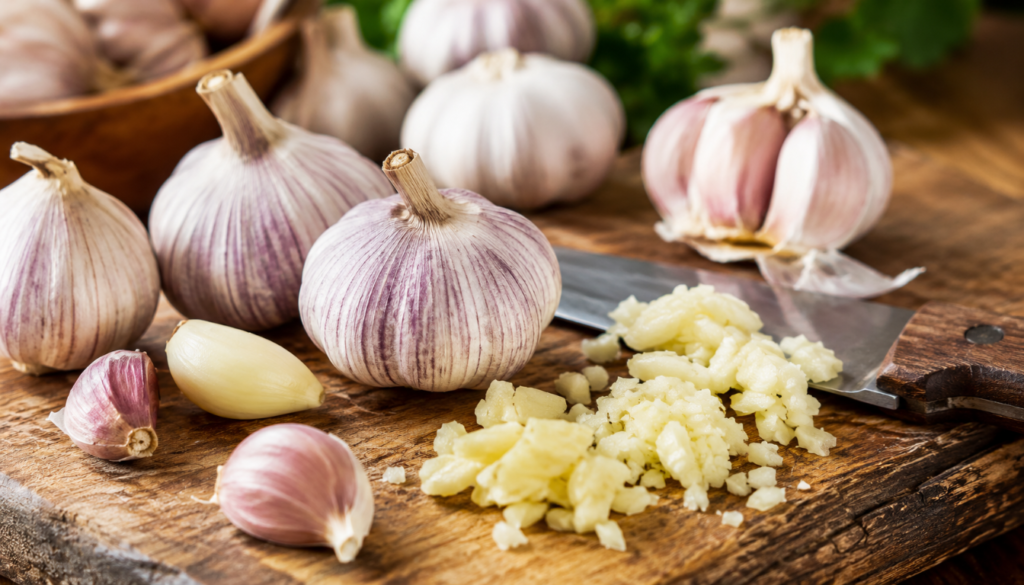
Traditional Use: Among the oldest documented medicinal plants in the world. Egyptian papyri (1550 BCE), Greek physicians including Hippocrates, Ayurvedic texts, and TCM all record garlic’s use for infections, cardiovascular conditions, and parasites.
Key Active Compounds: Allicin – produced when alliin (a sulphur compound) contacts alliinase (an enzyme) upon crushing or chopping the clove. This is unstable and breaks down quickly into other compounds including ajoene and diallyl disulphide. Aged garlic extract contains S-allylcysteine (SAC), which is stable and water-soluble.
Critical preparation note: To maximise allicin formation, crush or chop raw garlic and let it rest for 10 minutes before eating or cooking. However, heat destroys alliinase immediately; therefore, adding garlic at the end of cooking preserves more activity.
Evidence-Based Benefits
- Cardiovascular: blood pressure – meta-analyses of randomised trials show aged garlic extract reduces systolic BP by 5–10mmHg in hypertensive patients; effect is clinically modest but consistent
- Cardiovascular: cholesterol – modest reduction in total cholesterol (4–6%) and LDL; does not significantly affect HDL or triglycerides
- Antimicrobial: Allicin demonstrates broad-spectrum antimicrobial activity in vitro against bacteria, fungi, and some viruses; clinical evidence for systemic infections is limited but topical applications for fungal infections show promise
- Immune support: Regular garlic consumption associated with reduced cold frequency in a well-designed RCT (Josling, 2001)
- Antioxidant: Strong ORAC value; consistent reduction in oxidative stress markers in human trials
How to Use It
| Form | Dose | Notes |
|---|---|---|
| Fresh raw cloves | 1–2 cloves daily (2–4g) | Crush and rest 10 min; consume raw in food |
| Aged garlic extract (Kyolic) | 600–1200mg daily | SAC-standardised; most studied for BP and lipids |
| Allicin-standardised powder | 180–900mg (providing 180–900mcg allicin) | Enteric-coated for best absorption |
Safety and Interactions
- Blood thinning – significantly inhibits platelet aggregation; stop high-dose supplementation at least 7 days before surgery; caution with warfarin, aspirin, clopidogrel
- HIV medications – garlic can reduce plasma levels of saquinavir (a protease inhibitor) substantially; avoid high-dose supplements in HIV patients on antiretrovirals
- Digestive irritation – raw garlic on an empty stomach causes nausea and heartburn in many people; take with food
- Odour – aged garlic extract is generally odourless; raw garlic and most supplements are not
4. Echinacea (E. purpurea, E. angustifolia, E. pallida)
Traditional Use: Plains Native American tribes used echinacea root as a primary wound and infection remedy for centuries. Subsequently, it was adopted into 19th-century eclectic medicine and eventually modern phytotherapy.
Key Active Compounds: Alkylamides (responsible for the characteristic tingling sensation; immunomodulatory), polysaccharides and glycoproteins (stimulate innate immune response), caffeic acid derivatives – echinacoside (E. angustifolia, E. pallida) and cichoric acid (E. purpurea).
Note on species: E. purpurea aerial parts and E. angustifolia root are the two most researched forms. Whole-plant products combining both are increasingly common and reasonable.
Evidence-Based Benefits
- Reducing cold duration and severity: A Cochrane review of 24 randomised trials found echinacea preparations reduced the risk of catching a cold by 10–20% and reduced cold duration by 1–1.5 days when used at first symptom. Effect size varies significantly by preparation – alkylamide-rich tinctures of E. purpurea show the strongest results.
- Upper respiratory tract infections: Meta-analyses confirm modest but consistent benefit for symptom severity in URTIs; most effective when started early in infection.
- Wound healing (topical, E. purpurea juice): Furthermore, it has been shown to accelerate healing of minor wounds and burns in controlled trials.
How to Use It
Echinacea is most effective for acute, short-term use, not daily long-term supplementation.
| Form | Dose | Notes |
|---|---|---|
| Fresh plant tincture (1:1 E. purpurea) | 2.5–5ml three to four times daily | Most alkylamide-rich; should produce mild tingling on tongue |
| Standardised extract | 300mg three times daily (standardised to 4% alkylamides) | Take at first sign of infection |
| Dried herb capsules | 500–1000mg three times daily | Less consistent potency than tincture |
| Duration | Up to 10–14 days per episode | Rest for several weeks before re-using |
Safety and Interactions
- Autoimmune conditions – avoid in progressive systemic diseases such as MS, lupus, and rheumatoid arthritis; immune stimulation is contraindicated
- Asteraceae allergy – caution in those with ragweed allergy
- Immunosuppressant drugs – echinacea theoretically opposes their action; avoid combining
- Safe for short-term use in most healthy adults; evidence supports short-term use in children at appropriate dose
5. Ginger (Zingiber officinale)
Traditional Use: Ginger root has been used in Ayurvedic, TCM, Arabic, and Greco-Roman medicine for over 2,000 years, primarily for digestive complaints, nausea, and joint pain. It remains one of the most commercially important spice plants and one of the best-evidenced medicinal herbs.
Key Active Compounds: Gingerols (primary compounds in fresh ginger; pungent and anti-inflammatory), shogaols (formed from gingerols during drying and heating; more potent anti-inflammatory and antiemetic activity), paradols and zingerone (antioxidant).
Evidence-Based Benefits
- Nausea and vomiting – the most consistently proven application. Strong evidence from RCTs for: morning sickness in pregnancy (1g daily), chemotherapy-induced nausea (as adjunct therapy), post-operative nausea, and motion sickness
- Anti-inflammatory / joint pain – gingerols inhibit COX-1, COX-2, and LOX enzymes similarly to NSAIDs, without gastric side effects at standard doses. Multiple clinical trials show reduced pain scores in knee osteoarthritis
- Menstrual pain – a 2009 RCT found 250mg ginger powder four times daily for three days from the start of menstruation was as effective as ibuprofen and mefenamic acid for dysmenorrhoea
- Digestive motility – accelerates gastric emptying; helpful for dyspepsia, bloating, and IBS-related symptoms
How to Use It
| Form | Dose | Notes |
|---|---|---|
| Fresh root tea | 3–5g fresh grated root, steep 15 min | Drink 2–3 cups daily |
| Dried powder (capsules) | 500mg–2g daily for nausea; up to 4g for anti-inflammatory | Standardised to 5% gingerols preferred |
| Tincture (1:5) | 1.5–3ml three times daily | |
| Crystallised ginger | ~1g per piece | Convenient for nausea; higher sugar content |
For morning sickness: 1g daily in divided doses is the evidence-based dose. Consult your midwife before use.
Safety and Interactions
- Blood thinners – mild antiplatelet effect at high doses; caution before surgery and with anticoagulants
- Pregnancy – 1g daily is considered safe; avoid very high doses; discontinue if any unusual bleeding
- Diabetes medications – ginger may lower blood sugar; monitor if combining
- Extremely well-tolerated; one of the safest medicinal herbs with a very long history of food use
6. Ginkgo (Ginkgo biloba) – Medicinal Herbs for Cognitive Support
Traditional Use: Ginkgo is one of the oldest living tree species on Earth – a true living fossil unchanged for 200 million years. The leaves have been used in TCM for lung and circulatory conditions for centuries; the modern application for cognitive support developed in 20th-century European phytomedicine, particularly Germany.
Key Active Compounds: Two main groups flavonol glycosides (quercetin, kaempferol, isorhamnetin; antioxidant, vascular protection) and terpene lactones (ginkgolides A, B, C – platelet-activating factor antagonists; bilobalide – neuroprotective). The standardised extract EGb 761 is defined as 24% flavonol glycosides and 6% terpene lactones, and is the form used in almost all clinical trials.
Important: Only use a standardised extract in this ratio. Unstandardised ginkgo products have unpredictable potency. Furthermore, raw ginkgo seeds contain ginkgotoxin and are toxic, never consume them.
Evidence-Based Benefits
- Age-related cognitive decline – the most robust evidence. EGb 761 at 240mg daily shows consistent improvement in cognitive tests in older adults with mild cognitive impairment or early dementia. The Cochrane review (Birks & Grimley Evans) found evidence of small but consistent benefit versus placebo.
- Dementia (adjunct support) – not a treatment for Alzheimer’s but used as supportive therapy in German and French clinical guidelines
- Cerebral circulation – improves microcirculation; studies show benefit for symptoms of peripheral arterial disease (claudication)
- Tinnitus – some evidence for benefit, particularly when tinnitus is associated with poor cerebrovascular circulation; results are mixed in studies of non-vascular tinnitus
- Anxiety – EGb 761 shows anxiolytic effects in older adults in several trials
How to Use It
| Form | Dose | Notes |
|---|---|---|
| EGb 761 standardised extract | 120–240mg daily, divided into two doses | This specific extract is essential – not raw herb or non-standardised products |
| Duration | Minimum 8–12 weeks before assessing benefit | Cognitive effects are gradual |
Safety and Interactions
⚠️ Ginkgo has significant drug interactions that must be taken seriously:
- Anticoagulants and antiplatelets (warfarin, aspirin, clopidogrel, heparin) – ginkgo inhibits platelet-activating factor; combining substantially increases bleeding risk; avoid or monitor closely with medical supervision
- SSRIs and MAOIs – reports of serotonin syndrome; use with caution and professional oversight
- Epilepsy medications – ginkgolides may lower seizure threshold; avoid in epilepsy
- Stop 36–72 hours before any surgery
- Do not use raw or fresh ginkgo leaves in tinctures without expert guidance
7. Lavender (Lavandula angustifolia)
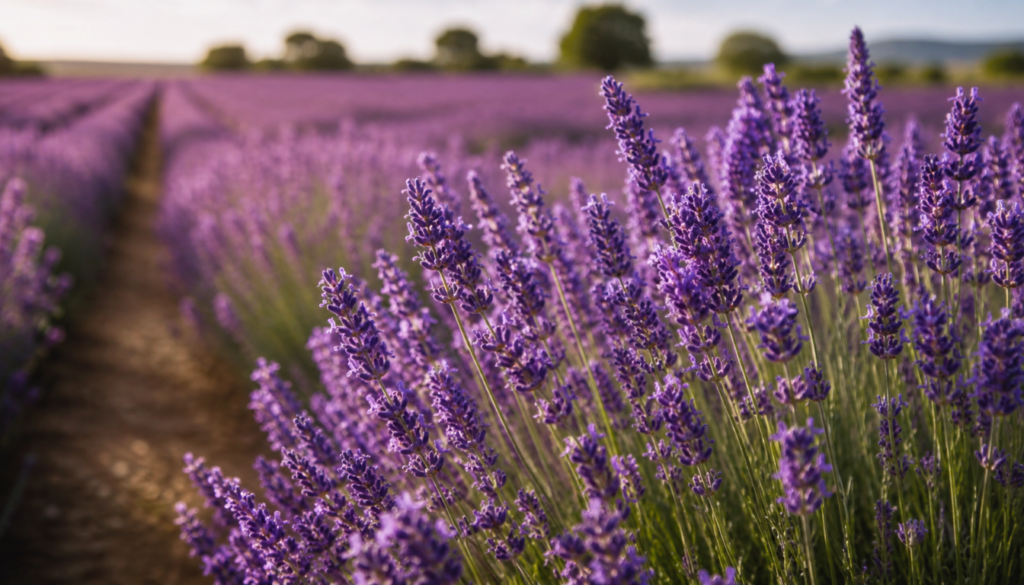
Traditional Use: Mediterranean in origin; used in Roman baths, Arabic medicine, and European folk tradition for centuries. The name derives from the Latin lavare (to wash). Used for headaches, sleep, wound care, and nervous complaints throughout recorded European history.
Key Active Compounds: Linalool (~25–40% of essential oil; sedative, anxiolytic, anticonvulsant in animal models), linalyl acetate (~25–45%; relaxant, smooth muscle relaxant), 1,8-cineole and camphor (minor; antimicrobial, respiratory).
Note on forms: The evidence base distinguishes clearly between aromatherapy use, topical use, and oral use. However, these are not interchangeable.
Evidence-Based Benefits
- Anxiety – oral preparation (Silexan): Silexan (a specific lavender essential oil preparation, 80mg capsule, not available OTC everywhere) has the strongest clinical evidence. Multiple RCTs show it is significantly superior to placebo for generalised anxiety disorder and comparable to lorazepam in one trial. This is the best-evidenced oral herbal anxiolytic outside of Valerian.
- Sleep quality: Both oral Silexan and aromatherapy consistently improve sleep quality scores in RCTs across multiple populations (anxiety, elderly, postnatal)
- Tension headaches – topical lavender essential oil (diluted 3% in carrier) applied to temples shows benefit in RCT
- Perineal healing – lavender sitz baths post-partum reduced discomfort in RCTs
- Aromatherapy – consistently reduces situational anxiety (dental procedures, pre-operative) in controlled settings
How to Use It
| Form | Dose | Notes |
|---|---|---|
| Dried flower tea | 1–2 tsp per cup, steep 10 min covered | 2–3 cups daily for mild anxiety/sleep |
| Oral Silexan (Lasea) | 80mg daily | Prescription or specialist-supply in some countries; clinically superior to tea |
| Essential oil – aromatherapy | 5–6 drops in diffuser | Do not swallow lavender EO directly |
| Essential oil – topical | Dilute to 2–3% in carrier oil (6 drops per 10ml) | For headache, skin, or perineal use |
| Tincture (1:5) | 4–8ml before bed |
Safety and Interactions
- Oral essential oil – do not swallow neat lavender EO; this is distinct from Silexan which is a pharmaceutical-grade oral preparation
- CNS depressants and sedatives – additive effect; reduce if combining with prescription sleep aids or anxiolytics
- Hormonal effects – topical lavender and tea tree oil combination has been associated with gynaecomastia in prepubertal boys in case reports; avoid heavy topical use in young children
- Generally very safe; long history of food and cosmetic use
8. Ginseng (Panax ginseng / Asian; Panax quinquefolius / American)
Traditional Use: Asian ginseng (Panax ginseng) is arguably the most revered herb in Traditional Chinese Medicine, its genus name Panax derives from the Greek panacea (cure-all). It has been used as a tonic herb for fatigue, weakness, convalescence, and longevity for over 2,000 years. American ginseng (P. quinquefolius) has a cooler energetic profile in TCM and is used differently, more for immune support and stress.
Key Active Compounds: Ginsenosides (also called panaxosides), a diverse group of steroidal saponins. Over 100 identified. Key ones include Rb1, Rb2, Rc, Rd (sedating/anabolic axis) and Rg1, Re (stimulating axis). This dual-direction activity is what makes ginseng adaptogenic.
Evidence-Based Benefits
- Energy and fatigue – multiple RCTs show reduced fatigue scores, improved physical endurance, and better self-reported energy levels. Strong evidence in cancer-related fatigue (specifically American ginseng, 2000mg daily in a Mayo Clinic trial)
- Cognitive function – acute doses improve working memory and mental arithmetic speed in healthy adults (Kennedy et al., multiple trials using 400mg Panax ginseng)
- Immune modulation – RCTs show accelerated immune recovery after influenza vaccination and reduced cold frequency and duration
- Blood sugar regulation – both species show modest post-prandial glucose reduction; relevant for prediabetes but should not replace medical treatment
- Erectile dysfunction – a 2008 systematic review found Korean red ginseng consistently improved ED scores versus placebo
How to Use It
| Form | Dose | Notes |
|---|---|---|
| Standardised extract (4–8% ginsenosides) | 200–400mg daily | Take morning or early afternoon; avoid evening dosing |
| Korean red ginseng (steamed P. ginseng) | 1–2g dried root daily | Different ginsenoside profile to white/raw; red is more stimulating |
| Tincture (1:5) | 5ml twice daily | |
| Cycling | 8–12 weeks on, 2–4 weeks off | Prevents habituation; traditional practice |
Safety and Interactions
- Blood thinners – moderate antiplatelet effect; caution with warfarin and NSAIDs
- Diabetes medications – monitor blood sugar when combining; may cause hypoglycaemia
- MAOIs – avoid; risk of manic episodes and headaches
- Stimulants – additive effect; insomnia, anxiety, and elevated heart rate possible
- Oestrogen-sensitive conditions – some ginsenosides have weak oestrogenic activity; caution in oestrogen receptor-positive cancer
- Insomnia – stimulating in some people; do not take after 2pm if sleep is affected
- Do not use in children under 12 without guidance
9. St. John’s Wort (Hypericum perforatum)
Traditional Use: Named for its yellow flowers that bloom around the feast of St. John (24 June), this European wildflower was used topically for wounds, burns, and nerve injuries for centuries before its modern application as an antidepressant. The red oil from the fresh flowers was used as a wound and burn remedy for hundreds of years.
Key Active Compounds: Hypericin and pseudohypericin (naphthodianthrones; contribute to photosensitivity; once thought to be the primary antidepressant compounds), hyperforin (phloroglucinol; now considered the primary antidepressant compound inhibits neuronal reuptake of serotonin, dopamine, noradrenaline, GABA, and glutamate), flavonoids including quercetin, rutin, and amentoflavone.
Important standardisation note: Look for extracts standardised to both 0.3% hypericin AND minimum 3–5% hyperforin. Consequently, products standardised only to hypericin may have inadequate hyperforin levels and reduced antidepressant activity.
Evidence-Based Benefits
- Mild to moderate depression – one of the best-evidenced herbal medicines in existence. A Cochrane systematic review of 29 RCTs (over 5,000 patients) concluded St. John’s Wort is significantly superior to placebo and similarly effective to standard antidepressants for mild to moderate depression, with fewer side effects. It is not effective for severe or psychotic depression.
- Anxiety (comorbid with depression) – reduces anxiety symptoms in depressed patients; limited data for pure anxiety disorders
- Menopausal mood symptoms – several RCTs show benefit for mood and sleep during perimenopause
- Topical nerve pain and wounds – traditional use supported by anti-inflammatory and analgesic evidence; St. John’s Wort oil is effective for minor burns, wounds, and neuropathic skin pain in several clinical trials
How to Use It
| Form | Dose | Notes |
|---|---|---|
| Standardised extract | 300mg three times daily (900mg total) standardised to 0.3% hypericin / 5% hyperforin | This is the clinically researched dose |
| Tincture (fresh plant, 1:5) | 4–6ml three times daily | Less consistent potency than standardised extract |
| Topical oil | Apply liberally to affected area | Red/orange oil from fresh flowering tops; for skin and nerve pain use |
| Onset | Allow 4–6 weeks for full antidepressant effect | Same onset as pharmaceutical antidepressants |
⚠️ Safety: Critical Drug Interactions
St. John’s Wort has more clinically significant drug interactions than almost any other herbal medicine. This is not a small-print caution, it is the most important thing to know about this herb.
St. John’s Wort is a potent inducer of the CYP3A4 enzyme and P-glycoprotein, which together govern the metabolism and transport of a very large number of drugs. When CYP3A4 and P-gp are induced, these drugs are broken down and eliminated faster than normal, reducing their blood levels and therapeutic effect significantly.
Drugs whose efficacy is substantially reduced by St. John’s Wort include:
- Oral contraceptives – breakthrough bleeding and unwanted pregnancy have been documented; use additional contraception and consult your GP
- Antiretroviral drugs (HIV medications including indinavir, nevirapine) – plasma levels drop dramatically; serious clinical consequence
- Cyclosporine and tacrolimus (immunosuppressants used after organ transplant) – organ rejection has been reported in transplant patients who began taking SJW
- Warfarin – reduced anticoagulant effect; increased clotting risk
- Digoxin – reduced levels; cardiovascular consequences
- Some chemotherapy agents (irinotecan, imatinib) – reduced efficacy
- SSRIs and SNRIs – risk of serotonin syndrome (dangerous overactivation of serotonergic system; symptoms include agitation, confusion, rapid heartbeat, high temperature, tremor)
Do not use St. John’s Wort if you are taking any regular prescription medication without first checking the interaction with a qualified pharmacist or doctor.
Additional safety notes:
- Photosensitivity – increases skin sensitivity to UV light, especially in fair-skinned individuals; use sun protection
- Do not combine with pharmaceutical antidepressants without medical supervision – serotonin syndrome risk
- Discontinue gradually after extended use; abrupt stopping can cause rebound low mood
10. Turmeric (Curcuma longa) – Medicinal Herbs for Inflammation
Traditional Use: A member of the ginger family, turmeric has been central to Ayurvedic medicine for over 4,000 years. Initially it was used for liver disorders, skin conditions, joint inflammation, digestive complaints, and wound healing. In TCM it is used to move stagnant qi and blood. Today, it remains a staple of South and Southeast Asian cooking and medicine.
Key Active Compounds: Curcuminoids, primarily curcumin (approximately 3–5% of dried rhizome by weight), demethoxycurcumin, and bisdemethoxycurcumin. Additionally, turmeric contains volatile oils (turmerone, atlantone, zingiberene) with their own anti-inflammatory activity.
The bioavailability problem: Curcumin is notoriously poorly absorbed on its own, it is hydrophobic, rapidly metabolised, and quickly eliminated. Indeed, this is the central issue with turmeric supplementation. As a result, standard curcumin extracts have very low bioavailability.
Solutions that are clinically validated:
- Piperine (BioPerine) – 20mg piperine increases curcumin absorption by approximately 2000% by inhibiting intestinal metabolism; this combination is effective and inexpensive
- Phospholipid complex (Meriva) – phytosomal form with 29x better bioavailability than standard extract
- Theracurmin – colloidal dispersion; approximately 27x better bioavailability
- Liposomal curcumin – encapsulation in lipid nanoparticles; effective
- Fat with food – curcumin is fat-soluble; taking with a fatty meal improves absorption
Evidence-Based Benefits
- Chronic inflammation – curcumin inhibits NF-κB (a master regulator of inflammatory gene expression), COX-2, and multiple pro-inflammatory cytokines. Strong mechanistic basis; clinical evidence is growing
- Osteoarthritis – two meta-analyses (2016, 2020) confirm that curcumin extract (1000–1500mg daily, bioavailable form) significantly reduces joint pain and stiffness scores; effect size comparable to low-dose ibuprofen without gastric side effects
- Metabolic syndrome markers – several RCTs show improvements in blood sugar, insulin resistance, LDL, and triglycerides in metabolic syndrome
- Liver support – traditional use well supported; evidence for non-alcoholic fatty liver disease (NAFLD) is emerging
- Digestive health – evidence for IBS symptom reduction and as adjunct therapy in ulcerative colitis remission
- Cognitive function – a 2018 RCT found 90mg of a highly bioavailable curcumin (Theracurmin) twice daily improved memory and attention in non-demented adults over 18 months; also reduced amyloid and tau deposits in brain scans
How to Use It
| Form | Dose | Notes |
|---|---|---|
| Whole turmeric powder (food use) | 1–3g daily in food with fat and black pepper | Nutritional; low clinical potency |
| Standardised curcumin + piperine | 500mg curcumin extract + 5–10mg piperine, twice daily | Effective and cost-efficient |
| Meriva (phytosomal) | 500mg twice daily (1000mg total) | Well-studied for arthritis |
| Theracurmin | 90–180mg twice daily | Higher cost; excellent bioavailability; used in cognitive studies |
| Liposomal curcumin | Per manufacturer (500–1000mg) |
Safety and Interactions
- Blood thinners – curcumin inhibits platelet aggregation; caution with warfarin, aspirin, clopidogrel; stop at least 7 days before surgery
- Diabetes medications – may lower blood sugar; monitor if combining
- Gallstones or bile duct obstruction – turmeric stimulates bile production; contraindicated in bile duct obstruction; use with caution in gallstone disease
- Pregnancy – culinary amounts are fine; avoid high-dose supplements during pregnancy
- Iron absorption – high doses may reduce non-haem iron absorption; consider timing supplements separately from meals if anaemic
How to Choose Quality Medicinal Herbs and Supplements
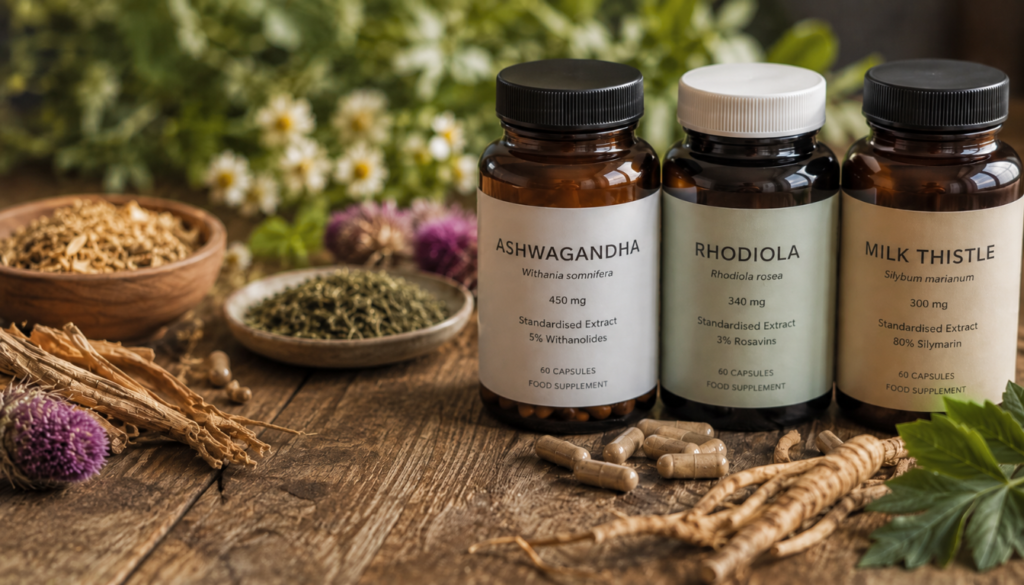
With the medicinal herb supplement market largely unregulated in most countries, product quality varies enormously. Here is what to look for:
Standardisation: For the medicinal herbs in this guide where it matters, ginkgo, St. John’s Wort, curcumin, ashwagandha, buy products standardised to specific compound levels, not just raw herb weight. The standardisation percentage should be on the label.
Third-party testing: Look for products with independent testing certificates like NSF International, USP Verified, or Informed Sport in the UK. These verify what is on the label is in the bottle and, importantly, that there are no contaminants.
Whole-herb vs. extract: Both have their place. Standardised extracts give predictable potency for therapeutic use. However, whole herb products or tinctures made from whole plant material retain the full phytochemical complexity, which has synergistic advantages not fully captured in isolated compound extracts.
Fresh plant tinctures vs. dry herb extracts: For echinacea and St. John’s Wort in particular, fresh plant tinctures retain more of the unstable active compounds than dried extracts. Therefore, look for tinctures labelled “fresh plant” or “fresh herb extraction.”
Avoid: Proprietary blends that hide individual ingredient amounts, products making disease treatment claims, and very cheap products with no sourcing information.
Essential Medicinal Herbs: Summary and Quick Reference
| Herb | Primary Use | Key Form | Strongest Interaction Warning |
|---|---|---|---|
| Ashwagandha | Stress, sleep, energy | Standardised extract (KSM-66) | Thyroid medications, immunosuppressants |
| Chamomile | Anxiety, digestion, sleep | Tea, standardised extract | Blood thinners (high dose), ragweed allergy |
| Echinacea | Acute immune support | Fresh plant tincture | Autoimmune conditions, immunosuppressants |
| Garlic | Cardiovascular, antimicrobial | Aged garlic extract | Anticoagulants, antiretrovirals |
| Ginger | Nausea, anti-inflammatory | Dried capsules, fresh tea | Mild blood thinning |
| Ginkgo | Cognitive, circulation | EGb 761 standardised extract | Anticoagulants – significant risk |
| Ginseng | Fatigue, cognition, immunity | Standardised extract (4–8% ginsenosides) | MAOIs, diabetes medications |
| Lavender | Anxiety, sleep | Oral Silexan or tea | Sedatives (additive) |
| St. John’s Wort | Mild/moderate depression | Standardised extract (0.3% hypericin / 5% hyperforin) | Many – CYP3A4 induction (contraceptives, antiretrovirals, transplant drugs) |
| Turmeric | Inflammation, joints | Bioavailable form (+ piperine or phytosomal) | Blood thinners, gallstone disease |
This article is written for informational purposes. It does not constitute medical advice and is not a substitute for consultation with a qualified healthcare professional. If you are taking prescription medications, pregnant, or managing a serious health condition, consult your doctor or a registered medical herbalist before using any of the medicinal herbs described here.
References – Medicinal Herbs
- Cochrane Database of Systematic Reviews – Echinacea for preventing and
treating the common cold (Karsch-Völk et al., 2015) - Chandrasekhar et al. – A prospective, randomized double-blind,
placebo-controlled study of ashwagandha root extract, Indian Journal
of Psychological Medicine, 2012 - Birks & Grimley Evans – Ginkgo biloba for cognitive impairment and
dementia, Cochrane Review, 2009 - Linde et al. – St John’s wort for major depression, Cochrane Review, 2008
Related Articles
How to Become an Herbalist for Free: Step-by-Step Guide
Frequently Asked Questions – Medicinal Herbs
Can I take multiple herbs from this list together?
Some combinations are well-established and safe. Ginger and turmeric together, for example, have complementary anti-inflammatory activity. However, combinations of medicinal herbs that both affect blood clotting (garlic + ginkgo + ginger, for instance) or both affect CYP enzymes deserve caution. Therefore, if you are on any medications, check each herb individually for interactions before combining.
How long before I notice a difference?
This varies substantially by herb and application. Ginger for nausea can work within minutes. Echinacea for acute infection should show effect within 48 hours or it is unlikely to help that episode. Ashwagandha for stress and St. John’s Wort for depression, on the other hand, both require four to six weeks of consistent use. Similarly, ginkgo for cognitive support requires at least eight to twelve weeks.
Are herbal remedies safe to give to children?
Most of the medicinal herbs in this guide are not adequately studied in children. Chamomile tea at low doses is a long-standing and generally accepted exception for infant colic and minor digestive complaints. However, for any therapeutic use in children, consult a qualified herbalist or paediatric naturopath. Doses are not simply scaled-down adult doses.
Do I need to cycle herbal supplements?
Some herbs are specifically designed for short-term acute use (echinacea). Others work best cycled, ginseng, for instance, follows an 8 weeks on, 2–4 weeks off pattern that is both traditional and reasonable. Meanwhile, some can be used continuously at maintenance doses (turmeric, ashwagandha, chamomile tea). In any case, long-term continuous use of any potent herb deserves periodic review with a practitioner.
Can herbal medicine replace my prescription medications?
For most conditions covered in this guide, no, and attempting to do so without medical supervision is risky. Nevertheless, what medicinal herbs do exceptionally well is support overall health, complement conventional treatment, and in some cases offer an effective alternative for suitable candidates. The decision to reduce or replace any prescription medication should, therefore, be made with your prescribing doctor, not unilaterally.
I’m pregnant. Are any of these herbs safe?
At culinary doses, most common cooking herbs are fine in pregnancy. Medicinally, the only herb in this list with reasonable evidence for safety at therapeutic doses in pregnancy is ginger for morning sickness (1g daily). Most others lack adequate safety data in pregnancy, and some (ashwagandha, St. John’s Wort, lavender at high doses) are explicitly contraindicated. Consult your midwife or OB before using any herbal supplement during pregnancy.