
The Herb Prof Team researches and writes our herbal guides, drawing on published research, traditional herbal references, and hands-on growing experience.
Imagine turning everyday ingredients into colorful herbal vinegars that enrich your meals and support your well-being. Whether you love experimenting in the kitchen or want to add a healthy boost to your routine, crafting herbal vinegars is both enjoyable and fulfilling. It offers far more than great taste; it allows you to capture the natural benefits of herbs and create something truly unique.
Understanding Herbal Vinegars
I find herbal vinegars fascinating. They blend culinary use with health benefits, creating flavorful concoctions from simple ingredients.
What Are Herbal Vinegars?
Infused with herbs, spices, and occasionally fruits, these vinegars capture the essence of their ingredients and add a zesty punch to any dish. Bases like apple cider vinegar or white wine vinegar provide the perfect canvas for layers of flavor. Fresh additions such as basil, rosemary, or thyme not only elevate taste but can also offer subtle wellness benefits.
Benefits of Herbal Vinegars for Cooking and Medicine – Craft Herbal Vinegars at Home For Cooking and Wellness
They shine in both cooking and wellness, adding a tang and richness to dressings, marinades, and sauces. You can easily elevate salads with an herbed vinegar drizzle. Plus, they make great companions to grilled meats and roasted vegetables.
In terms of health, herbal vinegars offer advantages. They promote digestion and provide antioxidants. Some studies suggest that apple cider vinegar may help with blood sugar levels. When I use these vinegars regularly, I notice a difference in my overall wellness.
The Process of Making Herbal Vinegars
Involves a few simple steps that transform ordinary ingredients into flavorful infusions. Each part of the process enhances both culinary dishes and health benefits, ensuring an enjoyable experience.
Choosing Your Herbs – Craft Herbal Vinegars at Home For Cooking and Wellness
I select fresh herbs for the best flavor and potency. Popular choices include basil, rosemary, thyme, and oregano. When I pick herbs, I look for vibrant colors and fragrant aromas. Dried herbs work too, but won’t pack the same punch. I often mix different herbs to create unique flavor profiles. For instance, basil and garlic can produce a zesty twist, while rosemary and thyme give a hearty essence to my vinegars.
Selecting the Right Vinegar
I carefully choose the vinegar base to complement my herbs. Common options include apple cider vinegar and white wine vinegar. Apple cider vinegar adds a fruity note, while white wine vinegar offers a crisp finish. My recommendation is to use organic vinegar when possible for added quality.
I also avoid distilled vinegar since it lacks depth. The right vinegar can make or break the infusion, so I pay attention to this detail. A combination of herbs and vinegar should work in harmony, releasing the best flavors in cooking and enhancing health benefits.
Cooking with Herbal Vinegars
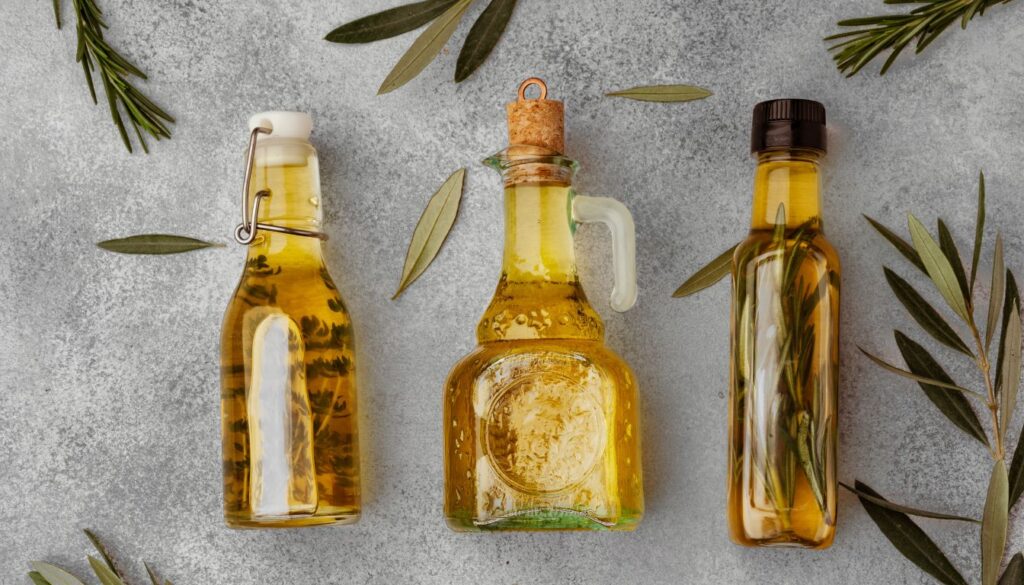
They enhance dishes with unique flavors and health benefits, making cooking both fun and rewarding.
Flavor Enhancements in Recipes – Craft Herbal Vinegars at Home For Cooking and Wellness
Using herbal vinegars can elevate simple recipes. Dressings burst with freshness when I add rosemary-infused vinegar. Marinades become zesty, making meats juicy and delicious. Just a splash of basil-infused vinegar can brighten a tomato salad.
With soups, herbal vinegars add depth. A hint of thyme vinegar in vegetable soup transforms the entire bowl. Pasta sauces become vibrant with the addition of oregano and vinegar. Each dish gains a distinct flavor profile that surprises the palate.
I also use herbal vinegars to swirl into dips. A dash of garlic vinegar in hummus gives it a delightful kick. Friends often ask for my secret ingredient; I simply smile and nod.
Health Benefits in Culinary Use – Craft Herbal Vinegars at Home For Cooking and Wellness
Herbal vinegars contribute to wellness while I cook. They promote digestion, aiding in the breakdown of food. Consuming these vinegars can also deliver antioxidants that support overall health.
Adding herbal vinegar to meals makes healthy eating easier. I often drizzle apple cider vinegar on steamed vegetables for an extra nutrient boost. Using herbal vinegar daily feels like a small win for my health.
Many recipes call for vinegar, and swapping in herbal versions adds flair. Instead of regular vinegar, I opt for infused ones. Each meal becomes a delicious path to better health, and it hardly feels like a chore.
Medicinal Applications of Herbal Vinegars
offer various medicinal benefits, making them valuable additions to home remedies and daily routines. Their natural properties provide support for wellness.
Uses in Traditional Medicine – Craft Herbal Vinegars at Home For Cooking and Wellness
In many cultures, herbal vinegars serve as remedies for common ailments. For instance, apple cider vinegar infused with garlic helps with colds due to its antimicrobial properties. Similarly, a rosemary vinegar might relieve headaches, thanks to its natural anti-inflammatory effects.
Many also use vinegar with nettle or dandelion greens to promote detoxification. These vinegars can aid digestion and relieve bloating. Knowing that many ancient societies relied on these methods adds a delicious touch to healing.
Modern Applications and Benefits
Herbal vinegars find modern uses in wellness practices. Research shows that apple cider vinegar can help lower blood sugar levels. Mixing it with herbs like ginger boosts its anti-nausea effect. Some individuals use herbal vinegars to enhance skin health. A spritz of thyme-infused vinegar can brighten and tone the skin.
As I explore, using these vinegars daily can effortlessly transform meals into health-boosting experiences. The versatility keeps cooking exciting while serving functional purposes. With a dash of humor, I often call it my tasty wellness potion.
Before You Go – Craft Herbal Vinegars at Home For Cooking and Wellness
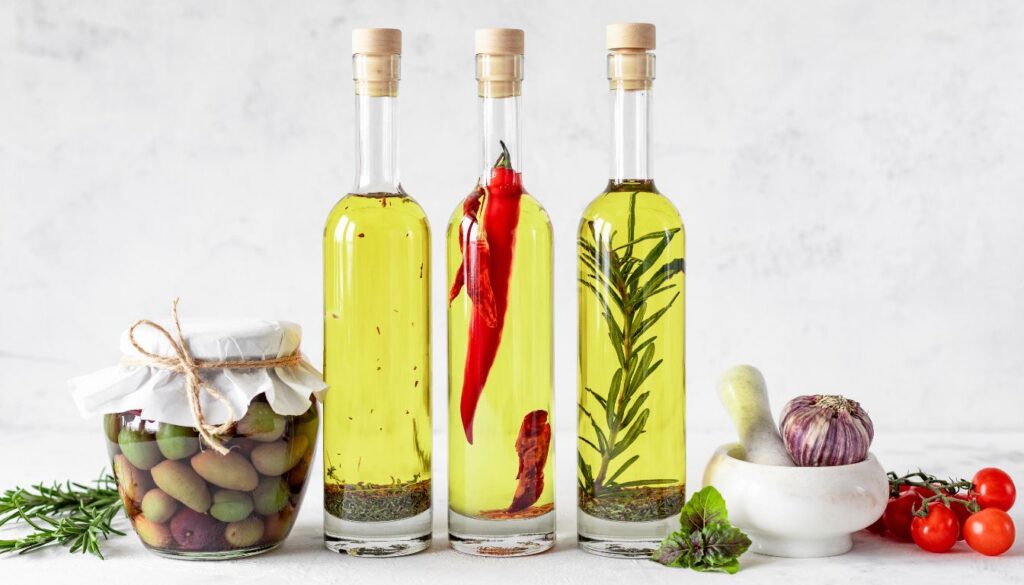
Making herbal vinegars has truly transformed my cooking and wellness routine. The process is simple yet rewarding and allows me to experiment with a variety of flavors. Each infusion brings a unique zest to my dishes while offering health benefits that I can feel good about.
Incorporating these vinegars into my meals has made healthy eating not just a goal but a delightful experience. Whether I’m enhancing a salad dressing or using them for medicinal purposes, herbal vinegars have become a staple in my kitchen. I encourage you to try your hand at making your herbal vinegars and discover the delicious and healthful possibilities that await.
Don’t forget to add theherbprof.com homepage to your favourites so you don’t miss out on future articles.
References – Craft Herbal Vinegars at Home For Cooking and Wellness
Little Herb Encyclopedia, by Jack Ritchason; N.D., Woodland Publishing Incorporated, 1995
The Ultimate Healing System, Course Manual, Copyright 1985, Don Lepore
Planetary Herbology, Michael Tierra, C.A., N.D., Lotus Press, 1988
Handbook of Medicinal Herbs, by James A. Duke, Pub. CRP Second Edition 2007
The Complete Medicinal Herbal, by Penelope Ody, Published by Dorling Kindersley
Check the Following Articles
Step-by-Step Guide to Troubleshooting Pale Tomato Leaves
DIY Herbal-Infused Massage Oils: Relax Naturally at Home
DIY Foot Soaks: Soothe and Revive Tired and Achy Feet
Frequently Asked Questions – Craft Herbal Vinegars at Home For Cooking and Wellness
What are herbal vinegars?
Flavoured vinegars are created by infusing vinegar with herbs, spices, and sometimes fruits. They enhance the taste of dishes while also offering health benefits.
How do you make herbal vinegars?
To make herbal vinegars, select fresh herbs for flavor, choose a vinegar base like apple cider or white wine, and let the mixture infuse for a few weeks for optimal taste.
What vinegar works best for herbal infusions?
Common vinegar bases for herbal infusions include apple cider vinegar and white wine vinegar. Each type complements different herbs and enhances the final flavor.
What are the health benefits of herbal vinegars?
They may promote digestion, provide antioxidants, and contribute positively to overall wellness. Specific infusions can target various health issues.
How can I use herbal vinegars in cooking?
Herbal vinegars can enhance dressings, marinades, and sauces, adding unique flavors to dishes. They elevate recipes such as salads, soups, and grilled meats.
Can herbal vinegars help with medicinal issues?
Yes, certain herbal vinegars have traditional uses in medicine. For instance, apple cider vinegar infused with garlic can alleviate colds, while rosemary vinegar may help with headaches.
Are there any risks to using herbal vinegars?
While generally safe, it’s essential to use high-quality ingredients and consult a healthcare provider if you have specific health concerns, especially if you have allergies or medical conditions.
How long do herbal vinegars last?
When stored properly in a cool, dark place, herbal vinegars can last for several months. However, it’s best to use them within a year for optimal flavor.