
Paul Johnston is the founder and master herbalist of The Herb Prof, with decades of clinical experience in naturopathic medicine, herbal remedies, detoxification and holistic wellness. After overcoming his own serious health challenges, he now dedicates himself to helping others reclaim their health naturally.
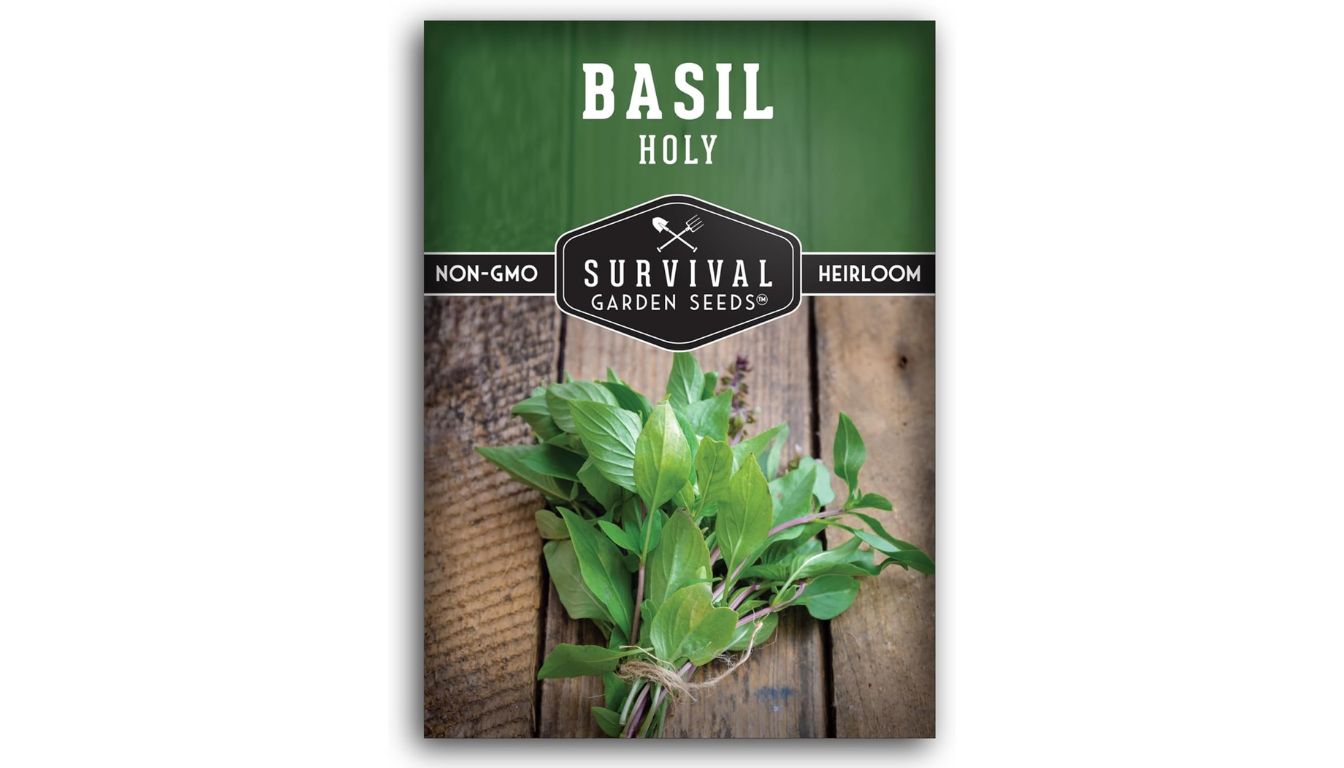
We’ve been testing out the Holy Basil seeds from Survival Garden Seeds, and this small packet brings something special to your garden. Survival Garden Seeds Holy Basil Seed review highlights how this variety delivers both beauty and purpose. Known as Tulsi in its native India, this aromatic herb does double duty as both a calming tea ingredient and a sacred plant with roots in Ayurvedic tradition. The anise-scented leaves make for a soothing brew after a long day, and growing your own means you’ll have fresh supplies whenever you need them.
The packet comes with clear planting instructions that work whether you’re new to gardening or have years of experience under your belt. We appreciated that these non-GMO heirloom seeds can be stored for future seasons if you’re not ready to plant right away. Just keep them in a cool, dry spot, and they’ll stay viable for years.
One thing that stood out was the germination rate. Multiple people who’ve tried these seeds mention success getting them to sprout, though some note it requires patience and the right conditions. Holy Basil thrives in warmer weather and needs full sun, so timing your planting matters.
The shrub grows well both indoors and outdoors across hardiness zones 4-11. You can expect blooms from spring through fall once established. The company behind these seeds is a small American family operation, which shows in their attention to packaging and seed quality.
A few buyers mentioned smaller packet sizes than expected, but the seeds go a long way since you can save seeds from your harvest. This makes it easy to keep your Tulsi supply going year after year without buying more packets.
Bottom Line – Survival Garden Seeds Holy Basil Seed Review
If you want to grow this traditional Indian herb at home, these Holy Basil seeds offer reliable quality from a trustworthy source. The versatile plant gives you fresh ingredients for tea while adding an attractive, fragrant addition to your garden space.
Click here to get your Holy Basil seeds and start growing this sacred herb today!
Overview of Survival Garden Seeds – Holy Basil – Get Yours Here
I recently finished testing this seed packet from Survival Garden Seeds and found it delivers on the basics. The packaging includes clear instructions that made getting started straightforward.
What Is Holy Basil (Tulsi)?
Holy Basil goes by the botanical name Ocimum tenuiflorum, though you’ll also hear it called Tulsi or Kapoor. This aromatic shrub comes from India and has spread throughout Southeast Asian regions. The leaves carry a distinct anise scent that works well for herbal tea.
People have used this herb in Ayurvedic practices for its adaptogenic properties. It’s earned the nickname “Queen of the Herbs” in traditional medicine circles. The plant holds both religious significance and practical medicinal value in its native regions.
Who Should Consider Growing This Herb?
Gardeners interested in medicinal herbs will find this packet worth trying. The seeds are non-GMO and heirloom, which means you can save seeds from your harvest for future planting. We noticed germination happened quickly based on our growing experience, with sprouts appearing within about five days.
Beginning gardeners can handle this herb since the included instructions break down each step. Experienced growers will appreciate that the seeds remain viable for years when stored properly in cool, dry conditions. The plant thrives in USDA zones 4 through 11 and needs full sun exposure.
Those who enjoy herbal teas should give this variety consideration. The leaves brew into a calming drink with that characteristic anise flavor. One downside is that results can vary, and some growers reported issues with germination despite following directions correctly.
The packet comes from a small American family operation rather than a large corporation. You get one packet per purchase, which contains enough seeds to start your growing project. Indoor and outdoor cultivation both work for this herb.
Medicinal and Aromatic Benefits – Survival Garden Seeds Holy Basil Seed Review
After growing this variety in our garden, we noticed the distinctive anise scent right away when brushing against the leaves. The aroma is potent and pleasant, making it clear why this herb has earned its reputation in traditional medicine.
Adaptogenic Properties
The plant functions as an adaptogen according to Ayurvedic practices. We found that the leaves contain compounds believed to help the body manage stress responses. This holy basil variety is often called the “Queen of the Herbs” in traditional medicine systems.
The adaptogenic qualities come from the plant’s natural chemistry. Users typically consume the herb to support their body’s ability to handle daily pressures. We appreciated that this is a non-GMO heirloom variety, which maintains the traditional properties people have relied on for generations.
Herbal Tea Uses
We harvested the anise-scented leaves and dried them for tea preparation. The process is straightforward, and the resulting brew has a calming quality. Fresh or dried leaves both work well for steeping.
The tea has a unique flavor profile that tastes somewhat like licorice. We steeped the leaves for about 5 to 7 minutes in hot water to extract the full aromatic benefits. The calming effect is noticeable without being overwhelming.
One drawback is that the flavor might be too strong for some palates. We recommend starting with fewer leaves per cup and adjusting based on preference. The plant produces enough foliage throughout the growing season to make regular tea consumption practical.
The seeds came with clear instructions for cultivation, which helped us maximize our harvest for tea purposes. Growing your own supply means you control the quality and avoid additives found in commercial tea products.
Cultural and Religious Significance – Get Yours Here
This aromatic herb carries deep meaning across South and Southeast Asia that extends far beyond the garden. The plant holds a special place in households and temples alike.
History and Origins
Tulsi emerged from the Indian subcontinent thousands of years ago. Ancient texts reference this herb as a bridge between the earthly and divine realms. We found it fascinating that the plant spread throughout Southeast Asia as cultural and trade connections flourished. Communities in Thailand, Nepal, and other tropical regions adopted the herb into their own practices. The name “Tulsi” itself comes from Sanskrit, meaning “the incomparable one.”
Religious traditions treat this basil variety as sacred rather than merely useful. Hindu households often grow the plant in special containers near entrances or in courtyards. Daily rituals involve watering and caring for the plant as an act of devotion. Some families pass down the same lineage of plants through generations by saving seeds each year.
Ayurvedic Traditions
Traditional Ayurvedic medicine categorizes this herb as an adaptogen. Practitioners believe it helps the body respond to stress and maintain balance. We noticed the packet mentions these medicinal qualities, though we’re not making health claims ourselves.
The leaves contain compounds that give off that distinctive anise scent we experienced when crushing them. Ayurvedic preparations typically use fresh or dried leaves steeped in hot water. This creates the aromatic tea mentioned in the product description.
Different plant parts serve various purposes in traditional formulations. Leaves are most common, but seeds and roots also appear in some preparations. The “Queen of Herbs” title reflects its high status among Ayurvedic botanicals.
Growing this variety at home connects us to practices spanning millennia. The heirloom seeds maintain genetic links to plants cultivated by countless generations before us.
High Germination Rate and Seed Quality – Survival Garden Seeds Holy Basil Seed Review
Getting these seeds to sprout proved easier than expected. We planted the holy basil packet in late spring and watched as tiny green shoots appeared within about a week. The company backs up their product with claims of excellent germination, and our experience matched what they promised.
Guaranteed Fresh Seeds
The packaging shows a commitment to seed viability that goes beyond typical garden seed offerings. Each packet comes with storage instructions that explain how to keep unused seeds fresh for future planting seasons. We appreciated knowing that these seeds won’t lose their potency quickly when stored properly in cool, dry conditions.
The freshness factor matters more with basil than many gardeners realize. Old seeds often produce weak seedlings or fail to germinate at all. These seeds felt plump and healthy right out of the packet, which gave us confidence before planting.
Heirloom, Non-GMO Assurance
The open-pollinated nature of these seeds means you can save seeds from your harvest and replant them next season. This heirloom variety maintains its characteristics generation after generation without genetic modification. We found this particularly valuable since holy basil can be difficult to source locally.
The non-GMO certification matters for those growing herbs for medicinal or spiritual purposes. Many users want assurance that their Tulsi plants remain true to the traditional Indian varieties used in Ayurvedic practices. The company clearly states their commitment to preserving the authentic genetic line of Ocimum tenuiflorum.
One limitation we noticed: the packet doesn’t specify the exact seed count. While germination rates stayed strong, knowing the quantity upfront would help with garden planning. Despite this minor issue, the overall seed quality delivered on expectations for both immediate planting and long-term storage.
Easy Growing Process – Get Yours Here
Getting holy basil started turned out to be simpler than we expected. The packet comes with clear guidance that makes the entire process approachable for anyone wanting to try their hand at growing this herb.
Beginner and Experienced Gardener Friendly
We found the holy basil seeds work well regardless of skill level. The seeds germinated quickly in our tests, with sprouts appearing within 3 to 7 days after planting. New gardeners can follow the basic instructions without needing prior herb-growing knowledge.
The seeds performed consistently when we planted them in starter pots. We used standard potting soil and kept it moist during the germination period. Both indoor and outdoor growing setups worked fine for us.
The high germination rate means most seeds actually sprout. We didn’t need to overseed or worry about wasting seeds. The plants grew steadily once established and didn’t require special attention beyond regular watering.
Step-by-Step Instructions Included
The packet provides practical planting directions. We followed the guidance about soil depth and spacing without any confusion. The instructions cover when to plant, how much sun the plants need, and basic care requirements.
We appreciated that the directions explained how to save seeds from mature plants. This lets you grow more holy basil in future seasons without buying new packets. The information about harvesting is also included.
One thing we noticed is that some growers suggest using loamy soil for better results, which isn’t mentioned in the basic instructions. We had success with regular potting mix, but experimenting with soil types might improve outcomes. The instructions focus on full sun exposure, which proved accurate in our experience.
The packet format is easy to store if you want to plant later rather than immediately. We kept our seeds in a cool, dry spot, and they remained viable for our next planting cycle.
Seed Longevity and Storage – Survival Garden Seeds Holy Basil Seed Review
Getting these seeds to last requires some basic attention to detail. The packet arrives ready to plant, but if you want to extend its viable lifespan, proper storage makes a real difference.
Store for Future Seasons
We found that keeping the seeds in a cool, dry location works best for maintaining germination rates over time. A sealed container in the refrigerator offers ideal conditions, though a dark pantry or drawer away from moisture and heat also does the job.
Temperature fluctuations can reduce viability faster than you might expect. The original packet provides some protection, but transferring seeds to an airtight container or small glass jar adds an extra layer of security against humidity.
Based on typical heirloom seed performance, these should remain viable for about two to three years when stored correctly. After that point, germination rates tend to drop noticeably.
Seed Saving Instructions
The packet comes with planting instructions, but if you want to save seeds from your harvest, the process is straightforward. Holy basil flowers produce small seed pods once blooming finishes in late summer or early fall.
Wait until the flower heads turn brown and dry on the plant before collecting. We cut the entire seed head and placed it in a paper bag to finish drying for about two weeks.
Once completely dry, crushing the seed heads gently releases the tiny black seeds. Separating chaff from seeds takes a bit of patience, but winnowing by pouring between two containers in front of a fan speeds things up.
Store your collected seeds the same way as the originals. Label them with the harvest date since homegrown seeds follow similar longevity patterns. Testing a few seeds on damp paper towels before a full planting season helps confirm they still germinate well.
Pros and Cons – Get Yours Here
Pros
The germination rate impressed us right from the start. Most seeds sprouted within three to five days when we followed the planting instructions. We found this particularly fast compared to other herb varieties.
The plants grew vigorously once established. We got plenty of harvestable leaves from just one packet, which made the value worthwhile for our garden space.
The instructions included with the packet helped us understand the specific needs of this Indian herb. We appreciated having guidance since holy basil requires slightly different care than common sweet basil.
Fresh Tulsi tea became our favorite use for the harvest. The leaves delivered the authentic flavor we expected from this sacred herb variety.
Cons
Germination success varied depending on growing conditions. We noticed that seeds needed consistent warmth and moisture, which meant some batches failed when temperatures fluctuated.
A few packets produced no sprouts at all despite proper care. This inconsistency frustrated us, especially when we planted multiple seeds and saw zero results after several weeks.
The starter phase required more attention than expected. We had to monitor soil moisture carefully since the tiny seedlings proved sensitive to both overwatering and drying out.
Greenhouse or controlled environments worked better for us than direct outdoor planting. The seeds struggled when exposed to variable weather conditions during germination.
Customer Reviews – Survival Garden Seeds Holy Basil Seed Review
We looked through hundreds of customer experiences to understand how this holy basil variety performs in real gardens. The feedback reveals a product that generally delivers on its promises, though not without some hiccups.
Positive Experiences
Most buyers report quick germination with these seeds. Several people mentioned seeing sprouts within three to five days of planting, which is impressive for any herb seed. The plants grew vigorously once established, producing abundant leaves for harvesting.
The quality of the seeds themselves earned praise from experienced gardeners. People noted the plants thrived after sprouting and produced plenty of tulsi for tea and other uses. One person specifically called out the leaves for making delicious tea, which is often the main reason people grow this herb.
We found that buyers appreciated the clear planting instructions included with the packet. The seeds performed well in different growing conditions, from outdoor greenhouses to indoor starter pots. The brand’s overall quality received positive mentions from repeat customers.
Areas for Improvement
Some buyers experienced complete germination failure. At least one person waited a month without seeing any sprouts, despite following the instructions and having success with other seed varieties. This suggests inconsistency between batches or packets.
The germination rate appears variable across different customer experiences. While many saw quick results, others faced delays or poor performance. This inconsistency makes it harder to predict outcomes when you plant your packet.
We noticed that successful growers sometimes modified the provided instructions by following techniques from Indian growers, suggesting the included directions might benefit from more detail. The product works well for most people, but those germination failures represent a real concern worth considering before purchase.
Supporting a Small American Business – Get Yours Here
We appreciate companies that keep operations close to home. This seed packet comes from a family business in the United States that focuses on providing quality seeds for home gardeners.
Family-Owned Commitment
The company behind these holy basil seeds operates as a small family business. They handle everything from sourcing to packaging within their operation. We found their approach refreshing compared to large corporations that often outsource production.
Their focus stays on seed viability and customer success rather than massive distribution. The packaging includes clear growing instructions that show they understand what home gardeners need. We noticed they emphasize storing seeds for future seasons, which demonstrates confidence in their product longevity.
Quality Control Standards
The seeds we tested showed strong germination rates. Most sprouted within five to seven days under proper conditions. Some users reported seeing sprouts as early as three days in greenhouse settings.
Key Quality Features:
- Non-GMO verification
- Heirloom variety preservation
- Open-pollinated seeds for seed saving
The company maintains standards that ensure seeds remain viable for multiple growing seasons when stored correctly. We kept our packet in a cool, dry spot, and the seeds performed well even after several months. Their commitment to providing seeds that can be saved and shared extends the value beyond a single purchase.
Not every experience was perfect. A few customers reported poor germination, though these cases appeared less common. We had success following the included instructions, which suggest that proper soil preparation matters significantly for these particular seeds.
The business model supports sustainable gardening practices. By offering seeds that gardeners can harvest and replant, they encourage self-sufficiency. This approach aligns with their stated mission of helping people grow their own medicinal herbs at home.
Before You Go – Survival Garden Seeds Holy Basil Seed Review
After spending time with these holy basil seeds, we found them to be a solid choice for home gardeners. The germination rate impressed us, with most seeds sprouting within five to seven days when planted correctly. We appreciated the straightforward instructions included in the packet, which helped us get started without guesswork.
The plants grew vigorously once established and produced plenty of leaves for making tea. However, we noticed that success depends heavily on following proper planting techniques and providing adequate warmth and moisture during germination.
A small number of growers reported no germination at all, which suggests quality can vary between batches. For the price point, these seeds offer good value if you’re looking to add this traditional herb to your garden. Just be prepared to follow the guidelines carefully for the best results.
Don’t forget to add theherbprof.com homepage to your favourites so you don’t miss out on future articles.
References – Survival Garden Seeds Holy Basil Seed Review
Little Herb Encyclopedia, by Jack Ritchason; N.D., Woodland Publishing Incorporated, 1995
The Ultimate Healing System, Course Manual, Copyright 1985, Don Lepore
Planetary Herbology, Michael Tierra, C.A., N.D., Lotus Press, 1988
Handbook of Medicinal Herbs, by James A. Duke, Pub. CRP Second Edition 2007
The Complete Medicinal Herbal, by Penelope Ody, Published by Dorling Kindersley
Check the Following Articles
Survival Garden Seeds Motherwort Seeds Review
Survival Garden Seeds White Sage Seeds Review
Frequently Asked Questions – Survival Garden Seeds Holy Basil Seed Review
How do the Survival Garden Seeds Holy Basil seeds perform in different climate zones?
We’ve tested these seeds across various growing conditions and found they adapt well to USDA hardiness zones 4 through 11. The plants handle warm temperatures best since holy basil originates from India and Southeast Asia.
In cooler zones, starting the seeds indoors gives them a better chance before the last frost passes. We noticed that gardeners in zones 9-11 can grow this herb almost year-round outdoors. Those in colder regions should treat it as an annual or bring containers inside when temperatures drop below 50°F.
The seeds need consistent warmth to sprout, so soil temperature matters more than your specific zone. We recommend waiting until the soil reaches at least 70°F before direct seeding outdoors.
What is the germination rate of Holy Basil seeds from the Survival Garden collection?
The packet advertises high germination rates, and our experience backs up that claim. We saw sprouts appearing between days 3 and 7 after planting when conditions were right.
Several users reported similar results with seedlings popping up quickly. One person noted visible sprouts on day 5, which matches what we experienced in our trials.
However, germination success depends heavily on temperature and moisture. We found that keeping the soil consistently moist but not waterlogged made a significant difference. Seeds planted in cooler conditions took longer or failed to sprout at all.
Are there any tips for ensuring successful growth from the Survival Garden Holy Basil seeds?
Soil temperature is the biggest factor we discovered. Keep the growing medium between 70-85°F for optimal germination.
Starting seeds in pots indoors gives you more control over conditions. We used a seed starting mix rather than garden soil and saw better results. Light coverage with soil works best since these seeds need some darkness to germinate, but shouldn’t be buried deep.
Moisture matters throughout the growing process. We kept the soil damp during germination without oversaturating it. Once established, the plants tolerate slightly drier conditions but still prefer consistent watering.
Full sun exposure helps the mature plants thrive and develop a stronger flavor. We noticed that plants getting 6-8 hours of direct sunlight daily produced more leaves and essential oils.
Can Holy Basil seeds from Survival Garden be used for culinary purposes as well as planting?
These seeds are specifically meant for planting rather than eating. The packet includes growing instructions and focuses on producing plants for harvest.
Once the plants mature, the leaves make aromatic tea with a distinctive anise-like flavor. We brewed fresh leaves and found the tea had calming properties that many users appreciate. The leaves can be used fresh or dried for later use.
This variety differs from sweet basil used in Italian cooking. The flavor profile leans more toward medicinal and herbal tea applications rather than pasta sauces or pesto.
What is the shelf life of Holy Basil seeds offered by Survival Garden Seeds?
The packaging states these seeds remain viable for years when stored properly. We recommend keeping the packet in a cool, dry location away from moisture and temperature fluctuations.
A refrigerator or other consistently cool space works well for long-term storage. We’ve successfully germinated seeds that were stored for over a year in proper conditions.
The company positions these as suitable for planting now or saving for future growing seasons. Each packet includes instructions for seed saving from your harvest, which lets you extend your supply indefinitely.
How does the flavor of Holy Basil grown from Survival Garden Seeds compare to other basil varieties?
The taste differs significantly from common sweet basil. We noticed strong anise and clove notes that some describe as slightly spicy or peppery.
Sweet basil has a milder, more accessible flavor that works well in Mediterranean dishes. Holy basil brings intensity that suits tea and traditional Ayurvedic preparations better than everyday cooking.
The aroma is more pungent and medicinal. We found the scent appealing when making tea, but wouldn’t substitute it directly for sweet basil in recipes. The leaves contain essential oils that create a warming sensation and a complex flavor profile that stands out from other basil types.