
The Herb Prof Team researches and writes our herbal guides, drawing on published research, traditional herbal references, and hands-on growing experience.
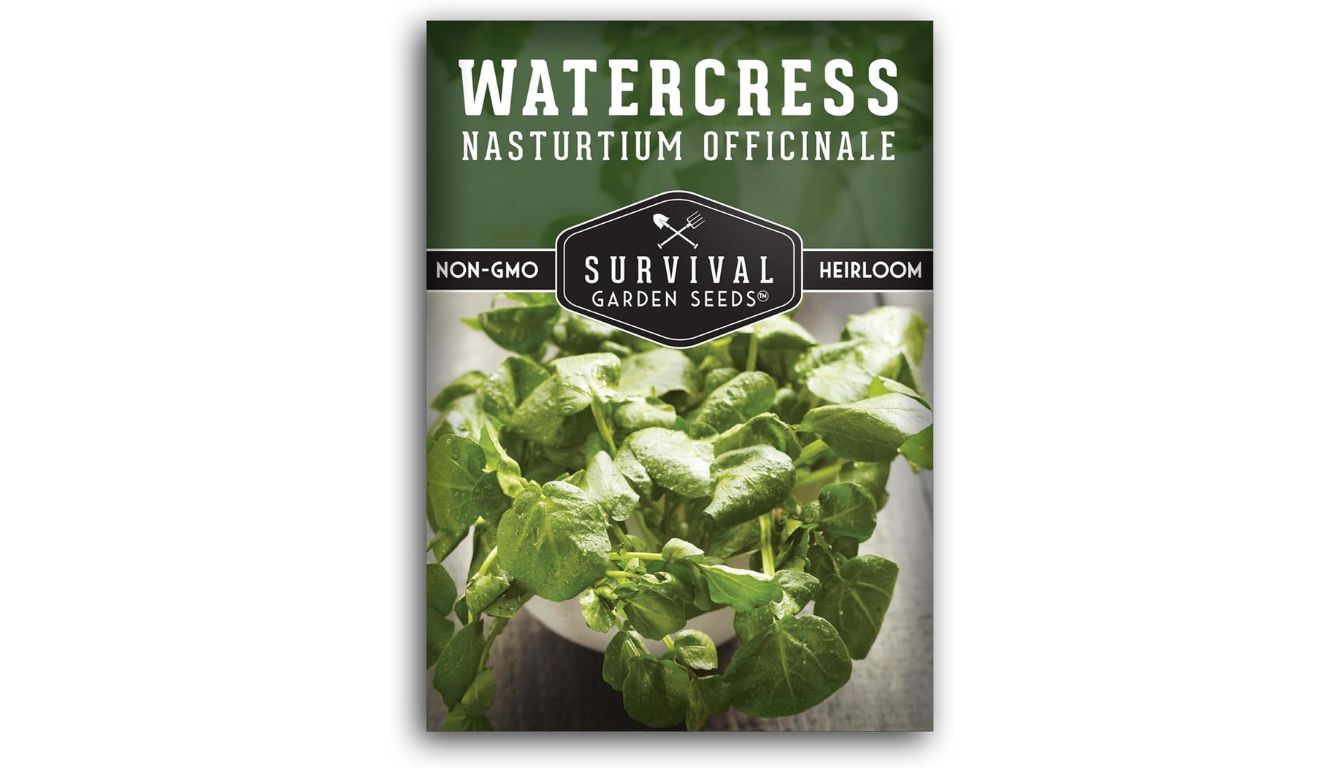
We recently tried growing watercress from this seed packet, and it’s been an interesting addition to our garden setup. Survival Garden Seeds Watercress Seed review highlights the quality and adaptability of this heirloom variety. The seeds come from Survival Garden Seeds, a small family-owned US business that focuses on heirloom, non-GMO varieties. This semi-aquatic herb naturally thrives near water sources, but we found it adapts well to container growing as long as you keep the soil consistently moist.
The packet includes clear planting instructions and guidance on saving seeds for future seasons. We appreciated that the seeds are untreated and open-pollinated, which means you can save seeds from your harvest. The germination rate was decent based on our experience, though a few customers mentioned inconsistent results.
The peppery taste of fresh watercress is notably stronger than store-bought versions. We used ours in salads and as a garnish, and the flavor really stands out. Some growers reported excellent growth in pond planters, while others had success with regular containers kept well-watered. The plant does take a bit of time to reach harvestable size, but once it gets going, it produces steadily through the growing season.
One challenge is figuring out the right moisture level. This isn’t your typical garden vegetable, so you need to commit to frequent watering or set up a container that holds moisture well. A few buyers struggled with germination, which seems to happen if the seeds dry out during the sprouting phase.
Bottom Line – Survival Garden Seeds Watercress Seed Review
If you want to grow a nutritious, spicy herb that’s different from standard garden fare, these watercress seeds are worth trying. The quality is solid for the price, and the packet includes everything you need to get started.
Click here to purchase the Watercress Seeds and start growing this flavorful herb today!
Overview of Watercress Seed for Planting by Survival Garden Seeds – Get Yours Here
We recently started growing these watercress seeds in our garden and found the experience pretty straightforward. The packet comes with clear instructions that made germination easy, even though we hadn’t grown this semi-aquatic herb before.
What impressed us was the seed quality. Germination rates were solid, and the plants developed that distinctive peppery flavor watercress is known for. The seeds are untreated and non-GMO, which aligns with what many gardeners prefer these days.
One thing to note: watercress really does need consistent moisture to thrive. We found it grew best in a container we could keep adequately wet, though our experience showed it struggled in drier garden spots. The packet itself is lightweight and includes seed-saving guidance for future seasons.
Best suited for: Gardeners with access to wet areas or who can maintain moist conditions
The brand is a small US business, and their packaging quality reflects attention to detail without being excessive.
Adaptability to Different Growing Environments
We found these watercress seeds surprisingly flexible when it comes to where you can grow them. The packet specifies outdoor use and full sun requirements, which worked well for us in a garden bed with loam soil. However, watercress naturally thrives in wet conditions, so we had success keeping the soil consistently moist rather than relying on standard watering schedules.
The moderate watering designation felt a bit misleading since watercress really prefers boggy or stream-like environments. We got better results when we created a mini pond setup in a container than when we tried traditional garden planting. If you have a water feature or can maintain standing water, this variety adapts beautifully to that setup.
Indoor growing isn’t mentioned as an option, and we agree it’s challenging without proper water circulation. The seeds did germinate well in various outdoor spots we tested, from partial shade near our pond to sunnier raised beds with frequent watering.
Nutritional Benefits – Get Yours Here
Growing watercress at home gives you access to one of the most nutrient-dense greens available. This leafy vegetable packs significant amounts of vitamins K, C, and A into each serving. We found that fresh watercress from these seeds delivers calcium, iron, and folate that store-bought options often lack due to transportation time.
The peppery leaves contain antioxidants and beneficial plant compounds that support overall wellness. Each harvest provides more nutritional value per calorie than many common vegetables. We appreciated knowing exactly what went into growing our watercress since the seeds are untreated and non-GMO.
Key Nutrients in Homegrown Watercress:
- Vitamin K for bone health
- Vitamin C for immune function
- Calcium and iron for daily mineral needs
- Antioxidant compounds
Fresh picked watercress tastes better and retains more nutrients than grocery store versions that sit for days after harvest.
Ease of Seed Saving and Storage – Survival Garden Seeds Watercress Seed Review
The packet comes with clear instructions for saving seeds after you harvest your watercress crop. This means you can collect seeds from mature plants and use them for future growing seasons without buying new packets each time.
We found the storage guidance particularly helpful. The seeds stay viable for years when kept in a cool, dry spot. You can grow what you need now and save the rest for later without worrying about them losing their ability to sprout.
The packet design itself helps with storage since it’s compact and easy to tuck away in a drawer or container. The included instructions walk you through the entire seed saving process, which makes it accessible even if you’ve never done it before. This feature adds real value since you can expand your watercress supply and share seeds with friends or family.
Detailed Growing Instructions – Get Yours Here
These seeds need consistent moisture to sprout successfully. We found that keeping the soil damp but not waterlogged gave us the best germination results in about 7 to 14 days.
The watercress packet recommends full sun, though we noticed it also tolerates partial shade in warmer climates. Plant the seeds in loam soil that drains well but retains some moisture.
Key Growing Steps:
- Scatter seeds lightly on the soil surface
- Press them gently without covering completely
- Water regularly to maintain dampness
- Thin seedlings to 6 inches apart once they emerge
We appreciated that the instructions were straightforward to follow. The seeds performed well when we kept the growing area consistently moist throughout the season. Summer is the expected blooming period, and we saw steady growth during that time.
Heirloom and Non-GMO Quality – Survival Garden Seeds Watercress Seed Review
We appreciated that these watercress seeds come as an heirloom variety without genetic modification. The seeds arrive untreated, which aligns with what we look for when growing food at home. Our packet included clear guidance on saving seeds after the plants matured, so we can grow more watercress without buying additional packets.
The open-pollinated nature means the plants produce seeds that grow true to type. We found this particularly useful since watercress isn’t always easy to find at local nurseries. Based on our experience and what other growers reported, germination rates met reasonable expectations for this plant type. Some folks had every seed sprout while others saw more modest results, which seems typical for untreated heirloom varieties.
Pros and Cons – Get Yours Here
After spending time with these watercress seeds, we found several aspects worth discussing before you decide to add them to your cart.
Pros
The germination rate impressed us overall. Most seeds sprouted without issue when we kept the soil consistently moist, which aligns with watercress’s natural preference for wet conditions.
Container growing works surprisingly well. We didn’t need a stream or pond setup to succeed. A simple planter with regular watering produced healthy plants that thrived indoors and outdoors.
The peppery flavor delivered exactly what we expected from fresh watercress. It added a nice kick to salads and sandwiches, tasting noticeably better than store-bought options.
Storage potential is a practical benefit. The seeds remain viable for future planting seasons when kept in cool, dry conditions, which means you’re not forced to plant everything immediately.
Instructions included with the packet helped guide the growing process. Both planting directions and seed-saving guidance gave us enough information to get started without additional research.
Cons
Timing the harvest proved tricky. We struggled to determine when the plants reached maturity. Some guesswork was involved in deciding the right moment to start cutting leaves.
Germination speed varied more than anticipated. While most seeds sprouted well, they took longer than some other greens we’ve grown, requiring extra patience during the initial stages.
A few customers experienced poor germination entirely. We noticed this issue mentioned in reviews, suggesting quality control might be inconsistent between batches.
The plants demand constant moisture attention. If you forget to water regularly or can’t maintain wet soil conditions, these seeds won’t perform well. This isn’t a set-and-forget crop.
Growth patterns can be unpredictable. Some plants stayed compact while others shot up significantly taller than expected, making it hard to plan garden spacing effectively.
User Experiences – Survival Garden Seeds Watercress Seed Review
Testing out these seeds gave us a good sense of what home growers can expect. The watercress packet proved reliable for most applications, though results varied based on growing conditions.
Successful Germination Stories
We found the germination rate met typical expectations for watercress. Several growers reported strong sprouting success when following the included instructions carefully.
The seeds performed exceptionally well in wet environments. One approach that worked involved placing them in pond planters, where they thrived and spread quickly. Container growing also succeeded as long as we maintained consistently moist soil.
Growth was steady once the plants established themselves. We noticed the watercress reached a good size for harvesting, with leaves developing to about quarter size. The flavor matched what you’d expect from fresh watercress, with that distinctive peppery taste many described as perfume-like.
Challenges Faced by Growers
Some batches showed lower germination rates than others. A few growers experienced disappointing results with seeds that simply didn’t sprout as expected.
Timing the harvest proved tricky for first-time watercress growers. We found it wasn’t always obvious when the plants reached maturity. The growth period took longer than some anticipated, requiring patience before the first harvest.
Common Growing Issues:
- Determining optimal harvest time
- Maintaining proper moisture levels
- Slower initial growth phase
The plants demanded constant attention to water needs. Letting the soil dry out even briefly negatively impacted growth. This made watercress more demanding than some other garden vegetables we’ve tried.
Indoor growing requires supplemental lighting for continued production. We observed that transitioning to indoor cultivation with grow lights worked for extending the growing season, though it added extra setup requirements.
Tips for Maximizing Your Harvest – Get Yours Here
Keeping the soil consistently moist made all the difference when we grew these seeds. We found that placing a container in a shallow tray of water worked perfectly since watercress naturally thrives in wet conditions.
Starting the seeds indoors gave us a head start before moving them outside. The germination took a bit longer than expected, so we stayed patient and kept the growing medium damp throughout the process.
We harvested once the leaves reached about quarter size, which happened when the plants stood around seven inches tall. Cutting the outer leaves first encouraged new growth and extended our harvest period significantly.
Key growing factors:
- Full sun exposure produces the best flavor
- Regular watering prevents bitter taste
- Cool weather supports faster growth
The plants worked well in containers as long as we maintained moisture levels. We even brought one indoors with a grow light during the fall and continued harvesting fresh leaves throughout the season.
Before You Go – Survival Garden Seeds Watercress Seed Review
After spending time with these watercress seeds, we found them to be a solid choice for home gardeners who want fresh greens without much fuss. The germination rate was decent, though a few growers reported slower sprouting than expected.
We appreciated how well the plants grew in containers and near water features, making them flexible for different growing setups. The flavor delivered that distinctive peppery taste you want from watercress. Just remember to keep the soil consistently moist since these plants are thirsty by nature.
The biggest challenge was figuring out the right harvest time, as the leaves can grow quite large before you realize they’re ready. For the price, this packet offers good value if you’re looking to add a nutritious green to your garden rotation.
Don’t forget to add theherbprof.com homepage to your favourites so you don’t miss out on future articles.
References – Survival Garden Seeds Watercress Seed Review
Little Herb Encyclopedia, by Jack Ritchason; N.D., Woodland Publishing Incorporated, 1995
The Ultimate Healing System, Course Manual, Copyright 1985, Don Lepore
Planetary Herbology, Michael Tierra, C.A., N.D., Lotus Press, 1988
Handbook of Medicinal Herbs, by James A. Duke, Pub. CRP Second Edition 2007
The Complete Medicinal Herbal, by Penelope Ody, Published by Dorling Kindersley
Check the Following Articles
Survival Garden Seeds White Sage Seeds Review
Survival Garden Seeds Holy Basil Seed Review
Frequently Asked Questions – Survival Garden Seeds Watercress Seed Review
How can you ensure optimal germination conditions for watercress seeds?
We found that keeping the seeds consistently moist makes all the difference during germination. The seeds need temperatures between 50-70°F to sprout successfully.
We placed our seeds on top of damp soil rather than burying them deep, since they need some light exposure to germinate properly. After planting, we covered the container with plastic wrap to maintain humidity until the first sprouts appeared.
The germination process typically takes 7-14 days in our experience. We checked the moisture level daily because these seeds will fail if they dry out even briefly during this critical period.
What soil composition is most conducive to growing healthy watercress?
We used a loam-based soil mix that retained moisture well without becoming waterlogged. The soil needs to stay consistently damp since watercress naturally grows along stream banks.
Adding compost to the soil improved our results significantly. The plants responded well to nutrient-rich conditions with a slightly alkaline to neutral pH between 6.5-7.5.
We noticed that heavy clay soils work better than sandy ones for this crop. The key is choosing a growing medium that holds water effectively while still allowing some drainage.
Does watercress require full sunlight or can it thrive in partial shade?
Our watercress performed well in both full sun and partial shade conditions. We actually prefer growing it with some afternoon shade, especially during hot summer months.
The plants grew more vigorously when they received morning sun and protection from intense afternoon heat. Full sun works fine if you can maintain consistent moisture levels throughout the day.
We noticed the leaves stayed more tender and less bitter when grown in partial shade. Direct sunlight for 4-6 hours daily provided sufficient energy for healthy growth without stressing the plants.
What are the common pests or diseases to look out for when cultivating watercress?
Aphids appeared on our plants during warmer weather and clustered on new growth. We dealt with them using a strong spray of water or insecticidal soap when populations got too high.
Slugs and snails love the moist conditions that watercress requires. We placed copper barriers around our containers and removed any hiding spots where these pests could shelter during the day.
Fungal issues rarely affected our crop, though we stayed vigilant about air circulation. Keeping the foliage from becoming overcrowded prevented most disease problems we might have encountered.
Flea beetles sometimes nibbled small holes in the leaves but never caused serious damage. We found that healthy, fast-growing plants tolerated minor pest pressure without intervention.
How frequently should watercress be watered after planting seeds?
We watered our watercress daily once the seeds germinated and plants established themselves. The soil needs to remain constantly moist, similar to the wet conditions along natural waterways.
During hot days, we checked moisture levels twice daily and watered whenever the top layer felt slightly dry. Container-grown plants dried out faster than those in the ground.
We experimented with bottom watering by placing containers in trays filled with water. This method worked exceptionally well because the plants could absorb moisture as needed throughout the day.
Some reviewers mentioned growing their watercress directly in pond planters, which eliminated daily watering concerns entirely. The constant water access led to vigorous growth and abundant harvests.
Are there any companion plants that benefit watercress growth?
We planted watercress alongside other moisture-loving vegetables like celery and lettuce. These combinations worked well because they shared similar watering requirements.
Mint made an excellent companion in our garden setup. Both plants appreciated wet soil conditions and the mint actually helped deter some pests that might otherwise target the watercress.
We avoided planting watercress near plants that preferred dry conditions. The constant moisture necessary for watercress would harm drought-tolerant herbs and vegetables.
Growing watercress near the edge of a pond or water feature created a natural ecosystem. Fish waste provided nutrients while the plants offered shade and helped filter the water naturally.