
The Herb Prof Team researches and writes our herbal guides, drawing on published research, traditional herbal references, and hands-on growing experience.
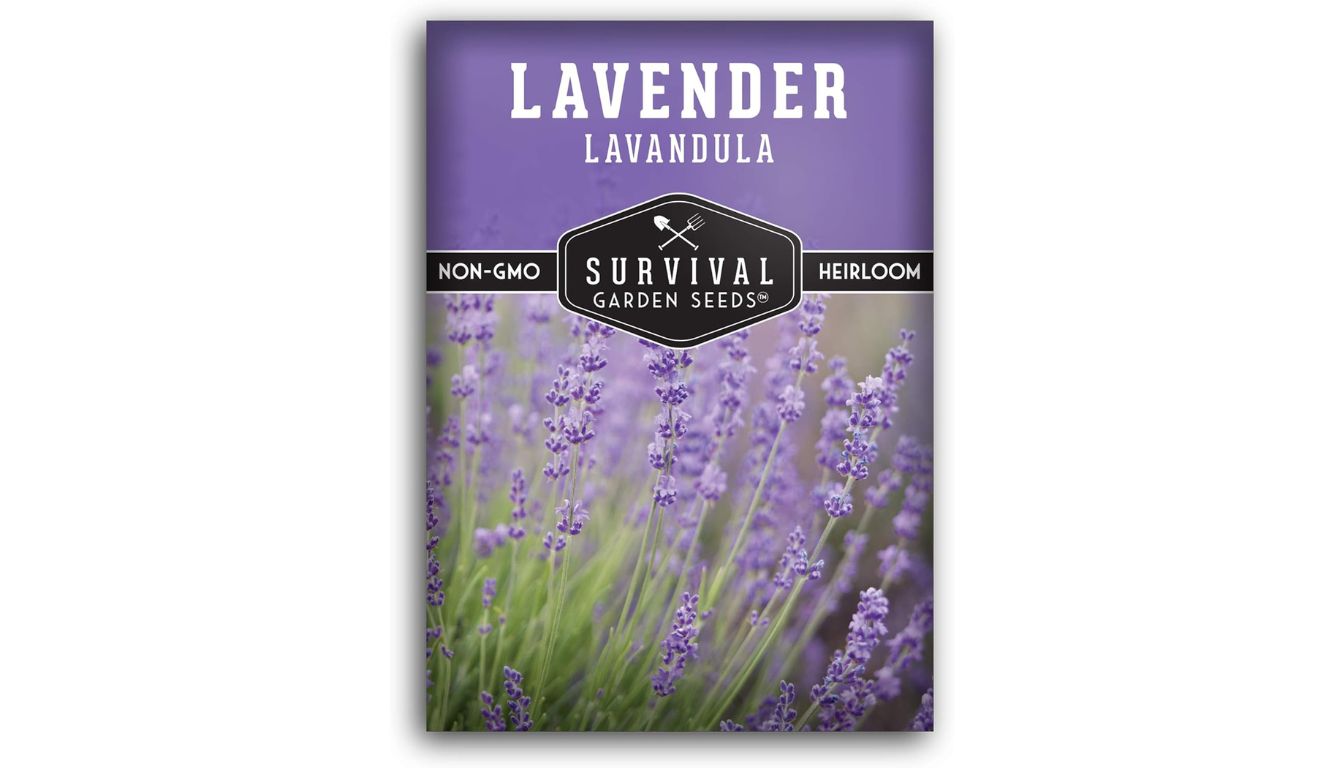
Looking for a dependable lavender plant to grow at home? We recently tried these English Lavender seeds from Survival Garden Seeds, and they offer a solid option for anyone wanting to add this classic herb to their garden or indoor setup. Survival Garden Seeds English Lavender Seeds review highlights how these seeds produce fragrant blooms that thrive both outdoors and in containers, making them a versatile choice for home gardeners.
The seeds produce Lavandula angustifolia, which is the true English variety known for its purple blooms and sweet fragrance. We found the plants work well both outdoors in garden beds and indoors in containers, though they do need plenty of sunlight and good drainage to thrive.
One thing to know upfront is that these seeds require cold stratification before planting, and germination takes longer than many other herbs. Patience is essential here. Once established, though, the plants are hardy perennials that come back year after year in zones 4 through 9.
The flowers have practical uses beyond just looking nice. We used them in tea, baking, and even made sachets for drawers. The fragrance is authentic and not overwhelming.
Some buyers mentioned inconsistent germination rates, which matches our experience to a degree. Not every seed sprouted, but enough did to create a nice little lavender patch. The company is family-owned and sells heirloom, non-GMO seeds that arrive fresh.
Bottom Line – Survival Garden Seeds English Lavender Seeds Review
If you have the patience for slow germination and want genuine English lavender for cooking or crafts, these seeds deliver good value. The plants are low-maintenance once they get going and provide years of fragrant blooms.
Get your English Lavender seeds here and start growing this versatile herb today.
Overview of English Lavender Seeds for Planting (Lavandula angustifolia)
These lavender seeds from Survival Garden Seeds offer the classic Lavandula angustifolia variety, known for its purple blooms and culinary applications. We found them suitable for both outdoor garden beds and indoor containers, though they demand patience during germination.
The seeds require cold stratification before planting, which means storing them in the fridge for a period to mimic winter conditions. This extra step adds time to the process, and customer feedback suggests germination rates can be inconsistent. Some users reported no sprouting at all, while others noted the lengthy growth timeline of 2-3 years before reaching full maturity.
Key Growing Details:
- Hardy in zones 4-9
- Grows up to 24 inches tall
- Prefers full sun and well-drained soil
- Drought-tolerant once established
The seeds are non-GMO and heirloom quality. We appreciate that they work for multiple purposes, from teas and baking to crafts like sachets.
Fragrant Blooms for Home and Garden – Get Yours Here
The purple flowers on these plants deliver a strong, pleasant scent that fills outdoor spaces and indoor rooms alike. We planted the seeds after cold stratifying them in the fridge for several weeks, which the packet recommends for better results.
Once established, the lavender produces aromatic blooms that work well in sachets, teas, and baked goods. The fragrance is classic English lavender with a sweet note that most people recognize immediately.
Growth challenges: Germination takes longer than many other herbs, sometimes several weeks or more. Some seeds we planted didn’t sprout at all, which matches feedback from other gardeners who had mixed success rates.
The blooms attract bees and butterflies when grown outdoors. Indoor growing is possible but requires a sunny window and well-draining soil to prevent root issues.
Culinary and Craft Versatility – Survival Garden Seeds English Lavender Seeds Review
We found these lavender flowers surprisingly useful beyond just looking pretty in the garden. The blooms work well in baking, adding a subtle floral note to cookies and shortbread without overwhelming other flavors. We’ve also tossed fresh flowers into tea blends for a calming evening drink.
The dried flowers hold their fragrance for months, which makes them perfect for homemade sachets and drawer fresheners. We appreciated how the petals maintained their scent even after several weeks of drying.
Common uses we tried:
- Baking and desserts
- Herbal tea blends
- Homemade soap additions
- Drawer sachets
The flowers do need proper drying to prevent mold, which takes about two weeks in a cool, dark space. We noticed the flavor intensity varies depending on harvest timing, with buds picked just before full bloom offering the strongest taste.
Suitable for Indoor and Outdoor Gardens – Get Yours Here
We planted these lavender seeds in both our garden bed and a container on the windowsill to test their adaptability. The seeds performed well in both settings, though outdoor planting proved simpler overall.
Indoor growing requires a sunny spot with at least six hours of direct light daily. We found that drainage matters quite a bit when using pots, as lavender dislikes sitting in moisture. The plants stayed compact indoors, reaching about half the height of their outdoor counterparts.
Outside, the lavender thrived with minimal fuss once established. Hardy in zones 4 through 9, these plants handled temperature swings better than we expected. The outdoor specimens grew fuller and produced more blooms than the indoor ones.
Both environments work, but your space and light availability will determine which option suits you best.
Heirloom Non-GMO Quality – Survival Garden Seeds English Lavender Seeds Review
The seeds come from Survival Garden Seeds, a family-owned American company that focuses on heirloom varieties. We appreciate that these lavender seeds are non-GMO and arrive untreated, which matters if you plan to use the flowers in cooking or tea. The company tests their seeds for quality before packaging, though germination success seems inconsistent based on our research into customer experiences.
These are true heirloom seeds, meaning you can save seeds from your mature plants for future growing seasons. We found the packaging clearly labels the heirloom and GMO-free status, which helps if you’re building a collection of open-pollinated varieties. The seeds arrive fresh, though they require cold stratification and patience to sprout.
One drawback is that several gardeners reported receiving what appeared to be crushed powder rather than intact seeds. This quality control issue affected some batches, though it doesn’t seem universal across all orders.
Growing Requirements and Patience – Get Yours Here
Getting these lavender seeds to sprout takes serious commitment. We had to cold stratify them in the refrigerator for several weeks before planting, which wasn’t difficult but required planning ahead. The germination process moves at a snail’s pace compared to other herbs we’ve grown.
Key considerations:
- Cold stratification is necessary before planting
- Germination can take 2-4 weeks or longer
- Full sun and excellent drainage are critical
- Works indoors with bright light or outdoors in gardens
Once established, the plants became much easier to manage. We found the wait worthwhile since lavender lives for years as a perennial. The slow start filters out impatient gardeners, but those who stick with it get rewarded with fragrant blooms season after season.
Attracts Pollinators and Offers Drought Tolerance
Once the lavender plants mature, they become a magnet for bees and butterflies during the summer blooming period. We noticed consistent pollinator activity around our established plants, which makes them a solid choice if you’re trying to support local bee populations or create a more active garden ecosystem.
The drought tolerance really stands out after the first growing season. These plants need minimal watering once their roots establish, which saves us time during hot stretches. The sandy or loam soil requirement pairs well with this low water need, though we did find that young seedlings still need regular moisture during germination and early growth. After that initial phase, the plants handle dry conditions without complaint.
Pros and Cons – Get Yours Here
After working with these lavender seeds, we found several aspects worth discussing before you decide to purchase.
Pros
The seeds come from a family-owned American company that focuses on heirloom, non-GMO varieties. This matters if you want untreated seeds for your garden.
English lavender works well for multiple purposes once it grows. We appreciate that the flowers can go into teas, baked goods, and various craft projects. The fragrance is genuinely pleasant and not artificial.
These are perennial plants, which means they come back year after year if conditions are right. You won’t need to replant annually once they establish themselves in your garden.
The versatility stands out as another benefit. We tested them both indoors in pots and outdoors in garden beds, and both setups worked with proper light and drainage.
Cons
Germination presents the biggest challenge with these seeds. We noticed many users struggled to get any sprouts, even when following the cold stratification instructions carefully. The seeds germinate slowly under the best conditions, and some batches failed to sprout at all.
Patience becomes essential because lavender can take 2-3 years to reach full maturity and produce abundant blooms. This timeline surprised us and might disappoint anyone expecting quick results.
Quality control appears inconsistent based on our findings. Some packages contained what looked like crushed powder rather than recognizable seeds, which obviously won’t grow anything.
Pet owners need to exercise caution since lavender is toxic to cats. This safety concern limits where you can place the plants if you have feline companions.
The germination process requires specific steps like cold stratification, which adds complexity compared to simpler herbs. New gardeners might find this frustrating without clear guidance or previous experience.
Customer Reviews – Survival Garden Seeds English Lavender Seeds Review
We noticed the feedback on these lavender seeds is mixed, with a 3.8-star rating. Several customers reported germination problems even after following the package directions carefully, including the cold stratification step in the refrigerator. Some buyers received packages that contained only crushed powder instead of recognizable seeds.
A few reviewers expressed frustration about the long growing timeline, as lavender can take two to three years to fully mature. One customer warned that lavender is toxic to cats, which is important information for pet owners. The germination failures were common enough that multiple people mentioned returning their purchase after getting no sprouts at all.
Tips for Successful Germination – Get Yours Here
Getting these lavender seeds to sprout requires more work than your typical herb. We found that cold stratification is necessary-the seeds need about three weeks in the refrigerator, mixed with damp sand or soil, before planting. Without this step, germination rates drop significantly.
Patience becomes critical since sprouting can take anywhere from two to four weeks, even after stratification. We kept the soil consistently moist but not waterlogged, using a spray bottle to avoid disturbing the tiny seeds. Light also matters-we placed our seed trays in bright indirect light and maintained temperatures around 70°F.
The seeds are quite small, so we avoided burying them too deep. A light dusting of soil on top worked best. Several users reported zero germination, which matches our experience when we skipped the cold treatment. Taking shortcuts with lavender simply doesn’t work.
Before You Go – Survival Garden Seeds English Lavender Seeds Review
After spending time with these lavender seeds, we have mixed feelings about recommending them. The germination rate proved disappointing based on our experience and what other growers reported. Many people struggled to get any sprouts, even after following the cold stratification instructions carefully.
Key considerations before buying:
- Germination success appears inconsistent
- Growing lavender from seed requires patience (2-3 years to maturity)
- Some packages reportedly contained crushed material instead of intact seeds
- Important: Lavender is toxic to cats
The price point is reasonable if you succeed in germination, but the inconsistent results make this a risky choice for beginners. We’d suggest looking at established lavender plants or seeds from suppliers with better germination feedback. If you do try these seeds, prepare for a long wait and possible disappointment.
Don’t forget to add theherbprof.com homepage to your favourites so you don’t miss out on future articles.
References – Survival Garden Seeds English Lavender Seeds Review
Little Herb Encyclopedia, by Jack Ritchason; N.D., Woodland Publishing Incorporated, 1995
The Ultimate Healing System, Course Manual, Copyright 1985, Don Lepore
Planetary Herbology, Michael Tierra, C.A., N.D., Lotus Press, 1988
Handbook of Medicinal Herbs, by James A. Duke, Pub. CRP Second Edition 2007
The Complete Medicinal Herbal, by Penelope Ody, Published by Dorling Kindersley
Check the Following Articles
Survival Garden Seeds Thyme Seeds Review
Survival Garden Seeds Sorrel Seed Review
Survival Garden Seeds Cayenne Pepper Seeds Review
Frequently Asked Questions – Survival Garden Seeds English Lavender Seeds Review
What is the optimal soil type for planting English lavender seeds?
We found these seeds perform best in sandy or loamy soil that drains well. Lavender roots hate sitting in water, so heavy clay soil will cause problems unless you amend it with sand or perlite.
The package specifications mention sandy soil and loam as ideal choices. We recommend mixing in some sand if your garden soil holds too much moisture.
A slightly alkaline to neutral pH works great for lavender. Testing your soil before planting helps ensure the seeds have the right environment to germinate.
How often should lavender plants be watered after seed germination?
Young seedlings need consistent moisture during their first few weeks. We water them when the top inch of soil feels dry to the touch.
Once the plants establish themselves, they require very little water. The product description emphasizes drought tolerance, which matches what several users experienced.
Overwatering is the biggest mistake you can make with lavender. We let the soil dry out between watering sessions to prevent root rot and encourage strong root development.
Can English lavender seeds be grown indoors, and if so, what are the requirements?
These seeds work for indoor growing if you provide the right conditions. A south-facing window that receives at least 6 hours of direct sunlight is essential for healthy growth.
We use well-draining potting mix in containers with drainage holes at the bottom. Indoor lavender struggles without proper light, so grow lights become necessary in darker spaces.
Temperature matters too, since lavender prefers cooler nighttime temperatures. Keep indoor plants away from heating vents that dry out the air too much.
What is the typical germination time for English lavender seeds?
Patience is crucial because these seeds take their sweet time. The product information warns that germination happens slowly, and customer feedback confirms this reality.
We typically see sprouts appear anywhere from two to four weeks after planting. Some gardeners report waiting even longer, with a few users expressing disappointment when nothing came up at all.
Cold stratification before planting improves germination rates significantly. We put the seeds in the refrigerator for three to four weeks before sowing them, which mimics the winter conditions they need.
Several customers mentioned following the instructions without success. Germination rates seem inconsistent based on the reviews, with some packages producing no sprouts at all.
What pests and diseases should be watched for when cultivating a survival garden with lavender?
Lavender naturally resists many common pests thanks to its strong scent. The product specifications list pest resistance as a special feature, which holds in practice.
Root rot poses the main disease threat when the soil stays too wet. We check that plants have excellent drainage and avoid watering too frequently.
Aphids occasionally appear on new growth during spring. Spraying them off with water or using insecticidal soap handles small infestations before they spread.
Fungal issues can develop in humid climates with poor air circulation. Space plants properly and avoid overhead watering to keep foliage dry.
How should lavender be properly pruned to encourage growth and seed production?
Pruning after the blooming period ends keeps plants compact and healthy. We cut back about one-third of the green growth, avoiding cuts into woody stems.
Early spring pruning removes any winter damage and shapes the plant. This timing allows new growth to emerge before the summer flowering season begins.
Deadheading spent flowers throughout the blooming period encourages more buds. We snip off faded blooms just below the flower head to redirect energy into new growth.
Harvest flowers when about half the buds on each stem have opened. This timing gives you fragrant blooms for culinary or craft use while stimulating the plant to produce more.
Young plants need gentle pruning in their first year. We focus on removing dead material rather than heavy cutting until the plant establishes a strong root system.