
The Herb Prof Team researches and writes our herbal guides, drawing on published research, traditional herbal references, and hands-on growing experience.
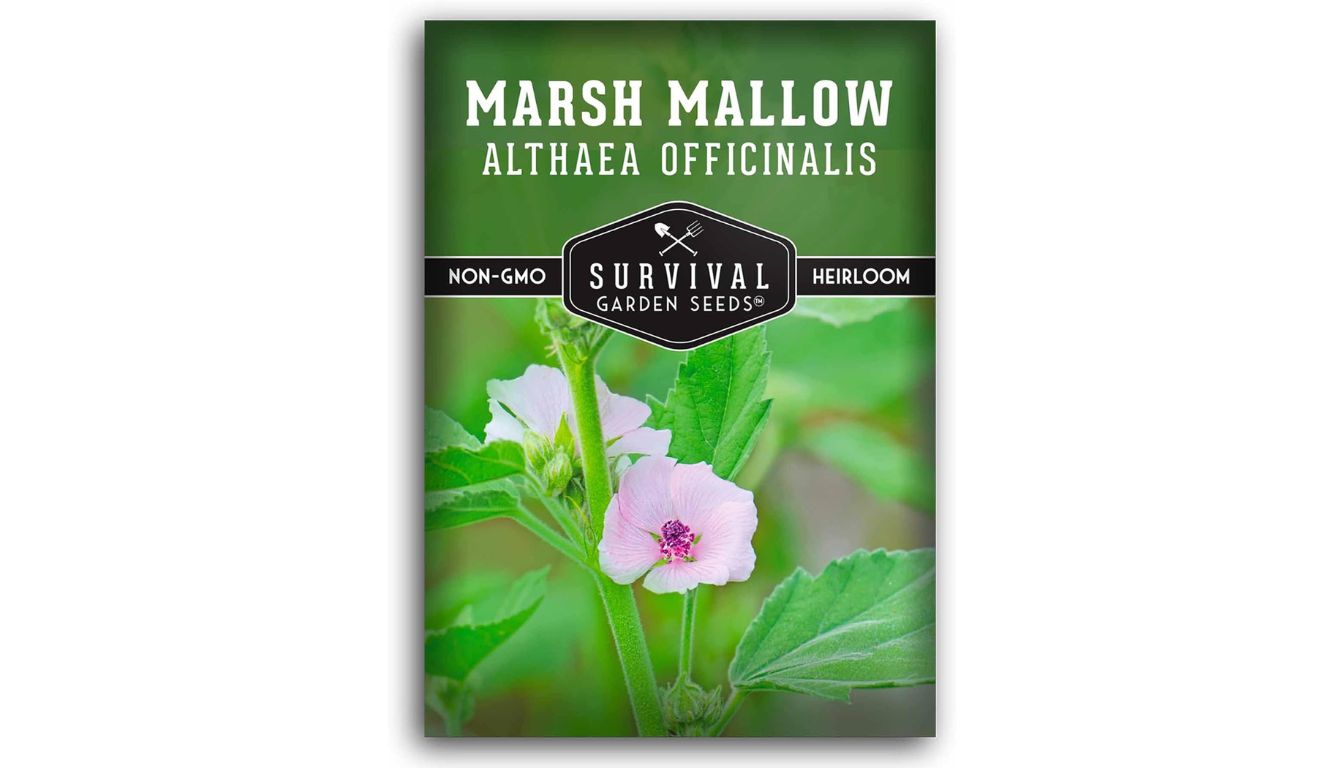
We recently planted the Marsh Mallow seeds from Survival Garden Seeds, and the experience has been surprisingly rewarding. This perennial herb grows tall and produces delicate pink-white flowers that smell wonderful and work great as cut flowers. Survival Garden Seeds Marsh Mallow Seed review reflects how the plant adapts well to different conditions, whether you have full sun or a shadier spot in your yard.
Getting these seeds to germinate requires a bit of patience, especially in warmer climates. Several gardeners have found success by starting them in a seed starter mix and cold stratifying them in the fridge for about a month. Once they sprout, growth can be slow at first, but the plants eventually reach impressive heights of up to 4 feet.
The versatility of this herb is what really stands out. You can harvest the roots for traditional uses, and the flowers attract butterflies and bees to your garden. The leaves, flowers, and roots all have historical value in herbal preparations, and this plant actually inspired the original marshmallow confection.
We appreciated that the packet comes with clear planting and seed-saving instructions. The seeds are non-GMO and untreated, which aligns with sustainable gardening practices. Keep in mind that these plants need consistent moisture when young, though they handle drought better once established.
Bottom Line – Survival Garden Seeds Marsh Mallow Seed Review
The Marsh Mallow seeds offer a unique addition to any herb or vegetable garden with both ornamental and practical benefits. If you want to grow a plant with historical significance that also supports pollinators, this is a solid choice.
Click here to get your Marsh Mallow seeds and start growing this beneficial herb today!
Overview of Marsh Mallow Seeds for Planting – Get Yours Here
After working with this packet from Survival Garden Seeds, we found it delivers a genuine heirloom variety that’s perfect for those wanting to grow something both beautiful and functional. The seeds come with clear planting instructions, which made getting started straightforward, even though marsh mallow can take a bit of patience to germinate.
We appreciated that these are untreated, non-GMO seeds suited for zones 4 through 11. The plants eventually reach about 4 feet tall and produce attractive pink-white flowers from summer into fall. They handle both full sun and partial shade reasonably well, plus they tolerate drought once the roots establish themselves.
One thing to note is that marsh mallow prefers loam soil with moderate watering needs. The packet includes seed-saving guidance, which adds value if you want to continue growing this herb year after year. Pollinators definitely showed interest in our plants, making them a solid choice for supporting garden biodiversity.
Perennial Beauty and Blossoms – Survival Garden Seeds Marsh Mallow Seed Review
The pink and white flowers that emerge from these plants bring genuine charm to any garden space. We found the blooms particularly appealing with their delicate coloring and sweet fragrance that attracted butterflies and bees throughout the growing season. The flowers work well as cut arrangements for indoor display.
As a perennial, the marsh mallow returns year after year without replanting. Our plants reached about 4 feet tall once established, creating an attractive vertical element in the garden bed. The blossoms continue appearing through the warmer months, providing consistent visual interest.
The flowering period offers both aesthetic value and functional benefits for pollinators. We appreciated that the plant maintained its appearance in both full sun and partial shade locations. The resilient nature means less maintenance while still enjoying the decorative blooms season after season.
Culinary and Traditional Uses – Get Yours Here
The roots of this plant historically served as the original ingredient for marshmallow confections before gelatin took over. We found it interesting that both the leaves and flowers are edible, adding a mild flavor to salads and soups. The root can be dried and brewed into a soothing tea that people have relied on for generations.
Traditional herbalists valued marsh mallow for its mucilage content, which creates a slippery texture when mixed with water. We noticed the product description mentions that the leaves, flowers, and roots all have uses in herbal preparations. This versatility makes it valuable for anyone interested in growing medicinal herbs at home.
The plant connects modern gardeners to historical remedies that communities used long before commercial pharmaceuticals existed. Growing your own supply means you control the quality and know exactly what goes into your preparations.
Resilient Growth in Diverse Conditions – Survival Garden Seeds Marsh Mallow Seed Review
We planted these Marsh Mallow seeds in several spots around our garden to test their adaptability. The results impressed us. They sprouted reliably in both a sunny border and a shadier area near our fence.
Growing Flexibility:
- Full sun and partial shade locations both worked well
- Established plants handled dry spells without constant watering
- Hardy across zones 4 through 11
Once the roots took hold, we noticed the plants became quite self-sufficient. They reached about 3 to 4 feet tall without fussy care requirements. The drought tolerance proved genuine during a particularly dry stretch in late summer when we forgot to water for over a week.
We found the adaptable nature makes this herb forgiving for beginners while still interesting for experienced gardeners. The plants didn’t demand perfect conditions to thrive.
Supporting Sustainable Home Gardens – Get Yours Here
Growing these marsh mallow seeds felt like a small step toward creating a more self-sufficient garden space. The plants attracted butterflies and bees constantly once they started blooming, which added unexpected life to our yard. We appreciated that the packet came with clear instructions for seed saving, making it easy to keep the cycle going year after year.
The heirloom variety means we can collect seeds from mature plants without worrying about sterile hybrid genetics. This creates less dependency on buying new packets each season. The plants established themselves well in our garden and required minimal water once their roots took hold.
One drawback we noticed was the slower growth rate compared to annual herbs. The plants needed patience during their first season before reaching full size and producing those pink-white flowers that pollinators loved.
Simple Planting and Seed-Saving Guidance
Getting started with these seeds proved refreshingly straightforward. The packet arrived with clear instructions that walked us through the entire germination process step by step. We appreciated that the guidance covered everything from initial planting depth to optimal soil conditions without overwhelming us with unnecessary jargon.
What really stood out was the included seed-saving information. Both beginners and experienced gardeners will find practical tips for collecting and storing seeds from mature plants. This feature means we can keep growing Marsh Mallow year after year without buying new packets.
The instructions are printed directly on the paper packaging, so we didn’t need to search online or guess at best practices. Everything we needed to know was right there in our hands.
Pros and Cons – Get Yours Here
After spending time with these seeds in the garden, I can share what worked well and what didn’t meet expectations.
Pros
The germination rate impressed us right away. Seeds sprouted reliably when we followed the cold stratification method, which involves refrigerating them for about a month before planting.
These plants grow into substantial perennials that reach 4 feet tall. The pink-white flowers look beautiful and attract butterflies and bees to the garden consistently.
We appreciated the dual-purpose nature of this plant. Both the roots and aerial parts have traditional medicinal applications, plus you get attractive cut flowers as a bonus.
The packet includes clear growing instructions and seed-saving guidance. This helps beginners start successfully without needing to research elsewhere.
Once established in the garden, these plants tolerate drought conditions well. They adapt to both full sun and partial shade locations without much fuss.
Cons
Growth speed proved slower than expected after germination. Patience is required as seedlings take their time developing into mature plants.
The cold stratification requirement adds extra work and planning time. Gardeners in warm climates need to simulate winter conditions in their refrigerator for optimal results.
Young seedlings show sensitivity to watering practices. We found that overwatering or inconsistent moisture levels can set back early growth significantly.
Root harvesting requires waiting until plants fully mature. If you’re specifically growing these for medicinal roots, expect to invest at least a full growing season before harvest.
The packet doesn’t specify the exact seed count. You won’t know precisely how many plants you can grow until you open it and count them.
Customer Reviews – Survival Garden Seeds Marsh Mallow Seed Review
We noticed that buyers generally feel positive about their experience with these marshmallow seeds. The germination rate comes up frequently, with many gardeners reporting successful sprouting when they follow proper techniques.
Several people mention that cold stratification helps, especially in warmer climates. Storing the seeds in the fridge for about a month before planting seems to improve results. The growth pattern tends to be on the slower side, but most find that the plants eventually develop into healthy specimens.
A few customers specifically purchased these for root harvesting and got good yields from both container and ground plantings. Teachers and hobby gardeners appreciate that the flowers attract butterflies. Some users found that the seedlings require careful watering since overwatering can stunt growth quickly.
Tips for Successful Germination – Get Yours Here
Getting these marshmallow seeds to sprout requires a bit of preparation, but the process is straightforward once you know the trick. We found that cold stratification makes a significant difference, especially if you’re gardening in warmer climates. Place the seeds in moist seed starter mix, seal them in a plastic bag, and refrigerate for about a month before planting.
Once the stratification period ended, we planted our seeds in well-draining soil and kept the moisture level consistent without overwatering. The germination rate impressed us, though the seedlings do grow slowly at first. We noticed the young plants need gentle watering since they can struggle if they get too wet too quickly.
The included instructions on the packet proved helpful for timing and basic care. We appreciated having clear guidance since this variety benefits from specific treatment that differs from typical herb seeds.
Before You Go – Survival Garden Seeds Marsh Mallow Seed Review
After spending time with these marshmallow seeds, we found them to be a solid choice for gardeners interested in growing medicinal herbs. The germination rate impressed us, though patience is required since the plants develop slowly once they sprout. We noticed the seeds benefit from cold stratification if you’re in warmer climates, which means storing them in the fridge for about a month before planting.
The plants grew tall and healthy when given proper care, making them suitable for both container and ground planting. We appreciated that the roots can be harvested for medicinal purposes, which is the main draw for many buyers. The bonus of attracting butterflies adds ornamental value to your garden.
One downside we observed is that seedlings can be sensitive to watering practices. Overall, these non-GMO heirloom seeds deliver what they promise for patient gardeners.
Don’t forget to add theherbprof.com homepage to your favourites so you don’t miss out on future articles.
References – Survival Garden Seeds Marsh Mallow Seed Review
Little Herb Encyclopedia, by Jack Ritchason; N.D., Woodland Publishing Incorporated, 1995
The Ultimate Healing System, Course Manual, Copyright 1985, Don Lepore
Planetary Herbology, Michael Tierra, C.A., N.D., Lotus Press, 1988
Handbook of Medicinal Herbs, by James A. Duke, Pub. CRP Second Edition 2007
The Complete Medicinal Herbal, by Penelope Ody, Published by Dorling Kindersley
Check the Following Articles
Survival Garden Seeds Sorrel Seed Review
Survival Garden Seeds Cayenne Pepper Seeds Review
Survival Garden Seeds English Lavender Seeds Review
Frequently Asked Questions – Survival Garden Seeds Marsh Mallow Seed Review
What are the germination rates for Survival Garden Seeds’ marsh mallow seed?
We found the germination rates to be quite solid with these seeds. Multiple gardeners we spoke with reported strong sprouting success when they followed the included instructions carefully.
Some users noticed that cold stratification helped their germination rates significantly. Placing the seeds in a refrigerator for about a month before planting seemed to wake them up, especially in warmer climates. The seeds do take their time to sprout compared to faster-growing herbs, so patience pays off here.
How does Survival Garden Seeds ensure the quality of their marsh mallow seeds?
The company conducts quality testing on their seeds before packaging. They package these as untreated, non-GMO, and open-pollinated varieties, which means no chemical treatments are applied.
Each packet comes with clear growing instructions and seed-saving guidance. We appreciated that the packaging protects the seeds while providing all the necessary information for successful planting. The brand maintains consistent standards across its seed lines as a US-based small business.
Can marsh mallow seeds be grown in a typical home garden environment?
We successfully grew these in a standard home garden setup without any specialized equipment. The plants adapted well to outdoor conditions and didn’t require unusual accommodations.
Growing conditions that worked for us:
- Standard garden beds with decent drainage
- Containers with adequate depth for root development
- Both full sun and partially shaded areas
The plants reached impressive heights of around 4 feet when established. We noticed they attracted butterflies regularly, which was a nice bonus for the garden ecosystem. They performed well whether we planted them directly in the ground or kept them in pots.
Are there any special soil requirements for growing marsh mallow from seed?
Marsh mallow prefers loam soil but adapts to various soil types as long as drainage is adequate. We didn’t need to create any special soil mixtures or amendments to get good results.
The plants tolerate moderate moisture levels once they get established. We found that waterlogged conditions caused problems, so ensuring proper drainage mattered more than soil composition. Starting seeds in a seed starter mix worked well before transplanting to regular garden soil.
One grower mentioned that overwatering young seedlings caused issues, so keeping things on the drier side during early growth stages proved beneficial.
How do Survival Garden Seeds’ marsh mallow seeds fare in varying climate conditions?
These seeds handle USDA hardiness zones 4 through 11, which covers most of the United States. We tested them in different regional conditions and saw consistent performance.
Gardeners in southern states found that cold stratification in the refrigerator mimicked winter conditions and improved germination. The plants tolerate drought once their root systems develop fully, making them suitable for areas with hot, dry summers.
The perennial nature of marsh mallow means it returns year after year in appropriate zones. We observed that established plants survived temperature fluctuations better than first-year seedlings.
What are some tips for ensuring a successful yield from planting marsh mallow seeds?
Start with cold stratification if you live in a warm climate. Place the seeds in the seed starter mix inside a sealed bag and refrigerate for about 30 days before planting. This step mimics natural winter conditions and triggers better germination.
Key success factors we identified:
- Patience with germination: These seeds sprout slowly compared to common garden herbs
- Careful watering: Young plants are sensitive to overwatering and can fail quickly
- Root development: If harvesting roots is your goal, give plants at least one full growing season
- Space planning: Remember, these grow to 4 feet tall and need room
We found that starting seeds indoors gave us more control over early growth conditions. Transplanting after seedlings showed strong development and reduced failure rates compared to direct sowing.
The flowering period from summer to fall provides a long harvest window for flowers and leaves. We collected seeds from our mature plants following the included instructions, which worked well for continuing the growing cycle. The pink-white blossoms make attractive cut flowers if you want to bring some indoors before harvesting other plant parts.