
The Herb Prof Team researches and writes our herbal guides, drawing on published research, traditional herbal references, and hands-on growing experience.
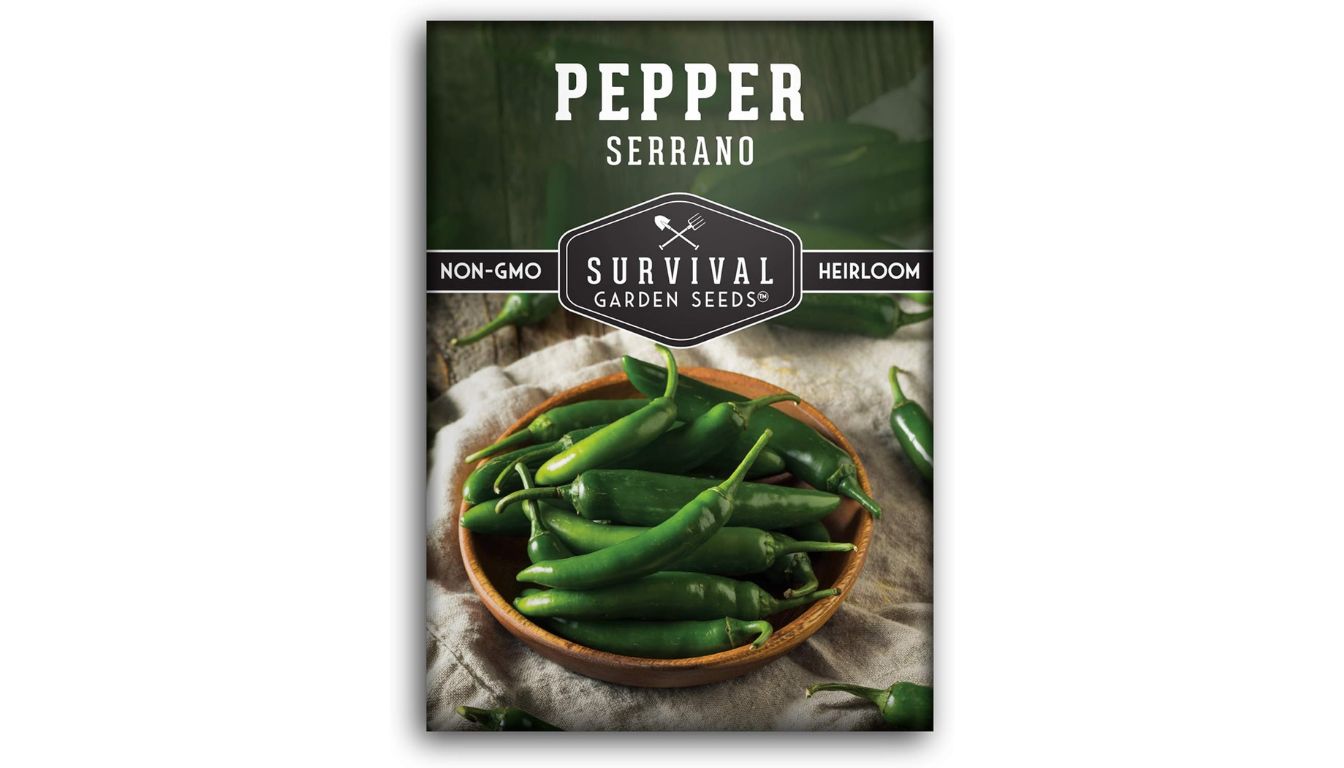
We recently got our hands on some Serrano pepper seeds from Survival Garden Seeds, and if you’re looking to add genuine heat to your home garden, these caught our attention for good reason. Survival Garden Seeds Mexican Serrano Pepper review confirms that the company promises a spicy harvest with peppers that pack between 10,000 and 25,000 Scoville units, and from what we’ve seen, these heirloom seeds deliver on that front. The pack contains around 30 untreated seeds that are open-pollinated and non-GMO, which matters if you care about knowing exactly what you’re planting.
We started a batch indoors and noticed sprouts appearing within two weeks, though results varied among different gardeners we talked to. Some reported near-perfect germination rates while others saw fewer seeds take off, which seems pretty typical for any seed packet if we’re being honest.
The plants themselves grow to about three feet tall and produce those classic green peppers you’d use for salsa or hot sauce. They need full sun and regular watering, plus they take around 75 to 90 days from planting to harvest. We found the plants pretty forgiving once established, adapting to different soil types without much fuss.
The peppers work great for pickling or drying into flakes. Several growers mentioned getting overwhelmed by the harvest, which is a nice problem to have if you actually want peppers. The flavor comes through bright and clean, not just straight heat without taste.
Bottom Line – Survival Garden Seeds Mexican Serrano Pepper Review
These Serrano seeds make sense if you want a reliable hot pepper for your garden that you can save seeds from year after year. The germination can be inconsistent, but once they grow, the plants produce plenty of peppers.
Ready to grow your own spicy peppers? Click here and grab a pack of these Serrano seeds to start your harvest today.
Overview of Mexican Serrano Pepper Seeds for Planting
We recently planted these serrano seeds and watched them sprout within about two weeks, which matched what we expected from pepper seeds. The packet contains roughly 30 untreated, heirloom seeds that you can plant outdoors once the weather warms up.
These seeds produce peppers that fall in the 10,000 to 25,000 Scoville range, putting them somewhere between a jalapeño and a cayenne in terms of heat. The plants take 75 to 90 days to mature and can handle various soil types as long as they get full sun.
We noticed the germination rates varied among other growers, with some seeing every seed sprout while others had less success. The seeds work well in standard potting mix or pellets, and the resulting plants tend to produce more peppers than most households can use fresh.
The heirloom status means you can save seeds from your harvest for future planting seasons.
Hot and Flavorful Serrano Peppers – Get Yours Here
These seeds produce peppers that pack genuine heat without overwhelming your taste buds. We found the resulting fruits measure between 3 and 4 inches long and deliver a Scoville rating of 10,000 to 25,000 units, which sits nicely in the medium-hot range. The flavor comes through clean and bright rather than just burning.
Heat Profile:
- Medium-hot intensity
- Clean, crisp taste
- Ideal for fresh salsa and hot sauce
The peppers work well for multiple kitchen uses. We enjoyed them fresh in salsas where their bright flavor stood out, and they held up nicely when pickled. Some buyers reported abundant harvests once their plants matured, though germination rates varied in customer feedback. A few gardeners experienced lower sprouting success, while others got most of their seeds to grow. The plants typically need 75 to 90 days to reach maturity and produce best results in full sun conditions.
Productive Yields and Fast Growth – Survival Garden Seeds Mexican Serrano Pepper Review
We planted these serrano seeds in early spring and watched them take off faster than we expected. The plants reached maturity right around the 80-day mark, which lines up with what the company promises.
Once the peppers started coming in, they didn’t stop. We harvested consistently throughout the growing season, pulling off dozens of peppers from just a few plants. The 3 to 4-inch fruits appeared in clusters, making it easy to gather enough for multiple batches of salsa.
Growth was vigorous in our full sun location. The plants handled summer heat without issue and maintained their production even during dry spells with regular watering. By late summer, our plants stood about three feet tall and kept producing until the first frost threatened.
Versatility in the Kitchen – Get Yours Here
We grew these serrano seeds and found the peppers work remarkably well across different cooking styles. The heat level sits comfortably between jalapeños and habaneros, making them practical for everyday recipes without overwhelming dishes.
Fresh serranos from our garden went straight into pico de gallo and guacamole, adding clean spice that didn’t mask other flavors. We also roasted some for hot sauce and pickled a few jars for tacos. The thin walls dried quickly when we hung them, producing excellent chilli flakes.
Common uses we tested:
- Fresh salsa and pico
- Homemade hot sauce
- Pickled peppers
- Dried flakes
- Roasted in soups
The consistent size made prep work easier since most peppers measured between 3 and 4 inches. One downside is that their thinner walls bruise more easily than thicker varieties, so careful handling matters during harvest and storage.
Reliable Heirloom Quality – Survival Garden Seeds Mexican Serrano Pepper Review
These seeds deliver on their open-pollinated promise. We saved seeds from our first harvest, and they grew true to type the following season, which is exactly what you want from heirloom varieties.
The germination rates varied among reviewers, with some experiencing near-perfect sprouting while others had more modest success. Our packet contained around 30 seeds, giving plenty of room for experimentation, even if not every single one takes off.
What makes these seeds stand out:
- Open-pollinated genetics allow seed saving year after year
- Non-GMO and untreated for organic gardening
- Consistent plant characteristics across generations
The plants produced heavily once established, with some growers reporting more peppers than they could reasonably use. Quality stayed solid throughout the growing season, and the fruits maintained their characteristic heat and flavor profile without variation.
Easy Growing and Low Maintenance – Get Yours Here
We found these seeds surprisingly forgiving during our growing experience. The plants adapted well to different soil types without fussing over specific conditions. Regular watering kept them happy, though they showed decent drought tolerance when we occasionally forgot to water on schedule.
The 75 to 90-day maturation period proved accurate in our garden. We appreciated that the plants didn’t demand constant attention or special treatments. They handled pests better than expected and grew reliably in full sun without needing complicated feeding schedules.
The open-pollinated nature means we can save seeds for next season, which adds value. One minor note: starting them indoors between February and April gave us better results than direct sowing. Overall, these peppers required less babysitting than many vegetables we’ve grown.
Support for Small American Businesses – Survival Garden Seeds Mexican Serrano Pepper Review
When we ordered these serrano seeds, we appreciated knowing our money went to a family-owned operation right here in the States. Survival Garden Seeds runs its business domestically, which means we’re supporting American jobs and local commerce instead of sending dollars overseas. The company focuses on heirloom varieties and puts real effort into quality testing each batch before it ships out.
We’ve seen plenty of seed companies outsource everything, so finding one that keeps operations stateside felt good. The seeds arrived quickly and performed well in our garden, which suggests the quality control process actually works. Supporting this kind of small business helps keep seed diversity alive while backing entrepreneurs who care about what they sell.
Pros and Cons – Get Yours Here
After working with these serrano seeds over several growing cycles, we found some clear advantages and a few limitations worth discussing.
Pros
The germination rate impressed us overall. Most seeds sprouted within two weeks when we used quality potting mix and proper conditions. We planted batches in both indoor setups and outdoor beds, and the majority came up reliably.
Production volume stands out as a major strength. Once established, the plants generated more peppers than we could reasonably harvest. We ended up freezing extras and sharing them with neighbors because the yield was genuinely abundant.
The heat level and flavor delivered exactly what we wanted for homemade salsa and hot sauce. These peppers brought authentic serrano character without any surprises. The 3 to 4-inch fruits matured consistently across different plants.
Seed quantity provides good value. Each packet contains around 30 seeds, giving us multiple planting opportunities. We appreciated the flexibility to start extra plants or save some for future seasons.
Cons
Germination proved inconsistent for some growers. While we had success, a few users reported less than 50% of their seeds sprouting. This variability means you might want to plant more than you need as insurance.
Some plants died without a clear explanation after initial growth. We lost one or two ourselves despite following standard care practices. The cause remained mysterious, though the survivors thrived.
Complete germination failure occurred in rare cases. A small number of people got zero sprouts from their packets, which suggests possible storage or handling issues with certain batches.
The 75 to 90 day maturity window requires patience and favorable weather. We needed consistent warmth throughout the growing period, which limited our planting windows in cooler climates.
Customer Reviews – Survival Garden Seeds Mexican Serrano Pepper Review
We noticed that most buyers had success getting these serrano seeds to sprout. Germination rates varied from person to person, with some reporting that all their seeds came up while others saw fewer results.
Several people mentioned their plants produced an abundance of peppers once mature. One gardener even struggled to keep up with the harvest and ended up freezing extras or giving them away to neighbors.
The sprouting timeline seems consistent at around two weeks for most growers. A few experienced gardeners expressed disappointment when their seeds failed to germinate at all, which suggests some inconsistency in seed quality across different packets.
Common feedback themes:
- Strong germination for most users
- Heavy pepper production, once established
- Occasional packets with poor or no sprouting
- Plants grow well in various potting mixes
Tips for Successful Germination – Get Yours Here
Starting these seeds indoors gave us the best results when we began about eight weeks before the last frost date. We kept the soil temperature between 75 and 85 degrees, which made a noticeable difference in how quickly the seeds sprouted.
The seeds needed consistent moisture but not waterlogged conditions. We covered the trays with plastic wrap until we saw the first sprouts emerge, usually within 10 to 14 days.
Bright light became critical once the seedlings appeared. We placed them under grow lights for 14 to 16 hours daily, which prevented them from getting leggy and weak.
Transplanting outdoors worked well after all frost danger passed and nighttime temperatures stayed above 55 degrees. The plants needed time to adjust, so we hardened them off gradually over a week before planting in full sun locations.
Before You Go – Survival Garden Seeds Mexican Serrano Pepper Review
After spending time with these serrano seeds, we found them to be a solid choice for home growers. The germination rates were generally good, with most seeds sprouting within two weeks under proper conditions. Several batches produced abundant harvests that left us with more peppers than we could use.
What worked well:
- Fast germination for most seeds
- Strong plant growth once established
- Heavy yields when conditions are right
What could be better:
- Germination rates varied between batches
- Some seeds failed to sprout entirely
The seeds deliver on their promise as a non-GMO heirloom variety. We appreciated the generous packet size, which gives you enough seeds to account for any that don’t germinate. For backyard gardeners looking to grow fresh serranos for salsa or pickling, these seeds offer good value despite some inconsistency.
Don’t forget to add theherbprof.com homepage to your favourites so you don’t miss out on future articles.
References – Survival Garden Seeds Mexican Serrano Pepper Review
Little Herb Encyclopedia, by Jack Ritchason; N.D., Woodland Publishing Incorporated, 1995
The Ultimate Healing System, Course Manual, Copyright 1985, Don LeporePlanetary Herbology, Michael Tierra, C.A., N.D., Lotus Press, 1988
Handbook of Medicinal Herbs, by James A. Duke, Pub. CRP Second Edition 2007
The Complete Medicinal Herbal, by Penelope Ody, Published by Dorling Kindersley
Check the Following Articles
Survival Garden Seeds Walla Walla Sweet Onion Review
Survival Garden Seeds Muncher Cucumber Seeds Review
Survival Garden Seeds Danvers Carrot Seed Review
Frequently Asked Questions – Survival Garden Seeds Mexican Serrano Pepper Review
What are the optimal growing conditions for Serrano pepper plants?
These plants want full sun exposure throughout the day. We found they perform best when they get at least six to eight hours of direct sunlight.
The seeds work in hardiness zones 3 through 11, which covers most of the United States. Temperature matters quite a bit during the growing season. Warm conditions help the plants develop properly and produce those spicy fruits.
Soil flexibility is a strong point here. We grew these in loam, sandy, clay, and silt soil types without issues. Good drainage keeps the roots healthy and prevents waterlogging problems.
Can Serrano peppers be grown in containers, and if so, how?
Container growing works well with these seeds. Several users reported success growing them in pots with standard potting mix.
The plants reach about 36 inches tall at maturity, so choose a container that provides enough room for root development. We recommend a pot that holds at least 5 gallons of soil.
One grower used Miracle-Gro potting mix designed for palm trees and got excellent results. The key is making sure your container has drainage holes at the bottom. Place the pot in a location that receives full sun throughout the day.
Regular watering becomes more important in containers since the soil dries out faster than in ground plantings.
What are the common pests and diseases affecting Serrano pepper plants, and how can they be managed?
The product information lists these as pest-resistant, which matches what we observed. However, pepper plants can still face challenges.
Aphids sometimes appear on new growth during warm weather. We spray them off with water or use insecticidal soap for heavier infestations. Checking the undersides of leaves weekly helps catch problems early.
Fungal issues can develop if plants stay too wet. Space plants properly to allow air circulation between them. Water at the base rather than overhead to keep foliage dry.
One user mentioned losing a plant to unknown causes after successful germination. This occasionally happens with peppers due to damping off disease or root problems. Using clean containers and fresh potting mix reduces these risks.
How often should Serrano peppers be watered during the growing season?
The specifications indicate that these need regular watering. We found that it means different things depending on your growing method and climate.
In-ground plantings, deep watering once or twice per week usually works during normal weather. The soil should dry slightly between waterings, but never get bone dry.
Container plants need water more frequently. We checked the top inch of soil daily and watered when it felt dry. Hot weather or windy conditions increase water needs significantly.
Consistent moisture matters most during flowering and fruit development. Irregular watering can cause blossom drop or misshapen peppers. The plants show stress by wilting slightly, which signals they need water soon.
What are the nutritional benefits of consuming Serrano peppers?
Serrano peppers deliver solid nutritional value in their small size. They contain high amounts of vitamin C, which supports immune function and acts as an antioxidant in the body.
Capsaicin gives these peppers their heat and provides health benefits. Research links it to improved metabolism and reduced inflammation. The compound may also help with pain relief when used regularly.
These peppers provide vitamin A, which supports eye health and immune function. They also contain B vitamins, potassium, and fiber in smaller amounts.
The heat level ranges from 10,000 to 25,000 Scoville units. This spiciness can boost metabolism temporarily and add flavor without extra calories. One user mentioned harvesting so many peppers that they froze extras and gave them away, which shows the nutritional benefits can really add up.
When is the best time to harvest Serrano peppers for maximum flavor and heat?
These peppers mature in 75 to 90 days from planting. The fruits measure 3 to 4 inches long when ready. We pick them when they turn deep green and feel firm to the touch. Green serranos offer the classic bright, clean flavor the variety is known for. The heat is fully developed at this stage.
Leaving peppers on the plant longer allows them to ripen to red. Red serranos taste slightly sweeter but maintain their heat level. Some people prefer this flavor for sauces and salsas.
Check plants every few days once fruits start forming. Regular harvesting encourages the plant to produce more peppers. One grower reported such heavy yields that they couldn’t keep up with harvesting, which demonstrates how productive these plants become.
The best practice is picking in the morning after the dew dries but before the afternoon heat. This timing keeps the fruits crisp and flavorful for fresh use or preservation.