The Herb Prof Team researches and writes our herbal guides, drawing on published research, traditional herbal references, and hands-on growing experience.
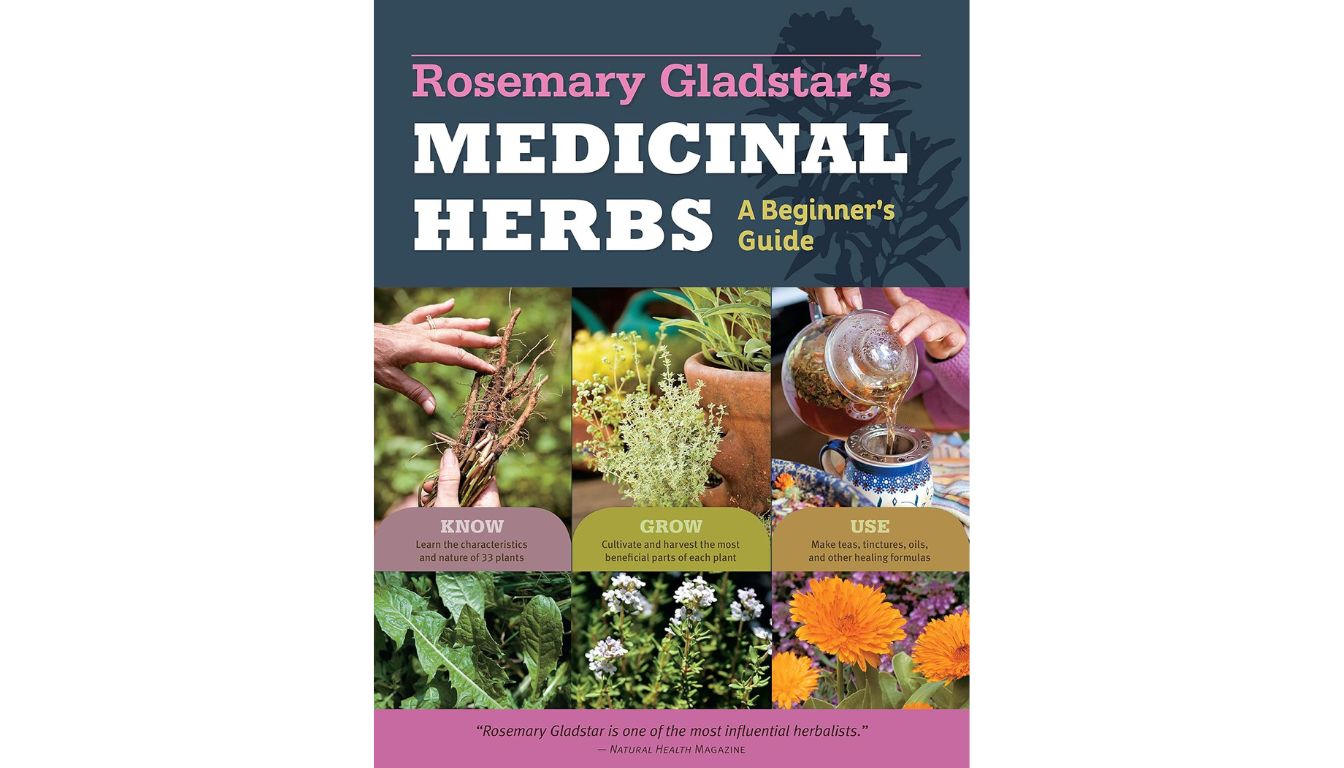
The Rosemary Gladstar’s Medicinal Herbs Guide review highlights a foundational book for anyone curious about herbal medicine. To begin with, we recently spent time with this herb guide from renowned herbalist Rosemary Gladstar, and it turned out to be exactly what beginners need to start their medicinal herb journey. In fact, the book covers 33 different healing herbs with practical information about growing them, harvesting them at the right time, and actually using them in your daily life.
What stands out most, however, is how accessible Gladstar makes everything feel. She writes like someone who has worked with these plants for decades and wants to share that knowledge without overwhelming you. Additionally, the layout makes finding information quick and easy, with text that’s actually readable instead of tiny print you need a magnifying glass for.
Moreover, the recipes and preparation methods are clear enough that we felt confident trying them ourselves. From understanding which plant parts to use to learning proper storage techniques, the book walks you through each step. Equally important, the photos and illustrations help identify plants and understand the processes better.
On the other hand, we did notice that some herbs mentioned might be harder to find, depending on where you live. For example, a few readers outside the US found certain plants weren’t native to their regions, which limited which recipes they could try.
Bottom Line – Rosemary Gladstar’s Medicinal Herbs Guide Review
This guide delivers solid foundational knowledge for anyone wanting to explore medicinal herbs without feeling lost. The clear instructions and practical recipes make it easy to start growing and using healing plants right away.
Click here and get your copy of Rosemary Gladstar’s herb guide here and begin your herbal journey today.
Overview of Rosemary Gladstar’s Medicinal Herbs: A Beginner’s Guide – Get Yours Here
This book serves as a practical introduction to herbal medicine, covering 33 common medicinal plants. We found the guide walks readers through identification, cultivation, and preparation methods for each herb.
The content focuses on accessible plants like chamomile, echinacea, and peppermint rather than obscure species. Gladstar organizes the information so beginners can start using herbs quickly without getting overwhelmed by technical jargon.
What works well:
- Clear instructions for making teas, tinctures, and salves
- Growing tips for each plant
- Safety guidelines are included throughout
What could be better:
- Photos are helpful, but sometimes small
- Some remedies lack dosage specifics
We appreciated that the author shares decades of hands-on experience without making unrealistic health claims. The writing stays approachable while covering essential preparation techniques and storage methods.
Comprehensive Herbal Profiles – Rosemary Gladstar’s Medicinal Herbs Guide Review
To begin with, each plant gets its own dedicated section that walks through growing conditions, harvesting tips, and preparation methods. In addition, the guide covers 33 common herbs like chamomile, lavender, and echinacea with practical details about their medicinal properties. Overall, we found the profiles straightforward to follow, though some entries felt brief compared to others.
Furthermore, the book includes clear instructions for making tinctures, teas, and salves from each herb. Equally important, growing zones and basic cultivation requirements appear for every plant, which helped us understand what would thrive in our climate. However, the profiles lack detailed troubleshooting for pest problems or diseases.
What each profile typically covers:
- Basic botanical information
- Historical medicinal uses
- Simple preparation recipes
- Growing requirements
The photographs help with plant identification, though we wish for more images showing different growth stages.
Step-By-Step Growing Instructions – Get Yours Here
The guide breaks down herb cultivation into manageable stages that even complete beginners can follow without feeling lost. We appreciated how each plant profile includes specific soil preferences, sunlight requirements, and watering schedules.
The book walks you through selecting appropriate containers or garden spots based on your available space. Propagation methods get detailed attention, whether you’re starting from seeds, cuttings, or transplants.
Key Growing Information Covered:
- Optimal planting times for each herb
- Spacing requirements between plants
- Soil pH and drainage needs
- Harvesting techniques and timing
One thing we noticed is that some instructions assume you have basic gardening knowledge about composting and mulching. The seasonal care tips proved useful for maintaining healthy plants throughout the year. We found the troubleshooting advice for common growing problems particularly helpful when our first attempts didn’t go perfectly.
Practical Home Remedy Recipes – Rosemary Gladstar’s Medicinal Herbs Guide Review
The book walks you through creating actual remedies you can make in your own kitchen. We found the instructions straightforward enough for complete beginners, with clear measurements and simple steps that don’t require specialized equipment.
The guide includes recipes for common ailments like headaches, digestive issues, and minor skin irritations. Each remedy uses accessible herbs that we could either grow ourselves or purchase at local stores. We appreciated that the instructions explained both how to prepare the remedy and how to use it safely.
Common remedy types covered:
- Teas and infusions
- Salves and balms
- Tinctures
- Poultices
The measurements are given in standard units, which made following along easy. We did notice that some recipes require waiting periods of several weeks, so patience is necessary for certain preparations.
Easy-To-Follow Presentation – Get Yours Here
The layout makes learning about herbs refreshingly simple. We found the text large enough to read comfortably without straining, which matters when you’re flipping through pages while working with plants. Each herb gets its own dedicated section that walks you through identification, cultivation, and preparation methods in a logical sequence.
The book structures information so you can quickly locate what you need. Recipes and formulations appear alongside their relevant herbs rather than tucked away in separate chapters. We appreciated how the author explains harvesting times and storage techniques right where you need them, making the whole process feel manageable rather than overwhelming.
The visual elements support the content well. Photos and illustrations help with plant identification, and the overall design keeps information accessible without cramming too much onto each page.
Rich Illustrations and Visual Aids – Rosemary Gladstar’s Medicinal Herbs Guide Review
The visual content throughout this guide genuinely impressed us during our recent use. Each herb profile includes detailed color photographs that make plant identification much easier when you’re actually standing in a garden or at a nursery. The images show plants at different growth stages, which proved incredibly helpful for spotting herbs in the wild.
We appreciated the clear diagrams explaining preparation methods like making tinctures and salves. The step-by-step visual guides removed most of the guesswork from our first attempts at creating herbal remedies. The illustrations maintain a practical, educational style rather than trying to be overly artistic.
One minor drawback: some of the botanical drawings could be larger for easier reference. Overall, the visual elements support the text well without overwhelming the pages with unnecessary decoration.
Pros and Cons – Get Yours Here
After spending time with this guide, we noticed several strengths and a few limitations worth discussing.
Pros
The book excels at making herbal medicine accessible for newcomers. We found the instructions clear and easy to follow, with large, readable text that doesn’t strain your eyes. The author’s expertise shows through without overwhelming you with jargon or complicated terminology.
Organization stands out as a major benefit. Information is arranged logically, making it simple to find what you need quickly. The plant descriptions include practical details about growing, harvesting timing, and storage methods that proved genuinely useful.
We appreciated the inclusion of recipes and preparation methods for each herb. Rather than just listing plant properties, the book shows you how to create actual remedies. The step-by-step approach builds confidence for anyone starting their herbal journey.
The author’s passion comes through in the writing, making the subject matter engaging rather than dry. We noticed this made us more motivated to try the recipes and experiment with growing herbs ourselves.
Cons
Availability of herbs presents the biggest challenge. Some plants featured in the book are difficult to source, depending on your location. If you live outside North America, you may struggle to find or grow certain species mentioned.
The beginner focus means experienced herbalists might find the content too basic. We felt the book covers 33 herbs thoroughly, but doesn’t venture into advanced preparation techniques or rare plants.
Recipe execution can be time-consuming. While the instructions are clear, creating some remedies requires patience and planning for harvesting and drying processes.
The book lacks detailed information about potential herb interactions or contraindications. We would have preferred more comprehensive safety warnings for people taking medications or with specific health conditions.
Inspiring for Beginners – Rosemary Gladstar’s Medicinal Herbs Guide Review
We found this guide genuinely encouraging for anyone starting their herbal journey. The book breaks down 33 different healing plants into manageable profiles that don’t overwhelm you with jargon or complicated techniques. We appreciated how Gladstar writes in a warm, grandmother-like tone that makes herbalism feel accessible rather than intimidating.
The step-by-step instructions for growing and preparing remedies gave us confidence to actually try making our own tinctures and teas. Each herb profile includes practical applications we could implement immediately. The nearly perfect rating from over 13,000 readers suggests we’re not alone in finding this approach motivating.
One minor drawback: some beginners might want more visual guides for plant identification. Still, the straightforward writing style and realistic expectations made us feel like herbal medicine was within reach, not reserved for experts.
Customer Reviews – Get Yours Here
Readers consistently praise this guide for its practical approach and easy navigation. We noticed that many buyers appreciate how the author explains plant preparations and recipes in simple terms that beginners can actually follow.
The book’s layout gets high marks. People mention the readable font size and logical organization make it stand out from other herb guides that pack in too much dense information.
Common Praise:
- Clear instructions on harvesting and storage
- Practical recipes that readers can replicate
- Beautiful illustrations and photos
- Passionate, accessible writing style
Some international readers note that certain herbs featured may not grow locally in their regions, which limits their ability to try every recipe. A few buyers wish they had more time with the book before lending it out, since it tends to get borrowed frequently.
The overwhelming sentiment shows that newcomers to herbal medicine find this guide approachable and inspiring.
Before You Go – Rosemary Gladstar’s Medicinal Herbs Guide Review
After spending time with this beginner’s guide, we found it delivers exactly what newcomers to herbal medicine need. The book presents 33 herbs in a clear format that covers growing, harvesting, and preparation without overwhelming readers. We appreciated how the recipes move beyond basic descriptions into practical applications you can actually use.
The layout makes finding information simple, with readable text and good organization throughout. Some herbs mentioned may be difficult to source depending on your location, which could limit certain recipes. However, the core knowledge transfers well regardless of where you live.
This guide works best for people starting their herbal journey who want reliable information presented in an accessible way. The author’s experience shows through without feeling like a lecture, making it easy to absorb and apply the content.
Don’t forget to add theherbprof.com homepage to your favourites so you don’t miss out on future articles.
References – Rosemary Gladstar’s Medicinal Herbs Guide Review
Little Herb Encyclopedia, by Jack Ritchason; N.D., Woodland Publishing Incorporated, 1995
The Ultimate Healing System, Course Manual, Copyright 1985, Don LeporePlanetary Herbology, Michael Tierra, C.A., N.D., Lotus Press, 1988
Handbook of Medicinal Herbs, by James A. Duke, Pub. CRP Second Edition 2007
The Complete Medicinal Herbal, by Penelope Ody, Published by Dorling Kindersley
Check the Following Articles
Pink Stork Labor Prep Supplement Review
GNC Women’s Evening Primrose Oil 1300 mg Review
NaturalSlim Evening Primrose Oil 1500mg Review
Zhou Evening Primrose Oil: Hormone Support Review
Frequently Asked Questions – Rosemary Gladstar’s Medicinal Herbs Guide Review
What healing herbs are covered in Rosemary Gladstar’s beginner’s guide?
The book focuses on 33 specific healing herbs that work well for beginners. We found that the selection includes common plants you can easily grow in a garden or find at local stores. Each herb gets its own detailed section explaining what parts to use and when to harvest them.
The guide covers herbs that address everyday health concerns. Readers mention finding familiar plants alongside ones they hadn’t considered for medicinal use before. Storage instructions accompany each plant profile, which we found practical for keeping dried herbs effective.
Is ‘Rosemary Gladstar’s Medicinal Herbs: A Beginner’s Guide’ suitable for someone with no prior knowledge of herbalism?
This book works perfectly for complete beginners. The layout makes information easy to find without getting overwhelmed. We noticed the text uses large, readable fonts and clear organization that helps new learners navigate the content.
People with zero herbalism experience report feeling confident after reading it. The writing assumes no background knowledge and builds understanding step by step. We appreciate that it explains basic concepts without making readers feel talked down to.
The straightforward approach removes intimidation from learning herbalism. Each concept gets explained in simple terms before moving to more detailed applications.
Can I find recipes for herbal remedies in Rosemary Gladstar’s guidebook?
Yes, the book includes numerous recipes for making your own remedies. We found instructions for various preparations, from teas to more complex formulations. Each recipe tells you exactly what plant parts to use and how to prepare them properly.
The recipes go beyond just listing ingredients. They explain how to make different types of herbal products with clear steps. Readers consistently mention the recipes as a highlight, noting they’re simple enough to follow immediately.
We tried several recipes and found the instructions accurate and achievable. The book covers both basic preparations and more involved remedies, giving you options based on your comfort level.
What distinguishes Rosemary Gladstar’s approach to teaching about medicinal herbs?
Gladstar writes from decades of hands-on experience rather than purely academic knowledge. Her familiarity with the plants comes through in every description. We noticed she shares information like someone who has actually grown, harvested, and used these herbs extensively.
The passion behind her teaching makes the content more engaging. Readers mention feeling her enthusiasm for herbalism transfer to them as they read. She doesn’t just present facts but conveys genuine excitement about helping plants.
Her teaching style balances practical instruction with accessible explanations. We found she avoids making herbalism seem complicated while still providing substantial information. The approach feels more like learning from a knowledgeable friend than studying a textbook.
How does ‘Rosemary Gladstar’s Medicinal Herbs: A Beginner’s Guide’ compare to her other books?
This particular book serves as an introduction to her broader body of work. We found it more accessible than some of her other titles because it targets beginners specifically. The format emphasizes clarity and ease of use over comprehensive depth.
People who read this first often seek out her other books for advanced information. This guide gives you enough foundation to understand herbalism basics before exploring more specialized topics. The illustrated edition from 2012 includes visual elements that enhance learning.
We consider this the best starting point in her collection. Other books might offer more detail on specific areas, but this one delivers the essential knowledge new herbalists need most.
Are there any resources available for further learning after reading Rosemary Gladstar’s introductory guide on medicinal herbs?
The book itself provides a solid foundation for continued learning. We found that readers naturally want to explore more after finishing it. Many pursue additional books, workshops, or online resources about herbalism once they grasp the basics here.
Growing your own herbs becomes a logical next step. The guide prepares you to start a medicinal herb garden with confidence. We recommend beginning with a few plants from the book and expanding as you gain experience.
Local herbalism groups and online communities offer ongoing education. You can apply what you learned from this guide while connecting with others who share the interest. The knowledge here gives you enough background to participate meaningfully in those spaces.