
The Herb Prof Team researches and writes our herbal guides, drawing on published research, traditional herbal references, and hands-on growing experience.
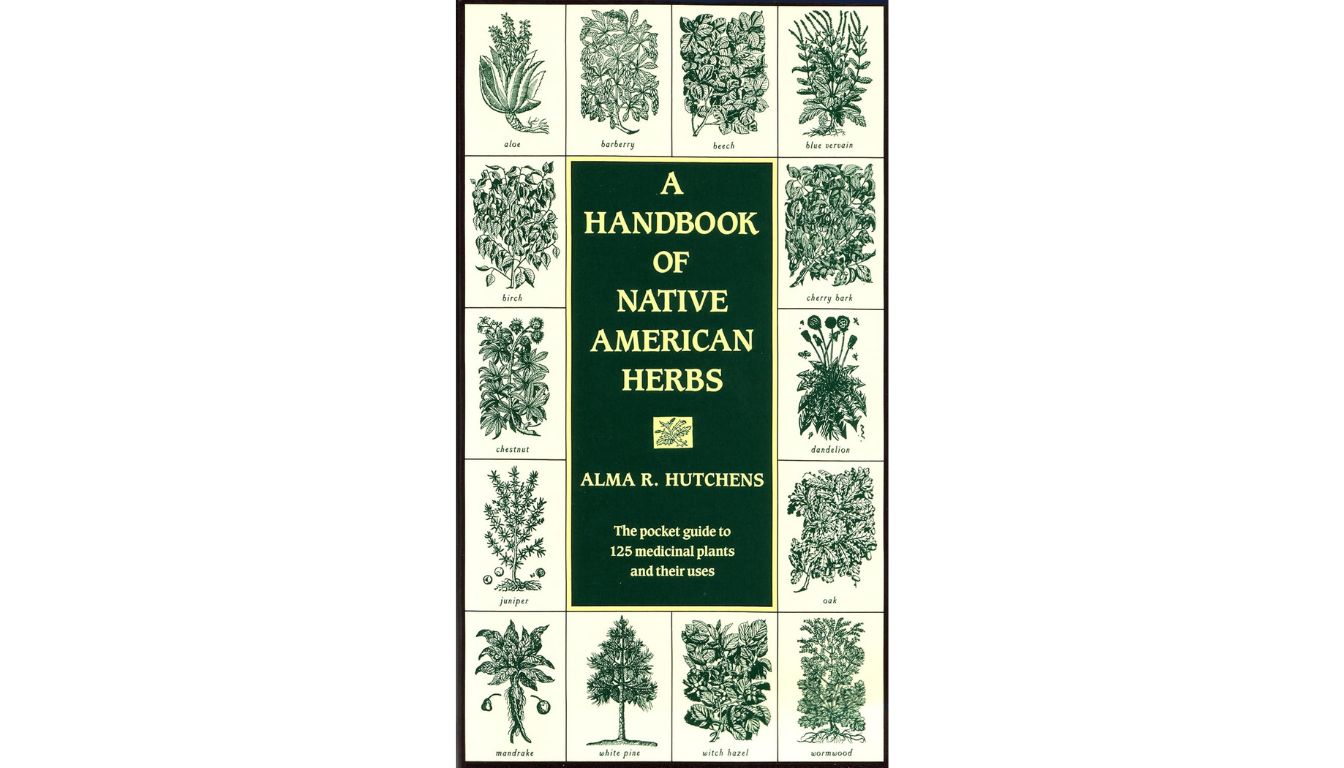
The A Handbook of Native American Herbs review explores a compact and culturally rich resource for herbal enthusiasts. To begin with, we’ve spent time with this compact herbal guide, and it’s proven to be a solid reference for anyone curious about traditional plant medicine. In fact, the Handbook of Native American Herbs packs information about 125 medicinal plants into a portable format that’s easy to keep on hand. Moreover, after flipping through its pages, we found that it offers practical knowledge about herbs that have been used for generations.
The book includes drawings of each plant along with descriptions of its medicinal applications. We appreciated how it organizes information by both plant name and ailment, making it useful whether you know what you’re looking for or need to search by condition. The content covers historical uses and preparation methods for various herbs.
One thing to note is that the book assumes some baseline knowledge. Medical terminology appears throughout, which might require extra research if you’re just starting. Not every plant entry includes an illustration, and some drawings could be clearer for identification purposes.
The guide has maintained its popularity since publication in 1992, earning strong ratings from readers who value its straightforward approach. People who work with herbalists or study plant medicine find it particularly useful as a quick reference. The pocket size means you can bring it along during nature walks or keep it in your kitchen.
Bottom Line – A Handbook of Native American Herbs Review
If you want a practical reference for traditional herbal remedies, this handbook delivers useful information in a convenient package. The organized format and breadth of plant coverage make it a worthwhile addition to your wellness library.
Click here to get your copy of the Handbook of Native American Herbs and start exploring natural remedies today.
Overview of A Handbook of Native American Herbs: The Pocket Guide to 125 Medicinal Plants and Their Uses – Get Yours Here
This compact reference guide covers 125 different medicinal plants used in traditional Native American healing practices. The book organizes information by individual plants, providing descriptions, historical context, and therapeutic applications for each entry.
We found the illustrations helpful for plant identification, though some readers noted that not every plant includes a clear drawing. The guide requires some familiarity with medical terminology, which might challenge complete beginners to herbalism.
The back of the book includes an ailment index that lets you search by specific health concerns rather than plant names. This reverse lookup feature proved practical when we wanted to find remedies for particular conditions.
At 272 pages, the portable size makes it easy to carry on foraging trips or keep as a desk reference. The information presents traditional uses without excessive marketing claims, sticking to documented applications of each plant.
Comprehensive Herb Profiles – A Handbook of Native American Herbs Review
The pocket guide breaks down 125 different medicinal plants with enough detail to actually be useful. Each entry we looked at includes the plant’s traditional Native American uses, which parts you can harvest, and how to prepare them safely. We appreciated that the handbook doesn’t skip over important warnings about potential side effects or toxic look-alikes.
The profiles stay practical without getting overly technical. You get botanical descriptions that help with identification in the field, along with historical context about how various tribes used each plant. Some entries felt a bit brief when we wanted more preparation details, but the book covers enough ground to get started confidently with most herbs.
User-Friendly Organization – Get Yours Here
We found the layout of this pocket guide really practical for quick reference. The book groups plants by their common and scientific names, which helped us locate specific herbs without flipping through endless pages. A handy index in the back organizes remedies by ailment, so we could search by condition rather than plant name when needed.
The format works well for both beginners and those with herbal experience, though some reviewers noted they had to look up medical terminology frequently. Each entry includes a plant description and its medicinal uses in a straightforward manner. We appreciated that the information stayed concise and direct, making it easy to grab what we needed and move on.
One minor drawback is that not every plant includes an illustration, and some drawings lack clarity. Still, the overall structure makes this handbook easy to carry around and reference on the go.
Practical Applications for Everyday Wellness – A Handbook of Native American Herbs Review
We found this pocket guide incredibly useful for addressing common health concerns without always reaching for conventional medications. The handbook works well when dealing with minor digestive issues, skin irritations, or sleep troubles. You can flip to the back index, organized by ailment and quickly find which plants might help.
The compact size means we could keep it in a bag or kitchen drawer for quick reference. Some users mentioned needing to look up medical terminology, which we also experienced occasionally. Not every plant includes a photo, and some drawings lack clarity for absolute beginners.
We appreciated learning natural approaches for things like headaches, minor cuts, and seasonal colds. The historical context for each herb adds depth beyond just listing uses. This guide serves as a starting point for exploring plant-based wellness, though you’ll want additional resources for detailed preparation methods.
Historical and Cultural Insights – Get Yours Here
Indigenous communities across North America developed sophisticated plant medicine systems over thousands of years. This pocket guide draws from that traditional knowledge, presenting 125 plants that Native peoples used for healing. We found the book respects these origins while making the information accessible to modern readers.
The author compiled practices from various tribal nations, showing how different groups used the same plants in unique ways. Published in 1992, it arrived during a growing interest in traditional medicine systems. We appreciate that it acknowledges the cultural significance of these remedies rather than treating them as simple folk cures.
The compact format makes sense given that Indigenous healers often carried this knowledge while traveling. We noticed the guide maintains a respectful tone toward the source communities throughout.
Illustrated Plant Descriptions – A Handbook of Native American Herbs Review
Each herb in this pocket guide gets its own detailed drawing that helps identify the plant in the wild. The illustrations are black and white line drawings that show the plant’s leaves, flowers, stems, and roots with accurate proportions and distinctive features. We found these sketches particularly useful because they highlight the specific characteristics that separate one medicinal plant from another.
The drawings accompany written descriptions that explain where each plant grows and how to recognize it during different seasons. Some illustrations include close-up details of seeds or flower structures that might be hard to spot otherwise. We noticed the artwork isn’t full color, which might disappoint some readers, but the line drawings are clear enough for identification purposes when you’re out foraging.
Pros and Cons – Get Yours Here
After spending time with this pocket guide, we found several aspects worth noting for anyone considering adding it to their herbal reference collection.
Pros
The organization stands out immediately. We appreciated the ability to look up herbs by specific ailments in the back index, which made finding remedies much faster than flipping through pages randomly.
Each entry provides solid historical context and practical medicinal applications. The book doesn’t just list uses but explains the background of each plant, giving us a fuller understanding of how Native Americans utilized these remedies.
The compact size makes it genuinely portable. We could easily toss this in a bag for reference while hiking or keep it handy in the kitchen without taking up much space.
The illustrations help with plant identification. While not photographic, the drawings give enough detail to recognize most plants in the field.
Cons
Medical terminology appears frequently without much explanation. We noticed this creates a steep learning curve for beginners who lack a background in herbal medicine or anatomy.
Not every plant includes an illustration. Some entries left us wishing for visual reference, especially when trying to identify unfamiliar species.
The existing drawings lack clarity in some cases. We occasionally struggled to distinguish fine details that would help confirm identification in real-world situations.
The technical language assumes prior knowledge. Newcomers to herbalism might find themselves looking up terms constantly, which slows down the learning process considerably.
Customer Reviews – A Handbook of Native American Herbs Review
We noticed the feedback skews heavily positive for this pocket guide. Readers who study with herbalists or want to learn plant medicine say the book delivers solid reference material. The compact format means people carry it around regularly.
Some buyers point out the learning curve. Medical terminology appears frequently throughout the pages, which catches beginners off guard. A few plant entries lack photos, and the included illustrations don’t always show enough detail for confident identification.
The ailment index at the back gets praise for quick lookups. Several people mention they ordered multiple copies after losing or lending out their first one. The straightforward presentation style helps readers find information without wading through unnecessary text.
New users of herbal remedies find the content helpful once they get past the initial terminology barrier. Fast shipping and good condition upon arrival seem consistent across recent purchases.
Tips for Getting the Most Out of This Guide – Get Yours Here
Start by keeping a notebook nearby while you read through the plant profiles. We found that jotting down unfamiliar medical terms helped us build our herbal vocabulary over time.
Use the ailment index in the back as your first stop when you need a remedy for something specific. This approach saves time compared to flipping through all 125 plant entries.
Be prepared to cross-reference terms online since the book assumes some baseline medical knowledge. We learned quickly that having a medical dictionary app made our reading sessions more productive.
The illustrations work best as general reference points rather than field identification tools. We recommend pairing this handbook with a more photo-heavy plant identification guide if you plan to forage.
Keep the book at home as your reference library rather than taking it on outdoor adventures. Its compact size is tempting, but you’ll want to preserve it for long-term use given how frequently you’ll return to specific entries.
Before You Go – A Handbook of Native American Herbs Review
After spending time with this pocket guide, we found that it delivers solid information about herbal medicine in a compact format. The book covers 125 plants with useful details about their medicinal applications, though beginners should expect to encounter some medical terminology that requires extra research.
What works well:
- Organization allows quick lookups by ailment
- Includes plant drawings for identification
- Covers historical context and practical uses
What could be better:
- Not every plant has a picture
- Some illustrations lack clarity
- Assumes familiarity with medical terms
We think this handbook serves as a practical reference for those already exploring herbal remedies or working with an herbalist. It’s not quite beginner-friendly on its own, but the information density makes it worth keeping nearby once you get past the learning curve.
Don’t forget to add theherbprof.com homepage to your favourites so you don’t miss out on future articles.
References – A Handbook of Native American Herbs Review
Little Herb Encyclopedia, by Jack Ritchason; N.D., Woodland Publishing Incorporated, 1995
The Ultimate Healing System, Course Manual, Copyright 1985, Don LeporePlanetary Herbology, Michael Tierra, C.A., N.D., Lotus Press, 1988
Handbook of Medicinal Herbs, by James A. Duke, Pub. CRP Second Edition 2007
The Complete Medicinal Herbal, by Penelope Ody, Published by Dorling Kindersley
Check the Following Articles
The Way of Herbs: Fully Updated Herbal Guide Review
Storey BASICS® Herbs for Common Ailments Review
Herb Gardening for Beginners Book Review
Homegrown Herbs: The Ultimate Garden Guide Review
Frequently Asked Questions – A Handbook of Native American Herbs Review
What are the most commonly used herbs in traditional Native American medicine?
The handbook covers 125 medicinal plants that indigenous peoples used across North America. We found that echinacea appears frequently throughout the book as a powerful immune system supporter. Sage shows up repeatedly for its antiseptic and ceremonial properties.
Willow bark gets attention for pain relief, which makes sense since it contains compounds similar to modern aspirin. The book details how goldenseal served as a natural antibiotic and anti-inflammatory agent. Yarrow comes up often for wound healing and fever reduction.
Other plants that appear throughout include slippery elm for digestive issues, black cohosh for women’s health concerns, and ginseng for energy and vitality. The guide organizes information by individual plant rather than frequency of use, but these herbs receive substantial coverage based on their widespread application.
Can you list some recipes or applications derived from Native American medicinal practices?
The book focuses more on individual plant properties than specific recipes. We noticed it describes preparation methods like making teas, poultices, and tinctures for each herb. The back section lets you look up ailments and find corresponding plant remedies.
For example, the guide explains how to prepare willow bark as a tea for headaches and inflammation. It details making poultices from crushed yarrow leaves to apply directly to wounds. The information stays practical without getting overly detailed about exact measurements.
Each plant entry includes its traditional uses and application methods. The approach gives you enough information to understand how indigenous peoples prepared and used each herb without providing step-by-step recipes. This format works well for someone already familiar with basic herbal preparation techniques.
How does contemporary usage of Native American herbal remedies compare to their historical applications?
The handbook presents traditional applications as they were historically practiced. We appreciated that it includes both the indigenous uses and the modern understanding of each plant’s medicinal properties. The book draws connections between traditional wisdom and contemporary herbal medicine.
Many historical applications align with current herbal practices. Echinacea still gets used for immune support just as it was centuries ago. Chamomile continues to serve as a calming tea for anxiety and sleep issues.
Some applications have evolved as we learned more about plant chemistry and safety. The book helps readers understand which traditional uses remain relevant today. It provides enough medical terminology that you might need to look up unfamiliar terms, which actually strengthens the scientific credibility.
Which authoritative publications offer in-depth knowledge about Native American botanical medicine?
This particular guide serves as a pocket reference rather than an exhaustive academic text. We found it works best as a starting point for further research. The compact format makes it portable and easy to reference in the field.
The book itself comes from Healing Arts Press, which publishes various alternative medicine titles. For deeper study, readers typically need to supplement this handbook with more comprehensive botanical texts. The drawings help with plant identification, though some entries lack illustrations.
The back section with ailment listings adds practical value for quick lookups. We used this feature regularly when trying to find natural remedies for specific health concerns. The organization makes it accessible even without extensive herbal knowledge.
What are considered the sacred or essential plants within Native American herbal medicine?
The handbook treats all 125 plants with equal importance rather than designating certain ones as more sacred. We noticed that some plants clearly held greater ceremonial significance based on their descriptions. Sage appears prominently for both medicinal and spiritual cleansing purposes.
Tobacco gets mentioned for its sacred role in ceremonies beyond medicinal applications. Sweetgrass comes up for its spiritual importance in various traditions. Cedar receives attention for purification rituals and respiratory benefits.
The book respects the cultural context of these plants while focusing primarily on their healing properties. Each entry provides historical background about how different tribes used the plant. This approach gives readers cultural awareness without appropriating indigenous spiritual practices.
What resources provide reliable information on the healing properties of herbal plants used by Native Americans?
This handbook gives solid foundational information about plant properties and traditional uses. We found the descriptions clear and backed by historical application data. The medical terminology throughout suggests the author researched beyond folk knowledge.
Each plant entry includes its scientific name, which helps when researching further. The guide describes specific compounds and actions within the body for many herbs. This level of detail supports continued learning through academic botanical resources.
The book works well alongside a master herbalist’s training program. We would recommend pairing it with field guides that have clearer photographs for plant identification. The combination of this handbook’s medicinal information and better visual references creates a comprehensive learning system.