
Paul Johnston is the founder and master herbalist of The Herb Prof, with decades of clinical experience in naturopathic medicine, herbal remedies, detoxification and holistic wellness. After overcoming his own serious health challenges, he now dedicates himself to helping others reclaim their health naturally.
I’ve encountered many pests that can harm my plants. One that always catches my attention is the big green caterpillar on the pepper plant. These caterpillars can cause significant damage to the leaves and fruit, leaving the plant vulnerable to other pests and diseases. It’s essential to identify and control these pests early to prevent significant damage.
Gardeners often call the big green caterpillar on pepper plants the tomato hornworm. These caterpillars usually target tomato plants, but they also infest peppers. They grow large, display green bodies with white stripes, and carry a horn-like spike at the rear. They eat aggressively and can strip a plant of its leaves overnight. That’s why I act quickly to spot and remove them before they destroy my pepper plants.
In this article, I will provide you with information on how to identify and control the big green caterpillar on your pepper plants. I will also provide you with some organic methods to control these pests without using harmful chemicals. By the end of this article, you will have a clear understanding of how to deal with these pests and keep your pepper plants healthy and thriving.
Identifying the Big Green Caterpillar
Physical Characteristics – Big Green Caterpillar on Pepper Plant
The big green caterpillar found on pepper plants is a member of the sphinx moth family. These caterpillars are characterized by their large size, reaching up to 4 inches in length, and their bright green color. They have a distinctive horn-like appendage at the rear, which can be either straight or curved. The body of the caterpillar is covered in small spikes or spines, which can be black or white.
Common Species
The two most common species of big green caterpillars found on pepper plants are the tomato hornworm and the tobacco hornworm. The tomato hornworm has V-shaped white markings on its green body, while the tobacco hornworm has diagonal white stripes. Both species are members of the sphinx moth family and can be found throughout North America.
Habitat and Range
Big green caterpillars can be found in gardens and fields where their host plants, such as tomato, pepper, and tobacco plants, are grown. They are most commonly found in the United States and Europe.
Life Cycle and Development
The life cycle of the big green caterpillar begins when the female sphinx moth lays her eggs on the leaves of the host plant. The eggs hatch into larvae, which then feed on the leaves of the plant. As they grow, they go through several molts before pupating and eventually emerging as adult moths.
Signs of Infestation
Signs of a big green caterpillar infestation include holes in the leaves of the host plant, defoliation, and the presence of frass or droppings on the leaves. If left untreated, a big green caterpillar infestation can cause significant damage to the host plant.
Impact on Pepper Plants – Big Green Caterpillar on Pepper Plant
Physical Damage
The big green caterpillars on pepper plants can cause significant physical damage to the plant. They feed on the leaves, foliage, flowers, buds, and even the fruit of the pepper plant. As they eat, they create holes in the leaves, which can cause significant defoliation, which can stress the plant and affect its growth and yield. In severe cases, the caterpillars can completely defoliate the plant, leaving it vulnerable to other garden pests and diseases.
Plant Health
The presence of big green caterpillars on pepper plants can also affect the overall health of the plant. When the caterpillars feed on the plant, they release an acid that can damage the tissue and make it more susceptible to disease. The damage caused by the caterpillars can also attract other pests, which can further damage the plant.
Growth and Yield – Big Green Caterpillar on Pepper Plant
The damage caused by big green caterpillars on pepper plants can also affect the growth and yield of the plant. When the leaves are damaged, the plant cannot photosynthesize effectively, which can lead to stunted growth and reduced yield. Additionally, if the caterpillars feed on the fruit of the plant, it can become misshapen or inedible, which can reduce the overall harvest.
Natural Predators and Ecosystem Role
While big green caterpillars on pepper plants can be damaging, they also play a role in the ecosystem. They are a food source for beneficial insects such as ladybugs, lacewings, and parasitic wasps, which can help control other garden pests. Additionally, caterpillars that survive to adulthood become fast-flying moths that are important pollinators for many plants.
Overall, while big green caterpillars on pepper plants can cause significant damage, it is important to remember their role in the ecosystem and to use natural methods to control their populations.
Prevention and Control Methods – Big Green Caterpillar on Pepper Plant
When it comes to preventing and controlling big green caterpillars on pepper plants, there are several effective methods to consider. These methods can be grouped into four categories: cultural practices, physical barriers, biological control, and chemical solutions.
Cultural Practices
Cultural practices are an important part of pest management. To prevent big green caterpillars on pepper plants, it is important to maintain a healthy garden environment. This can be achieved by:
- Removing any debris or fallen fruit from the garden
- Rotating crops to prevent soil-borne diseases
- Sanitizing tools and equipment before use
- Providing proper drainage to prevent waterlogging
Physical Barriers
Physical barriers can be used to prevent big green caterpillars from accessing pepper plants. This can be achieved by:
- Using row covers to protect plants from adult moths
- Installing netting or cages around plants to prevent caterpillars from reaching them
Biological Control – Big Green Caterpillar on Pepper Plant
Biological control involves using natural predators or parasites to control pests. This method can be effective in controlling big green caterpillars on pepper plants. Some examples of biological control include:
- Introducing beneficial insects such as ladybugs, lacewings, and parasitic wasps to the garden
- Encouraging natural predators, such as birds and toads, to visit the garden
Chemical Solutions
Chemical solutions should be used as a last resort, as they can harm beneficial insects and pollinators. However, if other methods fail, chemical solutions can be effective in controlling big green caterpillars on pepper plants. Some examples of chemical solutions include:
- Using pesticides that contain Bacillus thuringiensis (Bt), a naturally occurring bacteria that is toxic to caterpillars
- Using soapy water or neem oil to kill caterpillars on contact
By implementing these prevention and control methods, gardeners can effectively manage big green caterpillars on pepper plants and maintain a healthy garden environment.
Environmental Considerations
Impact on Non-target Species – Big Green Caterpillar on Pepper Plant
It is important to consider the impact of using pesticides on non-target species in the ecosystem. Pesticides not only harm the target pest but also beneficial insects such as butterflies and bees, which are important pollinators in the garden. In addition, pesticides can also harm garden wildlife such as birds and small mammals that feed on insects.
When dealing with big green caterpillars on pepper plants, it is important to use pesticides that are specific to this pest and will not harm other beneficial insects. Organic and sustainable practices such as integrated pest management (IPM) can be used to control pests while minimizing harm to non-target species.
Sustainable Practices and Organic
Organic gardening and sustainable agriculture practices can help minimize the use of pesticides and their impact on the environment. Some organic methods for controlling big green caterpillars on pepper plants include handpicking the caterpillars off the plant, using insecticidal soap or neem oil, and introducing natural predators such as parasitic wasps.
In addition, planting companion plants such as marigolds or basil can help to repel caterpillars and other pests. These plants release natural compounds that act as a natural pest repellent, reducing the need for pesticides.
Overall, it is important to consider the impact of using pesticides on non-target species in the ecosystem and to use organic and sustainable practices whenever possible to minimize harm to the environment. By using these methods, we can control big green caterpillars on pepper plants while maintaining a healthy and thriving garden.
Additional Resources – Big Green Caterpillar on Pepper Plant
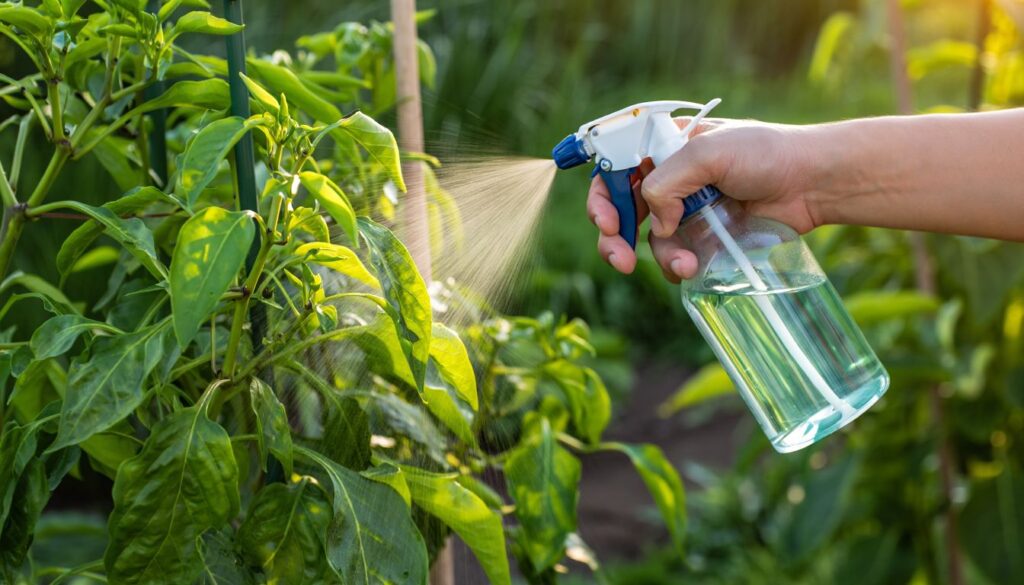
It’s essential to have access to reliable resources that can provide you with expert advice, guidance, and information on how to deal with pests and other problems in your garden. Here are some additional resources that can help you identify and control big green caterpillars on your pepper plants.
Expert Advice and Extension Services
If you’re looking for expert advice on how to deal with big green caterpillars on your pepper plants, then you can turn to your local agricultural extension service. These services offer a wealth of information and guidance on all aspects of gardening, including pest control. You can also consult with gardening clubs or online forums to get advice from experienced gardeners.
Identification Guides and Tools
If you’re not sure what kind of caterpillar is eating your pepper plants, then you can use identification guides and tools to help you identify the pest. There are several field guides and mobile apps available that can help you identify common garden pests. You can also use online resources to help you identify pests and learn more about their behavior and life cycle.
Having access to reliable resources and information is crucial for any gardener dealing with big green caterpillars on their pepper plants. By consulting with experts, using identification guides and tools, and staying informed, you can effectively control pests and protect your garden.
Effective Strategies Against Big Green Caterpillars
Dealing with big green caterpillars on pepper plants can be a daunting task, but with the right pest management techniques, it can be managed effectively. The key to preventing these caterpillars from infesting your pepper plants is to take a few preventative measures. One of the best ways to do this is by setting up a trap crop of hot peppers around your garden. This will attract the caterpillars away from your pepper plants, and you can then dispose of them.
Another effective method of pest management is to handpick the caterpillars from your pepper plants. This is a time-consuming process, but it is an effective way to remove the caterpillars without using harmful pesticides. It is essential to do this regularly to prevent the caterpillars from causing significant damage to your pepper plants.
If you prefer to use pesticides, make sure to choose one that is safe for use on vegetables and follow the instructions carefully. Always wear protective gear when handling pesticides, and keep them out of reach of children and pets.
In addition to pest management, some gardening tips can help prevent caterpillars from infesting your pepper plants. For example, make sure to plant your pepper plants in well-draining soil and provide them with adequate water and sunlight. This will help keep your plants healthy and less susceptible to pests.
Overall, dealing with big green caterpillars on pepper plants can be challenging, but with the right techniques, it can be managed effectively. By taking preventative measures, practicing good pest management, and following gardening tips, you can keep your pepper plants healthy and free of infestations.
Before You Go – Big Green Caterpillar on Pepper Plant
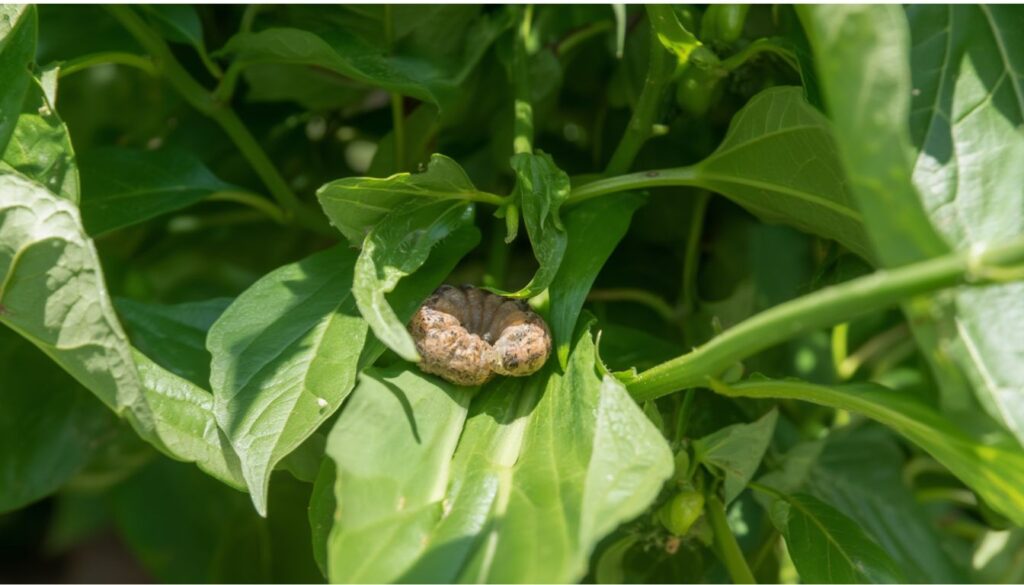
Dealing with big green caterpillars on pepper plants may feel overwhelming, but consistent monitoring and early action make all the difference. These pests can strip leaves and damage fruit quickly, so staying alert helps protect your plants before serious harm occurs.
Before you leave, remember that organic methods often work best. Handpicking caterpillars, encouraging natural predators, and using safe treatments like neem oil or insecticidal soap can keep your garden thriving without harmful chemicals.
By combining prevention with practical pest management, you’ll safeguard your pepper plants and enjoy healthier harvests. With a little vigilance, you can keep these caterpillars under control and ensure your garden continues to flourish season after season.
Don’t forget to add theherbprof.com homepage to your favourites so you don’t miss out on future articles!
References – Big Green Caterpillar on Pepper Plant
Little Herb Encyclopedia, by Jack Ritchason; N.D., Woodland Publishing Incorporated, 1995
The Ultimate Healing System, Course Manual, Copyright 1985, Don Lepore
Planetary Herbology, Michael Tierra, C.A., N.D., Lotus Press, 1988
Handbook of Medicinal Herbs, by James A. Duke, Pub. CRP Second Edition 2007
The Complete Medicinal Herbal, by Penelope Ody, Published by Dorling Kindersley
Check the Following Articles
Jade Leaves: Benefits In Traditional Chinese Medicine
Propagating Mint Cuttings: How To Grow Your Own
Black Spots On Tomato Leaves: Baking Soda Solutions
Frequently Asked Questions – Big Green Caterpillar on Pepper Plant
How can I effectively treat an infestation of big green caterpillars on my pepper plants?
Treat infestations of big green caterpillars on pepper plants with organic methods such as handpicking, introducing natural predators, or applying insecticidal soap. Identify the caterpillar species first, then choose the treatment method that works best.
What is the life cycle of the caterpillar commonly found on pepper and tomato plants?
The tobacco or tomato hornworm moth produces the caterpillar commonly found on pepper and tomato plants. Adult moths lay eggs on leaves. The eggs hatch into caterpillars that feed on leaves and fruit. The caterpillars pupate in the soil, then emerge as adult moths.
Are big green caterpillars harmful to pepper plants, and how can I prevent damage?
Big green caterpillars harm pepper plants by defoliating them and damaging fruit. Prevent damage by monitoring plants regularly and removing caterpillars immediately. You can also introduce natural predators or apply organic insecticides to protect your plants.
What methods can I use to organically control green caterpillars on my vegetable plants?
Control green caterpillars organically by handpicking them, introducing predators like ladybugs and parasitic wasps, or applying neem oil or insecticidal soap. Match the method to the caterpillar species and infestation severity.
How can I identify and deal with tomato hornworm eggs before they hatch?
Look for tomato hornworm eggs on the undersides of leaves. They appear small, white, and spherical. Remove the eggs by hand and crush them or seal them in a container to stop them from hatching.
Is it necessary to remove hornworm caterpillars by hand, or are there natural predators that can help control their population?
You can remove hornworm caterpillars by hand, but natural predators like braconid wasps and green lacewings also control their population. Introduce these predators to your garden to reduce hornworms without relying only on manual removal.