
Paul Johnston is the founder and master herbalist of The Herb Prof, with decades of clinical experience in naturopathic medicine, herbal remedies, detoxification and holistic wellness. After overcoming his own serious health challenges, he now dedicates himself to helping others reclaim their health naturally.
If you want to bring some excitement to your vegetable garden, try growing unusual, eye-catching and cool looking vegetables. These unique options not only make your garden more visually appealing but also come with a variety of health benefits. From the striking look of celeriac to the bold colors of rainbow carrots, there are plenty of cool vegetables worth exploring.
One of my personal favorites is the Romanesco broccoli. This mesmerizing vegetable features a fractal pattern that makes it look like a cross between broccoli and cauliflower. Not only does it look cool, but it’s also packed with nutrients like vitamin C, fiber, and potassium. Another great option is the dragon carrot, which is a deep purple color with a bright orange interior. These carrots are not only visually stunning but also have a sweet and spicy flavor that will add some variety to your meals.
Whether you’re an experienced gardener or a beginner, growing cool-looking vegetables is a fun and rewarding experience. Not only will you get to enjoy the unique appearance of these veggies, but you’ll also be able to reap the health benefits that they offer. So why not add some excitement to your vegetable garden this year and try growing some cool-looking vegetables?
Understanding Cool-Looking Vegetables
Defining Characteristics
When it comes to cool-looking vegetables, the defining characteristics are color, shape, and texture. These vegetables come in a wide range of colors, from deep greens to bright oranges and purples. They also have unique shapes, such as the spiralled florets of Romanesco broccoli or the bulbous base of kohlrabi. Texture is another important characteristic, with some vegetables like fiddleheads having a crisp, crunchy texture while others like sweet potatoes have a soft and creamy texture.
Diversity in Cool Vegetables
Cool vegetables are diverse and include everything from fruits like tomatoes and peppers to roots like carrots and beets. Leafy greens like kale and spinach are also considered cool vegetables, as well as unusual vegetables like winged beans and fiddleheads. With such a wide variety of cool vegetables available, there is something for everyone to enjoy.
Nutritional Value
Cool vegetables are not only visually appealing, but they are also packed with nutrition. Many of these vegetables are high in vitamin C, iron, and potassium, as well as antioxidants. For example, kale and spinach are both excellent sources of vitamin C and iron, while sweet potatoes are high in potassium. Incorporating a variety of cool vegetables into your diet can help ensure that you are getting a wide range of essential nutrients.
Cultivation and Harvesting
Ideal Growing Conditions
To cultivate cool-looking vegetables, it is essential to provide the ideal growing conditions. Cool-season vegetables thrive in a temperate climate, with consistent moisture and well-drained soil. They require full sun exposure, but some partial shade can also be beneficial during hot summer days.
Planting and Care
Planting and caring for cool-looking vegetables is relatively easy. Seeds or seedlings can be started indoors or sowed directly into the garden. Hardy plants can usually withstand frost and cold temperatures, but it is essential to provide frost protection for more delicate annuals.
Trellis systems can be used to support vining plants such as peas and beans. Consistent watering is crucial, especially during the hot summer months. Fertilizing the soil with organic matter can provide additional nutrients for the plants.
Harvesting Techniques
Harvesting cool-looking vegetables is a rewarding experience. Most cool-season vegetables mature within 30 to 60 days, depending on the variety. It is crucial to harvest them at the right time to ensure the best flavor and texture.
For example, leafy greens such as lettuce and spinach can be harvested by picking individual leaves or cutting the entire plant at the base. Root vegetables such as beets and carrots can be harvested by gently pulling them out of the soil.
Seasonal Varieties
Cool-season vegetables can be planted in both the late summer and autumn seasons. Some popular cool-looking vegetables include purple cauliflower, rainbow carrots, and striped beets. Other varieties, such as Swiss chard, kale, and Brussels sprouts, can add vibrant colors and textures to any garden.
Cultivating cool-looking vegetables requires providing the ideal growing conditions, proper planting and care, and using the right harvesting techniques. By selecting seasonal varieties and incorporating them into your garden, you can create a beautiful and delicious harvest.
Preparing and Cooking – Cool Looking Vegetables
As a foodie, I’m always on the lookout for unique and cool-looking vegetables to add to my meals. But it’s not just about the appearance; these vegetables also need to taste great and have a pleasant texture. In this section, I’ll share some tips on how to prepare and cook these cool-looking vegetables to bring out their best flavors and textures.
Raw and Fresh
When it comes to cool-looking vegetables, sometimes the best preparation is no preparation at all. Many of these vegetables can be enjoyed raw and fresh in salads or as a snack. Some examples include colorful radishes, vibrant bell peppers, and crunchy snap peas. To add some extra flavor, try pairing these vegetables with a simple vinaigrette or dip.
Cooking Methods
For vegetables that require cooking, there are many different methods to choose from. Stir-fries are a great option for showcasing the colors and textures of these vegetables, while also adding some extra flavor. Roasting is another great option, which can bring out the sweetness of vegetables like beets and carrots. Boiling is a simple and easy method that works well for vegetables like potatoes and corn on the cob.
Preservation Techniques – Cool Looking Vegetables
If you want to enjoy these cool-looking vegetables all year round, preservation techniques like pickling can help. Pickled vegetables like cucumbers and radishes are a great addition to sandwiches and salads, and can add a tangy flavor to any dish. Another option is to freeze these vegetables, which can help to preserve their texture and flavor for later use.
Overall, there are many different ways to prepare and cook these cool-looking vegetables. Whether you enjoy them raw and fresh or cooked in a stir-fry or roasted, these vegetables are sure to add some color and flavor to any meal.
Global Influence and Varieties – Cool Looking Vegetables
Vegetables from Different Regions
As a food lover, I am always fascinated by the variety of vegetables that exist in different regions of the world. From Africa to South America, Southeast Asia to Italy, there is no shortage of unique and flavorful vegetables to try.
In Africa, one can find a variety of leafy greens such as amaranth, moringa, and spider plant. These greens are rich in nutrients and are often used in stews and soups. In South America, one can find colorful vegetables such as purple potatoes and aji amarillo peppers. These vegetables are often used in traditional dishes such as ceviche and causa.
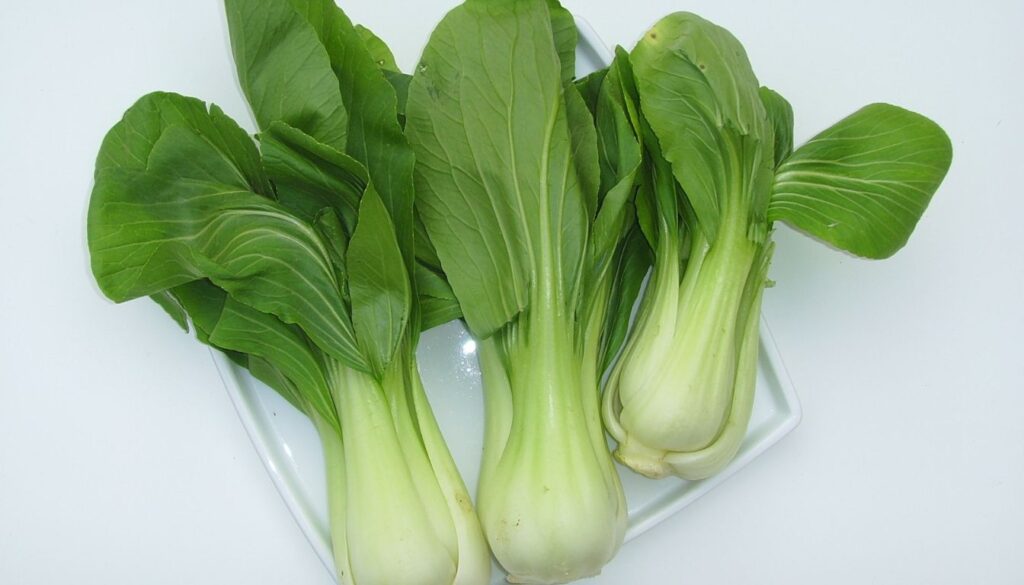
Southeast Asia is known for its exotic vegetables such as bok choy, lemongrass, and galangal. These vegetables are often used in stir-fries and curries. In Italy, one can find a variety of tomatoes, such as San Marzano and cherry tomatoes. These tomatoes are often used in pasta dishes and salads.
Incorporating into Cuisines – Cool Looking Vegetables
Incorporating these unique vegetables into your cuisine can add a new dimension of flavor and texture. Roasting vegetables such as sweet potatoes and beets can bring out their natural sweetness and create a crispy exterior. Pickling vegetables such as cucumbers and carrots can add a tangy and crunchy element to sandwiches and salads.
When cooking with exotic vegetables, it is important to keep in mind their unique flavor profiles. For example, bok choy has a mild and slightly sweet taste, while lemongrass has a citrusy and herbal flavor. Incorporating these flavors into your dishes can create a new and exciting culinary experience.
Overall, exploring the variety of vegetables from different regions can expand your culinary horizons and add a new dimension to your meals.
Gardening Tips and Tricks – Cool-Looking Vegetables
Maximizing Yield – Cool Looking Vegetables
As a gardener, I always aim to maximize my yield. One way to do this is to plant vegetables that are known for their high yields, such as tomatoes, peppers, and cucumbers. Another way is to provide the plants with the right conditions to grow, such as full sun and well-draining soil.
Trellising is also a great way to maximize yield. It not only saves space but also encourages the plants to grow vertically, which can lead to larger yields. Tomatoes, cucumbers, and beans are just a few vegetables that can benefit from trellising.
Companion Planting
Companion planting is another great way to maximize yield and promote healthy growth. Certain plants, when planted together, can help each other grow and deter pests. For example, planting marigolds with tomatoes can help deter nematodes, while planting basil with tomatoes can improve its flavor.
When companion planting, it’s important to consider the needs of each plant. Some plants, such as herbs and baby greens, prefer partial shade, while others, such as tomatoes and peppers, need full sun. It’s also important to consider which crops are compatible with each other and which are not.
Maximizing yield and promoting healthy growth in your vegetable garden can be achieved through proper planning and care. By selecting high-yield vegetables, providing the right conditions, and practising companion planting, you can enjoy a bountiful harvest of fresh and delicious produce.
Innovative Vegetable Uses – Cool-Looking Vegetables
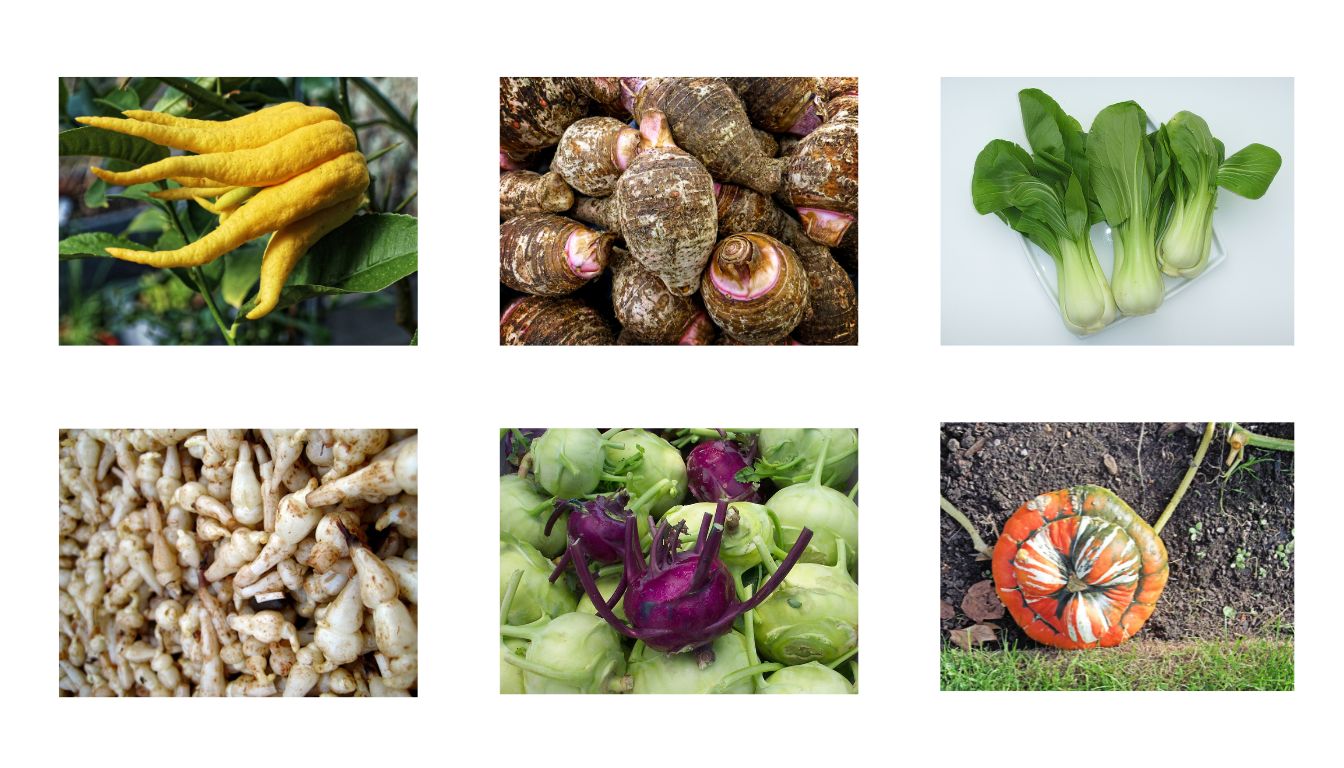
As a food enthusiast, I constantly search for innovative ways to add vegetables to my diet. In this section, I explore unique and creative uses for vegetables that look cool and deliver impressive health benefits.
Decorative and Ornamental – Cool Looking Vegetables
You can use vegetables in many decorative and ornamental ways. For example, colorful bell peppers, such as the purple Dragonfly variety, create a striking centerpiece for a vegetable platter. Kohlrabi, with its unusual shape and bright green color, slices thinly into beautiful garnishes for salads or soups.
You can also design a vegetable bouquet to impress guests or add elegance to your dinner table. Arrange carrots, radishes, cucumbers, and other vibrant vegetables in a vase or decorative bowl to create a stunning display.
Health and Diet
Vegetables form an essential part of a healthy, balanced diet. They supply dietary fiber, vitamin C, iron, potassium, and antioxidants. By eating more vegetables, you lower your risk of chronic diseases such as heart disease, diabetes, and cancer.
One creative way to add vegetables to your meals involves substituting them for pasta. Zucchini noodles, or “zoodles,” replace traditional pasta and boost vegetable intake while reducing carbohydrates.
You can also blend vegetables into smoothies. Spinach or kale mixed with fruit raises the nutritional value of the drink. Vegetables even work in baking, and mashed sweet potatoes can replace butter or oil in muffin recipes.
Vegetables provide health benefits and versatility, making them perfect for creative cooking. By adding them to your diet in innovative ways, you improve your health while enjoying delicious, imaginative meals.
Sustainability and Eco-Friendly Practices – Cool Looking Vegetables
I believe that sustainability and eco-friendly practices are crucial for the well-being of our planet. Here are some sustainable gardening practices that I follow to reduce my environmental impact:
Organic Gardening – Cool Looking Vegetables
I practice organic gardening by growing plants without synthetic fertilizers, pesticides, or genetically modified organisms (GMOs). Instead, I rely on natural methods to maintain soil fertility and control pests. By choosing organic techniques, I keep harmful chemicals out of the environment and encourage healthy soil and plant growth.
To garden organically, I prepare well‑drained soil rich in organic matter. I add compost and natural fertilizers to supply nutrients. I also select plants suited to my climate and soil conditions, which lowers water use and supports drought‑resistant growth.
Water Conservation
Water conservation is another important aspect of sustainable gardening. Conserving water not only helps reduce water waste but also promotes healthy plant growth and reduces the need for chemical fertilizers.
To conserve water, I make sure to water my plants consistently but not excessively. This helps ensure that the soil has consistent moisture levels without becoming waterlogged. I also use drip irrigation systems and rain barrels to collect and distribute water efficiently. By following these sustainable gardening practices, I can reduce my environmental impact and promote a healthier planet.
Future Trends in Vegetable Cultivation – Cool-Looking Vegetables
I constantly search for the latest trends in vegetable cultivation. With urban gardening on the rise and the demand for space‑saving solutions increasing, the future of vegetable cultivation looks bright. I believe several trends will shape how we grow vegetables in the years ahead.
Hybrid Vegetables – Cool Looking Vegetables
Hybrid vegetables are the result of genetic crossbreeding between two or more different varieties of vegetables. This crossbreeding results in a vegetable that has the best traits of both the parent varieties. For example, a hybrid tomato may have the disease resistance of one variety and the flavor of another. Hybrid vegetables are becoming increasingly popular as they offer improved yields, disease resistance, and taste.
Urban Farming Innovations
Urban farming grows in popularity as people seek ways to cultivate food in small spaces. One exciting innovation involves vertical gardening. Gardeners grow vegetables on walls or trellises, using vertical planes to save space. This technique works perfectly for urban growers who lack large garden areas.
Hydroponics offers another major innovation in urban farming. Gardeners grow plants without soil by placing them in nutrient‑rich water solutions. Hydroponics supports year‑round vegetable cultivation and works both indoors and outdoors.
The future of vegetable cultivation shines with urban gardening and space‑saving solutions. Hybrid vegetables and innovations such as vertical gardening and hydroponics show how exciting trends continue to reshape the way we grow food.
Before You Go – Cool Looking Vegetables: Colorful Additions to Your Plate
Nature never runs out of surprises, and cool-looking vegetables prove that beauty and nutrition can go hand in hand. From striped eggplants to rainbow carrots and Romanesco’s fractal spirals, these eye-catching edibles turn any garden or plate into a visual feast.
Before you go, remember that growing unique vegetables isn’t just about aesthetics; it’s also a chance to explore new flavors, boost your nutrient intake, and spark curiosity in the kitchen. So whether you’re planting for fun, flavor, or flair, let your garden reflect your creativity and taste for the extraordinary.
Don’t forget to add theherbprof.com homepage to your favourites so you don’t miss out on future articles!
References – Cool Looking Vegetables: Colorful Additions to Your Plate
Little Herb Encyclopedia, by Jack Ritchason; N.D., Woodland Publishing Incorporated, 1995
The Ultimate Healing System, Course Manual, Copyright 1985, Don Lepore
Planetary Herbology, Michael Tierra, C.A., N.D., Lotus Press, 1988
Handbook of Medicinal Herbs, by James A. Duke, Pub. CRP Second Edition 2007
The Complete Medicinal Herbal, by Penelope Ody, Published by Dorling Kindersley
Check the Following Articles
How to Grow Pineapple from the Top: A Step-by-Step Guide
Kinds of Radishes: A Comprehensive Guide
Earwig Bite Treatment: How to Relieve the Pain and Itching
Frequently Asked Questions – Cool Looking Vegetables: Colorful Additions to Your Plate
What are some unique vegetables to grow in a home garden?
If you want to grow unique and unusual vegetables in your home garden, you can choose from many options. I enjoy planting purple carrots, Romanesco broccoli, and dragon tongue beans. These vegetables look cool and deliver great flavor and nutrition.
Which vegetables are considered the most visually striking?
Many vegetables stand out visually because of their colors, shapes, and textures. Rainbow Swiss chard, purple cauliflower, and watermelon radishes make striking examples. These vegetables look beautiful and provide a wide range of health benefits.
Can you list some unusual fruits and vegetables that can be found in the USA?
You can find many unusual fruits and vegetables in the USA. Kohlrabi offers a bulbous shape and mild, sweet flavor, while kiwano shows off a spiky rind and tart, citrusy taste. Other unusual options include salsify, celeriac, and kumquats.
What are some of the weirdest vegetables known for their appearance?
Several vegetables earn attention for their weird and unusual appearance. Sea beans resemble green beans but grow in saltwater marshes. Luffa often serves as a natural sponge, though you can eat it when young and tender. Other odd vegetables include horned melon, bitter melon, and Romanesco broccoli.
Which exotic vegetables are a must-try for adventurous eaters?
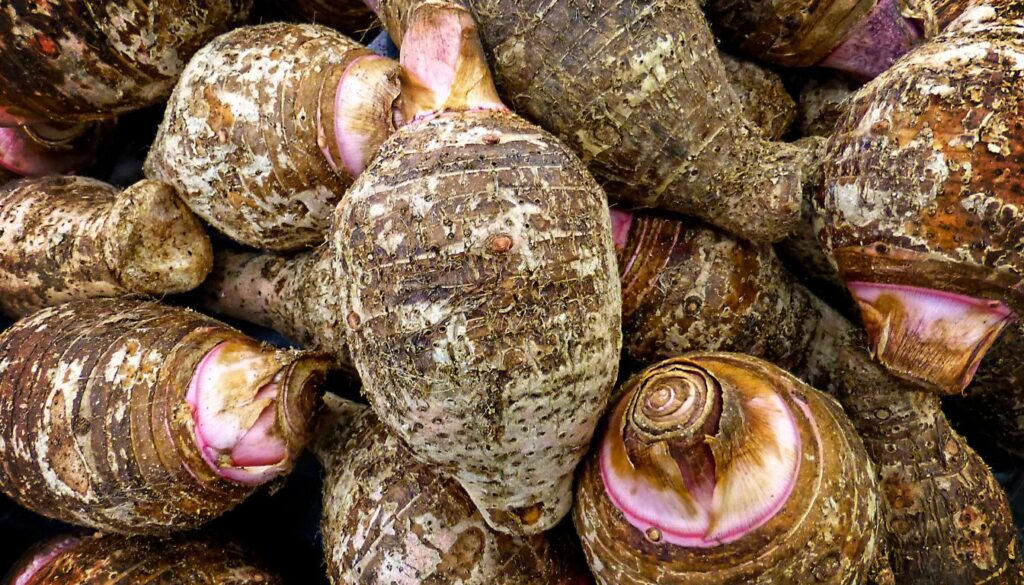
Adventurous eaters can try many exotic vegetables. I recommend fiddlehead ferns for their delicate, nutty flavor and lotus root for its crunchy texture and mild sweetness. Other exotic vegetables worth tasting include kohlrabi, taro root, and bok choy.
What are some vegetables with funny or unexpected shapes?
Plenty of vegetables grow in funny or unexpected shapes, making them fun conversation starters. Tromboncino squash curves like a trumpet, while pattypan squash resembles a flying saucer. Other quirky vegetables include turban squash, crosnes, and Buddha’s hand fruit.