
Paul Johnston is the founder and master herbalist of The Herb Prof, with decades of clinical experience in naturopathic medicine, herbal remedies, detoxification and holistic wellness. After overcoming his own serious health challenges, he now dedicates himself to helping others reclaim their health naturally.
What are the lavender flower uses? Lavender has been valued for centuries for its wide range of benefits. Scientifically known as Lavandula angustifolia, this fragrant plant belongs to the mint family. Famous for its calming and soothing qualities, lavender is commonly used in aromatherapy, but its applications extend far beyond its pleasant scent.
One of the most common uses of lavender is for relaxation and stress relief. The scent of lavender has been shown to have a calming effect on the mind and body, making it a popular choice for aromatherapy. Lavender can be used in a variety of ways for relaxation, such as in a diffuser, as a pillow spray, or even in a bath.
In addition to its calming properties, lavender also has several other uses. It can be used as a natural insect repellent, as well as a natural remedy for headaches and migraines. Lavender is also commonly used in skincare products due to its anti-inflammatory and antiseptic properties. Overall, lavender is a versatile flower with many benefits and uses.
Historical Significance
Lavender has been used for thousands of years and has a rich history of traditional uses and cultural importance. In this section, I will discuss the historical significance of lavender, including its traditional uses and cultural importance.
Traditional Uses
Lavender has been used for a variety of traditional purposes throughout history. In ancient times, it was used to perfume the air and clothes. The ancient Egyptians used it in their mummification process, while the Romans used it to scent their baths. Lavender oil was also used as a natural antiseptic to treat wounds and infections.
In the Middle Ages, lavender was used to repel insects and vermin. It was also used as a natural remedy for headaches, anxiety, and insomnia. In Provence, a region in southern France known for its lavender fields, the herb was used to flavor food and drinks, such as honey and tea.
Cultural Importance
Lavender has shaped many cultures throughout history. People in ancient Greece and Rome honored it as a symbol of purity and cleanliness. During Medieval Europe, communities believed lavender could ward off evil spirits and protect against the plague.
In Provence, lavender has become an important cultural symbol. The region is known for its lavender fields, which attract tourists from all over the world. Lavender is also used in many traditional Provençal dishes, such as ratatouille and bouillabaisse.
In addition to its cultural significance, lavender has also been used in art and literature. The French painter Vincent van Gogh famously painted a series of lavender fields, while the English author Virginia Woolf wrote about the scent of lavender in her novel Mrs Dalloway.
Overall, lavender has a rich history of traditional uses and cultural importance. Its soothing scent and natural properties have made it a popular herb for centuries, and it continues to be used today in a variety of ways.
Botanical Profile
As someone who has worked with lavender flowers for several years, I know the plant’s botanical profile well. Lavender belongs to the Lamiaceae family, which also includes mint, sage, and thyme. Growers cultivate many different species of lavender, but English lavender (Lavandula angustifolia) and French lavender (Lavandula stoechas) remain the most common for commercial use.
Species Varieties
English lavender is a small evergreen shrub that typically grows to about 2-3 feet tall. It has narrow, grey-green leaves and produces spikes of fragrant purple flowers. French lavender, on the other hand, is a larger shrub that can grow up to 3-4 feet tall. It has broader leaves and produces flowers that are typically a deeper shade of purple than English lavender.
In addition to these two main varieties, there are also many different cultivars of lavender, each with its unique characteristics. Some of the most popular cultivars include Munstead, Hidcote, and Provence.
Growing Conditions
Lavender thrives as a hardy plant in a wide range of growing conditions. To grow healthy, vibrant lavender plants, keep a few key factors in mind.
Lavender requires well‑drained soil. If the soil stays too wet or heavy, the roots become waterlogged and the plant suffers. Lavender also prefers full sun and struggles in areas with too much shade.
Lavender grows as a beautiful and versatile plant with many applications, from aromatherapy to cooking to landscaping. Whether you garden actively or simply enjoy its beauty and fragrance, understanding lavender’s botanical profile gives you the foundation to work successfully with this remarkable plant.
Culinary Applications – Lavender Flower Uses
As previously mentioned, lavender is not only a beautiful flower but also a flavorful ingredient for cooking and baking. You can explore many culinary applications of lavender to enhance your dishes.
Cooking with Lavender – Lavender Flower Uses
Lavender adds a unique flavor and aroma to many dishes. It pairs well with both sweet and savory foods, making it a versatile ingredient in the kitchen. Always choose culinary lavender, which growers specifically cultivate and harvest for cooking.
You can infuse lavender into oils or vinegar to enrich recipes. Heat the oil or vinegar in a saucepan with dried lavender buds, strain the mixture, and use it in your favorite dishes.
Lavender also flavors meat dishes such as chicken or lamb. Sprinkle dried lavender buds over the meat before cooking, or mix them into the marinade.
Lavender-Infused Beverages
Lavender brings a delicate floral flavor to beverages. One popular option involves making lavender tea. Steep dried lavender buds in hot water for a few minutes, strain the mixture, and enjoy.
You can also prepare lavender lemonade for a refreshing twist on traditional lemonade. Add dried lavender buds to your favorite recipe and let the mixture steep for a few hours before serving.
Lavender serves as a versatile ingredient in many culinary applications. Whether you cook with lavender or use it to flavor beverages, it adds a unique and delicious twist to your dishes.
Therapeutic Benefits – Lavender Flower Uses
As a versatile plant, lavender has served for centuries as a source of therapeutic benefits. People continue to use it in many ways to promote health and wellness.
Aromatherapy and Scent
Lavender’s soothing scent plays a major role in aromatherapy. It promotes relaxation, calms the mind, and reduces stress and anxiety. A study published in the Journal of Alternative and Complementary Medicine showed that patients awaiting dental treatment experienced significantly lower anxiety levels after inhaling lavender essential oil. The scent of lavender also lifts mood and eases symptoms of depression.
Sleep and Relaxation
Lavender improves sleep quality and helps reduce insomnia. A study published in the Journal of Sleep Disorders and Therapy found that participants who inhaled lavender essential oil before bedtime slept better and experienced fewer insomnia symptoms. Lavender’s calming properties also reduce stress and encourage relaxation.
Pain and Inflammation – Lavender Flower Uses
Lavender has natural pain-relieving and anti-inflammatory properties, making it a popular remedy for headaches, muscle pain, and joint pain. According to a study published in the European Journal of Integrative Medicine, lavender essential oil can help reduce pain and inflammation in patients with knee osteoarthritis.
Skin Care
Lavender supports healthy skin and has done so for centuries. Its antibacterial and anti‑inflammatory qualities make it effective against acne, eczema, and other skin conditions. Applying lavender essential oil soothes and heals minor burns and cuts.
Lavender delivers many therapeutic benefits. It promotes relaxation, reduces anxiety and depression, improves sleep quality, eases pain and inflammation, and supports healthy skin. Its versatility ensures its place as a popular choice in natural remedies.
Home and Lifestyle – Lavender Flower Uses

Decorative Uses
Lavender works beautifully for decorative purposes in many ways. One of the most popular uses involves making sachets or potpourri. I fill small bags with dried lavender flowers and place them in my closet or drawers to keep my clothes smelling fresh. I also enjoy making lavender wreaths or bouquets. The flowers show off a striking purple color that adds a pop of brightness to any room.
Natural Cleaning – Lavender Flower Uses
Lavender is also great for natural cleaning around the house. I like to make my all-purpose cleaner by mixing equal parts water and white vinegar and adding a few drops of lavender essential oil. This cleaner is perfect for cleaning countertops, floors, and bathrooms. Another way to use lavender for cleaning is by making lavender sachets to place in your vacuum cleaner bag. The scent of lavender will freshen the air as you clean.
Lavender in Self-Care
Lavender offers many benefits for self‑care and relaxation. I often add a few drops of lavender essential oil to my bath to promote relaxation and reduce stress. I also make lavender pillows by filling small cushions with dried flowers and placing them under my pillow at night to improve sleep. Lavender works wonderfully in homemade body scrubs and lotions as well.
Overall, lavender is a versatile flower that has many uses in the home and lifestyle. From decorative uses to natural cleaning and self-care, lavender is a must-have for any home.
Medicinal Uses and Research – Lavender Flower Uses
Lavender serves as a versatile herb with a wide range of medicinal uses. Its calming and relaxing properties make it a popular choice in herbal medicine for treating anxiety and mood disorders. A study published in the Journal of Alternative and Complementary Medicine showed that lavender oil capsules effectively reduced anxiety levels in individuals with Generalized Anxiety Disorder (GAD) [1].
Anxiety and Mood Disorders
Lavender calms the nervous system. It reduces anxiety, stress, and depression. The scent of lavender promotes relaxation and improves sleep quality. Patients undergoing dental procedures experienced reduced anxiety symptoms when they inhaled lavender oil [2].
Skin Healing and Antiseptic Properties
Lavender provides antiseptic and antibacterial benefits, making it a natural remedy for skin conditions such as acne, eczema, and psoriasis. It soothes and heals minor cuts, burns, and insect bites. Apply lavender oil topically to the affected area or add it to bathwater for a relaxing soak.
Respiratory and Circulatory Health – Lavender Flower Uses
Lavender supports respiratory and circulatory health. It relieves symptoms of asthma, bronchitis, and coughs. Inhaling lavender oil lowers blood pressure and heart rate in individuals with hypertension [3].
Lavender offers a wide range of medicinal uses and continues to attract extensive research. Its calming and relaxing properties make it a trusted choice in herbal medicine for treating anxiety and mood disorders. It also delivers antiseptic and antibacterial benefits for skin conditions. Additionally, lavender improves respiratory and circulatory health, reinforcing its role as a powerful natural remedy.
[1] Kasper S, Gastpar M, Müller WE, et al. Silexan, an orally administered Lavandula oil preparation, is effective in the treatment of ‘subsyndromal’ anxiety disorder: a randomized, double-blind, placebo-controlled trial. Int Clin Psychopharmacol. 2010 Sep;25(5):277-87. doi: 10.1097/YIC.0b013e32833b3242. PMID: 20512042.
[2] Lehrner J, Marwinski G, Lehr S, Johren P, Deecke L. Ambient odors of orange and lavender reduce anxiety and improve mood in a dental office. Physiol Behav. 2005 Sep 15;86(1-2):92-5. doi: 10.1016/j.physbeh.2005.06.031. PMID: 16095639.
[3] Sayorwan W, Siripornpanich V, Piriyapunyporn T, Hongratanaworakit T, Kotchabhakdi N, Ruangrungsi N. The effects of lavender oil inhalation on emotional states, the autonomic nervous system, and brain electrical activity. J Med Assoc Thai. 2012 Apr;95(4):598-606. PMID: 22502623.
Agricultural and Gardening Practices – Lavender Flower Uses
As a lavender grower, I find that lavender grows easily and requires minimal maintenance. However, growers must follow important cultivation techniques to ensure a successful harvest.
Cultivation Techniques
Lavender thrives in well‑drained soil and full sun exposure. Prepare the soil properly before planting by adding compost or other organic matter to improve soil structure and fertility. Space lavender plants at least 2 to 3 feet apart to allow good air circulation and prevent disease.
Pruning plays an important role in lavender cultivation. Prune lavender plants in the spring to remove dead wood and promote new growth. This practice helps the plant maintain its shape and prevents it from becoming too woody.
Pest Control and Pollinators – Lavender Flower Uses
Lavender resists most pests, but aphids and spider mites can still affect it. Monitor the plants regularly and act quickly if pests appear. Introduce beneficial insects such as ladybugs and lacewings to the garden as an effective natural pest control method.
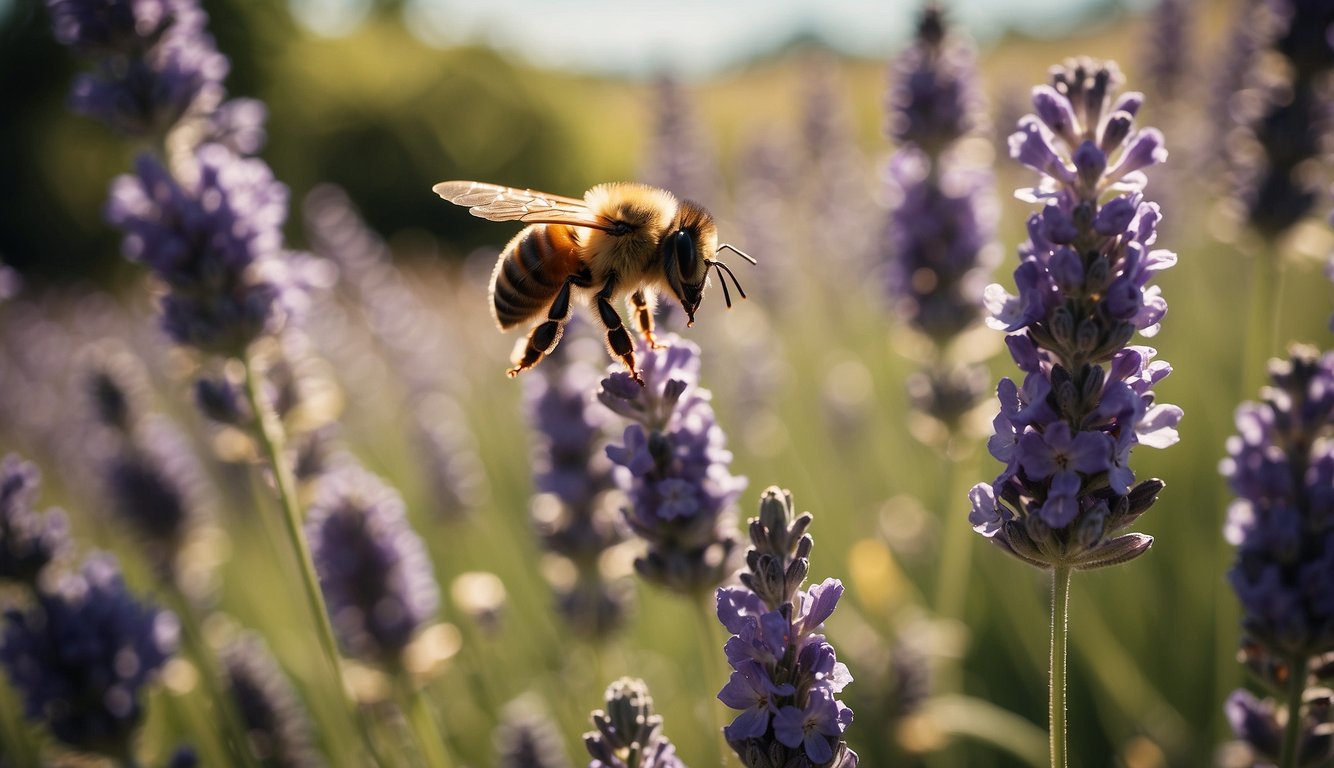
Bees serve as important pollinators for lavender. They flock to the fragrant flowers and help secure a good harvest. Provide a habitat for bees by planting other pollinator‑friendly plants nearby and avoiding pesticides that harm them.
Lavender grows easily and requires little maintenance. Follow proper cultivation techniques and apply pest control measures to secure a successful harvest. Provide a habitat for pollinators such as bees to improve the health and yield of lavender plants.
Crafting and DIY Projects – Lavender Flower Uses
If you want to incorporate lavender into your life, crafting and DIY projects give you a great option. Here are a few ideas to get you started:
Making Lavender Oils and Extracts – Lavender Flower Uses
One of the most popular DIY projects with lavender involves making lavender oil or extract. To make lavender oil, combine a carrier oil (such as almond or jojoba oil) with dried lavender flowers. Let the mixture sit in a warm, dark place for a few weeks. After that, strain the flowers and collect the fragrant lavender oil you can use for many purposes.
To make a lavender extract, boil fresh lavender flowers in distilled water for a few minutes. Strain the flowers and let the water cool. Use this lavender extract in recipes such as homemade soaps and lotions.
Handmade Lavender Products
Once you have your lavender oil or extract, you can use it to make a variety of handmade products. For example, you can use lavender essential oil to make a relaxing lotion or body butter. Simply mix the oil with carrier oil (such as coconut oil) and any other ingredients you’d like (such as shea butter or cocoa butter) and whip the mixture until it’s light and fluffy.
You can also use lavender oil or extract to make handmade soaps, shampoos, and other bath and body products. There are many recipes available online, so do some research to find one that works for you.
Overall, crafting and DIY projects are a great way to incorporate lavender into your life. Whether you’re making your lavender oil or using it to create handmade products, there are many ways to enjoy the benefits of this fragrant flower.
Safety and Precautions – Lavender Flower Uses
As with any natural remedy, you should consider some safety precautions when using lavender. Lavender generally remains safe for most people, but certain situations require caution.
Usage During Pregnancy – Lavender Flower Uses
Pregnant women should use lavender with caution. While there is no evidence that lavender is harmful to pregnant women, the FDA has not approved it for use during pregnancy. It is always best to consult with a healthcare professional before using any natural remedies during pregnancy.
Potential Allergies and Interactions
Lavender may cause allergic reactions in some people. If you experience any signs of an allergic reaction, such as swelling, hives, or difficulty breathing, discontinue use immediately and seek medical attention.
Lavender may also interact with some medications, including sedatives and blood thinners. If you are taking any medications, it is important to speak with your healthcare provider before using lavender.
In general, lavender is considered safe for most people when used as directed. However, it is always best to err on the side of caution and speak with a healthcare professional before using any natural remedy, especially if you are pregnant or breastfeeding, or if you have any underlying health conditions.
Before You Go – Lavender Flower Uses
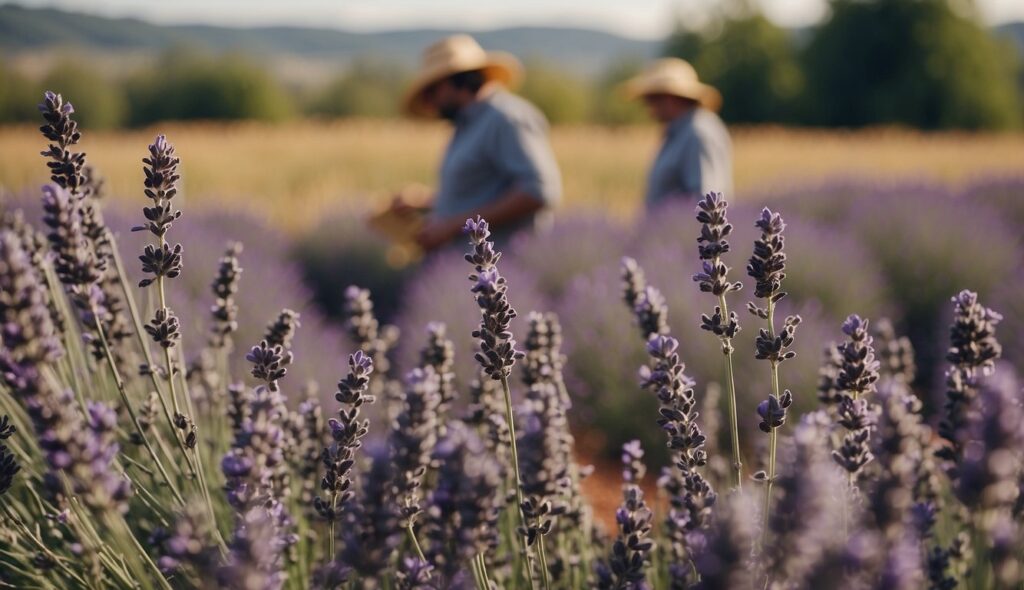
Lavender offers far more than its soothing fragrance. From culinary delights and natural remedies to skincare, home décor, and even pollinator‑friendly gardening, this versatile flower continues to enrich daily life in countless ways.
As you explore lavender’s many uses, remember that it symbolizes calm, beauty, and resilience. Whether you brew it into tea, blend it into oils, or plant it to brighten your garden, lavender invites you to enjoy both its practical benefits and its timeless charm.
Next time you see a bundle of lavender, think beyond its scent and experiment with new ways to bring this remarkable flower into your routine.
Don’t forget to add theherbprof.com homepage to your favourites so you don’t miss out on future articles!
References – Lavender Flower Uses
Little Herb Encyclopedia, by Jack Ritchason; N.D., Woodland Publishing Incorporated, 1995
The Ultimate Healing System, Course Manual, Copyright 1985, Don Lepore
Planetary Herbology, Michael Tierra, C.A., N.D., Lotus Press, 1988
Handbook of Medicinal Herbs, by James A. Duke, Pub. CRP Second Edition 2007
The Complete Medicinal Herbal, by Penelope Ody, Published by Dorling Kindersley
Check the Following Articles
Earwig Bite Treatment: How to Relieve the Pain and Itching
Cool Looking Vegetables: Colorful Additions to Your Plate
Different Types of Kale: Varieties Explained
Frequently Asked Questions – Lavender Flower Uses
What are the culinary applications of lavender flowers?
Cooks use lavender flowers in many culinary applications. They flavor baked goods such as cakes, cookies, and bread. Chefs also add lavender flowers to savory dishes like roasted meats and vegetables. People brew lavender flowers into tea and other beverages.
In what ways are lavender flowers used for medicinal purposes?
Healers and wellness practitioners have used lavender flowers for centuries. They help alleviate stress and anxiety, promote relaxation, and improve sleep quality. People also use lavender flowers to ease headaches, menstrual cramps, and other types of pain.
How can lavender plants enhance the home environment?
Lavender plants enhance the home environment in several ways. They purify the air, promote relaxation, and add a pleasant scent to the home. Homeowners also use lavender plants as natural insect repellents.
What are the various benefits of using dried lavender flowers?
People use dried lavender flowers in many ways. They create potpourri, sachets, and other scented items. They also press dried lavender flowers to make lavender oil, which works well for massage and other therapeutic purposes.
How can lavender be utilized to improve sleep quality?
People use lavender to improve sleep quality in several ways. They brew relaxing tea with lavender and drink it before bedtime. They also add lavender oil to a soothing bath, which promotes relaxation and better sleep.
Are there any adverse effects associated with the use of lavender?
While lavender is generally considered safe, some people may experience adverse effects. These can include skin irritation, allergic reactions, and gastrointestinal upset. It is important to speak with a healthcare provider before using lavender for medicinal purposes.