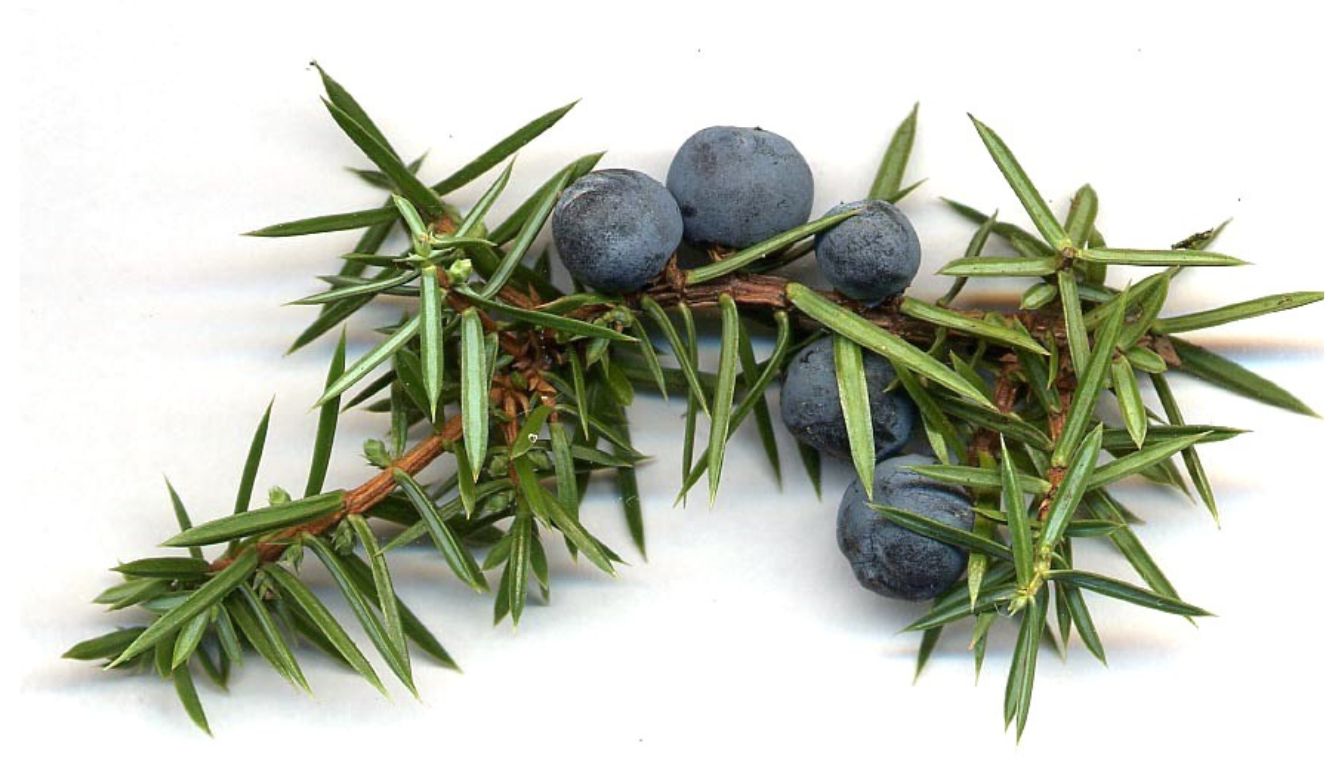
Juniper berries, also known as Gin Berry or Gin Plant, are produced by the juniper tree. Though they’re called berries, they’re actually cones with fleshy, fused scales. With a rich history in both culinary and medicinal uses, juniper berries are known for their distinctive flavor and aroma, making them truly one of a kind.
Juniper berries commonly flavor gin and other alcoholic beverages. Cooks also use them to season meats, sauces, and marinades. Beyond the kitchen, people have relied on these berries in traditional medicine for centuries to treat ailments such as digestive issues, respiratory infections, and skin conditions.
Overall, juniper berries serve as a versatile and flavorful ingredient with many uses. You can add them to dishes for depth of flavor or explore them as a natural remedy for certain health concerns.
Botanical Profile – Get Your Juniper Berries Here
Juniper Species
Juniper includes around 70 to 80 species in the Cupressaceae family. The most common species are Juniperus communis, Juniperus sabina, and Juniperus virginiana. Juniperus communis grows widely throughout the Northern Hemisphere, while Juniperus virginiana, known as the eastern red cedar, thrives in eastern North America. Juniperus sabina, called the savin juniper, originates in Europe and Asia.
Juniper Tree Characteristics
Junipers are evergreen trees or shrubs that can grow up to 40 feet tall. They have a conical or columnar shape, with a dense crown of needle-like leaves that can be either scale-like or awl-shaped. The bark of the tree is usually grey or brown, and can be either smooth or rough.
Cones and Berries
Junipers produce female seed cones that resemble berries. These cones stay small and fleshy, contain seeds, and usually appear blue or black. People eat them or use them to make gin. The gin berry does not qualify as a true berry but instead forms as a modified cone with fleshy, merged scales called galbulus, which create its berry‑like appearance. The berries often turn blue or purple, and cooks use them as a spice in European cuisine.
Cooks and herbalists commonly use juniper berries in cooking and herbal medicine. The berries deliver a distinctive flavor often described as piney or citrusy, and they season meats, sauces, and stews. Distillers also rely on them to make gin, a distilled spirit flavored with gin berries and other botanicals.
Junipers play an important role in the conifer family and grow widely across the world. People value them for their ornamental qualities as well as their culinary and medicinal uses.
Chemical Composition and Properties
Juniper berries have a complex chemical composition that gives them their unique flavor and aroma. In this section, I will discuss the essential oils, phytochemicals, and antioxidants found in Gin Berries.
Essential Oils and Flavors
Juniper Berries contain essential oils that are responsible for their distinct flavor and aroma. The essential oils found in them are composed of various terpenes, including alpha-pinene, beta-pinene, limonene, and myrcene. These terpenes give Gin Berry their characteristic piney, citrusy, and slightly sweet flavor.
Phytochemicals and Antioxidants
Juniper Berries are also rich in phytochemicals, which are natural compounds found in plants that have health benefits. Some of the phytochemicals found in Juniper berries include flavonoids, tannins, and phenolic acids. These compounds have been shown to have antioxidant, anti-inflammatory, and antimicrobial properties.
The antioxidant properties of Juniper berries are particularly noteworthy. Studies have shown that they have a high antioxidant capacity, which means they can help protect the body against oxidative stress. The antioxidant activity is due to the presence of compounds such as catechins, procyanidins, and quercetin.
Juniper berries have a complex chemical composition that gives them their unique flavor and aroma. They are rich in essential oils, terpenes, phytochemicals, and antioxidants, which all contribute to their health benefits.
Identification and Foraging – Get Your Juniper Berries Here
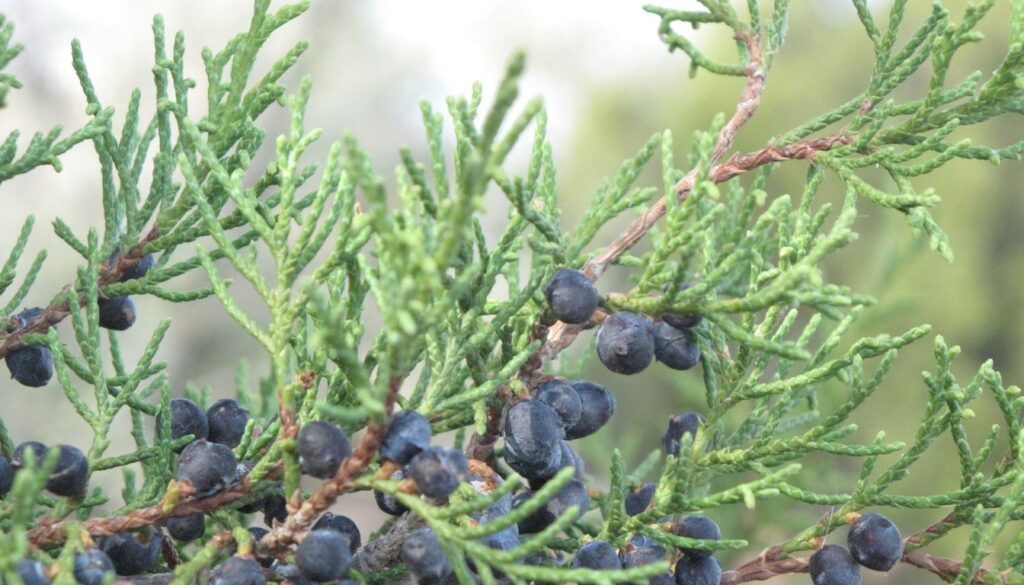
Identifying Juniper Berries
Juniper berries are small, fleshy, and sweet, reaching maturity in late summer and early fall. You can identify them by looking for trees or shrubs with needle‑like leaves and clusters of blue‑black berries. Each berry is about the size of a pea, covered with a dusty, waxy coating, and releases a strong piney fragrance that makes it easy to distinguish.
Not all juniper berries are safe to consume, however. Certain species contain toxic compounds, so careful identification is essential before foraging. Always research the specific tree and ensure the berries are ripe and edible to avoid health risks.
Juniper trees grow natively in the United States, especially in the northern and western regions. In Europe, they spread widely across Scandinavia and northern areas of the continent.
Best Practices for Foraging and Harvesting
When foraging for Gin Berries, it is important to follow best practices to ensure a safe and successful harvest. Here are a few tips to keep in mind:
- Look for ripe berries: they are ripe in late summer and early fall. Look for plump, blue‑black berries that are soft to the touch. Avoid berries that are still green or hard.
- Use caution: Not all Gin Berries are safe to eat. Some species contain toxic compounds that can cause illness or even death. Always do your research and make sure you are foraging for ripe berries that are safe to eat.
- Harvest in moderation: Juniper berries are an important food source for many animals, including birds and small mammals. Be mindful of the impact your harvest may have on local wildlife and only take what you need.
- Leave some behind: Gin berries are an important part of the ecosystem and play a key role in seed dispersal. Leave some berries behind to ensure the continued growth and health of the plant.
- Check for permits: In some areas, foraging for juniper berries may require a permit. Check with your local government or park service to make sure you are following the rules.
- Clean collection: To gather gin berries, pick them directly from the tree and remove any stems or leaves.
Culinary Connection
Gin berries remain a versatile and flavorful ingredient with many uses in cooking and cuisine. Whether you prepare a marinade for meat, mix a gin cocktail, or brew a cup of tea, juniper berries add a distinctive and aromatic flavor to your dish.
Production and Commercial Availability
Farming and Harvesting
Gin berries are cultivated on a commercial scale across many regions of the world, including Europe, Asia, and North America. Farmers harvest them from juniper trees, which can reach heights of up to ten meters. These trees thrive in dry, rocky terrain and withstand poor soil conditions, making them well suited to challenging environments where other crops struggle.
The farming and harvesting of juniper berries demand considerable effort. Workers usually hand‑pick the berries directly from the trees, a process that often stretches over several weeks to ensure proper ripeness. After collection, the berries are carefully dried to preserve their flavor and aroma before being processed into a wide range of products. In this way, gin berries move from rugged landscapes into kitchens, distilleries, and herbal preparations, carrying with them both labor and tradition.
Where to Buy
Juniper berries are widely available for purchase, both in physical shops and through online retailers. Spice shops, health food stores, and specialty markets often carry them, while large platforms such as Amazon and Walmart make them accessible to a global audience. Their presence in so many outlets reflects the enduring demand for these aromatic berries across cultures and cuisines.
When selecting gin berries, quality becomes the most important consideration. Shoppers should look for berries that appear fresh and fragrant, free from mold or any visible damage. Choosing organic products ensures that the berries have not been treated with pesticides or chemicals, preserving both their flavor and their natural integrity.
As a popular ingredient in kitchens worldwide, juniper berries continue to play a role in diverse culinary traditions. Grown and harvested in many regions, they remain easy to obtain, whether locally or online. By purchasing from reputable sources and prioritizing quality, consumers can enjoy the best flavor and health benefits these versatile berries have to offer.
Industrial and Non-Culinary Uses – Get Your Juniper Berries Here
Aside from being a popular spice in the kitchen, juniper berries have a wide range of industrial and non-culinary uses. In this section, I will discuss two of the most common non-culinary uses of Gin Berry.
Aromatherapy and Fragrance
Juniper berries serve as a popular ingredient in the production of essential oils, and producers extract the oil directly from the berries to capture its distinctive aroma. Aromatherapists and fragrance makers use this oil widely, since its unique scent lends itself to calming practices and is often chosen to promote relaxation and meditation. People value the oil for the way it soothes both mind and body, making it a trusted element in wellness routines.
Manufacturers also incorporate juniper berry oil into perfumes, soaps, and a variety of beauty products, where its fragrance enhances both luxury and everyday items. By combining practical uses with sensory appeal, juniper berry oil continues to hold an important place in aromatherapy, personal care, and the broader fragrance industry.
Ornamental Uses
They are not only useful in the kitchen and for their fragrance, but also popular for their ornamental uses. The Eastern Red Cedar juniper is a popular choice for landscaping due to its attractive appearance and hardy nature. The tree is often used as a windbreak or as a privacy screen, and its wood is used in the production of furniture and other household items.
They have a wide range of uses beyond the kitchen. From aromatherapy and fragrance production to ornamental landscaping, these berries are a versatile and valuable resource.
Culinary Uses
Gin berries have been used as a spice and flavoring agent for centuries. They are an edible fruit that can be used in a variety of ways in cooking and cuisine. In this section, I will discuss some of the culinary uses of Gin Berries.
Cooking with Juniper Berries
Juniper berries have a strong, bitter flavor often described as piney and aromatic. Cooks commonly use them to flavor meat dishes, particularly venison, pork, and game birds. You can use gin berries fresh or dried, and most recipes call for crushing or grinding them before adding.
One popular way to use juniper berries is to prepare a rub or marinade for meat. Crush the berries and mix them with herbs and spices such as rosemary, thyme, and garlic. Rub the mixture onto the meat before cooking, and let it rest for a few hours so the flavors penetrate deeply.
Juniper in Beverages
Juniper berries hold a special place in the world of beverages, most famously as the defining ingredient in gin. Distillers rely on their piney, herbal notes to create the spirit’s unmistakable character, while modern mixologists experiment with them to craft non‑alcoholic substitutes that bring depth and complexity to cocktails without the alcohol. In this way, the berries bridge tradition and innovation, offering flavor to both classic and contemporary drinks.
For example, to make juniper berry tea, you simply steep a handful of berries in hot water for several minutes. The infusion releases a gentle sweetness and a subtle fruitiness that balance its aromatic edge, resulting in a drink that feels both refreshing and restorative. Whether in a glass of gin or a cup of tea, juniper berries continue to prove their versatility, adding nuance wherever they appear.
Health and Medicinal Benefits – Get Your Juniper Berries Here
As a nutritionist, I constantly seek natural remedies that support health and well‑being. People have relied on juniper berries for centuries, using them for their medicinal properties and valuing them as a trusted resource in traditional healing practices.
Traditional and Modern Medicine
Gin berries have been used in traditional medicine for centuries, and modern research has shown that they have many health benefits. They are known for their anti-inflammatory and diuretic properties. The essential oil derived from Juniper Berries is also used for its antibacterial and anti-inflammatory effects.
Nutritional Content
Gin berries are rich in vitamin C, antioxidants, and phytochemicals. They also contain a variety of other nutrients, including potassium, calcium, and iron.
Potential Risks and Side Effects
Juniper berries generally remain safe to consume, but you should stay mindful of potential risks and side effects. Large doses can turn toxic, so moderation is essential. Pregnant women and individuals with kidney problems should avoid gin berries altogether to protect their health.
At the same time, juniper berries offer many benefits and make a valuable addition to a balanced diet. You can enjoy them in teas or use them as a seasoning for meats and vegetables. As with any natural remedy, consume them in moderation and stay aware of possible risks or side effects to ensure safe use.
Cultural and Historical Significance
Gin berries serve as a versatile and flavorful ingredient, and cultures throughout history have used them in medicinal, culinary, and symbolic practices. This section explores how people historically relied on juniper berries and the cultural meanings they attached to them.
Historical Usage
Juniper berries have a long history in traditional medicine. Native Americans used them to treat ailments such as arthritis, coughs, and colds, while people in northern Europe relied on gin berries to ease digestive problems like bloating and gas. In Germany, cooks added juniper berries to sauerkraut, giving the fermented cabbage its distinctive flavor.
Beyond medicine, juniper berries also held cultural significance. In Scandinavia, families wove branches and berries into wreaths and garlands during the winter solstice, celebrating resilience in the cold season. Among Native American communities, juniper berries played a role in spiritual practices, where they were believed to banish evil spirits and protect against witchcraft.
Before You Go – Juniper Berries: Wellness Benefits and Everyday Uses
As with any herbal remedy, use juniper berries mindfully and consult a healthcare provider if you have underlying health conditions or take medications. Choosing high‑quality products and consuming them in moderation ensures you enjoy their benefits safely.
References – Juniper Berries: Wellness Benefits and Everyday Uses
Check the Following Articles
Gymnema Sylvestre: Benefits for Sugar Control & Diabetes
Frequently Asked Questions – Juniper Berries: Wellness Benefits and Everyday Uses
What are the health benefits of consuming juniper berries?
Juniper berries provide several health benefits. They contain antioxidants that fight free radicals and reduce oxidative stress. They also deliver anti-inflammatory effects that lower inflammation in the body. Their antibacterial and antifungal properties help fight infections. In addition, they support digestion and may relieve issues such as bloating, gas, and constipation.
Can juniper berries be eaten raw, and are they safe to consume?
People rarely eat juniper berries raw because they taste strong and bitter. Most use them dried or add them to cooking after crushing or grinding. They remain safe in small amounts, but consuming too many can cause kidney damage, seizures, or respiratory failure. Consume them in moderation and consult a healthcare professional if you have underlying health conditions.
What is the flavor profile of juniper berries?
Juniper berries deliver a distinct, strong flavor often described as woody, piney, and slightly bitter. They release a unique aroma similar to gin. Their flavor pairs well with meats such as venison, pork, and beef, and with vegetables like cabbage and Brussels sprouts.
In what ways are juniper berries commonly used in cooking and cuisine?
Cooks use juniper berries for their unique flavor and aroma. They season game meats such as venison and play a key role in gin production. People also add them to sauerkraut, pickles, and marinades. When crushed or ground, you can season roasted meats and vegetables, or add flavor to bread and pastry dough.
How are juniper berries used in traditional medicine?
Traditional medicine has relied on juniper berries for centuries. Practitioners use them for their diuretic properties to treat urinary tract infections and kidney stones. They also apply their antiseptic qualities to skin conditions such as eczema and psoriasis. However, scientists have found limited evidence to confirm these medicinal uses.
Where can one purchase high-quality juniper berries?
You can buy high-quality juniper berries at specialty spice shops, health food stores, and online retailers. Choose berries from reputable sources to ensure purity and safety. Look for plump, dark blue berries with a strong aroma when purchasing.