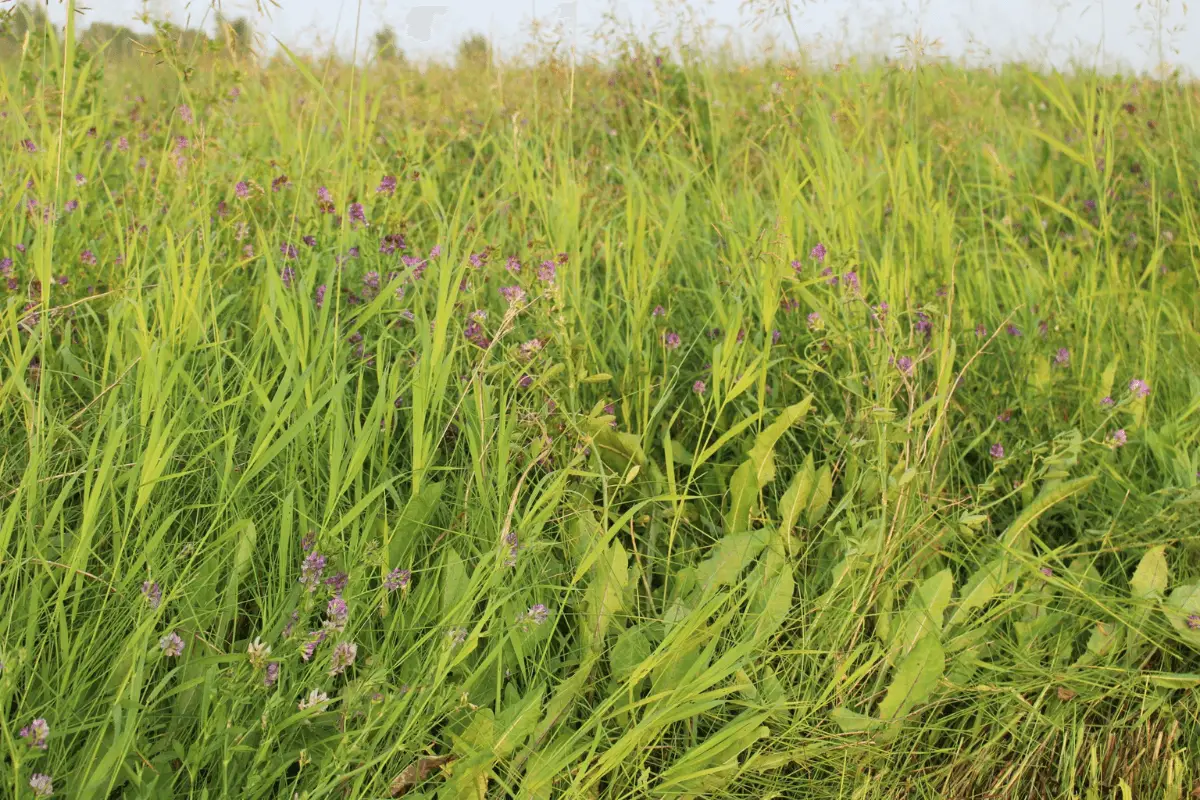
As a nutritionist, I often answer questions about the health benefits of different foods. One food that comes up frequently is alfalfa, known scientifically as Medicago sativa or lucerne. Farmers mainly grow alfalfa as a forage crop for livestock, yet humans can also enjoy several health benefits from this remarkable herb!
Alfalfa packs nutrients, vitamins, minerals, and antioxidants into every serving. It provides vitamin K, which supports blood clotting and bone health, and vitamin C, which protects cells from damage as a powerful antioxidant. Lucerne also delivers calcium, magnesium, and potassium, all of which strengthen bones, energize muscles, and keep nerves functioning properly.
Botanical Profile
Species and Varieties – Alfalfa: Everything You Need To Know
I will start by discussing the botanical profile of Alfalfa (Medicago sativa). Lucerne grows as a perennial flowering plant in the legume family Fabaceae. Farmers cultivate lucerne as an important forage crop in many countries around the world. Native to Central Asia, lucerne has supported agriculture for over 2,000 years.
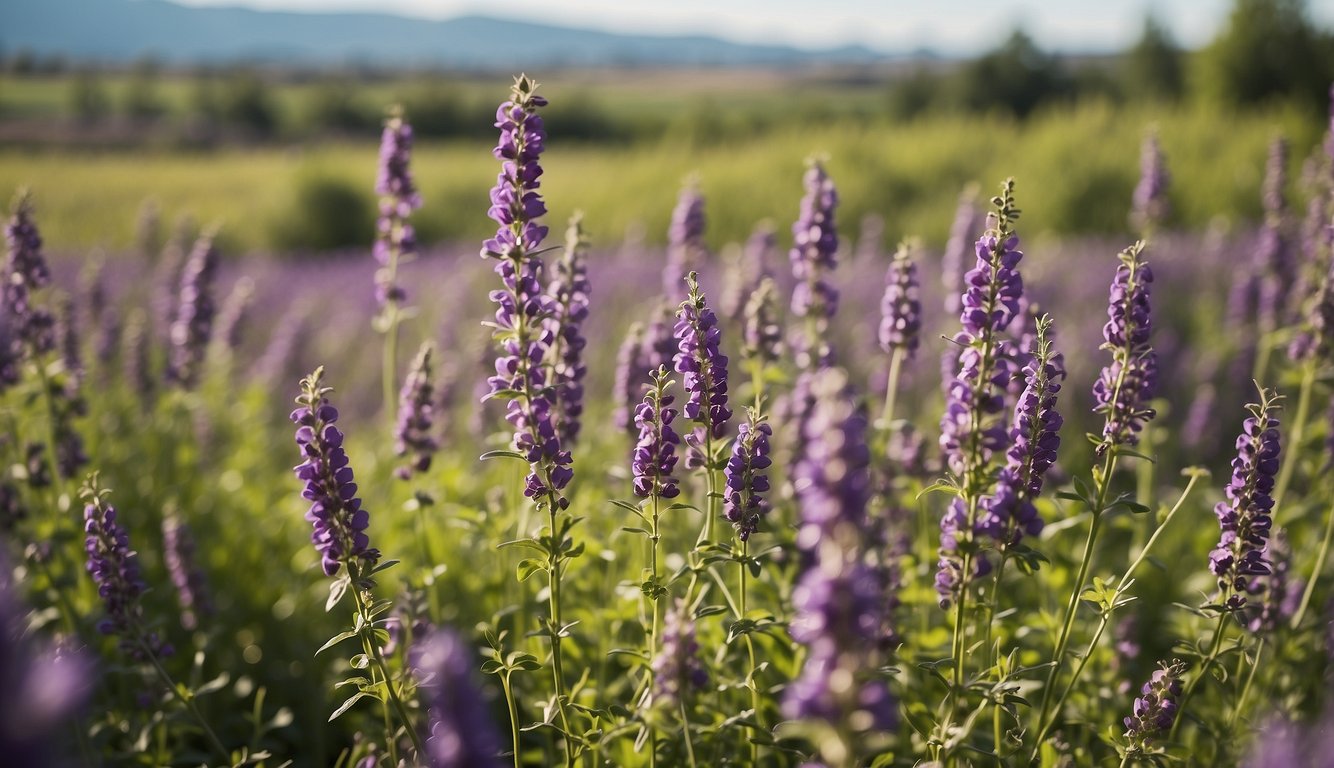
The plant develops a deep root system that reaches up to 15 feet into the soil. Its erect stems grow as tall as three feet. The trifoliate leaves display three leaflets, usually 1–3 inches long. Alfalfa produces purple flowers that bloom from June to September.
Growers select from many different varieties of alfalfa, each offering unique characteristics. Popular types such as Vernal, Ranger, and Ladak deliver high yields and resist pests and diseases effectively.
Cultivation and Harvesting
Alfalfa grows in a wide range of soil types and climates, showing remarkable adaptability. Farmers often plant it as a rotation crop to improve soil health between other harvests.
Growers usually sow lucerne in the spring or fall, depending on the climate and conditions. They place the seeds about ¼ inch deep in the soil and space them 6–12 inches apart. Once the plants germinate, farmers irrigate them regularly to provide enough water.
Farmers harvest it two to three times per year, depending on the conditions and intended use. The first cutting delivers the highest yield and occurs when the plants reach full bloom. The second and third cuttings follow once the plants regrow to a height of 6–8 inches.
Alfalfa has thrived as a highly adaptable and versatile crop for over 2,000 years. It develops a deep root system, trifoliate leaves, and purple flowers. Farmers grow lucerne as a rotation crop and harvest it two to three times per year.
Nutritional Composition
As a member of the legume family, alfalfa is a nutrient-dense plant that is rich in various vitamins, minerals, protein, and fiber. Here are some of the essential nutrients that lucerne provides:
Vitamins and Minerals
Alfalfa is an excellent source of vitamins and minerals, including vitamin C, vitamin K, iron, magnesium, potassium, calcium, copper, manganese, folate, and vitamin E. One cup of lucerne sprouts contains 10% of the recommended daily intake (RDI) of vitamin C, 71% of the RDI of vitamin K, and 3% of the RDI of iron.
Protein and Fiber Content
Alfalfa is also a good source of protein and fiber. One cup of alfalfa sprouts contains 1.3 grams of protein and 0.6 grams of fiber. The fiber in lucerne helps to promote healthy digestion and can help to lower cholesterol levels.
Alfalfa is also low in calories, making it an excellent addition to a healthy diet. One cup of lucerne sprouts contains only eight calories, making it an ideal food for people who are trying to lose weight.
Alfalfa is a nutrient-dense plant that provides a wide range of vitamins, minerals, protein, and fiber. Adding lucerne to your diet can help to promote overall health and wellbeing.
Health Benefits of Alfalfa
Alfalfa is packed with nutrients and has been used for centuries as a medicinal herb. It has several potential health benefits that have been scientifically evaluated. In this section, I will discuss some of the most important health benefits of alfalfa.
Cardiovascular Health
Alfalfa is known to have a positive effect on cardiovascular health. It helps to lower cholesterol levels and reduce the risk of heart disease. According to a study published in the Journal of Medicinal Food, lucerne can reduce cholesterol levels by up to 18.8% in just eight weeks. The plant is also rich in phytoestrogens, which can help regulate estrogen levels in the body and reduce the risk of heart disease in women.
Medicago Sativa
Nutritionally, modern herbalists often call alfalfa the “Big Daddy of them all” because lucerne supplies the body with a well‑rounded mix of vitamins and minerals. Lucerne produces a vitamin‑ and mineral‑rich juice called chlorophyll; this compound mirrors human hemoglobin almost exactly. Naturopaths and some religious groups have used chlorophyll before, during, and after operations.
Alfalfa grows as a legume along the edges of fields and in low valleys, and farmers cultivate it widely for livestock feed. The plant develops an erect, smooth stem that rises from an elongated taproot to a height of a foot or more. During summer, alfalfa produces blue‑to‑purple flowers that later form spirally coiled seedpods. The seeds yield excellent sprouts that people can grow at home or buy in most grocery and health food stores.
Blood Sugar Regulation
Alfalfa has been shown to help regulate blood sugar levels, making it an excellent food for people with diabetes. The plant is rich in fiber, which slows down the absorption of sugar in the bloodstream. This helps to prevent spikes in blood sugar levels and can help to reduce the risk of developing type 2 diabetes.
Digestive Support
Alfalfa is an excellent source of fiber, which makes it an ideal food for promoting digestive health. The fiber in alfalfa helps to promote regular bowel movements and can help to prevent constipation. It also helps to feed the beneficial bacteria in the gut, which can improve gut health and boost the immune system.
Menopausal Symptom Relief
Alfalfa relieves menopausal symptoms such as hot flashes. A study published in the Journal of Alternative and Complementary Medicine found that women who took a lucerne supplement reduced both the number and severity of their hot flashes significantly.
Alfalfa provides a nutrient‑rich source of several potential health benefits. It promotes cardiovascular health, regulates blood sugar levels, supports digestive health, and eases menopausal symptoms. Adding lucerne to your diet boosts overall health and well‑being.
Hidden Strengths for Health and Vitality – Get Yours Here
Alfalfa is loaded with beta-carotene, which supports the immune system, skin, and internal mucous membranes.
The “Big Daddy of them all” is so high in calcium that the ashes from its leaves are 99% calcium. When the calcium content of alfalfa is compared to milk, 1 oz of powdered milk contained 38% RDA, while 1 oz of powdered alfalfa contained 75% RDA. That same 1 oz of lucerne also has 83% more iron, 36% more magnesium, 12% more potassium, and 4% less sodium than milk.
Highly nutritional alfalfa contains vitamins A, B-1, B-6, B-12, C, E, and K-1 (a remedy for morning sickness), niacin, pantothenic acid, biotin, folic acids, and 15 to 25% proteins.
Uses of Alfalfa – Everything You Need To Know
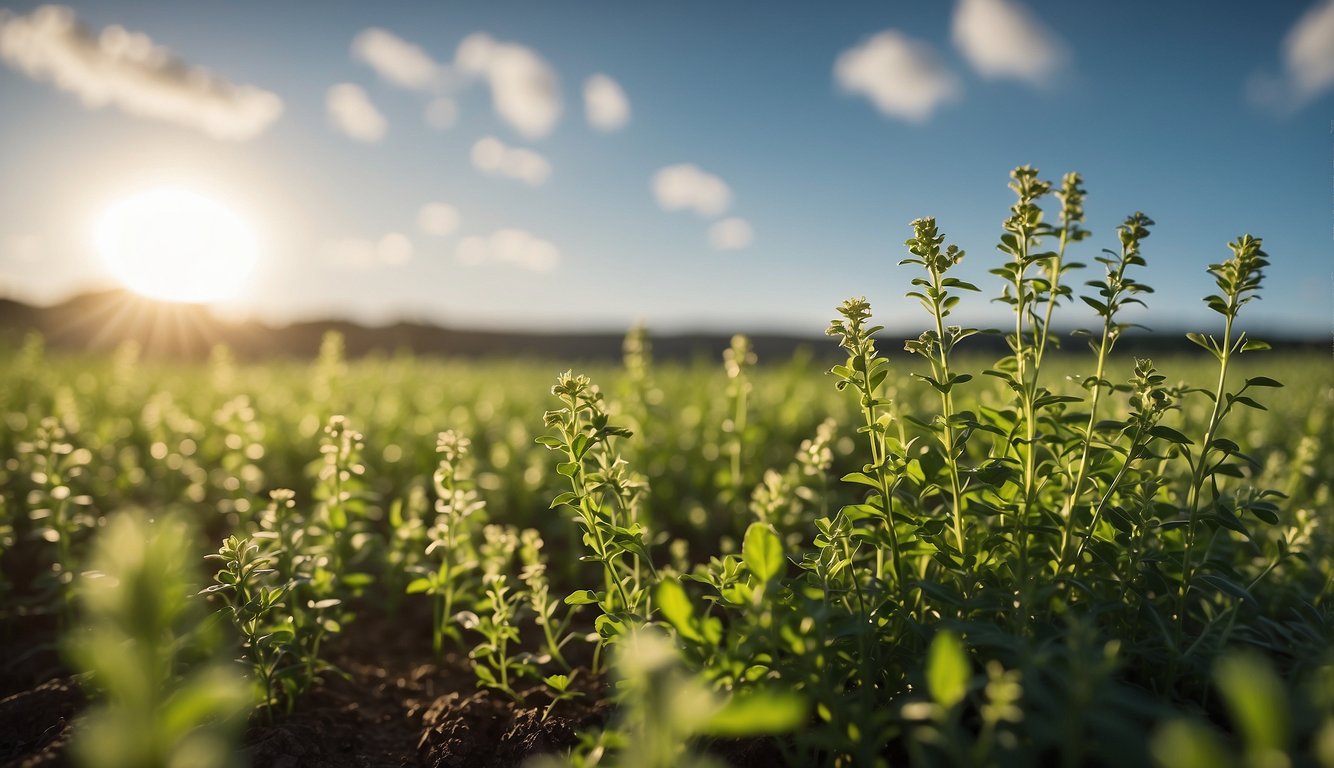
As an herb, Alfalfa has been used for centuries for its medicinal properties. It is also used in culinary applications and as a supplement. In this section, I will explore the various uses of Alfalfa.
Culinary Applications
Alfalfa serves as a versatile herb in many culinary applications. Its mild, nutty flavor enhances sandwiches, salads, and other dishes as a garnish. People often choose lucerne sprouts for sandwiches and salads because they add crunch and texture to meals.
Cooks also use alfalfa seeds in different ways. They sprout the seeds or grind them into a powder to create a supplement. Many people prepare alfalfa tea by steeping the leaves and stems in hot water for several minutes.
Supplementation Forms
Alfalfa comes in supplement form, which makes daily consumption simple. Manufacturers produce tablets and capsules, often blending alfalfa with other herbs and nutrients to create comprehensive supplements.
People use the supplements to support overall health and wellness. They also rely on them to aid healthy digestion, regulate blood sugar levels, and maintain healthy cholesterol levels.
Alfalfa serves as a versatile herb in both culinary applications and supplementation. Its mild, nutty flavor enhances sandwiches, salads, and other dishes as a garnish. It also comes in supplement form, which makes daily use convenient.
Risks and Considerations
As with any supplement or medication, it is important to be aware of the potential risks and considerations associated with alfalfa. In this section, I will discuss some of the most important factors to keep in mind.
Side Effects and Interactions
While alfalfa is generally considered safe for most people, it can cause some side effects in certain individuals. These side effects may include gas, bloating, and diarrhea. Additionally, lucerne may interact with certain medications, including blood thinners such as warfarin and hormone-sensitive conditions. If you are taking any medications or have a hormone-sensitive condition, you should speak with your doctor before taking alfalfa supplements.
Contamination Risks
Another potential risk associated with alfalfa is contamination. Raw alfalfa sprouts and supplement products derived from lucerne seeds come with potential food safety risks, such as serving as a reservoir for foodborne pathogens like E. coli and salmonella.
The FDA recommends that children, the elderly, and individuals with weakened immune systems avoid consuming raw alfalfa sprouts. If you choose to consume lucerne supplements, it is important to purchase them from a reputable source and follow the recommended dosage instructions.
While alfalfa can provide a variety of potential health benefits, it is important to be aware of the potential risks and considerations associated with its use. If you have any concerns or questions about taking lucerne supplements, it is always best to speak with your doctor before starting a new supplement regimen.
Agricultural Significance
I have seen firsthand the importance of lucerne in modern agriculture. Alfalfa is a versatile plant that can be used for a variety of purposes, including livestock feed, green manure, and cover crops. In this section, I will discuss the agricultural significance of alfalfa and its role in sustainable farming practices.
Livestock Feed
Alfalfa is a highly nutritious forage crop that is widely used as livestock feed. It is a member of the legume family and has a high protein content, making it an excellent source of nutrition for cattle, horses, and other grazing animals. In addition, lucerne is rich in vitamins and minerals, including calcium, phosphorus, and potassium, which are essential for animal health.
Sustainable Farming Practices
Alfalfa is also an important component of sustainable farming practices. It is a perennial crop that can be grown for several years without replanting, reducing the need for tillage and minimizing soil erosion. In addition, alfalfa is a nitrogen-fixing crop, meaning that it can convert atmospheric nitrogen into a form that can be used by plants. This reduces the need for synthetic fertilizers, which can be costly and have negative environmental impacts.
Alfalfa is also an excellent cover crop, helping to prevent soil erosion and improve soil health. It has a deep root system that can help to break up compacted soils, improving water infiltration and reducing runoff. In addition, lucerne can be used as a green manure, providing organic matter and nutrients to the soil as it decomposes.
However, alfalfa is not without its challenges. The alfalfa weevil is a common pest that can cause significant damage to the crops. Farmers must be vigilant in monitoring their crops and taking appropriate measures to control infestations.
Lucerne is a highly versatile and valuable crop that plays an important role in modern agriculture. Its use as livestock feed and its role in sustainable farming practices make it a key component of many farming operations.
Before You Go – Alfafa: Everything You Need To Know
Alfalfa is more than just a humble plant: it’s a nutrient‑rich herb with centuries of history in both medicine and food. From its impressive vitamin and mineral profile to its versatility in culinary and supplement forms, alfalfa offers a gentle yet powerful way to support overall health.
As you explore its benefits, remember that wellness is a journey. Adding alfalfa to your diet or supplement routine can be a simple step toward balance, vitality, and resilience. Whether you enjoy it as crunchy sprouts, soothing tea, or a daily capsule, this herb has the potential to nourish your body from the inside out.
Take what resonates with you, experiment mindfully, and trust that small, natural choices can make a big difference in your well‑being.
Don’t forget to add theherbprof.com homepage to your favourites so you don’t miss out on future articles!
References – Alfafa: Everything You Need To Know
Little Herb Encyclopedia, by Jack Ritchason; N.D., Woodland Publishing Incorporated, 1995
The Ultimate Healing System, Course Manual, Copyright 1985, Don Lepore
Planetary Herbology, Michael Tierra, C.A., N.D., Lotus Press, 1988
Handbook of Medicinal Herbs, by James A. Duke, Pub. CRP Second Edition 2007
The Complete Medicinal Herbal, by Penelope Ody, Published by Dorling Kindersley
Check the Following Articles
Pineal Glandular: How To Sleep Better
Sleeplessness and Valerian: Fixing Insomnia and Stress
Thyroid Disease Naturopathic: Effective Herbal Remedies
Herbal Formula Information: Health and Wellness Now
Frequently Asked Questions – Alfafa: Everything You Need To Know
What are the health benefits of consuming alfalfa?
Alfalfa offers a wide range of health benefits because it is rich in vitamins A, C, E, and K, along with minerals such as calcium, potassium, and iron. This herb acts as a natural diuretic, helping the body reduce water retention and improve kidney function. It also provides anti‑inflammatory effects, easing pain and lowering inflammation throughout the body.
How is alfalfa tea prepared, and what are its uses?
To make alfalfa tea, steep dried lucerne leaves in hot water for several minutes. The tea delivers a mild, slightly sweet flavor and serves as a natural remedy for several health concerns. People often drink it to improve digestion, reduce inflammation, and support kidney function.
What are the considerations for human consumption of alfalfa?
Although alfalfa supports health, you need to consume it carefully. Lucerne contains an amino acid called canavanine, which becomes toxic in large amounts. It can also interact with medications such as blood thinners and birth control pills. Always consult your doctor before adding it to your diet.
How do alfalfa supplements differ from natural alfalfa?
Manufacturers create alfalfa supplements by grinding dried lucerne leaves or sprouts into powder or pressing them into tablets. Supplements deliver many of the same health benefits as natural alfalfa, but they may not provide the full nutrient profile. Some supplements also include fillers and binders that natural alfalfa does not contain.
What role does alfalfa play in agricultural practices?
Farmers rely on alfalfa as a forage crop for livestock because it contains high levels of protein and nutrients. They also plant lucerne to improve soil health, since it fixes nitrogen and reduces erosion. As a cover crop, alfalfa prevents weed growth and strengthens soil structure.
What are the distinctive characteristics of alfalfa grass compared to other grasses?
Alfalfa grass develops a deep root system that reaches several feet into the soil, allowing it to access nutrients and water unavailable to other grasses. Lucerne grows as a perennial, so it survives for years without replanting. Its high protein content makes it a valuable feed crop for livestock.
Alfalfa can be used therapeutically for treating:
People use alfalfa therapeutically to treat:
- Arthritis
- Intestinal disorders
- Liver problems
- Skin disorders
- Cancers (use chlorophyll, capsules, and sprouts)
- Ulcers (contains the U factor found to cure ulcers in test animals)
- Nausea
- Kidney cleanser
- Jaundice
- Rheumatism
- Lupus
- Pituitary Gland (Cushing’s disease)
- Gout
- Fatigue (mental and physical)
- Tooth decay
- (Contains natural fluoride, unlike the fluoride that is a by-product of aluminum manufacturing, which is poisonous)