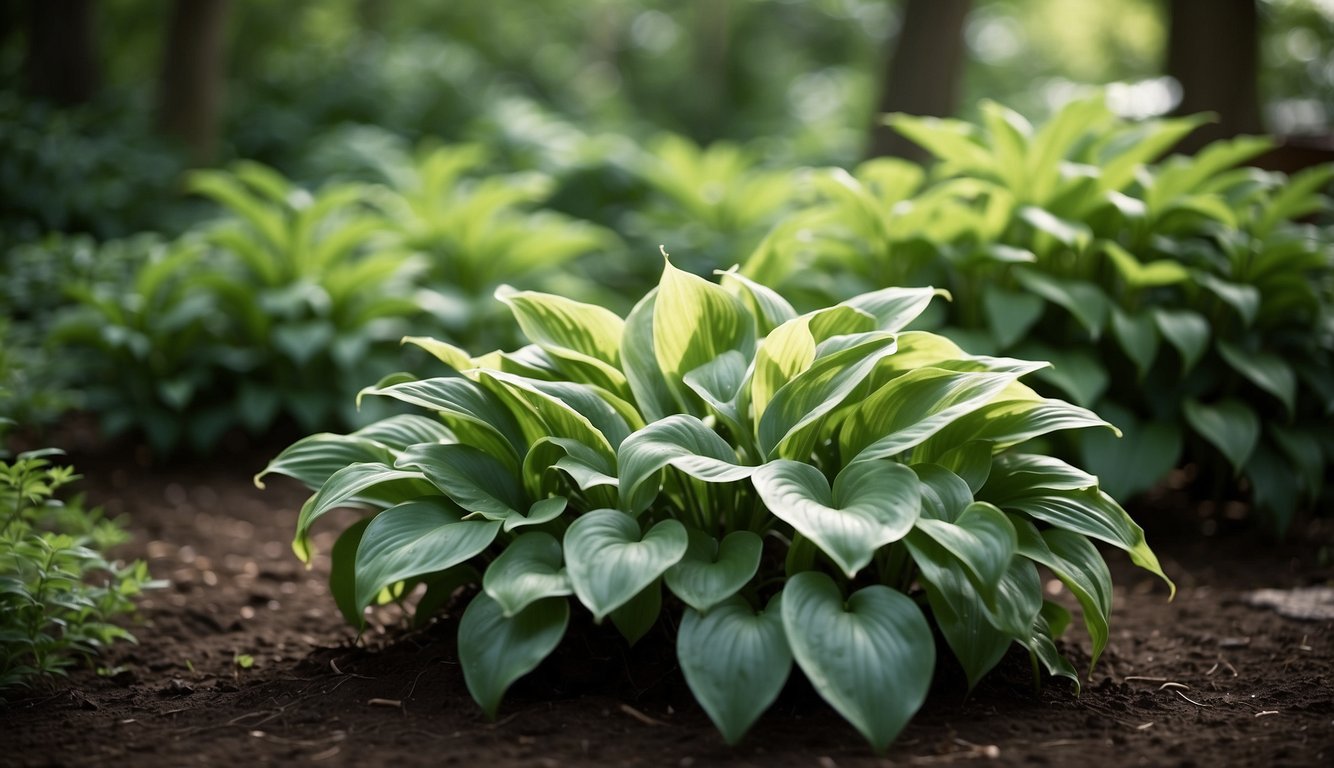
Are hostas edible? While they’re best known for their lush, decorative foliage, hostas are more than just ornamental plants. What many people don’t realize is that they are also edible and can be used in cooking. As someone who enjoys both gardening and foraging, I was pleasantly surprised to discover their culinary potential.
The question of whether hostas are edible is a common one, and the answer is yes. However, not all hostas are edible, and it’s important to know which ones are safe to eat. In general, hostas that are grown for their ornamental value are not suitable for consumption, as they may have been treated with pesticides or other chemicals that can be harmful to humans. On the other hand, hostas that are grown specifically for food are safe to eat and can be used in a variety of dishes.
Understanding Hostas
Botanical Profile
As a gardener, I have come across hostas many times and often wondered, can you eat hostas? These popular perennial plants are valued for their ornamental foliage and are native to Asia, specifically Japan, Korea, and China. They have also been introduced to Europe and North America. With a variety of shapes, sizes, and colors, hostas are a popular choice for landscape design. Known for their lush leaves and flowers that bloom in the summer, the question of whether you can eat hostas adds an interesting dimension to their appeal.
Hostas are known scientifically as Hosta plantaginea, and belong to the family Asparagaceae. The plant is a herbaceous perennial, which means that it dies back to the ground each year, but grows back from the same root system. Hostas are relatively easy to grow and thrive in partial to full shade. They prefer moist, well-drained soil and can be propagated by division.
Historical Use
While gardeners primarily grow hostas for their ornamental value, they also serve as edible plants. In Japan, people call hostas Urui and classify them as “Sansai” or “mountain vegetables,” a group of wild edibles commonly harvested and eaten. Hostas join other wild-foraged spring edibles such as fiddlehead ferns, wild ramps, and morels.
Historically, healers used hostas for their medicinal properties. Traditional Chinese medicine relied on the plant to treat ailments, including high blood pressure, constipation, and skin inflammation. The leaves and roots contain saponins, which deliver anti-inflammatory and anti-cancer effects.
In conclusion, hostas stand out as versatile plants that serve both ornamental and culinary purposes. Gardeners may grow them for foliage, but they also provide edible options used for centuries in traditional Asian cuisine. As a gardener, I find it fascinating that one plant can hold both aesthetic and practical value.
Culinary Uses of Hostas
As I mentioned earlier, you can eat hostas. These edible plants have served culinary practices for centuries. In this section, I explore the various culinary uses of hostas, highlight the edible parts of the plant, and discuss popular dishes you can prepare with them.
Edible Parts of the Hosta Plant
The entire hosta plant offers edible parts, from the leaves to the roots. Not all parts taste equally palatable, but gardeners most often eat the shoots, leaves, flowers, and buds.
Hosta shoots feature prominently in many Asian dishes, including stir-fries, soups, and tempura. They deliver a mild flavor that pairs well with garlic, ginger, soy sauce, and vinegar. To prepare hosta shoots, blanch them in boiling water for a few minutes before adding them to your dish.
Can you eat hostas? Yes, you can eat hosta leaves and incorporate them into salads, stir-fries, soups, and stews. They provide a mild flavor that complements garlic, ginger, soy sauce, and vinegar. To prepare hosta leaves, blanch them in boiling water for a few minutes before adding them to your recipe.
Hosta flowers and buds also offer edible options that bring bursts of flavor and texture. Use them in salads, wraps, or as a substitute for lettuce in sandwiches. Their slightly earthy flavor adds a unique touch to dishes and surprises your taste buds pleasantly.
Popular Hosta Dishes
Many popular dishes feature hostas, including salads, stir-fries, soups, and stews. One popular recipe, cheesy roasted hosta shoots, calls for roasting hosta shoots with olive oil, salt, and pepper, then topping them with your favorite cheese.
Another popular recipe, hosta leaf salad, uses blanched hosta leaves tossed with your favorite salad dressing and toppings. Add vegetables like tomatoes, cucumbers, and carrots to make the salad more filling.
In conclusion, hostas serve as a versatile and delicious plant that fits into many different dishes. Whether you want a new ingredient for your stir-fry or a unique addition to your salad, hostas deserve a try.
Health and Nutrition – Are Hostas Edible?
Nutritional Benefits – Are Hostas Edible?
Hostas not only grow as beautiful ornamental plants but also deliver several nutritional benefits. They provide vitamins and minerals such as iron, calcium, phosphorus, magnesium, manganese, zinc, and copper, which make them a healthy addition to any diet. Hostas also supply antioxidants that boost the immune system and protect the body against diseases.
Hostas are low in calories and high in fiber, which makes them an excellent choice for maintaining a healthy weight. You can eat them raw or cook them, and their mild flavor allows them to serve as a versatile ingredient in many recipes.
Safety and Considerations
While hostas are safe to eat for humans, they can be toxic to pets such as dogs, cats, deer, and rabbits. Therefore, it is important to keep them away from pets and ensure that they are not consuming any part of the plant.
It is also essential to always check that hostas remain free from pesticides or harmful chemicals before you eat them. Perfect Plant recommends washing the leaves thoroughly before cooking or consuming them. According to Perfect Plant, it is recommended to wash the leaves thoroughly before cooking or consuming them.
In conclusion, hostas give humans a nutritious and safe food option, but you must use caution. Prevent pets from eating them and ensure they stay free from harmful chemicals.
Growing and Harvesting Hostas – Are Hostas Edible?
Hostas grow as popular garden plants admired for their beautiful foliage. Gardeners usually cultivate them for ornamental purposes, but some varieties also provide edible options that add a tasty element to your diet. In this section, I discuss the planting and care of hostas, along with techniques for harvesting them.
Planting and Care – Are Hostas Edible?
Hostas grow as perennial plants that thrive in shaded areas. They prefer well-drained soil enriched with organic matter such as compost or manure. When you plant hostas, space them at least 18 inches apart to give them room to grow.
Hostas need regular watering, especially during hot summer months. Keep the soil moist without letting it become waterlogged. Add a layer of mulch around the base of the plant to retain moisture and prevent weed growth. As you care for these plants, you may wonder, can you eat hostas? This question adds an intriguing dimension to their cultivation.
Harvesting Techniques
The young shoots and leaves of hostas provide the edible parts of the plant. Harvest only hostas grown without synthetic fertilizers or pesticides. Wait until early spring when the young shoots first appear. Use a sharp knife to cut the shoots close to the base of the plant.
When you harvest hostas, take only what you need and leave enough shoots for continued growth. Focus on harvesting the young shoots and leaves, since older leaves grow tough and taste bitter.
In conclusion, growing and harvesting hostas gives you a unique and tasty addition to your diet. With proper care and attention, hostas enhance your garden as both a beautiful and delicious plant.
Preparing Hostas for Consumption – Are Hostas Edible?
Hostas grow as popular ornamental plants, but they also offer edible options. Not all hostas provide safe food, so you must know which varieties you can eat and how to prepare them properly. In this section, I discuss the different preparation methods and cooking tips for hostas.
Preparation Methods
Before consuming hostas, it is important to properly prepare them. Here are a few preparation methods you can use:
- Raw: Hosta shoots can be eaten raw, but they can be quite bitter. To make them more palatable, try soaking them in cold water for a few hours before eating.
- Boiled: Boiling hosta shoots can help remove some of the bitterness. Simply boil them in salted water for a few minutes until they are tender.
- Roasted: Roasting hosta shoots can give them a nutty flavor. Simply toss them with some olive oil, salt, and pepper, and roast them in the oven at 400°F for 10-12 minutes.
- Sautéed: Sautéing hosta shoots with garlic and sesame oil can give them a delicious flavor. Simply heat the oil in a pan, add the garlic and hosta shoots, and sauté until tender. Add soy sauce and sesame seeds for extra flavor.
Cooking Tips and Recipes – Are Hostas Edible?
Hosta shoots can be used in a variety of dishes, from stir-fries to salads. Here are a few cooking tips and recipes to get you started:
- Use hosta shoots in place of spinach or lettuce in salads.
- Add boiled hosta shoots to stir-fries for a unique flavor.
- Make a hosta shoot and garlic stir-fry with soy sauce and sesame seeds.
- Try roasting hosta shoots with other vegetables, such as carrots and potatoes.
- Make a hosta shoot frittata with eggs, cheese, and herbs.
Remember, not all hostas are safe to consume, so be sure to do your research and only eat hostas that are known to be edible. With the right preparation and cooking methods, hosta shoots can be a delicious and unique addition to your meals.
Designing with Hostas in the Landscape – Are Hostas Edible?

As an ornamental plant, hostas are a popular choice for gardeners and landscapers alike. With their broad, lush foliage and a wide range of leaf colors and shapes, hostas can add a touch of elegance to any landscape. Here are a few aesthetic considerations to keep in mind when designing with hostas:
Aesthetic Considerations – Are Hostas Edible?
- Leaf Colors: Hostas come in a wide range of leaf colors, including green, blue, gold, and variegated. When choosing hostas for your landscape, consider the color scheme of your garden. For example, a blue hosta looks great planted among pink and purple flowers, while a gold hosta becomes more intense when it is echoed by yellow flowers or contrasted with purple flowers.
- Leaf Shapes: Hostas come in a variety of leaf shapes, from heart-shaped to lance-shaped to round. When designing with hostas, consider the overall shape of the plant and how it will fit into your landscape. For example, mini hostas are a great choice for small gardens or containers, while larger hostas can be used as a focal point in a larger landscape.
- Shade Tolerance: Hostas are shade plants and thrive in areas with partial to full shade. When designing with hostas, consider the amount of shade in your garden and choose hostas that will thrive in those conditions.
Hostas in Garden Ecosystems
Hostas are not only ornamental but also play a vital role in garden ecosystems. Here are a few things to keep in mind when designing with hostas:
- Slug Control: Hostas are susceptible to slug damage, which can be detrimental to the health of the plant. When designing with hostas, consider using slug control measures, such as copper tape or slug bait, to protect your plants.
- Companion Planting: Hostas can be used in companion planting to create a balanced garden ecosystem. For example, hostas can be planted alongside ferns, astilbes, and other shade-loving plants to create a diverse and thriving garden.
- Foliage: Hostas are primarily grown for their foliage, which can add texture and depth to a garden. When designing with hostas, consider the overall foliage of your garden and how hostas can be used to complement other plants and create a cohesive landscape.
Propagation and Breeding – Are Hostas Edible?
Cultivar Development – Are Hostas Edible?
As a gardener, I always look for new and unique cultivars. Hostas fit perfectly into this interest. Gardeners can choose from many varieties of hostas, each with unique traits. Some cultivars display variegated leaves, while others grow distinctive flower stalks. Hosta plantaginea, for example, produces fragrant white flowers.
Cultivar development requires a slow and deliberate process. Breeders may spend years creating a new cultivar that shows the desired traits. They cross different varieties of hostas to produce new cultivars. Afterward, they grow the seedlings and select those that show the desired traits. Breeders then grow the selected seedlings further to confirm that the traits remain stable and consistent.
Propagation Techniques
Once you develop a new cultivar, you can propagate it through several techniques. The most common propagation technique for hostas is division. Dig up an established plant and divide it into smaller sections. Replant each section, and it will grow into a new plant. Gardeners usually divide hostas in the spring or fall.
You can also propagate hostas from seeds. However, this method remains less common because plants may take several years to show the desired characteristics. Collect seeds in the fall and sow them immediately. Stratify the seeds by exposing them to cold temperatures. After stratification, plant the seeds in the spring.
When you plant hostas, consider spacing carefully. Place hostas about 18 to 24 inches apart to allow proper growth. They thrive in well-drained soil and partial shade, although some varieties tolerate full sun. By following these simple guidelines, you can grow beautiful and healthy hostas in your garden.
Foraging for Wild Hostas – Are Hostas Edible?
As a forager, I am always on the lookout for new and interesting edible plants. Hostas are a popular ornamental plant, but did you know that they are also edible? In this section, I will share some tips on how to forage for wild hostas.
Identifying Edible Varieties
Not all hostas provide edible options, so you must know which varieties you can eat safely. Edible varieties include Hosta montana, Hosta sieboldii, and Hosta plantaginea. These varieties grow tender shoots and leaves that people enjoy eating.
Harvest hostas in the spring when the shoots stay young and tender. As the plant matures, the leaves grow tough and taste bitter.
When foraging for hostas, stay mindful of your surroundings when you forage for hostas. You often find hostas in shady areas near trees or other plants. Avoid areas treated with pesticides or chemicals.
In addition to hostas, you can also forage for many other wild edibles besides hostas. Sansai, or wild mountain vegetables, remain popular in Japan. Fiddlehead ferns also rank as a popular wild edible in many parts of the world. Always identify the plant correctly before eating any foraged food.
Overall, foraging for wild hostas gives you a fun and rewarding experience. With the right knowledge and precautions, you can safely enjoy this unique and tasty wild edible.
Before You Go – Are Hostas Edible?

Hostas may surprise many gardeners by offering both ornamental beauty and culinary potential. While most people grow them for their lush foliage and shade-loving qualities, certain varieties provide edible shoots and leaves that resemble asparagus or leafy greens. Always research the specific cultivar before eating, and prepare hostas properly to enjoy their mild, earthy flavor.
Before you harvest, remember that moderation and caution matter. Use young shoots or tender leaves, cook them thoroughly, and avoid consuming hostas treated with pesticides or chemicals. With the right approach, you can explore hostas not only as a garden staple but also as a unique addition to your kitchen.
Don’t forget to add theherbprof.com homepage to your favourites so you don’t miss out on future articles!
References – Are Hostas Edible?
Little Herb Encyclopedia, by Jack Ritchason; N.D., Woodland Publishing Incorporated, 1995
The Ultimate Healing System, Course Manual, Copyright 1985, Don Lepore
Planetary Herbology, Michael Tierra, C.A., N.D., Lotus Press, 1988
Handbook of Medicinal Herbs, by James A. Duke, Pub. CRP Second Edition 2007
The Complete Medicinal Herbal, by Penelope Ody, Published by Dorling Kindersley
Check the Following Articles
Growing Carrots from Tops: A Simple Guide
How to Grow Moss Indoors: A Beginner’s Guide
Fermented Cucamelons: Guide to Making & Enjoying Them
Frequently Asked Questions – Are Hostas Edible?
Which hosta varieties are safe for human consumption?
Most hosta varieties provide safe options for human consumption, but some taste better than others. Harvest hosta shoots in the spring, since they are the most commonly eaten part of the plant. Popular edible varieties include ‘Golden Tiara’, ‘Halcyon’, and ‘Patriot’.
Can consuming hostas be harmful to humans?
Hostas generally remain safe to eat, but eating large amounts of any plant material can upset digestion. Always identify the plant correctly before eating, because some lookalike plants contain toxins.
Is it safe for dogs to eat hosta plants?
Dogs should never eat hosta plants. Hostas contain saponins, which trigger vomiting, diarrhea, and other digestive problems in dogs. Contact your veterinarian immediately if your dog eats hosta plants.
What are some of the best hosta varieties to eat?
Gardeners often choose ‘Golden Tiara’, ‘Halcyon’, and ‘Patriot’ as the best hosta varieties to eat. These varieties produce tender shoots with mild flavor.
How do hostas taste when prepared as food?
Hostas taste mild, similar to asparagus or green beans. You can eat hosta shoots raw or cook them in salads, stir-fries, and soups.
What are the potential health benefits of including hostas in your diet?
Hostas supply vitamins A and C, potassium, and calcium. Some studies suggest hostas may also deliver anti-inflammatory and antioxidant benefits, though researchers need more evidence to confirm these effects.