
Ashwagandha is an herb that has been used for centuries in Ayurvedic medicine to address a variety of health issues. Renowned for its adaptogenic properties, it helps the body cope with stress. However, like any herb or medication, Ashwagandha may come with potential side effects. It’s a powerful ally, but should be used with caution!
Gastrointestinal upset ranks among the most common side effects of Ashwagandha. Users may experience diarrhea, vomiting, and nausea. These symptoms typically remain mild and resolve on their own within a few days. However, if they persist or worsen, users should stop taking Ashwagandha and seek medical attention.
Ashwagandha may also cause liver damage in rare cases. Researchers documented hepatotoxicity, or toxicity to the liver, in a 2020 case study involving five adults who showed signs of liver damage after taking Ashwagandha in varying doses. Although these cases were rare, scientists emphasize the need for further research to determine the exact cause of this side effect.
What Is Ashwagandha?
Ashwagandha, also known as Withania somnifera, is a herbaceous plant that belongs to the Solanaceae family. It is commonly referred to as Indian ginseng, winter cherry, or ashwagandha. The plant is native to India, Pakistan, and Sri Lanka and has been used in Ayurvedic medicine for centuries.
Historical Significance
Ashwagandha has been used in Ayurvedic medicine for over 3,000 years. It is considered an adaptogen, which means it helps the body adapt to stress and anxiety. In Ayurvedic medicine, ashwagandha is used to treat a variety of conditions, including fatigue, stress, and anxiety. It is also used to improve cognitive function, boost energy levels, and promote overall wellness.
Botanical Description – Ashwagandha and Side Effects
Ashwagandha is a small shrub that grows up to 1.5 meters tall. The plant has green leaves and produces small, greenish-yellow flowers. The fruit of the plant is a small, orange-red berry that contains several seeds.
Cultural and Traditional Use
Ashwagandha plays an important role in Ayurvedic medicine and treats a wide range of conditions. Practitioners use it to calm the body and mind, relieving anxiety, stress, and insomnia. They also rely on Ashwagandha to improve cognitive function and memory, boost energy levels, and promote overall wellness.
In India, practitioners prescribe Ashwagandha as a traditional medicine to treat infertility and impotence. They use it to improve sperm quality and raise testosterone levels in men. They also administer Ashwagandha to treat menstrual problems and ease menopausal symptoms in women.
Overall, Ashwagandha serves as a versatile herb that Ayurvedic medicine has relied on for centuries. People use it as a natural way to promote overall wellness and treat a variety of conditions.
Adaptogenic Benefits for Balance and Strength – Get Yours Here
Ashwagandha ranks as one of the top adaptogenic herbs in the world. Adaptogens like Ashwagandha balance and harmonize physiological processes such as hormone production and immune strength. This balance, along with the body’s resulting harmonious improvements, delivers a calm increase in physical power, endurance, longevity, and resistance to the damaging effects of stress.
Ashwagandha’s adaptogenic properties strengthen the immune system so the body resists disease more easily. They also bring mental calmness, resilience, and the ability to overcome anxiety and stressful situations, while empowering the mind to confidently respond to depressive thoughts. In addition, Ashwagandha promotes sound sleep and supports the practice of Yoga and Meditation. These qualities make Ashwagandha the perfect herb for today’s stressed and overstimulated world.
Health Benefits of Ashwagandha
Ashwagandha is an adaptogenic herb that has been used for centuries in traditional Ayurvedic medicine. It is well known for its many health benefits, including reducing stress and anxiety, improving sleep quality, regulating cortisol levels, enhancing cognitive function, and boosting the immune system.
Reducing Stress and Anxiety
Ashwagandha has been shown to reduce stress and anxiety levels in both humans and animals. Its active compounds, withanolides, have been found to have anxiolytic effects, which can help to reduce symptoms of anxiety and promote a sense of calmness and relaxation.
Improving Sleep Quality
Ashwagandha has also been shown to improve sleep quality and efficiency. Studies have found that taking ashwagandha supplements can help to increase the amount of deep sleep that people get, which is the most restorative stage of sleep. This can lead to improved energy levels, mood, and overall quality of life.
Regulating Cortisol Levels
Cortisol is a hormone that is released in response to stress, and high levels of cortisol can lead to a range of negative health effects, including fatigue, weight gain, and impaired cognitive function. Ashwagandha has been shown to help regulate cortisol levels, which can help to reduce the negative effects of stress on the body.
Enhancing Cognitive Function
Ashwagandha has been found to have a range of cognitive benefits, including improving memory, reaction time, and overall cognitive function. It is thought that these effects are due to the herb’s ability to reduce stress and inflammation in the brain, as well as its antioxidant properties.
Boosting the Immune System
Researchers show that Ashwagandha boosts the immune system. Studies find that it increases the production of white blood cells, which fight infections and diseases. Its antioxidant properties also reduce inflammation and oxidative stress, both of which contribute to a range of health problems.
Ashwagandha stands out as a powerful adaptogenic herb with many health benefits. It reduces stress and anxiety, improves sleep quality, regulates cortisol levels, enhances cognitive function, and strengthens the immune system, making it a valuable addition to any wellness routine.
Ashwagandha and Side Effects on Specific Conditions
Impact on Diabetes
Studies show that Ashwagandha positively affects blood sugar levels, making it a potential treatment option for diabetes. Researchers publishing in PLOS One found that Ashwagandha root extract significantly reduced fasting blood sugar levels in individuals with type 2 diabetes [1].
Researchers also demonstrate that Ashwagandha improves insulin sensitivity, which plays a key role in regulating blood sugar levels [2]. Scientists emphasize the need for more research to determine the optimal dosage and long‑term effects of Ashwagandha on blood sugar levels.
Influence on Blood Pressure
Ashwagandha may also positively affect blood pressure. A study published in the Journal of Ethnopharmacology showed that ashwagandha root extract significantly reduced both systolic and diastolic blood pressure in individuals with hypertension [3]. Researchers still need to determine the optimal dosage and long-term effects of ashwagandha on blood pressure.
Effects on Inflammation and Pain
Ashwagandha has been shown to have anti-inflammatory properties, which may make it a potential treatment option for conditions such as rheumatoid arthritis. According to a study published in the Journal of Ayurveda and Integrative Medicine, ashwagandha root extract was found to significantly reduce inflammation and pain in individuals with rheumatoid arthritis [4]. In addition, ashwagandha has been shown to have analgesic effects, which may help to reduce pain [5].
Role in Depression and Mood Disorders
Ashwagandha positively affects mood disorders such as depression. A study published in the Indian Journal of Psychological Medicine showed that Ashwagandha root extract significantly reduced symptoms of anxiety and depression in individuals with a history of chronic stress [6].
Researchers also show that Ashwagandha provides neuroprotective effects, which improve cognitive function and lower the risk of neurodegenerative diseases [7].
Ashwagandha in Cancer Care – Ashwagandha and Side Effects
Researchers suggest that Ashwagandha may play a role in cancer care. A study published in BMC Complementary and Alternative Medicine reports that Ashwagandha root extract shows anti‑cancer properties in vitro [8].
Scientists also show that Ashwagandha delivers anti‑inflammatory and antioxidant effects, which may lower the risk of cancer [9]. They emphasize the need for more research to determine the optimal dosage and long‑term impact of Ashwagandha on cancer prevention and treatment.
Overall, researchers highlight Ashwagandha as a promising treatment option for conditions such as diabetes, hypertension, inflammation and pain, mood disorders, and cancer. They stress that more studies must confirm the optimal dosage and long‑term effects of Ashwagandha on these conditions.
Ashwagandha and Side Effects & Safety Concerns
As with any supplement, ashwagandha may cause some side effects. It is important to talk to a healthcare provider before taking ashwagandha, especially if you are pregnant, breastfeeding, taking medication, or have a medical condition.
Common Side Effects
Some common side effects of ashwagandha include stomach upset, loose stools, nausea, and drowsiness [1]. These side effects are usually mild and go away on their own. However, if you experience any severe symptoms, such as vomiting or diarrhea, stop taking ashwagandha and contact your healthcare provider.
Interactions with Medications – Ashwagandha and Side Effects
Ashwagandha may interact with certain medications, including diabetes medications and immunosuppressants [1]. If you are taking any medications, talk to your healthcare provider before taking ashwagandha to avoid any potential interactions.
Considerations for Pregnancy and Breastfeeding
There is limited research on the safety of ashwagandha during pregnancy and breastfeeding. It is important to talk to a healthcare provider before taking ashwagandha if you are pregnant or breastfeeding [2].
Precautions for Surgery and Medical Conditions
Ashwagandha causes drowsiness and slows down the central nervous system. If you schedule surgery, stop taking Ashwagandha at least two weeks beforehand to prevent potential complications [3]. If you have a medical condition such as diabetes or a thyroid disorder, consult your healthcare provider before taking Ashwagandha to avoid complications.
Most people tolerate Ashwagandha safely when they take it as directed. Healthcare providers emphasize the importance of consultation before starting any supplement to prevent potential interactions or complications.
Usage and Dosage – Ashwagandha and Side Effects
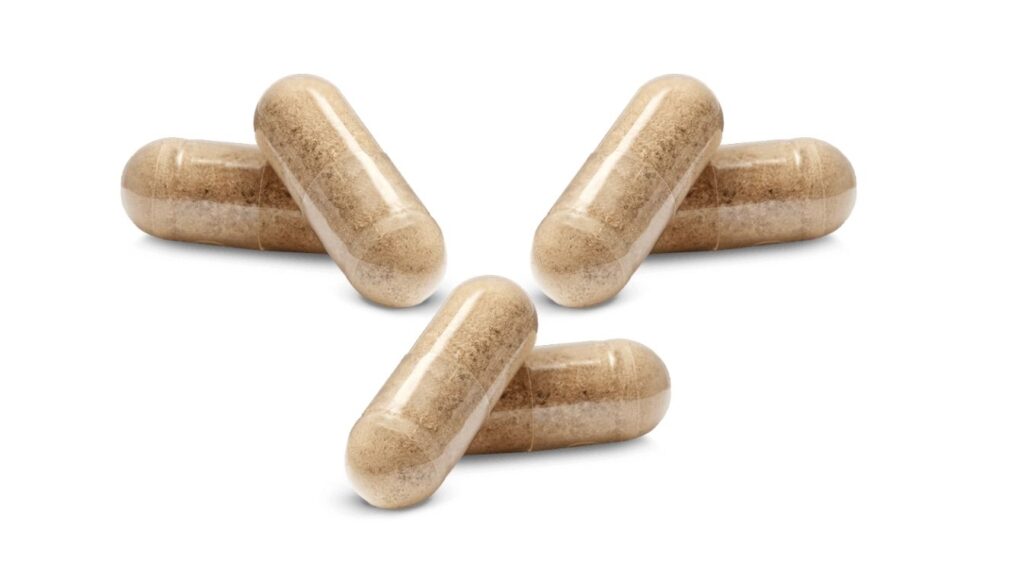
People use Ashwagandha as a popular herb for its various health benefits. Practitioners of Ayurvedic medicine have used Ashwagandha for centuries to treat a variety of ailments. You must take Ashwagandha in the right dosage to avoid potential side effects.
Recommended Dosage
The recommended dosage of ashwagandha varies depending on the form and preparation of the herb. For instance, if you are taking ashwagandha supplements in the form of capsules or pills, the recommended dosage is usually around 600-1200mg per day. However, it is always best to consult with a healthcare provider before taking any new supplements.
Various Forms and Preparations – Ashwagandha and Side Effects
You can make your tea as well. Just add Ashwagandha by mixing 60 drops of liquid extract, or one teaspoon of powdered root, into a glass of hot milk before going to bed. If you buy the option we gave, simply follow the steps on the box. Give a go to Ashwagandha Ayurvedic Tea that soothes and restores your body while you soundly sleep – Get Yours Here!
Factors Affecting Dosage
The dosage of ashwagandha may vary depending on factors such as age, weight, and overall health. For instance, individuals who are older or have underlying health conditions may need to take a lower dosage of ashwagandha. It is also important to note that the quality of the ashwagandha supplement may affect its potency and efficacy.
Ashwagandha is a powerful herb that can provide a range of health benefits when taken in the right dosage. Always consult with a healthcare provider before taking any new supplements and follow the recommended dosage guidelines.
Scientific Research and Evidence – Ashwagandha and Side Effects
As a practitioner, I always seek out the scientific research and evidence behind herbal supplements such as Ashwagandha. In this section, I summarize the clinical trials and studies, analyze withanolides and other compounds, and present the findings of ConsumerLab.
Clinical Trials and Studies
Researchers have conducted several clinical trials and studies to investigate the efficacy and safety of Ashwagandha. For example, a randomized, double‑blind, placebo‑controlled trial involving 50 adults with mild cognitive impairment showed significant improvements in immediate and general memory, executive function, attention, and daily activities after participants took Ashwagandha root extract for 8 weeks [1].
Another study demonstrated that Ashwagandha extract improved sleep quality and reduced sleep onset latency in patients with insomnia. Participants took a dose of 300 mg twice daily for 10 days, and researchers observed notable benefits [2].
Analysis of Withanolides and Other Compounds – Ashwagandha and Side Effects
Withanolides occur as steroidal lactones in Ashwagandha. Researchers associate them with anti‑inflammatory and antioxidant effects.
A literature review on Ashwagandha shows that withanolides demonstrate a wide range of pharmacological activities, including antitumor, anti‑inflammatory, immunomodulatory, cardioprotective, and neuroprotective effects [3]. Researchers also identify alkaloids, flavonoids, and glycosides in Ashwagandha, and these compounds may contribute to its health benefits.
ConsumerLab Findings
ConsumerLab independently tests health and wellness products to evaluate their quality and safety. In a recent review of Ashwagandha supplements, ConsumerLab confirmed that most products contained the labeled amount of Ashwagandha and were free of heavy metal contamination [4]. However, testers discovered that one product contained less Ashwagandha than claimed on the label, and another product showed lead contamination.
Scientific research and evidence consistently identify Ashwagandha as a safe and effective herbal supplement with many health benefits. Experts emphasize the importance of choosing a high‑quality product from a reputable manufacturer to ensure purity and potency.
[1] https://www.ncbi.nlm.nih.gov/pmc/articles/PMC8632422/ [2] https://www.ncbi.nlm.nih.gov/pmc/articles/PMC8462692/ [3] https://www.ncbi.nlm.nih.gov/pmc/articles/PMC3252722/ [4] https://www.consumerlab.com/reviews/ashwagandha-supplements-review/ashwagandha/
Incorporating Ashwagandha into Your Routine
Ashwagandha serves as a versatile herb that you can incorporate into your daily routine in various ways. You can use Ashwagandha for general wellness, athletic performance and recovery, and mental health and clarity.
For General Wellness
Studies show that Ashwagandha supports healthy blood sugar levels, strengthens the immune system, and promotes healthy thyroid function. Researchers highlight its positive impact on overall health through these combined benefits. You can incorporate Ashwagandha into your daily routine by taking a supplement in capsule or powder form. You can also add Ashwagandha powder to your favorite smoothie or tea.
For Athletic Performance and Recovery
Ashwagandha improves physical performance, endurance, and exercise recovery. Studies show that it reduces muscle damage and inflammation, while also increasing muscle strength and shortening recovery time.
To incorporate Ashwagandha into your athletic routine, take a supplement before or after a workout. You can also blend Ashwagandha powder into your pre‑workout smoothie or post‑workout protein shake.
For Mental Health and Clarity
Researchers show that Ashwagandha positively impacts the nervous system, stress response, and cognitive function. It reduces stress and anxiety, improves mental clarity and focus, and boosts energy levels. To incorporate Ashwagandha into your daily routine for mental health and clarity, take a supplement in capsule or powder form. You can also mix Ashwagandha powder into your morning coffee or tea.
Most people safely use Ashwagandha when they incorporate it into their daily routine in various ways. Healthcare professionals emphasize the importance of consultation before adding any new supplements or herbs to ensure safety and avoid complications.
Understanding the Role of Adaptogens – Ashwagandha and Side Effects
People have used Ashwagandha for centuries as a natural remedy to combat stress and promote overall well‑being. Ashwagandha proves highly effective because experts classify it as an adaptogen.
Mechanism of Action – Ashwagandha and Side Effects
Adaptogens form a class of herbs that help the body adapt to stress. They modulate the body’s stress response and reduce the negative effects of chronic stress on the body.
Ashwagandha effectively reduces stress because studies show it lowers cortisol, the primary stress hormone in the body. By lowering cortisol levels, Ashwagandha reduces feelings of anxiety and promotes a sense of calm.
Researchers also demonstrate that Ashwagandha provides cognitive benefits. Studies confirm that it improves memory and cognitive function, making it a valuable tool for anyone seeking to boost brainpower.
Comparing Ashwagandha to Other Adaptogens
While ashwagandha is one of the most popular adaptogens, many other herbs fall into this category. Some of the most well-known adaptogens include rhodiola, eleuthero, and ginseng.
One of the main benefits of ashwagandha is that it is relatively safe and well-tolerated, even at high doses. Unlike some other adaptogens, ashwagandha does not appear to have any negative effects on thyroid function or DHEA levels.
Overall, ashwagandha is an effective and safe adaptogen that can help reduce stress and improve cognitive function. Whether you’re dealing with chronic stress or just looking for a natural way to boost your brainpower, ashwagandha is worth considering.
Before You Go – Ashwagandha and Side Effects

Ashwagandha earns its place as one of the most widely used herbs in traditional Ayurvedic medicine. Practitioners praise it for reducing stress, supporting energy, and promoting overall wellness. Like any natural remedy, it carries potential side effects that require careful consideration. Digestive discomfort, drowsiness, and possible interactions with medications highlight the importance of understanding both the benefits and the risks.
If you plan to add Ashwagandha to your routine, approach it mindfully. Begin with small doses, observe how your body responds, and consult a healthcare professional, especially if you are pregnant, breastfeeding, or managing chronic conditions. By blending ancient wisdom with modern guidance, you make informed choices that protect your health while exploring the potential of this powerful herb.
Don’t forget to add theherbprof.com homepage to your favourites so you don’t miss out on future articles!
References – Ashwagandha and Side Effects: What You Need to Know
Little Herb Encyclopedia, by Jack Ritchason; N.D., Woodland Publishing Incorporated, 1995
The Ultimate Healing System, Course Manual, Copyright 1985, Don Lepore
Planetary Herbology, Michael Tierra, C.A., N.D., Lotus Press, 1988
Handbook of Medicinal Herbs, by James A. Duke, Pub. CRP Second Edition 2007
The Complete Medicinal Herbal, by Penelope Ody, Published by Dorling Kindersley
Check the Following Articles
Thyroid Disease Naturopathic: Effective Herbal Remedies
Herbal Formula Information: Health and Wellness Now
Alfafa: Everything You Need To Know
Angelica Sinensis Benefits: The Greatest Of All Herbs
Frequently Asked Questions – Ashwagandha and Side Effects
What are the potential side effects of ashwagandha for males?
Ashwagandha is generally safe for most people when they take it in recommended doses. Some men experience side effects such as gastrointestinal distress, headache, and drowsiness. In rare cases, Ashwagandha causes liver damage, so men should consult a healthcare professional before using it.
Can ashwagandha intake affect females differently, and if so, how?
Women experience similar side effects as men when they consume Ashwagandha. Some studies show that Ashwagandha positively impacts female reproductive health by reducing symptoms of menopause and improving fertility. Women should consult a healthcare professional before using Ashwagandha.
Is there a risk of mental health side effects when consuming ashwagandha?
People often use Ashwagandha to reduce stress and anxiety, but some experience mental health side effects such as agitation or confusion. Users should monitor their mental health while taking Ashwagandha and speak with a healthcare professional if concerning symptoms appear.
Does ashwagandha contribute to weight gain?
Researchers find no evidence that Ashwagandha contributes to weight gain. Some studies show that Ashwagandha supports weight loss by reducing stress‑related food cravings and improving metabolism.
Are there any cardiovascular risks associated with taking ashwagandha?
Studies show that Ashwagandha improves cardiovascular health by reducing blood pressure and cholesterol levels. Individuals with pre‑existing cardiovascular conditions should consult a healthcare professional before using Ashwagandha.
Who should not take ashwagandha due to potential adverse reactions?
Individuals with autoimmune diseases such as lupus or rheumatoid arthritis should avoid Ashwagandha because it stimulates the immune system and worsens symptoms. Pregnant or breastfeeding women should consult a healthcare professional before using Ashwagandha, since researchers have not confirmed its safety during pregnancy and lactation.