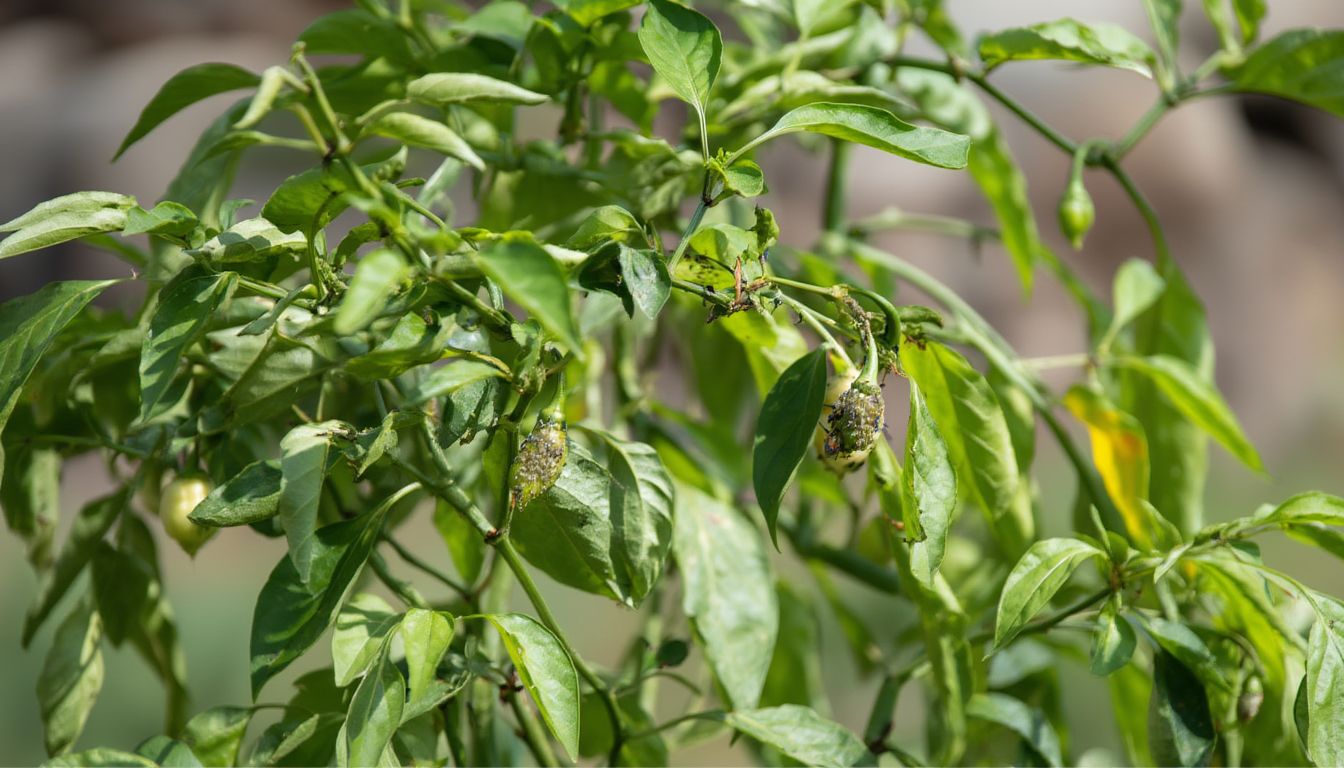
I know that bugs on bell pepper plants can be a frustrating and common problem. These pests can damage the leaves and fruit, leading to reduced yields and stunted growth. However, with the right knowledge and techniques, it’s possible to control and prevent infestations on pepper plants.
Bell peppers are a popular vegetable to grow in many gardens, and they are known for their sweet and mild flavor. However, pests such as aphids, mites, and beetles can quickly infest the plant and cause damage to the leaves and fruit. In severe cases, the entire plant may die. It is important to identify and control these pests early to prevent further damage.
Gardeners can take several steps to prevent and control pests on pepper plants. These include using natural remedies such as soapy water and neem oil, planting companion plants that repel pests, and using physical barriers such as row covers. By being proactive and vigilant, gardeners can enjoy a healthy and bountiful harvest of bell peppers.
Identifying Common Pests on Pepper Plants – Bugs on Bell Pepper Plants
It’s essential to identify the common pests that can damage your pepper plants. By knowing what to look for, you can take steps to prevent or treat these pests before they cause significant damage.
Aphids and Ants
Aphids are tiny, soft-bodied insects that can be found on the underside of leaves, stems, and new growth. They are usually green or black and can quickly reproduce, making them a common pest problem for pepper plants. To control aphids, you can spray your plants with a strong stream of water to knock them off. You can also use insecticidal soap or neem oil to kill them.
Ants are attracted to the sweet honeydew that aphids produce and will often protect them from predators. If you have an ant problem, you can use a sticky barrier around the base of your plants to keep them away.
Spider Mites
Spider mites are another common pest that affects many types of plants, including pepper plants. These tiny arachnids feed on plant sap, causing leaves to turn yellow and develop a stippled appearance. If left untreated, spider mite infestations can lead to leaf drop and stunted growth.
To control spider mites, regularly monitor plants for signs of infestation. You can use insecticidal soap or neem oil to kill them. You can also introduce predatory mites, such as Phytoseiulus persimilis, to control spider mite populations.
Flea Beetles
Flea beetles are small, shiny black or brown insects that can jump like fleas when disturbed. These pests feed on the leaves of pepper plants, leaving behind small holes and pits. Infestations can cause significant damage to young plants, especially during early growth stages. To control them, use row covers to protect seedlings from exposure. Sticky traps or insecticidal soap also help reduce their numbers and prevent further damage.
Bugs on Bell Pepper Plants – Cutworms and Armyworms
Cutworms and armyworms are common pests that can damage the stems and leaves of pepper plants. Cutworms often attack seedlings at the soil line, cutting them down before they can establish, while armyworms move in groups and quickly strip foliage, leaving plants weak and vulnerable. Together, these pests can cause serious losses if not managed early.
Cutworms are caterpillars that live in the soil and feed on young plants at night, often cutting them off at the base before they have a chance to grow. These pests hide during the day and emerge after dark, making their damage sudden and sometimes hard to detect.
Armyworms are caterpillars that feed on the leaves of plants and can quickly defoliate pepper plants. These pests often appear in large groups, moving across gardens and fields in waves that strip foliage in a short period of time. Heavy infestations weaken plants, reduce yields, and leave peppers vulnerable to disease. Because they are most active at night, damage may go unnoticed until leaves look skeletonized or nearly destroyed.
To control cutworms and armyworms, you can use Bacillus thuringiensis (Bt), a natural bacterial insecticide that is safe for humans and pets. You can also handpick the caterpillars and drop them into a bucket of soapy water.
Thrips
Thrips are tiny, slender insects that feed on the leaves and flowers of pepper plants. They can cause significant damage to plants, including stunted growth and deformed fruit. To control thrips, you can use insecticidal soap or neem oil to kill them. You can also introduce predatory mites, such as Amblyseius cucumeris, to control thrips populations.
Bugs on Bell Pepper Plants – Pepper Weevils and Pepper Maggots
Pepper weevils and pepper maggots are common pests that can damage the fruit of pepper plants. These small, dark-colored beetles feed on peppers, leaving behind tiny holes and scars. Their larvae, known as pepper maggots, develop inside the fruit and cause internal damage that often goes unnoticed until harvest.
To control pepper weevils and pepper maggots, you can use row covers to protect young plants. You can also use insecticidal soap or neem oil to kill them.
Effects of Pest Infestation – Bugs on Bell Pepper Plants
I know that pest infestations can cause significant damage to bell pepper plants. In this section, I will discuss the effects of pest infestation on the leaves, flowers, growth, yield, and transmission of diseases.
Damage to Leaves and Flowers
When pests such as aphids, spider mites, and thrips infest bell pepper plants, they can cause significant damage to the leaves and flowers.
These pests feed on the sap of the plants, which can cause the leaves to turn yellow, wilt, and even fall off. This can lead to a reduction in the plant’s ability to photosynthesize and produce energy, which can ultimately impact the growth and yield of the plant.
Impact on Growth and Yield
Pest infestations can also have a significant impact on the growth and yield of bell pepper plants. When pests feed on the plants, they can cause stunted growth and reduce the overall size of the plant. This can ultimately lead to a reduction in the number of peppers produced by the plant, which can impact the overall yield of the crop.
Transmission of Diseases
In addition to causing physical damage to the plants, pest infestations can also lead to the transmission of diseases. For example, the mosaic virus and bacterial wilt can be transmitted by aphids and thrips, respectively. If left untreated, these diseases can cause significant damage to the bell pepper plant and even kill it.
Natural and Chemical Pest Control Methods – Bugs on Bell Pepper Plants
Dealing with pests on bell pepper plants can be a frustrating experience. However, there are several effective methods for controlling pests naturally or with chemical insecticides. Here are some of the most common methods:
Biological Controls
One of the most effective natural pest control methods is using biological controls. This involves introducing natural predators, such as ladybugs or parasitic wasps, to your garden. These beneficial insects can help control pests such as aphids, spider mites, and whiteflies.
Chemical Insecticides
Chemical insecticides are another option for controlling pests on bell pepper plants. Insecticidal soap, horticultural oil, and neem oil are some of the most commonly used chemical insecticides. These products work by suffocating or poisoning pests, and can be effective against a wide range of pests.
Organic Treatments
Organic treatments are another option for controlling pests naturally.
Spinosad and Bacillus thuringiensis (BT) are two organic treatments that can be effective against pests such as caterpillars and thrips. Azadirachtin, a compound found in neem oil, is another organic treatment that can be effective against a wide range of pests.
While natural and organic pest control methods are generally safer for the environment and beneficial insects, they may not be as effective as chemical insecticides. Careful attention to instructions is essential when using any pest control method, and protective clothing and equipment should always be worn when applying chemical insecticides.
Preventive Measures for Pepper Pests – Bugs on Bell Pepper Plants
I know how frustrating it can be to deal with pests on my pepper plants. Fortunately, there are several preventive measures that I can take to avoid pest problems. In this section, I will discuss some cultural practices, physical barriers, and companion planting techniques that can help keep pests at bay.
Cultural Practices
One of the best ways to prevent pest problems is to maintain healthy plants. This means providing your peppers with the right growing conditions and avoiding stress. Here are some cultural practices that can help:
- Mulch: Mulching around your pepper plants can help retain moisture and prevent weeds, which can harbor pests.
- Garden debris: Remove any dead plant material or fallen fruit from the garden. This debris can attract pests and diseases.
- Air circulation: Proper air circulation can help prevent fungal diseases and discourage pests. Avoid overcrowding your plants and prune them as necessary.
- Containers: Growing peppers in containers can help prevent soil-borne diseases and pests. Just make sure to use a well-draining potting mix and provide adequate water and nutrients.
Physical Barriers
Physical barriers can be an effective way to keep pests away from your pepper plants. Here are some techniques to try:
- Floating row covers: These lightweight covers can be placed over your plants to keep pests out. They allow light and water to penetrate but keep insects away.
- Intercropping: Planting radishes or other pest-repelling plants between your pepper plants can help create a barrier against pests.
- Companion plants: Some plants, such as marigolds, can help repel pests. Plant them around your pepper plants to discourage pests from settling in.
Companion Planting
Companion planting involves planting two or more plants together that benefit each other in some way. Here are some companion planting techniques that can help prevent pest problems:
- Plant basil or other herbs near your pepper plants. These plants can help repel pests and improve the flavor of your peppers.
- Plant beans or other legumes near your pepper plants. These plants can fix nitrogen in the soil, which can benefit your peppers.
- Plant flowers, such as zinnias or sunflowers, near your pepper plants. These plants can attract beneficial insects, such as ladybugs and lacewings, which can help control pests.
Monitoring and Maintenance – Bugs on Bell Pepper Plants
It is important to regularly inspect my bell pepper plants for any signs of pests, disease, or other issues that could affect their growth and productivity. Here are some tips for monitoring and maintaining my pepper plants:
Regular Inspection
I make it a point to inspect my pepper plants at least once a week, carefully examining the leaves, stems, and fruits for any signs of damage or disease. I also use yellow sticky traps to monitor for flying insects such as aphids and whiteflies, which can be a common pest on pepper plants.
Sanitation and Debris Management
To prevent the spread of disease and pests, I remove any dead or diseased plant material from around my pepper plants. I also avoid planting peppers in the same spot year after year, as this can lead to a buildup of soil-borne pests and diseases.
Optimizing Plant Health
To keep my pepper plants healthy and strong, I follow the manufacturer’s directions for fertilizing and watering. I also make sure to provide them with plenty of sunlight and warm weather, as peppers thrive in hot climates.
Additionally, I watch for any signs of mosaic virus, which can cause dark spots on the leaves and affect new growth. By following these simple tips for monitoring and maintaining my bell pepper plants, I can ensure that they stay healthy and productive throughout the growing season.
Preventing and Treating Pest Infestations
Bugs on pepper plants can be a frustrating problem for gardeners. However, there are various ways to get rid of them and prevent them from returning.
Some of the most effective methods to get rid of bugs on pepper plants include using natural remedies such as neem oil, insecticidal soap, or a mixture of dish soap and water. These remedies can be applied directly to the plant to kill the bugs and prevent further infestations.
Another effective way to prevent bugs from infesting pepper plants is to maintain good garden hygiene. This includes regularly pruning and removing dead or diseased plant material, as well as keeping the garden clean and free from debris. This can help to reduce the likelihood of bugs finding a home in your garden.
It is also important to regularly monitor your pepper plants for signs of infestation, such as yellowing leaves, wilting, or stunted growth. Early detection can help to prevent the spread of bugs to other plants in your garden and allow for more effective treatment.
Overall, by following these tips and taking a proactive approach to bug control, gardeners can successfully prevent and treat infestations on their pepper plants.
Before You Go – Bell Pepper Plants
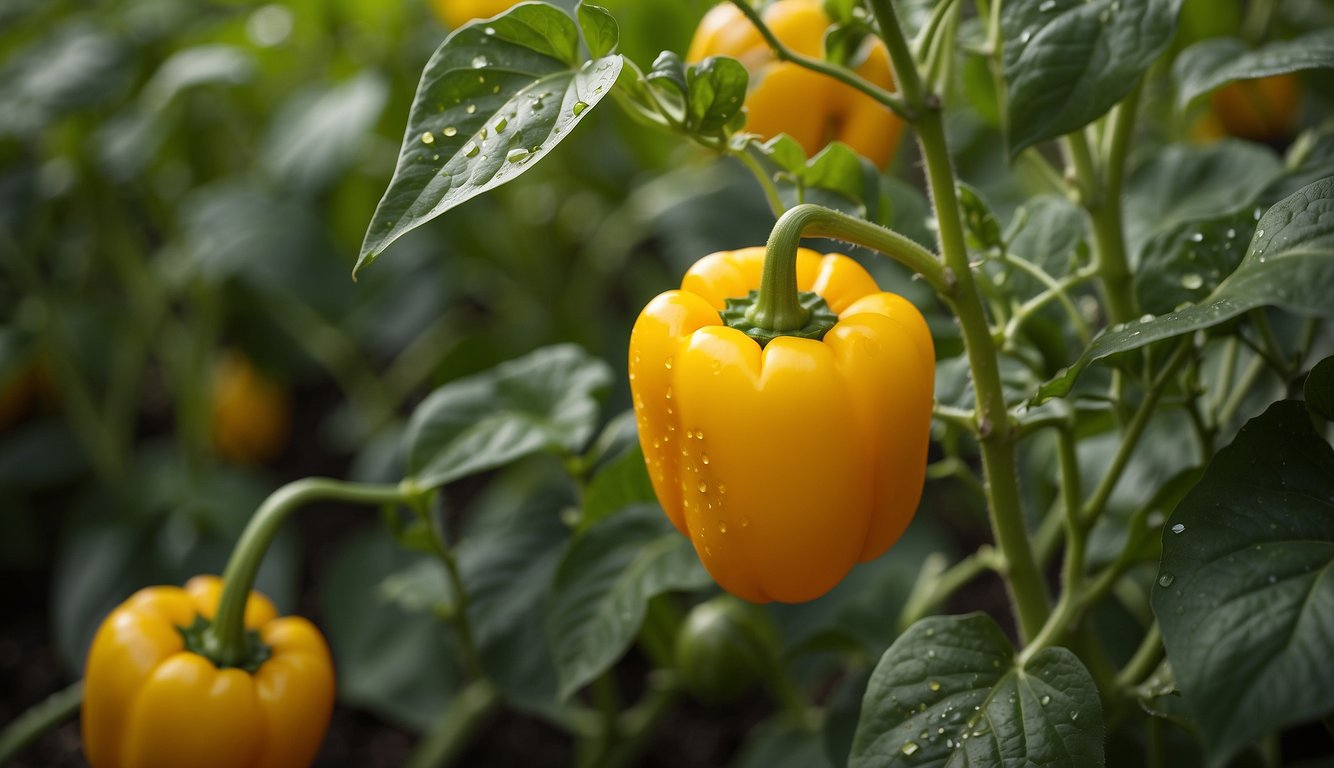
Growing bell pepper plants is a rewarding experience that combines patience with the joy of harvesting vibrant, flavorful fruits. From seedling care to pest management, each step teaches valuable lessons about nurturing plants and understanding their needs.
As you continue your gardening journey, remember that peppers thrive with consistent watering, plenty of sunlight, and nutrient-rich soil. Regular monitoring for pests and diseases will help ensure healthy growth and abundant harvests.
Most importantly, enjoy the process. Watching your bell pepper plants transform from delicate seedlings into sturdy, fruit-bearing plants is one of the most satisfying rewards of home gardening. With care and attention, your garden will provide not only delicious peppers but also a deeper connection to the food you grow.
Don’t forget to add theherbprof.com homepage to your favourites so you don’t miss out on future articles!
References – Bugs on Bell Pepper Plants
Little Herb Encyclopedia, by Jack Ritchason; N.D., Woodland Publishing Incorporated, 1995
The Ultimate Healing System, Course Manual, Copyright 1985, Don Lepore
Planetary Herbology, Michael Tierra, C.A., N.D., Lotus Press, 1988
Handbook of Medicinal Herbs, by James A. Duke, Pub. CRP Second Edition 2007
The Complete Medicinal Herbal, by Penelope Ody, Published by Dorling Kindersley
Check the Following Articles
Brussels Sprout Seedlings: Tips for Successful Germination
Do Seeds Need Light to Germinate?
Armillaria Root Rot Treatment: Effective Solutions
Peace Lily Root Rot Treatment: How To Fix It
Frequently Asked Questions – Bugs on Bell Pepper Plants
What natural remedies can prevent bug infestations on bell pepper plants?
Several natural remedies help prevent bug infestations on bell pepper plants. Companion planting works well; herbs like basil, mint, and oregano repel insects when planted near peppers. Spraying a mixture of water and neem oil directly on the plants also controls pests. Neem oil acts as a natural insecticide and targets a wide range of insects.
How can I identify and treat common pests found on bell pepper plants?
Common pests that attack bell pepper plants include aphids, whiteflies, and spider mites. Aphids appear as small, soft-bodied insects with pear-shaped bodies and long antennae. Whiteflies show up as tiny, winged insects that feed on the underside of leaves. Spider mites look like tiny, spider-like insects and leave fine webs on leaves. To treat these pests, spray insecticidal soap or neem oil. Insecticidal soap suffocates the insects, while neem oil disrupts their feeding and reproductive cycles. Always follow the product instructions carefully.
What are effective insecticides for controlling aphids on pepper plants?
Several insecticides effectively control aphids on pepper plants. Insecticidal soap suffocates them, neem oil disrupts their feeding and reproduction, and pyrethrin-based insecticides kill them quickly. However, pyrethrin products also harm beneficial insects like bees and ladybugs, so use them with caution.
How can I manage whiteflies on my bell pepper plants?
You can manage whiteflies by spraying insecticidal soap or neem oil. Yellow sticky traps also attract and capture them. Prune infested leaves and keep plants well-watered to reduce stress and prevent infestations.
What steps should I take to treat black bugs on my bell pepper plants?
Black bugs on pepper plants often indicate flea beetles or stink bugs. Treat flea beetles with neem oil or pyrethrin-based insecticides. For stink bugs, apply insecticidal soap or neem oil. Identify the specific pest before choosing a treatment to ensure effectiveness.
Can you provide guidance on diagnosing and treating pepper plant diseases?
Diagnosing and treating pepper plant diseases requires close observation. Common diseases include bacterial spot, blossom end rot, and powdery mildew. Watch for symptoms such as yellowing leaves, spots on leaves or fruit, and stunted growth. Treat bacterial and fungal issues with fungicides or copper-based sprays, and always follow label instructions to protect your plants.