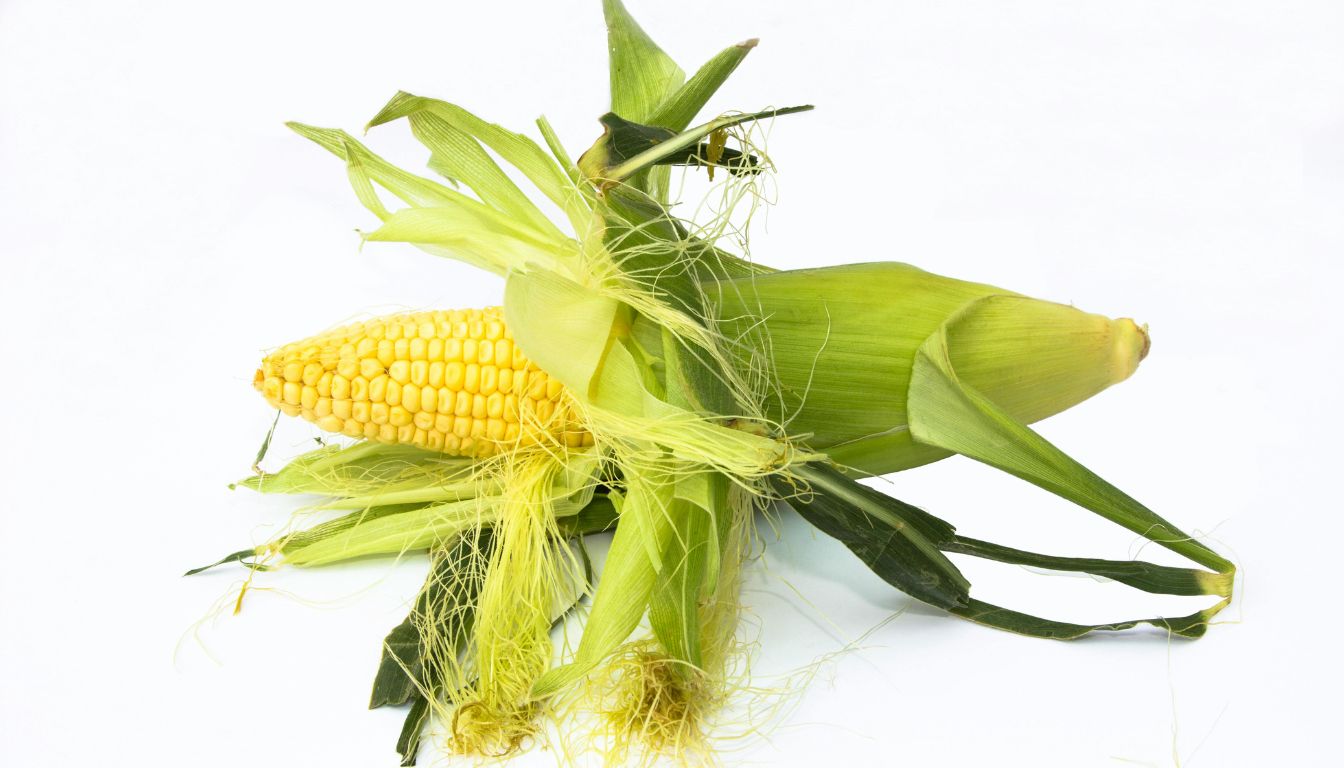
Corn silk, also known as maize silk, refers to the long, glossy fibres found on a corn ear. While most people discard corn silk when preparing corn, it has been valued for centuries for its medicinal properties. When you explore the benefits of corn silk, you find that it reduces inflammation, lowers blood pressure, and promotes urinary tract health.
One of the most well‑known benefits of corn silk comes from its diuretic properties. People have used it for centuries to treat urinary tract infections and other urinary tract disorders. Corn silk helps flush out the urinary tract and reduces inflammation, making it an effective natural remedy for these conditions.
In addition to its diuretic properties, corn silk also shows anti‑inflammatory and antioxidant effects. These properties reduce inflammation throughout the body, which contributes to a variety of chronic health conditions. Researchers still need to explore its full health benefits, but history makes clear that this humble plant has served medicinal purposes for centuries.
Botanical Profile – Get Your Corn Silk Here
Corn Silk Origin and Description
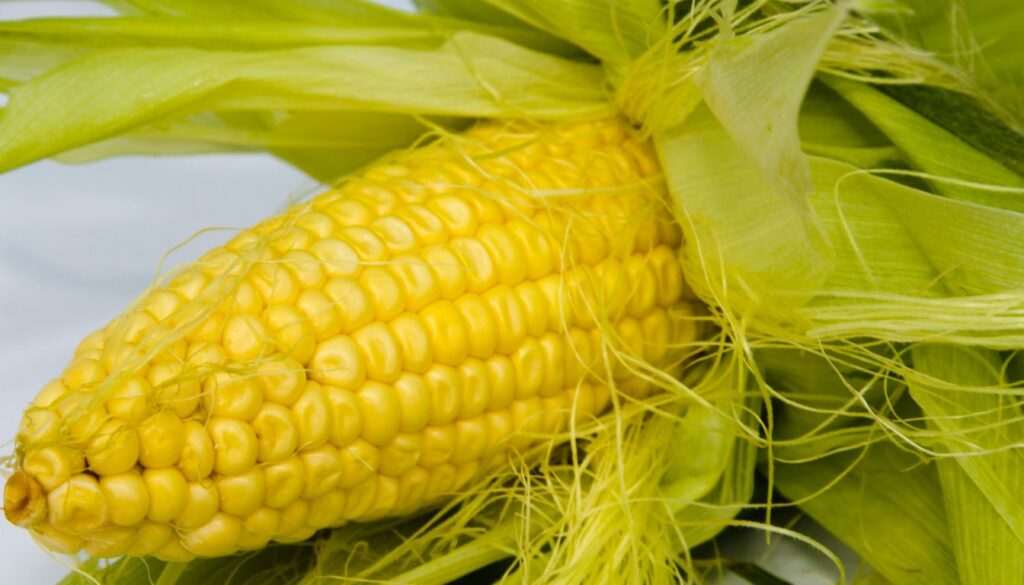
Maize Silk, also known as Stigma Maydis, grows as shiny, thread‑like fibers on the ears of corn (maize). The tuft or tassel of silky fibers protrudes from the tip of the ear and sits enclosed in modified leaves called husks. Each fiber forms an elongated style that attaches directly to an individual ovary. Corn silk originates in North America, and Native Americans and Chinese communities have used it for centuries in traditional medicine.
Maize Silk begins as pale green strands, turns red as it matures, and can reach up to 20 cm in length. This delicate plant shows a soft, silky texture and a slightly sweet taste. Corn silk provides potassium, calcium, and vitamins C and K. It also supplies antioxidants that protect the body against damage from free radicals.
Corn Silk Harvesting and Processing
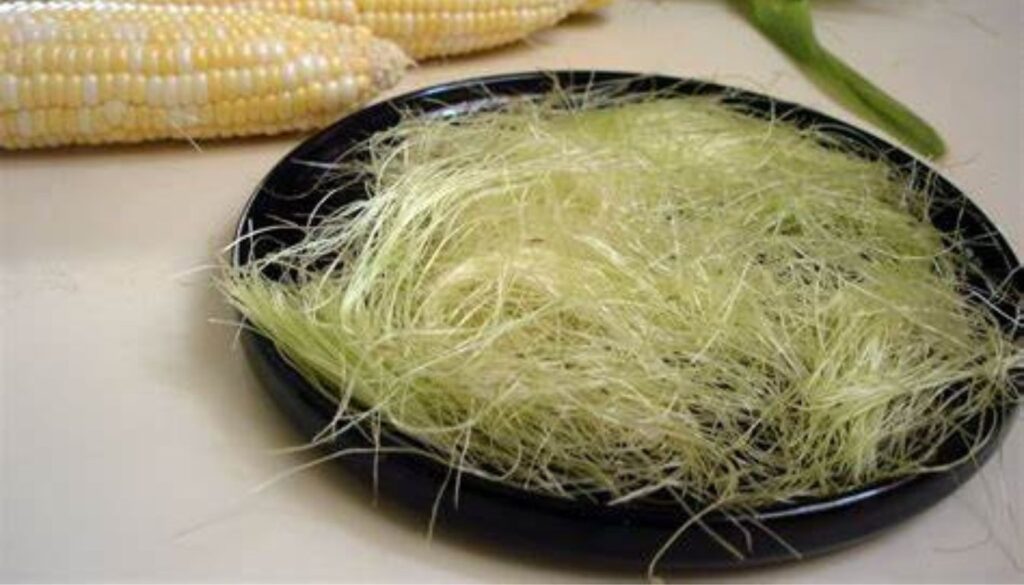
Farmers harvest maize silk from fresh ears of corn during the summer months. They carefully remove the silk from the ears and dry it in the sun or a dehydrator. Once dried, people store the silk in an airtight container for later use.
Users prepare tea, tinctures, or capsules from dried corn silk. To make tea, they steep a handful of dried corn silk in hot water for several minutes. The tea delivers a mild, slightly sweet flavor and often supports urinary tract health.
Overall, corn silk serves as a versatile plant with a variety of health benefits. Its gentle nature allows people of all ages to use it, and its rich nutritional profile makes it a valuable addition to any diet.
Nutritional Composition – Corn Silk Benefits
As a by-product of corn cultivation, corn silk is a rich source of various nutrients, including vitamins, minerals, and macronutrients. In this section, I will discuss the nutritional composition of Maize Silk.
Corn Silk Vitamins and Minerals
Corn silk is rich in potassium, magnesium, and calcium. Potassium is an essential mineral that helps regulate blood pressure and supports heart health. Magnesium is necessary for bone health, muscle function, and energy production. Calcium is essential for bone and teeth health.
Maize Silk is also a good source of vitamin K, which plays a vital role in blood clotting and bone metabolism. Vitamin K is fat-soluble, and corn silk contains a small amount of fat, which helps the body absorb the vitamin.
Corn silk Macronutrients
Maize Silk offers low calories and fat but provides rich amounts of protein and fiber. Protein builds and repairs tissues, while fiber regulates digestion and prevents constipation.
It also delivers carbohydrates that supply energy to the body. Because these carbohydrates are complex, they digest slowly and release energy in a steady way.
Overall, corn silk serves as a nutrient‑dense food that provides several health benefits. Researchers still need to determine the full extent of these benefits through further study.
Health Benefits – Get Your Corn Silk Here
As a natural diuretic, corn silk can help increase urine flow, which may prevent the buildup of bacteria that leads to urinary tract infections (UTIs) and bladder infections [1]. Maize Silk may also help flush excess fluids from the body, making it a good treatment for high blood pressure [5].
Diuretic Effects
Maize Silk is commonly used as a natural diuretic, which means it can help increase urine output and promote the elimination of excess fluids and waste products from the body. This property makes it an effective remedy for urinary tract infections, bladder infections, and kidney stones [1].
Blood Sugar Regulation
Maize Silk may also help regulate blood sugar levels. It contains compounds that may improve insulin sensitivity and reduce blood sugar levels in people with diabetes [2].
Heart and Vascular Health
Maize Silk may help improve heart and vascular health by reducing blood pressure and cholesterol levels. Studies have shown that corn silk extract can act as a powerful diuretic, making it effective in treating high blood pressure [5]. Additionally, Maize Silk has been found to reduce LDL cholesterol, increase HDL cholesterol, and lower triglycerides [4].
Anti-Inflammatory and Antioxidant Properties
Researchers have found that Maize Silk shows anti‑inflammatory and antioxidant properties, making it a potential treatment for inflammatory diseases related to oxidative stress [3]. These properties also reduce the risk of cancer and other chronic diseases by neutralizing free radicals and lowering inflammation [2].
Overall, corn silk provides several potential health benefits, including diuretic effects, blood sugar regulation, heart and vascular support, and anti‑inflammatory and antioxidant activity. Scientists still need to confirm these benefits and establish the optimal dosage and duration of Maize Silk supplementation.
Traditional and Medicinal Uses
As an herbal remedy, corn silk has been used for centuries by indigenous peoples for medicinal purposes. In this section, I will discuss the historical perspectives and modern applications of corn silk.
Historical Perspectives – Corn Silk Benefits
Native Americans have used corn silk for centuries to treat various ailments such as urinary tract infections, kidney stones, and bedwetting. They also used it as a poultice to heal wounds and burns. Maize Silk was also used in Traditional Chinese Medicine to treat edema, jaundice, and hepatitis.
Modern Applications
People still use corn silk today for its medicinal properties. They commonly rely on it as a natural diuretic to relieve water retention and to treat urinary tract infections. Researchers have also shown that Maize Silk carries anti‑inflammatory properties, which make it a useful herb for treating inflammation in the body.
People consume Maize Silk in various forms, including tea, tinctures, and capsules. They also apply it topically as a poultice or add it to bathwater for a relaxing soak.
Corn silk carries a long history of use in traditional medicine and continues to serve people today for its many medicinal purposes. As with any herbal remedy, individuals should consult a healthcare professional before using corn silk for medicinal purposes.
Consumption and Dosage – Get Your Corn Silk Here
When it comes to consuming corn silk, there are a few different options available. Corn silk can be consumed as a tea or in supplement form. Here are some guidelines for each:
Corn Silk Tea Preparation
To make corn silk tea, you can use fresh or dried corn silk. If using fresh corn silk, it’s important to wash it thoroughly before use. Here’s a simple recipe for corn silk tea:
- Boil 2-3 cups of water in a pot.
- Add 2-3 tablespoons of fresh or dried corn silk to the pot.
- Reduce the heat and let the corn silk steep for 10-15 minutes.
- Strain the tea and serve.
You can add honey or lemon to the tea to enhance the flavor. It’s generally safe to consume 1-2 cups of corn silk tea per day.
Supplements and Forms
Manufacturers offer Maize Silk in supplement form, such as capsules or tablets. Consumers should choose reputable brands that use high‑quality ingredients. Dosage varies with each supplement, so users need to follow the manufacturer’s instructions.
Cooks also use dried corn silk in the kitchen. They add it to soups, stews, and casseroles to enhance flavor and nutrition.
Corn silk remains generally safe, but individuals should talk to their healthcare provider before adding any new supplements or herbs to their diet.
Potential Risks and Side Effects
As with any supplement or medication, there are potential risks and side effects associated with using Maize Silk. It is important to be aware of these before incorporating corn silk into your routine.
Interactions with Medications – Corn Silk Benefits
Maize Silk may interact with certain medications, including diabetes medications, blood thinners, and anti-inflammatory drugs. If you are taking any of these medications, it is important to speak with your doctor before using corn silk.
Adverse Reactions
While corn silk is generally considered safe, some individuals may experience adverse reactions. These may include allergic reactions, such as hives or difficulty breathing. If you experience any adverse reactions after using Maize Silk, stop use immediately and seek medical attention.
Considerations for Special Populations
If you are pregnant or breastfeeding, speak with your doctor before you use corn silk. Researchers have conducted limited studies on its safety during pregnancy and breastfeeding, so you should err on the side of caution.
Overall, most people consider Maize Silk safe, but you need to stay aware of potential risks and side effects. Consult your doctor before you use corn silk if you take any medications or have concerns about its use.
Research and Studies – Get Your Corn Silk Here
As a researcher, I have reviewed numerous studies on Maize Silk. These studies show that corn silk provides various health benefits, including antioxidant and diuretic properties. In this section, I highlight some of the most significant findings from clinical trials and laboratory studies on Maize Silk.
Clinical Trials
Several clinical trials have been conducted on Corn silk to evaluate its potential health benefits. One study published in the Journal of Ethnopharmacology found that Maize Silk has diuretic properties, which may help to reduce blood pressure and improve kidney function. The study involved 40 patients with hypertension, and the results showed that Corn silk significantly increased urine output and reduced blood pressure levels [1].
Another clinical trial published in the Journal of Medicinal Food investigated the antioxidant and anti-inflammatory properties of Maize Silk. The study involved 20 healthy volunteers who were given Corn silk extract for four weeks. The results showed that Corn silk significantly increased antioxidant activity and reduced markers of inflammation in the body [2].
Laboratory Findings
Laboratory studies have also shown that Corn silk contains several flavonoids, which are potent antioxidants. One study published in the Journal of Agricultural and Food Chemistry found that Maize Silk extract contains high levels of flavonoids, including apigenin, luteolin, and quercetin [3]. These flavonoids have been shown to have numerous health benefits, including reducing the risk of heart disease and cancer.
Another laboratory study published in the Journal of Medicinal Food investigated the potential of Maize Silk extract to inhibit the growth of cancer cells. The study found that Corn silk extract was able to inhibit the growth of several types of cancer cells, including breast, lung, and colon cancer cells [4].
The research and studies conducted on Corn silk have shown that it has various health benefits, including antioxidant and diuretic properties. Further studies are needed to explore the full potential of Corn silk and its active compounds.
[1] https://www.ncbi.nlm.nih.gov/pubmed/22819504 [2] https://www.ncbi.nlm.nih.gov/pubmed/24635197 [3] https://www.ncbi.nlm.nih.gov/pubmed/15563212 [4] https://www.ncbi.nlm.nih.gov/pubmed/21438648
Sources:
- The National Center for Biotechnology Information has published a review on the phytochemical and pharmacological properties of corn silk. The review highlights the potential antioxidant and healthcare applications of Maize Silk, such as its use as a diuretic agent, in hyperglycemia reduction, as an antidepressant, and as an anti-fatigue agent.
- According to an article published on MedicineNet, Maize Silk may be a good treatment for high blood pressure due to its diuretic properties. It helps flush excess fluids from the body and rid the body of water and salt/sodium. However, more research is needed to confirm these claims.
- A comprehensive review of the nutritional composition and bioactive potential of corn silk has been published on ResearchGate. The review highlights the nutritional value of corn silk and its potential as a source of bioactive compounds such as phenolic acids, flavonoids, and alkaloids.
- An article on SuppleWiki explains the benefits and side effects of Maize Silk. It suggests that corn silk is an adaptogen and should be cycled, taking two days off weekly to reset tolerance. The article also suggests that the effects of corn silk are cumulative and must be taken for at least 2-4 weeks to notice most of the benefits.
- Finally, a study published on ScienceDirect highlights the potential health benefits of Maize Silk. The study suggests that corn silk has diuretic, anti-inflammatory, and antioxidant properties. It has been traditionally used to treat cystitis, jaundice, edema, prostate disorders, urinary infections, and liver and gallbladder problems.
These references provide a comprehensive overview of the potential health benefits of corn silk. However, more research is needed to confirm these claims and determine the optimal dosage and duration of corn silk supplementation.
Before You Go – Corn Silk Benefits: A Natural Fiber Rich in Antioxidants
Corn silk may seem like a simple by‑product of corn, but its rich history and science show otherwise. Packed with antioxidants, anti‑inflammatory compounds, and essential nutrients, it supports digestion, urinary tract health, blood sugar balance, and even skincare.
As you explore corn silk benefits, remember that natural remedies work best when used mindfully. Always consult a healthcare professional before adding corn silk to your routine, especially if you are pregnant, breastfeeding, or taking medications. Choosing high‑quality, tested supplements ensures you enjoy the benefits safely.
So next time you prepare corn, think twice before discarding those silky strands; they may hold the key to better health and wellness.
Don’t forget to add theherbprof.com homepage to your favourites so you don’t miss out on future articles!
References – Corn Silk Benefits: A Natural Fiber Rich in Antioxidants
Little Herb Encyclopedia, by Jack Ritchason; N.D., Woodland Publishing Incorporated, 1995
The Ultimate Healing System, Course Manual, Copyright 1985, Don Lepore
Planetary Herbology, Michael Tierra, C.A., N.D., Lotus Press, 1988
Handbook of Medicinal Herbs, by James A. Duke, Pub. CRP Second Edition 2007
The Complete Medicinal Herbal, by Penelope Ody, Published by Dorling Kindersley
Check the Following Articles
Butcher’s Broom: Surprising Benefits For Blood Vessels
Spanish Marigold: A Versatile Herb for Skin Health and More
Cayenne Pepper Benefits: Amazing Health Advantages
Discover Chlorella: Powerful Uses and Health Benefits
Frequently Asked Questions – Corn Silk Benefits: A Natural Fiber Rich in Antioxidants
What are the health benefits of consuming corn silk?
Corn silk provides several health benefits. It helps control blood sugar levels, improves digestion, and reduces inflammation. It also contains antioxidants that prevent certain types of cancer. Corn silk supports healthy skin and hair.
How can corn silk tea be prepared at home?
You can easily prepare corn silk tea at home. Rinse a handful of corn silk thoroughly. Boil a cup of water and add the corn silk. Let it simmer for 10–15 minutes. Strain the tea and add honey or lemon to taste.
Are there any side effects associated with using corn silk?
Most people consume corn silk safely without major side effects. Some individuals experience allergic reactions or stomach discomfort. Consult a doctor before using corn silk if you are pregnant, breastfeeding, or taking medications.
In what ways can corn silk aid in prostate health?
Corn silk supports prostate health. It reduces the size of an enlarged prostate and relieves symptoms such as frequent urination and painful urination.
How does corn silk contribute to weight loss efforts?
Corn silk promotes weight loss by reducing inflammation and supporting healthy digestion. It also helps control blood sugar levels, which prevents cravings and overeating.
What are the uses of corn silk in skincare products?
Skincare products often include corn silk because of its anti‑inflammatory and antioxidant properties. It reduces acne, prevents premature ageing, and promotes healthy skin. You can also use corn silk as a natural exfoliant to remove dead skin cells and improve skin texture.