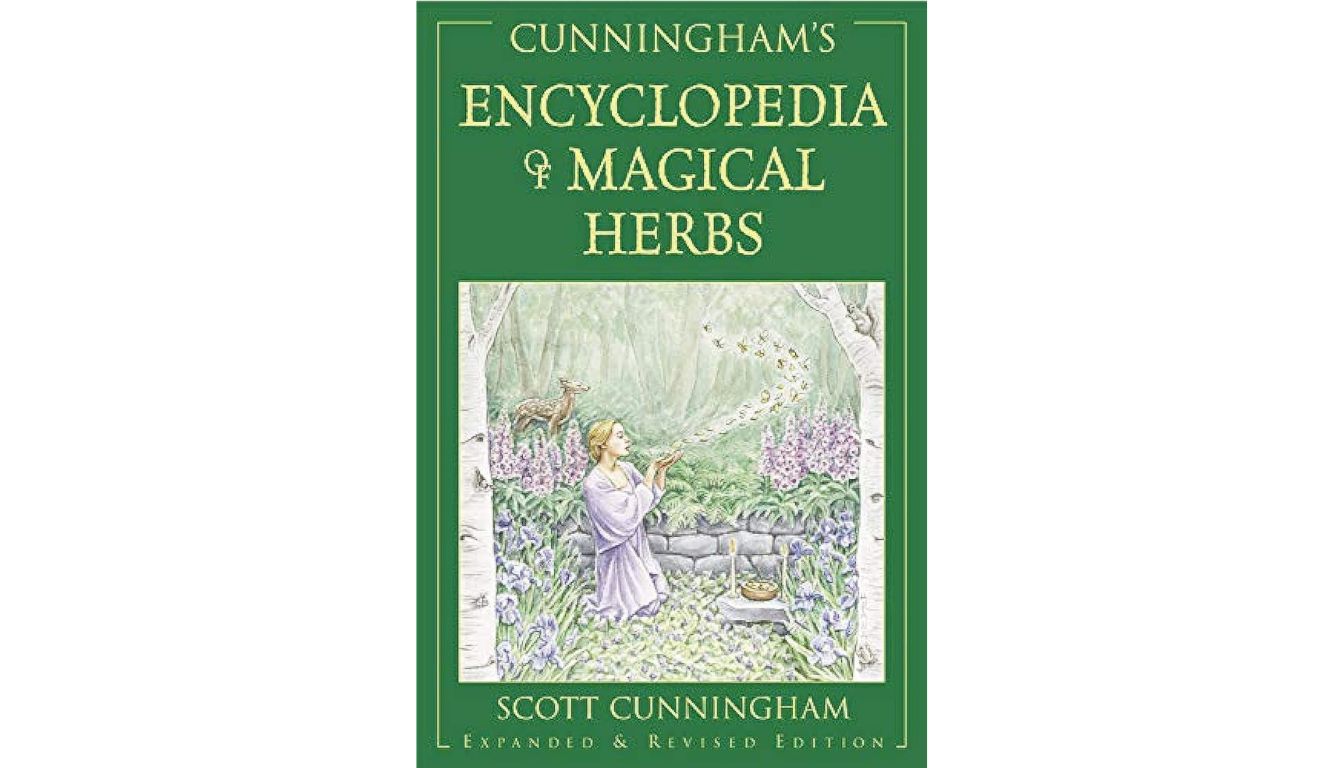
The Cunningham’s Encyclopedia of Magical Herbs review explores one of the most trusted resources in the world of herbal magic. We recently spent time working with this herb reference guide, and it’s become a go-to resource in our collection. The book covers hundreds of plants with their magical and spiritual uses, making it practical for anyone exploring herbal practices beyond basic gardening.
Scott Cunningham organizes the information in an accessible way that doesn’t require prior experience. Each entry breaks down the properties, planetary associations, and practical applications of different herbs. The straightforward format makes it easy to find what you need without getting lost in dense academic language.
One strength is the variety of common herbs included, which means you won’t struggle to source obscure ingredients. Many entries feature plants you can grow yourself or find at local stores. The book weighs about two pounds and spans over 300 pages, so it’s substantial enough to serve as a long-term reference.
Some readers note the focus leans toward Wiccan practices, which may or may not align with your path. The entries stay brief rather than diving deep into historical context or scientific details. We found this works well for quick lookups, but less so if you want extensive background on each plant.
The binding holds up reasonably well with regular use, though a few people mention needing replacement copies after years of frequent consultation. The publication date goes back to 1985, so don’t expect modern design elements or color photos.
Bottom Line – Cunningham’s Encyclopedia of Magical Herbs Review
This encyclopedia serves as a solid starting point for anyone curious about the magical properties of herbs. The practical organization and common plant focus make it useful for beginners and experienced practitioners alike.
Ready to expand your herbal knowledge? Click here and check out Cunningham’s Encyclopedia here and add it to your library today.
Overview of Cunningham’s Encyclopedia of Magical Herbs – Get Yours Here
This 318-page reference guide has been sitting on practitioners’ shelves since 1985, and we found that it lives up to its reputation as a starter resource. The book catalogues hundreds of herbs with their magical properties and practical applications in spell work.
We appreciated how accessible Cunningham makes the information for beginners, though the focus leans heavily toward Wiccan traditions. Each entry breaks down an herb’s magical uses, planetary associations, and elemental connections without getting too academic.
The compact size makes it easy to keep nearby during practice sessions. At just over two pounds, we could flip through it comfortably while working.
One limitation we noticed is the geographical bias toward North American and European plants. If you work with herbs from other regions, you might need supplementary resources. The entries also stay fairly brief, so advanced practitioners might want deeper botanical or historical context.
Overall, we think this encyclopedia works best as a quick reference tool rather than your only herbal guide.
Comprehensive Herbal Listings – Cunningham’s Encyclopedia of Magical Herbs Review
The book covers over 400 herbs in alphabetical order, making it easy to find what you need without flipping through countless pages. Each entry includes the herb’s common and scientific names, folk names from various traditions, and detailed information about its magical properties and uses.
We appreciated how the entries break down each plant’s gender, ruling planet, element, and associated deities. The practical applications for spells and rituals are straightforward without being overly prescriptive. Some herbs get more detailed write-ups than others, which makes sense given their varying importance in magical practice.
The cross-referencing system works well when you’re looking for herbs with specific properties like protection or prosperity. However, the lack of visual references means you’ll need to identify plants elsewhere before working with them.
Easy-to-Use Reference Format – Get Yours Here
The alphabetical organization makes finding specific herbs incredibly straightforward when you need information quickly. We appreciated how each entry follows a consistent structure with botanical names, folk names, gender associations, planetary rulers, elemental correspondences, deities, and magical properties, all clearly labeled. This layout eliminates guesswork and lets you jump directly to what matters for your research or practice.
The book includes cross-references throughout, which proved helpful when an herb had multiple common names. We found the appendices particularly useful for reverse lookups when searching by magical intention rather than plant name. The index at the back saves time during quick consultations.
One minor drawback is the lack of visual aids or photographs, so you’ll need to identify plants through text descriptions alone. The compact size does make it easy to keep on a workspace or bookshelf for frequent reference, though.
Spiritual and Magical Applications – Cunningham’s Encyclopedia of Magical Herbs Review
We found this encyclopedia particularly useful for connecting with the spiritual properties of common plants. The book covers spell work, ritual practices, and energy correspondences for hundreds of herbs. Each entry explains which intentions work best with specific plants, from protection charms to prosperity rituals.
The format makes it easy to look up what we need quickly during preparations. We appreciated that it focuses on practical applications rather than theory alone. The gender associations, planetary rulers, and elemental connections help us choose appropriate herbs for different magical purposes.
Some practitioners noted the content leans toward Wiccan traditions. We think it still serves as a solid foundation regardless of your specific path. The cross-referencing system lets us find alternatives when certain herbs aren’t available, which happens more often than we’d like.
Author Expertise and Legacy – Get Yours Here
Scott Cunningham built his reputation through decades of hands-on practice with herbs and folk magic before writing this encyclopedia. His approach focuses on practical application rather than academic theory, which makes the information immediately useful when working with plants.
We found that his writing reflects real experimentation with the herbs he describes. The book draws from various magical traditions without limiting itself to one specific path. Cunningham passed away in 1993, but this guide remains a foundational text that many practitioners still rely on today.
His legacy shows in how accessible he made herbal magic for independent practitioners. The straightforward format lets us quickly reference properties and uses without wading through complex rituals or obscure terminology.
Beginner Friendly Guidance – Cunningham’s Encyclopedia of Magical Herbs Review
We found the encyclopedia works well for people just starting with herbal practices. The book presents information in a straightforward way that doesn’t assume you already know the terminology or traditions.
Each herb entry follows the same clear format, which made it easy for us to find what we need quickly. Some users mentioned it serves as an excellent first reference book before expanding to more specialized resources.
The content focuses mainly on Wiccan practices, so keep that in mind if you follow a different path. We appreciated that the herbs listed are mostly common ones you can find in the US and Europe, rather than obscure plants.
The explanations stay simple without going too deep into complex theory. This approach helped us get started without feeling overwhelmed by information.
Pros and Cons – Get Yours Here
After spending time with this encyclopedia, we noticed several aspects worth discussing before you decide to add it to your collection.
Pros
The reference format works exceptionally well for quick lookups. We found ourselves flipping through pages to check herb properties without reading cover to cover, which suited our needs perfectly.
The book covers a wide range of plants that grow commonly in North America and Europe. This practical selection meant we could actually find most herbs at local shops or in our garden rather than searching for obscure ingredients.
Beginners benefit greatly from the straightforward organization and accessible writing style. We appreciated that complex topics got broken down without oversimplifying or talking down to readers.
The spiritual and magical properties listed for each plant provide solid starting points for independent practice. We valued having this foundation to build upon with our own experiences and research.
Cons
The focus leans heavily toward Wiccan traditions and spell casting. We found this limiting since the magical properties don’t always translate directly to other spiritual paths or practices.
Depth remains surface level for most entries. After using it for a while, we wanted more detailed information about preparation methods and historical context that simply wasn’t there.
Regional limitations became apparent quickly. Friends living outside Western regions struggled to find many of the listed herbs locally, making the book less practical for them.
The book shouldn’t serve as your only reference source. We needed to supplement with other materials to get a complete understanding of herbal work, especially for health and wellness applications beyond magical use.
Some entries felt repetitive across similar plants. We wished for more distinction between herbs with comparable properties to help us make better selection choices for specific intentions.
Customer Reviews – Cunningham’s Encyclopedia of Magical Herbs Review
We noticed that readers really appreciate this herb encyclopedia as a starting point for their practice. The book gets consistent praise for being accessible to newcomers while still offering useful information for regular reference.
Many people mention they’re on their second copy, which speaks to how often they reach for it. The content focuses mainly on plants common to the US and Europe, so that’s worth keeping in mind depending on where you live.
Some readers point out that the book leans toward Wiccan practices specifically. It works well as a general guide, but you might want additional resources if you follow a different path.
The physical quality seems solid based on feedback, even from international orders. People find it works perfectly as a quick lookup tool rather than an exhaustive deep dive into each plant.
Real-World Uses and Success Stories – Get Yours Here
We found this encyclopedia most useful when sitting in the garden trying to identify which plants could serve practical purposes beyond decoration. Beginners appreciate how the book organizes hundreds of herbs by their traditional uses, making it simple to look up a specific plant and discover its historical applications.
Several people we know keep their copy in the kitchen as a quick reference guide while cooking with fresh herbs. The format works well for independent study since each entry stands alone without requiring you to read the entire book first.
One limitation we noticed is the focus on plants common to North America and Europe. If you live elsewhere or work with regional herbs from other continents, you might find some gaps in coverage. The entries provide solid starting points but lack the depth needed for advanced practitioners who want detailed growing instructions or extensive preparation methods.
Before You Go – Cunningham’s Encyclopedia of Magical Herbs Review
After spending time with this encyclopedia, we found that it delivers solid value for beginners exploring herbal magic. The book covers a wide range of plants with practical information about their magical uses and properties.
We appreciated how accessible the content is, though experienced practitioners might want additional resources since it focuses mainly on common herbs from the US and Europe. The reference format makes it easy to look up specific plants quickly.
Key Strengths:
- Clear and organized entries
- Perfect starting point for newcomers
- Practical focus on workable herbs
Worth Noting:
- Regional plant focus may limit some readers
- Not deeply detailed on individual herbs
- Best used alongside other references
This encyclopedia works well as a foundational guide. We think it earns its place on the shelf for anyone building their herbal knowledge, especially those just beginning their practice.
Don’t forget to add theherbprof.com homepage to your favourites so you don’t miss out on future articles.
References – Cunningham’s Encyclopedia of Magical Herbs Review
Little Herb Encyclopedia, by Jack Ritchason; N.D., Woodland Publishing Incorporated, 1995
The Ultimate Healing System, Course Manual, Copyright 1985, Don Lepore
Planetary Herbology, Michael Tierra, C.A., N.D., Lotus Press, 1988
Handbook of Medicinal Herbs, by James A. Duke, Pub. CRP Second Edition 2007
The Complete Medicinal Herbal, by Penelope Ody, Published by Dorling Kindersley
Check the Following Articles
GNC Women’s Evening Primrose Oil 1300 mg Review
NaturalSlim Evening Primrose Oil 1500mg Review
Zhou Evening Primrose Oil: Hormone Support Review
Rosemary Gladstar’s Medicinal Herbs Guide Review
Frequently Asked Questions – Cunningham’s Encyclopedia of Magical Herbs Review
What are the main topics covered in Cunningham’s Encyclopedia of Magical Herbs?
The book organizes information about over 400 herbs and their magical properties. Each entry details the specific uses of plants in spell work and ritual practices.
We found the encyclopedia covers gender associations, planetary rulers, elemental correspondences, and deities connected to each plant. The author explains how practitioners use these herbs for protection, love, prosperity, healing, and psychic awareness.
Cunningham includes practical information about growing and harvesting herbs. He also discusses different preparation methods like teas, incenses, and sachets.
Is there a digital edition available for Cunningham’s Encyclopedia of Magical Herbs?
The book was originally published in October 1985 by Llewellyn Publications. Print editions remain the primary format available.
We checked current listings and found the book primarily sold as a paperback measuring 6.06 by 0.69 by 9 inches. The physical copy has 318 pages and weighs about 2.31 pounds, making it a substantial reference work.
Digital availability varies by retailer. Some sellers offer electronic versions through their platforms, though the physical book remains more widely distributed.
How does Cunningham’s Encyclopedia of Crystal, Gem & Metal Magic differ from the Encyclopedia of Magical Herbs?
This herbal encyclopedia is the first book in a three-part series. The crystal and gem volume focuses on minerals and metals rather than plant materials.
Each encyclopedia maintains a similar structure but addresses completely different natural materials. While the herbal guide details plant properties and botanical magic, the crystal book covers stones and metallic substances.
We noticed readers who work with both plants and stones often purchase both volumes. The encyclopedias complement each other for practitioners using multiple natural elements in their work.
Where can I find reviews comparing different editions of Cunningham’s Encyclopedia of Magical Herbs?
The First Edition from 1985 appears to be the primary version in circulation. We haven’t encountered significant variations between printings that would require detailed comparisons.
Reader feedback focuses on the book’s content rather than edition differences. People describe it as informative and useful for beginners working with herbs in magical practice.
Some reviews mention that this serves well as a first herb book for newcomers. Others note it works best as one reference among several rather than a sole resource.
International buyers have reported positive experiences ordering from various sellers. One person mentioned receiving an original copy after 15 days from a distributor.
What are the differences between the hardcover and paperback versions of Cunningham’s Encyclopedia of Magical Herbs?
The paperback version measures 6.06 by 0.69 by 9 inches and weighs 2.31 pounds. This format allows for easier handling during reference consultations.
We observed that most current sales involve paperback copies. The book’s status as a working reference makes the lighter paperback more practical for frequent use.
Durability becomes a consideration since readers often purchase replacement copies. One person mentioned being on their second copy, suggesting the book gets heavy use in practice.
The binding quality matters for a reference book opened repeatedly. However, specific hardcover dimensions and availability remain limited in current product listings.
How has Scott Cunningham’s approach to herbal magic influenced contemporary practices?
Cunningham created an accessible framework that removed barriers for independent practitioners. His work allows people to practice outside traditional group structures.
We see his influence in how modern practitioners approach correspondence systems. The author organized herbs by clear categories like planetary associations and elemental connections, making the information practical for everyday use.
His writing style demystified herbal magic for beginners. People describe the book as appropriate for those just starting their journey with plant magic.
The encyclopedia focuses on herbs common in the US and European regions. This geographical consideration affects which plants practitioners from other areas can easily access.
Readers note that the book requires supplementation with other resources. It provides a solid foundation but works better as part of a broader reference library rather than a single definitive guide.
The practical applications Cunningham outlined continue to shape how people prepare and use herbs. His methods for creating incenses, teas, and sachets remain standard practices decades after the book’s publication.