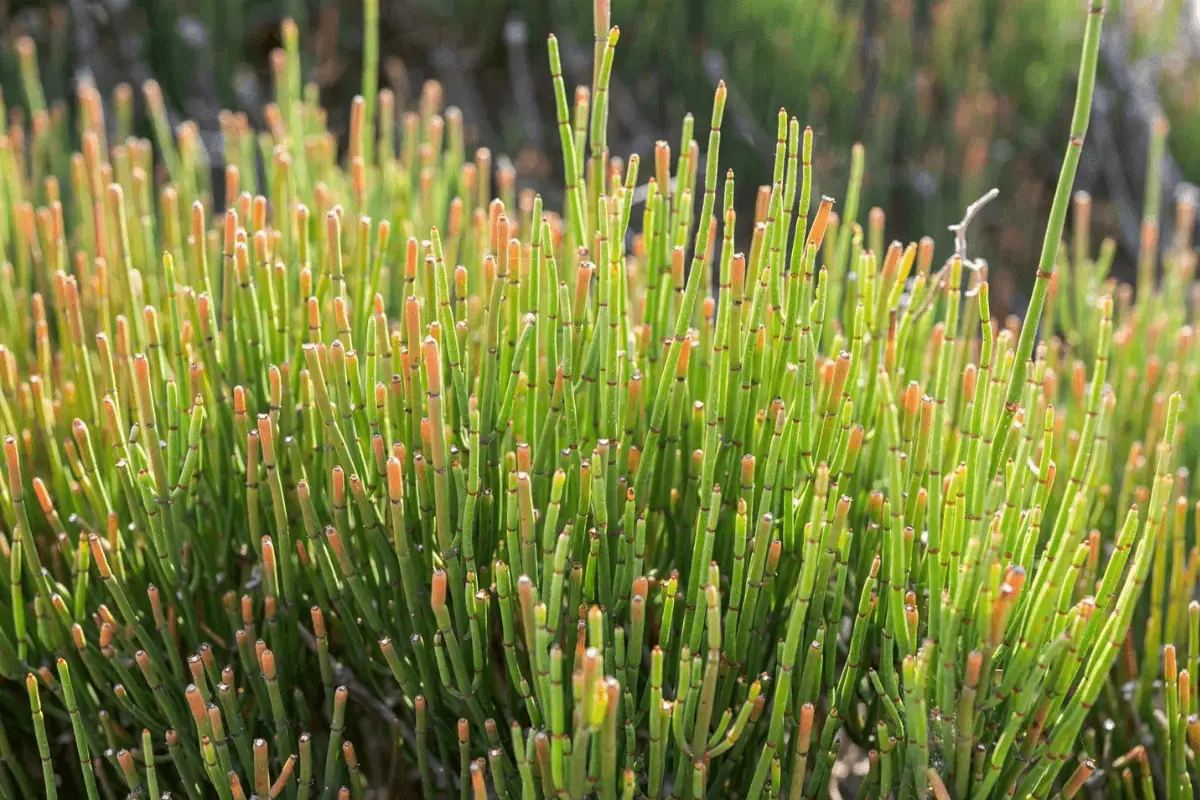
Ephedra, also known as Ma Huang, is a plant genus with a long history of medicinal use. Its key compound, ephedrine, is well-known for its stimulant effects and has been used to treat asthma, colds, and flu. However, the use of ephedra has been controversial due to its potential side effects.
The Food and Drug Administration (FDA) banned ephedra supplements in the United States in 2004 because they pose serious health risks. These risks include high blood pressure, heart attacks, seizures, strokes, irregular heartbeat, and even death. Despite the ban, some people continue to use Ma Huang supplements for weight loss and athletic performance enhancement, which creates dangerous situations.
Health experts emphasize that ephedra is not a safe supplement and advise against using it without professional guidance. Although ephedra may offer some potential benefits, the risks outweigh them. Anyone who considers taking Ma Huang supplements should consult a healthcare provider first to discuss the possible risks and benefits.
Historical Context
Ma Huang has a long history of use in traditional medicine, particularly in China. The Chinese herb, also known as Ma Huang, has been used for thousands of years to treat a variety of ailments, including asthma, colds, and flu. It is believed to have a warming effect on the body and is often used to induce sweating and break a fever.
Traditional Uses in Chinese Medicine
Practitioners of Chinese medicine attribute several therapeutic properties to ephedra. They traditionally use it to treat respiratory conditions such as asthma and bronchitis, and they prescribe it to relieve nasal congestion and coughs. They also administer ephedra as a diaphoretic to induce sweating and as a diuretic to increase urine production.
Chinese medicine practitioners also recognize Ma Huang for its stimulant effect on the central nervous system. They use it to combat fatigue and improve mental clarity. They also prescribe it to treat edema and to relieve the symptoms of allergies and hay fever.
Ephedra in Western Medicine
Western medicine began using ephedra in the early 20th century. Doctors first introduced it as a treatment for asthma and other respiratory conditions, and later, people adopted it as a weight loss supplement.
In the early 2000s, researchers raised concerns about the safety of ephedra. Studies showed that the herb could increase the risk of heart attack, stroke, and other serious health problems. As a result, the US Food and Drug Administration (FDA) banned the sale of supplements containing ephedra in 2004.
Despite its controversial history, practitioners of traditional Chinese medicine continue to value Ma Huang as an important herb. Researchers still study its therapeutic properties, and people across Asia, particularly in China and Iran, continue to use it widely.
Botanical Description
Genus and Species
I am going to describe the botanical features of the Ephedra plant. Ma Huang is a genus of gymnosperm shrubs that belongs to the family Ephedraceae. The genus has about 65 species of shrubs that are distributed in dry regions in both the Eastern and Western hemispheres. Ephedra is an evolutionarily isolated group and is the only genus in the order Ephedrales (division Gnetophyta). The plant is commonly known as jointfir, Mormon tea, or desert tea.
Geographical Distribution
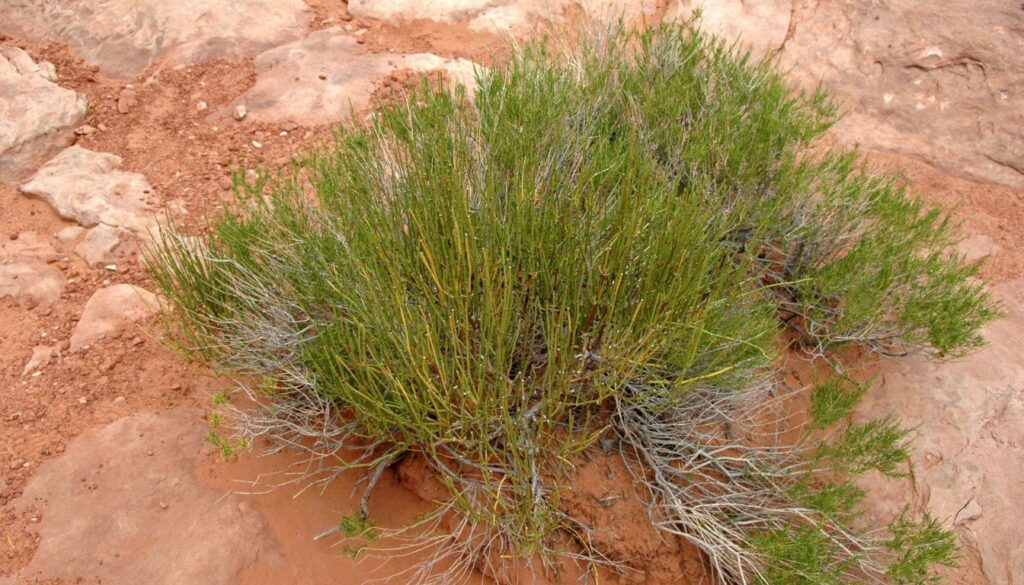
Ma Huang grows widely across many arid regions of the world, ranging from southwestern North America, southern Europe, northern Africa, southwest and central Asia, northern China, and western South America. In North America, it thrives in the desert regions of the southwest, including the Mojave, Sonoran, and Chihuahuan Deserts. In South America, it grows in the Atacama Desert of Chile and Peru.
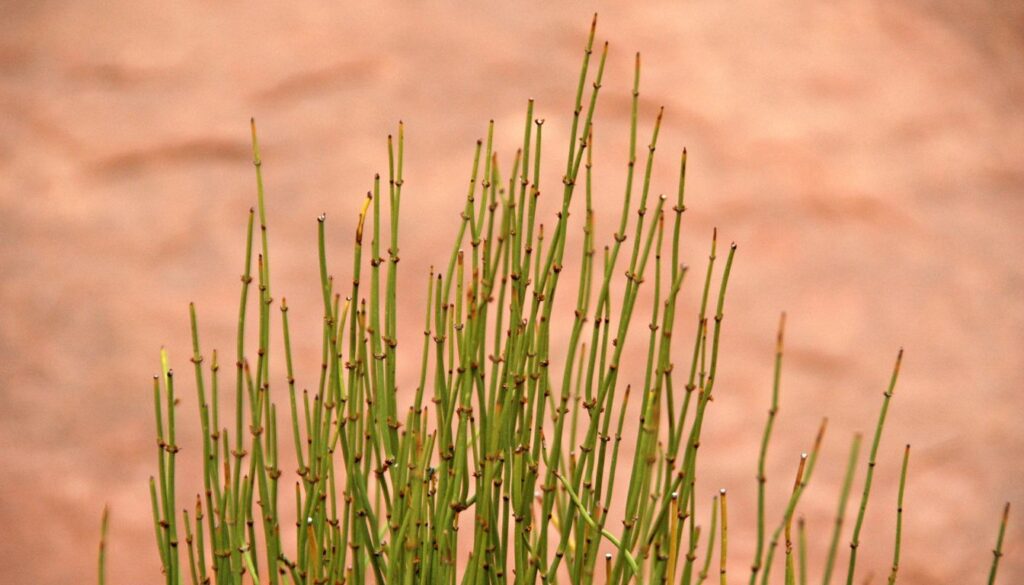
The plant adapts to arid environments and grows in a variety of soils, including sandy, rocky, and gravelly types. Its deep root system draws water from far below the surface. The leaves reduce to scales, while the green stems carry out photosynthesis. The stems often grow jointed and develop a woody texture. Ma Huang produces small, inconspicuous flowers that rely on wind for pollination. Its fruit forms as a small, dry, cone‑like structure that contains seeds.
Ma Huang fascinates botanists because it spreads widely across arid regions of the world. It belongs to the family Ephedraceae and includes about 65 species of shrubs. The plant adapts to harsh environments with its deep root system that draws water from the soil. Its stems often grow jointed and develop a woody texture. Ma Huang produces small, inconspicuous flowers that are wind-pollinated, and its fruit forms as a small, dry, cone‑like structure that contains seeds.
Pharmacology
Ma Huang contains several alkaloids, with ephedrine being the most abundant and well-known one. Other alkaloids found in Ephedra include pseudoephedrine, norephedrine, and methylephedrine.[1]
Ephedrine Alkaloids
Ephedrine alkaloids are sympathomimetic amines that stimulate the central nervous system by binding to adrenergic receptors. They are structurally similar to amphetamines and have both alpha and beta adrenergic activity.[2]
Mechanism of Action
Ephedrine alkaloids increase the release of norepinephrine from presynaptic nerve endings, thereby increasing sympathetic activity. This results in increased heart rate, blood pressure, and bronchodilator use.[3]
Interactions with Other Stimulants
Ephedrine alkaloids can interact with other stimulants, such as caffeine, to increase the risk of adverse effects on the cardiovascular system.[4]
Ma Huang contains several alkaloids, with ephedrine being the most abundant and well-known one. Ephedrine alkaloids are sympathomimetic amines that stimulate the central nervous system by binding to adrenergic receptors. They increase the release of norepinephrine from presynaptic nerve endings, thereby increasing sympathetic activity. Ephedrine alkaloids can interact with other stimulants, such as caffeine, to increase the risk of adverse effects on the cardiovascular system.
Health Benefits
Ephedra, also known as Mormon tea, has been used for centuries in traditional Chinese medicine to treat various conditions such as colds, fever, headaches, coughing, wheezing, and allergies. In recent years, it has gained popularity as a dietary supplement for weight loss and athletic performance.
Weight Loss
Ma Huang is believed to aid in weight loss by increasing metabolism and suppressing appetite. Its active compound, ephedrine, stimulates the central nervous system and increases the body’s metabolic rate, leading to an increase in calorie burn. However, it is important to note that the use of ephedra for weight loss is controversial and has been banned by the FDA due to safety concerns.
Athletic Performance
Ephedra has also been used by athletes to enhance performance. It is believed to increase energy levels and endurance, allowing athletes to train harder and longer. However, it is important to note that the use of ephedra for athletic performance is also controversial and has been banned by many sports organizations due to safety concerns.
Respiratory Support
Practitioners have traditionally used Ma Huang to treat respiratory conditions such as asthma and bronchitis. Its active compounds, ephedrine and pseudoephedrine, provide bronchodilator and decongestant properties. Health experts emphasize that using ephedra for respiratory support remains controversial and requires supervision from a healthcare professional.
Practitioners have also relied on Ma Huang for various health conditions, but its use as a dietary supplement for weight loss and athletic performance remains controversial. The FDA and many sports organizations banned it for these purposes. Health experts stress that people should only use Ma Huang for respiratory support under the guidance of a healthcare professional.
Safety and Regulation
As a dietary supplement, Ephedra has been the subject of much controversy and scrutiny due to its potential safety concerns. In the United States, the U.S. Food and Drug Administration (FDA) has banned the sale of dietary supplements containing ephedrine alkaloids due to serious side effects such as strokes, irregular heartbeat, heart palpitations, and even death.
FDA Oversight
The FDA has taken a strong stance on regulating Ephedra due to its potential health risks. In 2004, the FDA banned the sale of dietary supplements containing ephedrine alkaloids. Additionally, the FDA has issued warnings to consumers about the potential dangers of using Ephedra-containing products.
Adverse Effects and Contraindications
Ma Huang has been associated with several adverse effects, including vomiting, headache, seizures, heart attack, and stroke. Individuals with certain medical conditions, such as heart disease, high blood pressure, diabetes, and those taking certain medications, should avoid using Ephedra.
Legal Status
The United States prohibits the use of ephedra as a dietary supplement. Pharmacies and practitioners still provide it as a decongestant and in certain therapeutic settings. Health experts stress that although ephedra may deliver some therapeutic effects, people should only use it under the guidance of a medical professional.
In conclusion, ephedra may show some efficacy as a supplement, but its safety concerns led regulators to ban it as a dietary supplement in the United States. Health professionals advise people to seek medical guidance before using any complementary or alternative supplements and to purchase products only from reputable sources. For more information on the safety and regulation of ephedra, readers can consult the Office of Dietary Supplements (ODS) and the National Center for Complementary and Alternative Medicine.
Consumer Information
As a dietary supplement, Ephedra is used for weight loss and athletic performance. It is also used for allergies, nasal congestion, asthma, the common cold, headache, and other conditions. However, it is important to follow guidelines for use and purchasing to ensure safety and quality.
Guidelines for Use
Consult a doctor for medical advice before taking ephedra. The herb increases heart rate, which creates dangers for people with heart conditions or high blood pressure. Follow dosage instructions carefully, because taking too much can cause serious health problems.
California regulates ephedra as a food and requires manufacturers to label it with appropriate warnings. Read the label carefully before using ephedra, and avoid combining it with other stimulants or caffeine.
Purchasing and Quality Control
When purchasing Ephedra, it is important to buy from a reputable source. Look for a website or store that has good reviews and a history of selling high-quality supplements. It is also important to check for regulation and quality control measures, such as third-party testing and compliance with FDA guidelines.
To ensure safety, it is important to only purchase Ephedra from a trusted source and to follow guidelines for use carefully. By taking these precautions, users can safely and effectively use Ephedra as a dietary supplement.
Cultural and Social Considerations
As a substance with a long history of use in traditional medicine, Ephedra has cultural and social considerations that must be taken into account. In this section, I will discuss the impact of Ephedra on sports, public perception, and media.
Ephedra in Sports
Ma Huang has been used in sports for its potential to enhance athletic performance. However, this use has been controversial and has led to scrutiny from organizations such as the International Olympic Committee (IOC) and the National Football League (NFL). The IOC banned the use of Ephedra in 1999, and the NFL followed suit in 2001. Despite these bans, some athletes continue to use Ephedra as a performance-enhancing substance.
Public Perception and Media
The media has criticized Ma Huang for its potential side effects, including energy surges, anxiety, and nausea. Commentators have debated the use of botanicals such as ephedra, with some insisting that regulators should treat them as drugs. Critics have also challenged the use of ephedra as a weight loss supplement because researchers have not produced strong evidence to support its effectiveness.
Researchers have conducted placebo‑controlled studies to investigate the effects of ephedra at different doses. These studies show that ephedra can increase energy expenditure and promote weight loss, but they also reveal its potential to cause negative side effects.
Observers emphasize the need to consider the cultural and social implications of ephedra use. Practitioners have relied on it for centuries in traditional medicine, but athletes and dieters have used it controversially as a performance and weight loss aid. Researchers must continue studying ephedra to fully understand its effects and to guide regulatory decisions about its use.
Before You Go – Ephedra: Boost Metabolism and Lose Weight Now
Ephedra has attracted attention for its ability to boost metabolism and suppress appetite, but its risks make it one of the most controversial herbal remedies. While some people have used ephedra for weight loss and increased energy, health experts warn that side effects can include high blood pressure, heart palpitations, insomnia, and, in rare cases, serious cardiovascular events.
If you are considering ephedra, remember:
- It may increase energy and calorie burn.
- It carries significant health risks, especially for the heart and nervous system.
- Many countries have banned or restricted ephedra supplements.
- Safer alternatives such as balanced nutrition, regular exercise, and stress management remain the most reliable ways to support weight loss.
Ephedra shows that “natural” does not always mean “safe.” Always consult a healthcare provider before trying ephedra or any supplement, especially if you have underlying health conditions or take medications.
Don’t forget to add theherbprof.com homepage to your favourites so you don’t miss out on future articles!
Footnotes
- Ephedrae Herba: A Review of Its Phytochemistry, Pharmacology, Clinical Application, and Alkaloid Toxicity
- Ephedra: Uses, Interactions, Mechanism of Action | DrugBank Online
- Phytochemistry and pharmacology of genus Ephedra – PubMed
- Ephedrae herba: A comprehensive review of its traditional uses … – PubMed
References – Ephedra: Boost Metabolism and Lose Weight Now
Little Herb Encyclopedia, by Jack Ritchason; N.D., Woodland Publishing Incorporated, 1995
The Ultimate Healing System, Course Manual, Copyright 1985, Don Lepore
Planetary Herbology, Michael Tierra, C.A., N.D., Lotus Press, 1988
Handbook of Medicinal Herbs, by James A. Duke, Pub. CRP Second Edition 2007
The Complete Medicinal Herbal, by Penelope Ody, Published by Dorling Kindersley
Check the Following Articles
Corn Silk Benefits: A Natural Fiber Rich in Antioxidants
Damiana Benefits: The Amazing Herb With Energy Boost
Dandelion Root Benefits: A Weed or a Wonder Plant
Echinacea Benefits: The Miracle Immune-Boosting Herb
Frequently Asked Questions – Ephedra: Boost Metabolism and Lose Weight Now
What are the medicinal uses of Ephedra?
Practitioners of traditional Chinese medicine have used ephedra for centuries to treat respiratory conditions such as asthma, bronchitis, and hay fever. People also use it as a stimulant to increase energy and alertness.
What are the potential side effects associated with Ephedra consumption?
Ephedra can cause several side effects, including increased blood pressure, heart palpitations, insomnia, nervousness, and headaches. In rare cases, people have experienced more serious effects such as a heart attack, stroke, and seizures.
How does Ephedra contribute to weight loss?
Ephedra may promote weight loss by increasing metabolism and suppressing appetite. Researchers have not proven its effectiveness for weight loss, and many countries have banned its use for this purpose.
What is the difference between Ephedra and ephedrine?
Ephedra is a plant that contains several alkaloids, including ephedrine. Manufacturers produce ephedrine synthetically and include it in some over‑the‑counter medications for asthma and nasal congestion.
What are the legal statuses of Ephedra in various countries?
Countries regulate ephedra differently. In the United States, authorities banned the sale of dietary supplements containing ephedra in 2004. In Canada, regulators classify ephedra as a natural health product and allow sales with certain restrictions. Other countries prohibit ephedra entirely.
How do Ephedra supplements compare to the natural plant?
Manufacturers create ephedra supplements from plant extracts that may contain varying amounts of ephedrine and other alkaloids. The potency and purity of these supplements often vary, and some products include adulterated substances. Natural plants provide a mix of alkaloids at varying concentrations and generally pose fewer risks than concentrated supplements. Still, using ephedra in any form carries potential dangers, so people should approach it with caution.