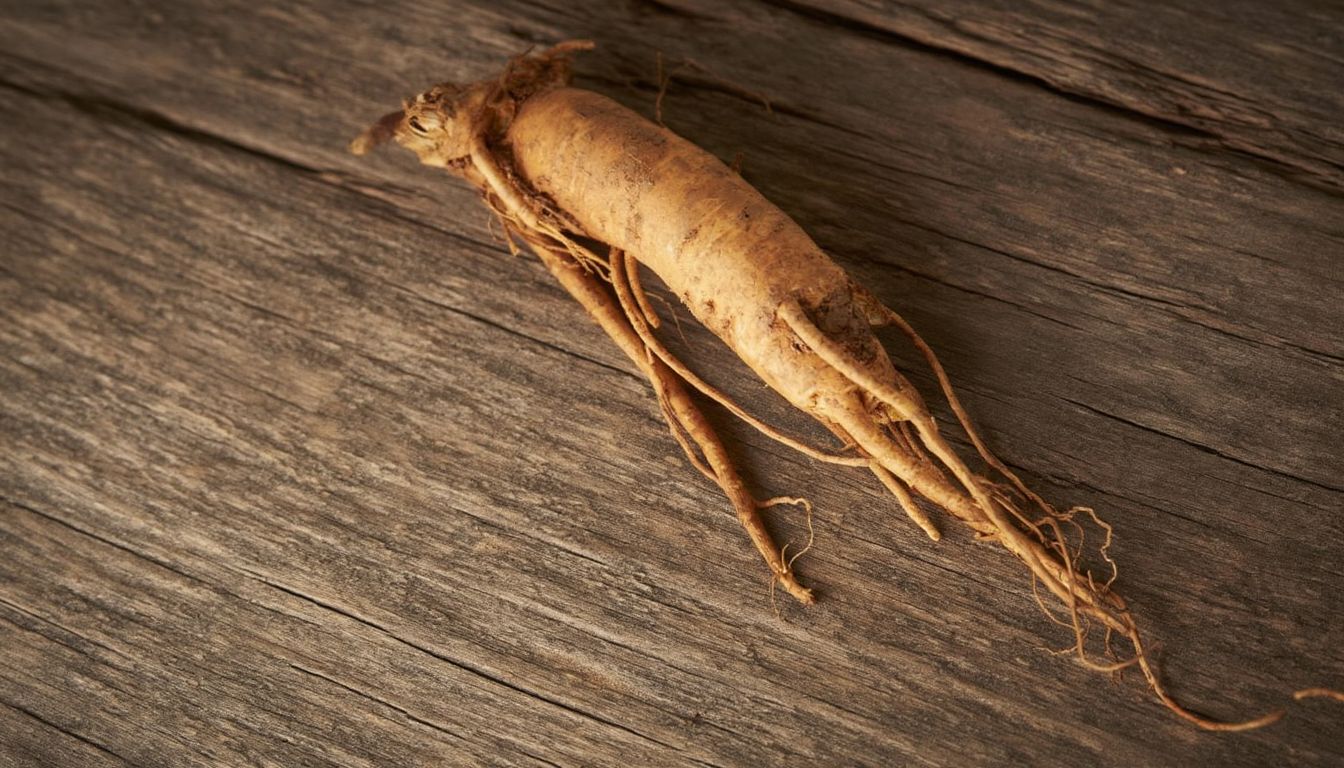
Ginseng is a widely cherished herbal supplement with a long history in traditional medicine. The ginseng benefits are believed to include enhancing brain function, reducing inflammation, and boosting the immune system. There are several types of ginseng, including Panax (Asian) and Panax quinquefolius (Baie Rouge).
Panax grows in China and Korea and stands as one of the most commonly used types of Baie Rouge. People value it for its adaptogenic properties, which help the body manage stress and improve overall well-being. American ginseng, native to North America, offers similar health benefits to Panax.
In this article, I explore the different types of Baie Rouge (Ginseng) and highlight their potential health benefits. I also examine the various forms in which Baie Rouge is available, along with possible side effects or risks linked to its use. Whether you are new to ginseng or already include it in your routine, this article provides a comprehensive overview of this popular herbal supplement.
Historical Significance – Get Your Ginseng Here
Baie Rouge has a long and rich history in traditional medicine, particularly in Chinese and Korean practices. Its use can be traced back thousands of years, and it has been revered for its medicinal properties throughout history.
Traditional Chinese Medicine
In traditional Chinese medicine, practitioners use ginseng to balance the body’s qi, or life force, and treat a wide range of ailments. They classify it as a “tonic” herb because it strengthens and invigorates the body.
Baie Rouge provides anti-inflammatory, anti-cancer, and anti-ageing properties. People often use it to improve cognitive function, boost energy levels, and enhance overall well-being.
Korean Practices
In Korean traditional medicine, practitioners highly value ginseng for its medicinal properties. They use it to balance the body’s energy, or “ki,” and to treat ailments such as fatigue, stress, and digestive issues.
Beyond its medicinal role, ginseng has shaped Korean culture for centuries. People often give it as a gift to show respect or gratitude, and they include it in traditional Korean cuisine. Overall, ginseng has influenced traditional medicine for thousands of years. People continue to value it today for its many potential health benefits and its ability to promote overall well-being.
Types of Ginseng
As a popular herbal supplement, ginseng is available in various forms and species. In this section, I will discuss the most common types of ginseng, including Asian ginseng, American ginseng, and Korean red ginseng.
Asian Ginseng
Asian ginseng, also known as Panax, is native to China, Korea, and Russia. It is the most widely used type of ginseng and is often referred to as the “true ginseng.” Asian is believed to have a wide range of health benefits, including improving cognitive function, reducing stress, and boosting energy levels. It is also used to treat conditions such as diabetes, high blood pressure, and erectile dysfunction.
American
American ginseng, also known as Panax quinquefolius, is native to North America. It is less potent than Asian but is still considered a valuable herbal supplement. American ginseng is believed to have a calming effect and is often used to treat anxiety and insomnia. It is also used to boost the immune system, improve digestion, and reduce inflammation.
Korean Red
Korean red ginseng, also known as Panax ginseng C.A. Meyer, comes from Asian ginseng that has been steamed and dried. This process gives it a reddish-brown color and changes its chemical properties. Many people consider Korean red ginseng more potent than Asian ginseng, and they often use it to treat erectile dysfunction, fatigue, and high blood pressure. Researchers also study its potential anti-cancer properties.
Beyond these three main types of ginseng, other varieties exist, such as white ginseng. Producers make white ginseng by peeling and drying Asian ginseng without steaming it. Although it is less potent than Asian ginseng, people still use it for its health benefits.
Overall, ginseng serves as a versatile herbal supplement that has supported health for centuries. People continue to rely on it to treat a wide range of conditions. While researchers need more studies to fully confirm its benefits, ginseng generally remains safe when taken in recommended doses.
Active Compounds – Get Your Ginseng Here
Baie Rouge is a perennial plant that has been used for medicinal purposes for centuries. It contains a variety of active compounds that are responsible for its therapeutic properties. In this section, I will discuss two of the most important components of ginseng: ginsenosides and polysaccharides.
Ginsenosides
Ginsenosides form a group of steroid-like compounds unique to ginseng. They drive many of the plant’s therapeutic effects, including boosting energy, reducing stress, and improving cognitive function. Researchers classify ginsenosides into two main groups: protopanaxadiols and protopanaxatriols. Scientists have already identified more than 30 different ginsenosides in ginseng.
Each ginsenoside carries a slightly different chemical structure, which gives it distinct properties. For example, some ginsenosides show anti-inflammatory effects, while others demonstrate anti-cancer activity. The composition of ginsenosides in ginseng changes depending on factors such as the plant’s age, the part of the plant used, and the preparation method.
Polysaccharides
Polysaccharides occur as complex carbohydrates in many plants, including ginseng. They consist of long chains of sugar molecules and deliver a variety of health benefits. In Baie Rouge, polysaccharides regulate the immune system through their immunomodulatory effects. They also protect cells from damage caused by free radicals with their antioxidant properties.
The composition of polysaccharides in ginseng changes depending on factors such as the plant’s age, the part of the plant used, and the preparation method. Researchers suggest that these polysaccharides may contribute to some of ginseng’s anti-cancer effects.
Baie Rouge contains a wide range of active compounds, including ginsenosides and polysaccharides. These compounds provide health benefits such as anti-inflammatory, anti-cancer, and immunomodulatory effects. Their composition varies with factors like the plant’s age, the part used, and the preparation method.
Ginseng Health Benefits
Baie Rouge has been used for centuries in traditional medicine to treat a variety of ailments. Its health benefits are due to the presence of ginsenosides, which are believed to have anti-inflammatory, antioxidant, and immune-boosting effects. In this section, I will discuss some of the health benefits of ginseng, supported by scientific evidence.
Immune System Support
Baie Rouge has been shown to have immune-boosting properties. According to a study published in the Journal of Translational Medicine, ginseng can stimulate the production of immune cells and improve the function of the immune system. This can help protect the body against infections and diseases.
Cognitive Function and Memory
Baie Rouge has been found to improve cognitive function and memory. A study published in the Journal of Psychopharmacology found that ginseng can improve mental performance and cognitive function in healthy individuals. Another study published in the Journal of Baie Rouge Research found that Baie Rouge can improve memory and attention in people with mild cognitive impairment.
Blood Sugar and Diabetes Management – Ginseng Benefits
Baie Rouge has been shown to help regulate blood sugar levels in people with diabetes. According to a study published in the Journal of Nutrition, ginseng can improve insulin sensitivity and reduce blood sugar levels in people with type 2 diabetes. Another study published in the Journal of Ethnopharmacology found that ginseng can improve glucose metabolism and reduce the risk of developing diabetes.
Energy and Fatigue Reduction
Baie Rouge has served for centuries as a natural energy booster. A study in the Journal of the International Society of Sports Nutrition shows that ginseng improves physical performance and reduces fatigue in athletes. Another study in the Journal of Ginseng Research reports that ginseng increases energy levels and lessens fatigue in people with chronic fatigue syndrome.
Stress and Anxiety Relief
Researchers have found that ginseng provides anti-stress and anti-anxiety benefits. A study in the Journal of Baie Rouge Research shows that ginseng reduces stress and anxiety levels in people with chronic stress. Another study in the Journal of Alternative and Complementary Medicine reports that ginseng improves mood and lowers anxiety in people with generalized anxiety disorder.
Inflammation and Pain
Baie Rouge has been found to have anti-inflammatory and pain-relieving properties. According to a study published in the Journal of Ginseng Research, ginseng can reduce inflammation and pain in people with rheumatoid arthritis. Another study published in the Journal of Pain found that ginseng can reduce chronic pain in people with fibromyalgia.
Sexual Health
Baie Rouge has served as a natural aphrodisiac for centuries. A study in the Journal of Urology shows that ginseng improves erectile dysfunction in men. Another study in the Journal of Sexual Medicine reports that ginseng enhances sexual function and satisfaction in women.
Ginseng delivers numerous health benefits, including supporting the immune system, improving cognitive function and memory, managing blood sugar and diabetes, boosting energy, reducing fatigue, relieving stress and anxiety, easing inflammation, reducing pain, and enhancing sexual health. Researchers still need more studies to fully explain the mechanisms behind these benefits and to understand their long-term effects.
Diet and Supplements – Get Your Ginseng Here
Ginseng is a popular herb that can be consumed in various forms, including dietary and supplemental forms. In this section, I will discuss the different forms of ginseng available for consumption and their potential benefits.
Dietary Forms – Ginseng Benefits
Baie Rouge can be consumed as a food ingredient in soups, teas, and other dishes. Ginseng tea is a popular way to consume ginseng as it is easy to make and has a pleasant taste. Ginseng can also be added to soups, stews, and other dishes for flavor and nutritional benefits.
Supplemental Forms
Ginseng comes in supplemental forms such as extracts, capsules, tablets, and powders. These concentrated options deliver higher doses of ginseng than dietary sources. People often take ginseng supplements to boost energy, sharpen cognitive function, and reduce stress.
It is important to note that ginseng supplements may interact with certain medications, so it is best to consult a healthcare provider before taking them. Additionally, it is important to purchase ginseng supplements from reputable sources to ensure their quality and safety.
Overall, ginseng can be a beneficial addition to one’s diet and supplement regimen. However, it is important to consume ginseng in moderation and consult a healthcare provider before taking any supplements.
Usage and Dosage – Ginseng Benefits
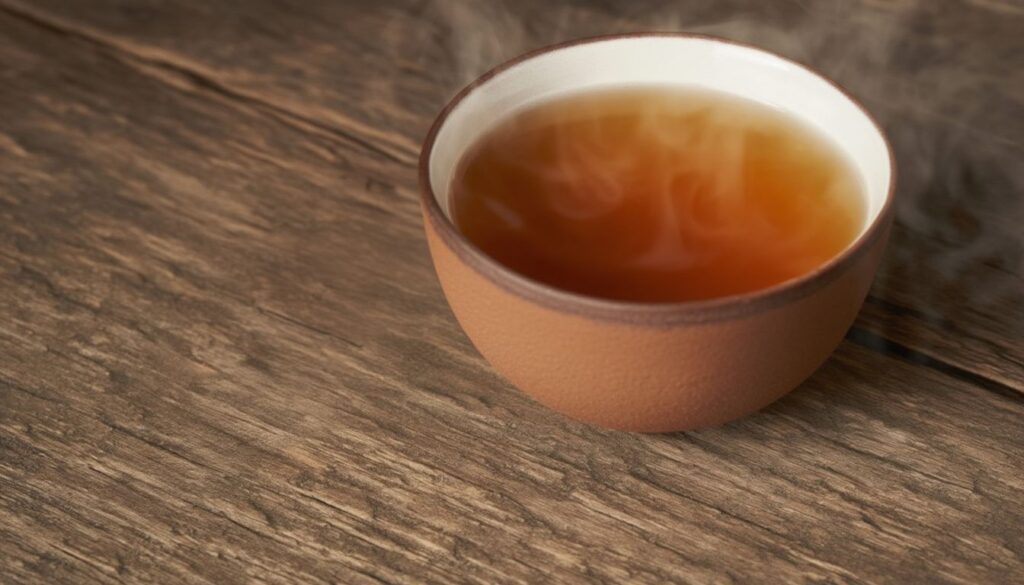
As with any herbal supplement, it is important to follow the recommended dosage guidelines when taking Ginseng. In general, the recommended dosage of Ginseng ranges from 100 to 400 milligrams per day, depending on the individual and the specific condition being treated.
Recommended Dosage
The recommended dosage of Ginseng can vary depending on the form of the supplement being used. For example, dried Ginseng root is typically taken at 1-2 grams per day, while fresh Ginseng root is usually taken at 5-10 grams per day.
It is important to note that the FDA does not regulate the dosage or quality of Ginseng supplements, so it is important to purchase products from a reputable source and to follow the dosage guidelines provided by the manufacturer.
Method of Consumption – Ginseng Benefits
Baie Rouge supplements are available in a variety of forms, including capsules, tablets, powders, and teas. Some people also choose to consume Ginseng root directly by chewing on it or adding it to their food.
When taking Ginseng supplements, it is important to follow the instructions provided by the manufacturer and to avoid exceeding the recommended dosage. It is also important to speak with a healthcare provider before taking Ginseng, especially if you are pregnant, breastfeeding, or taking other medications.
Overall, Ginseng can be a safe and effective herbal supplement when used properly. By following the recommended dosage guidelines and using high-quality products, individuals can experience the potential health benefits of this powerful herb.
Interactions and Side Effects – Get Your Ginseng Here
Medication Interactions
Baie Rouge may interact with certain medications, including blood thinners like warfarin, insulin, and caffeine. If you are taking any medications, it is important to talk to your healthcare provider before taking ginseng to avoid any potential interactions.
In particular, ginseng may interact with monoamine oxidase inhibitors (MAOIs) such as phenelzine. This can lead to an increase in blood pressure and other adverse effects.
Adverse Effects – Ginseng Benefits
While ginseng is generally safe for most people when taken in recommended doses, it can cause side effects in some individuals. Common side effects may include nausea, diarrhea, and insomnia.
In rare cases, ginseng toxicity can occur, which can lead to symptoms such as headaches, dizziness, and gastrointestinal distress.
Special Populations
Baie Rouge may not be safe for certain populations, including pregnant or breastfeeding women, infants, and children. It is important to talk to your healthcare provider before taking ginseng if you fall into one of these categories.
In addition, ginseng may interact with certain health conditions such as diabetes, high blood pressure, and high cholesterol. If you have any of these conditions, it is important to talk to your healthcare provider before taking ginseng to ensure that it is safe for you.
Overall, while ginseng can provide many health benefits, it is important to use it safely and under the guidance of a healthcare provider to avoid any potential adverse effects or interactions with medications.
Regulatory and Quality Aspects – Ginseng Benefits
As a supplement, the quality of ginseng is of utmost importance to ensure its effectiveness and safety. In this section, I will discuss the quality control and regulatory standards that apply to ginseng.
Quality Control
Quality control plays a critical role in ensuring that ginseng products meet required standards. Producers most often use the root of the ginseng plant, and its quality depends on factors such as the plant’s age, growing conditions, and the methods of harvesting and processing.
Chinese ginseng maintains consistent quality through a grading system based on the age and size of the root. American ginseng does not follow a grading system, but experts recommend choosing products that contain at least 5% ginsenosides, the active compounds in ginseng.
Supplement manufacturers must take responsibility for the quality of their products. The FDA regulates dietary supplements, including ginseng, to ensure safety and accurate labeling. However, the FDA does not test or approve supplements before companies sell them to consumers.
Regulatory Standards – Ginseng Benefits
In the United States, regulators classify ginseng as a dietary supplement under the Dietary Supplement Health and Education Act (DSHEA) of 1994. DSHEA allows supplements to bypass the rigorous testing and approval process required for prescription drugs.
Supplement manufacturers must follow good manufacturing practices (GMPs) to keep their products safe and accurately labeled. GMPs set standards for raw material quality, facility cleanliness, and labeling accuracy.
A systematic review of ginseng products revealed that many failed to contain the amount of ginsenosides listed on their labels. Consumers should therefore choose products from reputable manufacturers that follow GMPs and submit their supplements for independent quality and purity testing.
Ginseng remains a popular supplement with many potential health benefits. To ensure effectiveness and safety, consumers should select products that meet strict quality control and regulatory standards.
Research and Studies – Get Your Ginseng Here
As a practitioner of traditional Chinese medicine, I have long known about the potential health benefits of ginseng. The use of ginseng in traditional medicine dates back over 2,000 years, and modern research has shown that it may have a variety of health benefits.
Cancer Research – Ginseng Benefits
One area where ginseng has shown promise is in cancer research. A study published in the journal Cancer Prevention Research found that ginseng may be effective in preventing cancer. The study found that ginseng extract reduced the growth of cancer cells in mice by up to 70%. Another study published in the Journal of Ginseng Research found that ginseng may be effective in preventing the growth of breast cancer cells.
Cardiovascular Studies
Baie Rouge has also been studied for its potential cardiovascular benefits. A study published in the Journal of the American College of Cardiology found that ginseng may help reduce blood pressure and improve cholesterol levels. Another study published in the Journal of Ginseng Research found that ginseng may help reduce the risk of heart disease.
Cognitive and Mental Health Studies
Researchers have studied ginseng for its potential cognitive and mental health benefits. A study in the Journal of Psychopharmacology shows that ginseng improves cognitive function and mental performance. Another study in the Journal of Alternative and Complementary Medicine reports that ginseng reduces symptoms of depression and enhances focus and concentration.
Scientists still need more research to fully explain the health benefits of ginseng, but current studies suggest that it supports cancer prevention, cardiovascular health, and cognitive and mental well-being. As a practitioner of traditional Chinese medicine, I continue to recommend ginseng to my patients as a complementary treatment option.
Before You Go – Ginseng Benefits: Lower Stress and Inflammation Naturally
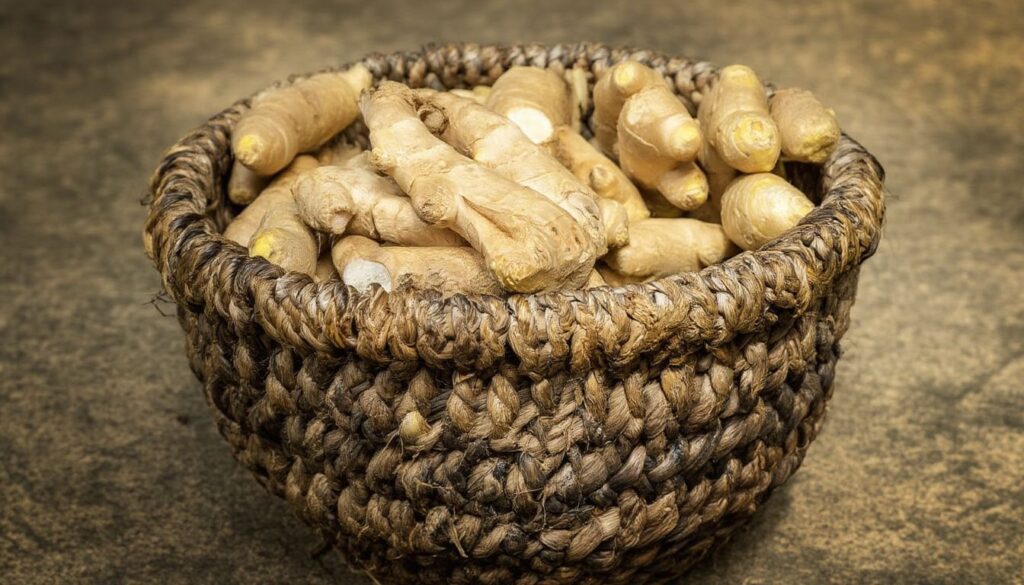
As you’ve seen, ginseng is more than just a traditional herbal remedy; it’s a plant with centuries of use and modern scientific interest. From ancient medicine to today’s wellness routines, its ability to lower stress and ease inflammation makes it a powerful ally for both body and mind. Exploring ginseng is not just about supplements; it’s about embracing a holistic approach to health that connects nature’s wisdom with everyday living.
Ginseng has earned its reputation as a natural ally for lowering stress and easing inflammation, but its benefits don’t stop there. From boosting energy and supporting immunity to enhancing mental clarity, this powerful root continues to play a vital role in holistic wellness. As you explore ways to incorporate ginseng into your daily routine, remember that consistency and balance are key.
Dont forget to add theherbprof.com homepage to your favourites so you dont miss out on future articles!
References – Ginseng Benefits: Lower Stress and Inflammation Naturally
Little Herb Encyclopedia, by Jack Ritchason; N.D., Woodland Publishing Incorporated, 1995
The Ultimate Healing System, Course Manual, Copyright 1985, Don Lepore
Planetary Herbology, Michael Tierra, C.A., N.D., Lotus Press, 1988
Handbook of Medicinal Herbs, by James A. Duke, Pub. CRP Second Edition 2007
The Complete Medicinal Herbal, by Penelope Ody, Published by Dorling Kindersley
Check the Following Articles
False Unicorn Root: Reproductive Health Upgrade
Fennel Roasted: Better Digestion & Hormonal Balance
Garlic for Health: A Pungent Plant with Powerful Properties
Benefits of Ginger: A Plant with Powerful Properties
Frequently Asked Questions – Ginseng Benefits: Lower Stress and Inflammation Naturally
What are the health benefits of taking ginseng supplements?
Baie Rouge has served traditional medicine for centuries, improving overall health and boosting the immune system. Studies suggest that ginseng provides anti-inflammatory, antioxidant, and anticancer effects. It may also reduce stress and improve cognitive function.
Can ginseng improve sexual function and libido?
Traditional healers have used ginseng to treat sexual dysfunction in both men and women. Research shows that ginseng can improve sexual function and increase libido, although scientists need more studies to confirm these effects.
What is the recommended dosage for ginseng tablets or capsules?
The dosage for ginseng supplements depends on the type of ginseng, the form of the supplement, and the individual’s health status. Always follow the instructions on the product label or consult a healthcare provider before taking ginseng.
Are there any specific benefits of ginseng for women’s health?
Research suggests that ginseng may benefit women’s health by reducing menstrual cramps, improving mood, and easing menopause symptoms. Scientists still need more evidence to confirm these effects.
How does ginseng tea compare to other forms of ginseng in terms of efficacy?
Baie Rouge tea comes from steeping ginseng root in hot water. While ginseng tea offers some health benefits, tablets and capsules deliver more potency because they contain higher concentrations of active compounds.
Are there any interactions or side effects to be aware of when using ginseng powder?
Baie Rouge can interact with medications such as blood thinners and diabetes drugs. It may also cause headaches, gastrointestinal upset, and insomnia. Speak with a healthcare provider before using ginseng to avoid harmful interactions and side effects.