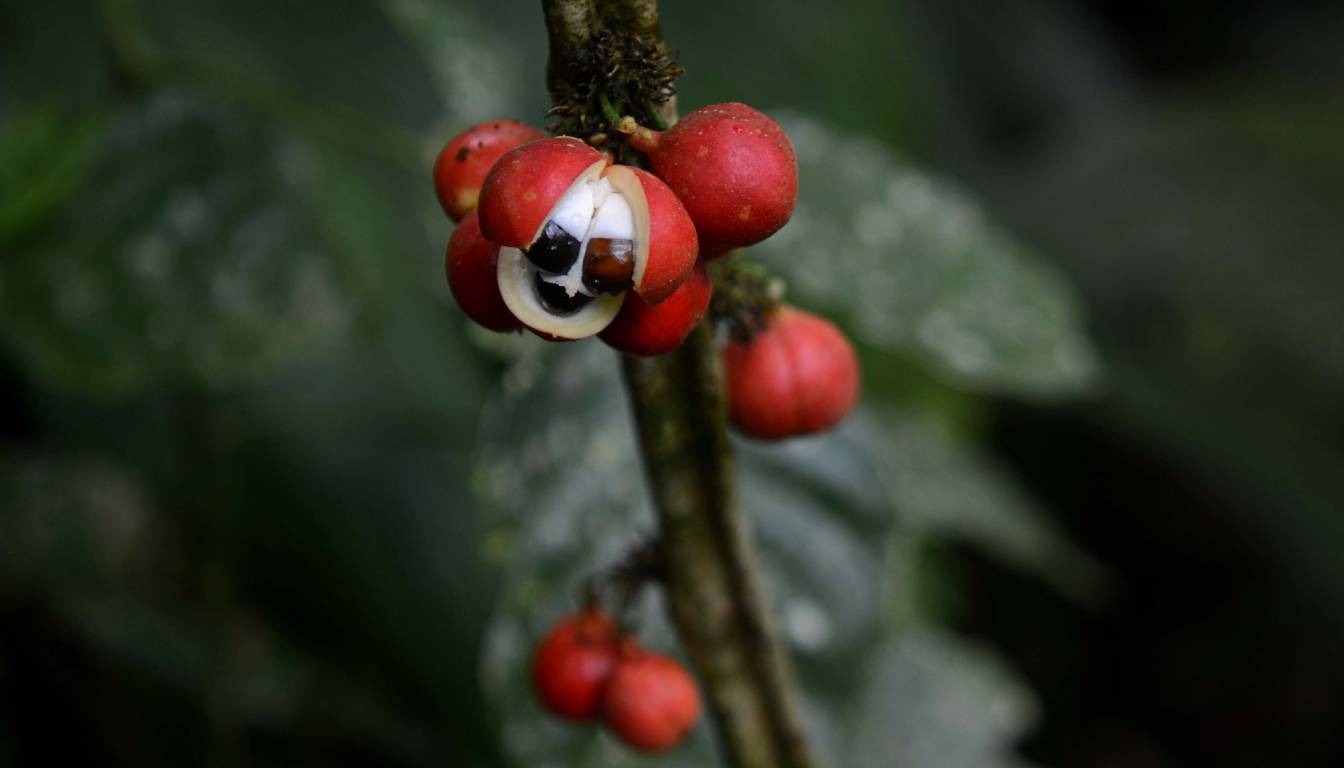
Widely known as guarana and scientifically identified as Paullinia cupana, this plant is native to the Amazon region. Used for centuries by indigenous tribes, it is known for its stimulating effects. The plant contains caffeine and other compounds that provide a range of health benefits. Guarana is commonly found in energy drinks, supplements, and teas.
Paullinia cupana is best recognized for its ability to reduce fatigue and sharpen focus. A study published in the Journal of Psychopharmacology showed that guarana improved cognitive performance and mood in healthy adults. The plant also provides antioxidant properties that help protect the body against oxidative stress. At the same time, consuming guarana excessively can cause adverse effects such as insomnia, anxiety, and high blood pressure.
Overall, guarana remains a fascinating plant with a long history of use in traditional medicine. While it offers promising health benefits, individuals should consume it in moderation and consult a healthcare professional before using it as a supplement.
Historical Significance
Guarana has a rich history and cultural significance in the Amazon basin, which has been used for centuries for its stimulating properties. In this section, I will discuss the origin and cultivation of guarana, as well as its traditional uses.
Origin and Cultivation
Guarana grows as a climbing plant native to the Amazon basin in South America. Farmers cultivate it primarily in Brazil, where indigenous tribes have relied on it for centuries. The Sateré-Maué tribe, in particular, maintains a long history with guarana and receives credit for domesticating the plant.
Legend tells that the gods gifted the Sateré-Maué tribe with the guarana plant. They believed the plant carried the power to give strength and energy, and they used it in religious ceremonies as well as medicine. Over time, the tribe cultivated guarana and developed a method to process its seeds into a fine powder.
Today, growers in Brazil continue to produce guarana as an important crop. The plant thrives in warm, humid climates with well-drained soil, and cultivators typically grow it in the shade of larger trees. Workers harvest the seeds by hand, dry and roast them, and then process them into powder.
Guarana Traditional Uses
Paullinia cupana carries a long history of use in traditional medicine and as a stimulant. Its seeds contain high levels of caffeine and other natural stimulants, and people often use them to fight fatigue and sharpen mental alertness.
Beyond its stimulant properties, guarana serves many other purposes. Practitioners believe it provides anti-inflammatory and antioxidant effects, and they use it to treat conditions such as headaches, fever, and diarrhea. People also turn to guarana as an aphrodisiac and rely on it to improve sexual function.
Overall, guarana has shaped the culture and history of the Amazon basin. Its stimulating qualities have made it a valuable commodity for centuries, and researchers continue to study and explore its traditional uses today.
Botanical Characteristics
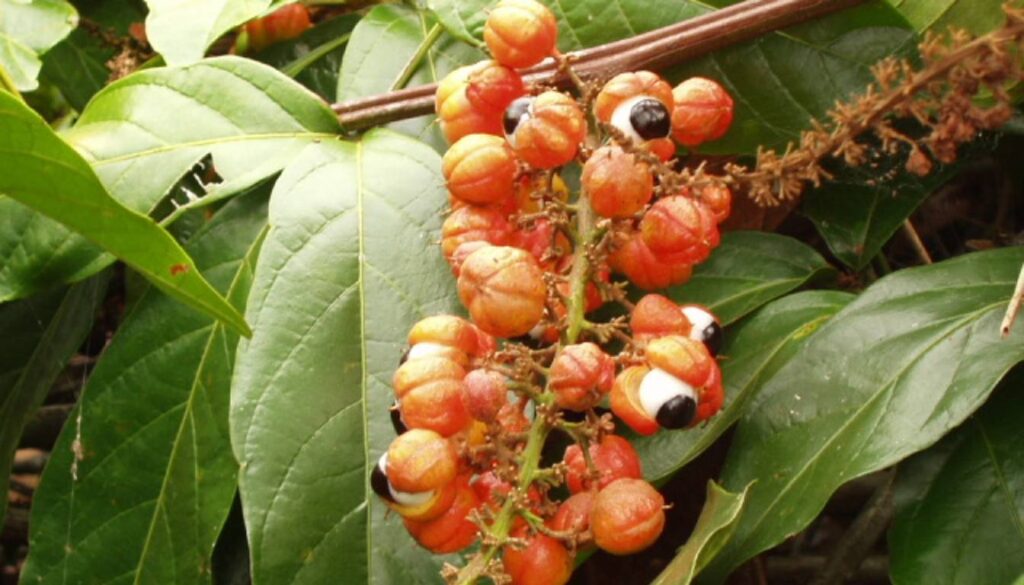
I find this plant fascinating. Guarana, or Paullinia cupana, grows as a climbing shrub and vine in the Amazon jungle. Its stem appears yellowish brown, long, woody, and flexible. This shrub climbs up to 10 meters high, which makes harvesting extremely difficult. The guarana plant develops large leaves with five oblong-oval leaflets and produces clusters of short-stalked flowers. Its fruit reaches about the size of a grape and usually holds a single seed shaped like a tiny horse chestnut.
Guarana Seed
The Guarana seed is the most important part of the plant. It is used for its stimulating properties and is commonly found in energy drinks, supplements, and weight loss products. The seed contains caffeine, theobromine, and theophylline, which are all natural stimulants. Guarana contains twice the amount of caffeine as coffee beans. They are also rich in antioxidants, tannins, and other beneficial compounds.
Plant Properties
The guarana plant offers many interesting properties. It naturally suppresses appetite, which makes it valuable for weight loss. It also boosts energy, which makes it useful for athletes and individuals who need an extra lift during the day. In addition, the guarana plant supports cognitive health by improving memory, focus, and mental clarity.
The guarana plant remains fascinating because of its wide range of benefits. Its seeds contain natural stimulants and antioxidants, which make them a popular ingredient in energy drinks and supplements. People recognize guarana for its appetite-suppressing, energy-boosting, and cognitive-enhancing qualities. As a botanist, I look forward to continuing my study of the guarana plant and exploring its many uses.
Health and Nutrition
basin. It is known for its high caffeine content and is commonly used in energy drinks and supplements.
Guarana Nutritional Profile
Guarana is a good source of several nutrients, including potassium, magnesium, and vitamin C. It also contains small amounts of calcium, iron, and zinc. A 1-ounce (28-gram) serving of Paullinia cupana seeds contains approximately:
- Calories: 101
- Protein: 3 grams
- Fat: 0.6 grams
- Carbohydrates: 22 grams
- Fiber: 4 grams
Antioxidant Content
Guarana provides a rich source of antioxidants, compounds that protect the body against cellular damage caused by free radicals. Researchers have shown that Paullinia cupana contains higher levels of antioxidants than green tea, which highlights its powerful protective qualities.
One of the antioxidants in guarana is theobromine, a compound also present in chocolate. Studies show that theobromine improves heart health and reduces inflammation, adding to guarana’s wide range of benefits.
Another antioxidant in Paullinia cupana is theophylline, which demonstrates anti-inflammatory and bronchodilator effects. These properties help improve respiratory function and may reduce symptoms of asthma.
Paullinia cupana stands out as a nutrient-dense plant packed with antioxidants. It delivers energy and serves as a healthy addition to the diet when consumed in moderation.
Benefits and Uses
I often receive questions about the health benefits of guarana. This tropical plant grows in the Amazon and has earned recognition for its stimulating properties.
Guarana originates from the Amazon basin and serves widely as a natural stimulant because of its high caffeine content. People use it as a supplement to promote energy, support weight loss, and enhance athletic performance. They also rely on guarana to improve cognitive function and strengthen mental performance.
Energy and Alertness
Paullinia cupana is a popular ingredient in energy drinks and supplements due to its caffeine content. It works by stimulating the central nervous system, which can increase alertness and reduce fatigue. It is also believed to improve reaction time and enhance mood. However, it is important to note that excessive caffeine intake can lead to adverse effects such as anxiety, insomnia, and increased heart rate.
Weight Management
People often use guarana as a weight loss supplement because of its thermogenic properties. Researchers believe that Paullinia cupana boosts metabolism and increases the rate at which the body burns calories. Guarana may also suppress appetite and reduce cravings, which can support weight loss efforts. However, scientists emphasize that limited evidence exists to confirm these claims.
Athletic Performance
Guarana is believed to improve athletic performance by increasing endurance and reducing fatigue. It is also thought to enhance physical strength and power output. However, more research is needed to confirm these effects.
Cognitive Functions
Paullinia cupana is believed to enhance cognitive functions such as memory, focus, and concentration. It is thought to work by increasing blood flow to the brain and stimulating the release of neurotransmitters such as dopamine and acetylcholine. However, more research is needed to confirm these effects.
Overall, guarana has a range of potential benefits and uses, particularly in promoting energy, weight loss, and athletic performance, as well as cognitive and mental performance. However, it is important to use it in moderation and consult with a healthcare professional before taking any supplements.
Potential Side Effects
As with any supplement or medication, Guarana can cause potential side effects. Some of the most common side effects are related to its caffeine content. Paullinia cupana contains more caffeine than coffee, and as such, it can cause caffeine sensitivity in some individuals.
Caffeine Sensitivity
Individuals who are sensitive to caffeine may experience anxiety, insomnia, high blood pressure, seizures, heart disease, or other related symptoms. Pregnant women are advised to avoid Guarana due to its high caffeine content, which may lead to complications during pregnancy.
Interactions with Medications
Paullinia cupana may interact with certain medications, including dipyridamole, ephedrine, estrogens, and lithium. These interactions may lead to unwanted side effects, so it is important to talk to a doctor before taking Paullinia cupana if you are on any medications.
Overconsumption Risks
Overconsuming guarana can cause adverse effects such as diarrhea, vomiting, nausea, increased heart rate, and bleeding disorders. Individuals with irritable bowel syndrome (IBS) should approach Paullinia cupana cautiously, since it may worsen their symptoms.
Consumers must also recognize that Paullinia cupana does not fall under FDA regulation, which means the quality and purity of guarana supplements can vary. To reduce the risk of side effects, buyers should choose supplements from reputable sources and follow the recommended dosage instructions carefully.
Comparative Analysis

Guarana vs. Other Stimulants
As a natural source of caffeine, guarana delivers stimulation beyond caffeine alone. Researchers conducting a study on the planarian model found that guarana provided an additional short-term increase in planarian locomotor velocity (pLmV) compared to caffeine alone [1].
When compared to other stimulants, Paullinia cupana contains less caffeine than coffee but more than green tea. The plant also carries other compounds that strengthen its stimulating effects, including theophylline and theobromine [2].
Caffeine Content Comparison
One of the primary reasons people choose guarana as a stimulant lies in its caffeine content. Although Paullinia cupana contains less caffeine than coffee, it still delivers a significant amount. The caffeine level in guarana varies with the preparation method, but it typically ranges between 3.6% and 5.8% [3].
When compared to other sources of caffeine, Paullinia cupana matches yerba mate in caffeine content and surpasses green tea. Unlike coffee, guarana releases its caffeine more slowly, which provides a longer-lasting source of energy [2].
Paullinia cupana offers a natural source of caffeine along with other compounds that enhance its stimulating effects. Even though it contains less caffeine than coffee, it still delivers a substantial amount and sustains energy for longer periods. In comparison with other sources, guarana aligns with yerba mate in caffeine levels but exceeds green tea.
[1] https://www.ncbi.nlm.nih.gov/pmc/articles/PMC4399916/
[2] https://ift.onlinelibrary.wiley.com/doi/abs/10.1111/1541-4337.12862
[3] https://www.ncbi.nlm.nih.gov/pmc/articles/PMC9865053/
Regulatory and Safety Considerations
FDA Stance
As a dietary ingredient, Paullinia cupana is regulated by the U.S. Food and Drug Administration (FDA). According to the FDA, guarana is generally recognized as safe (GRAS) for use in foods at concentrations of up to 0.02%, or 200 milligrams per kilogram of body weight per day. However, the FDA has not approved guarana as a drug to prevent or treat any medical condition.
Safe Usage Guidelines
Most people can use guarana safely, but they must take it responsibly and under the guidance of a healthcare provider. Pregnant and breastfeeding women, children, and older adults should approach guarana supplements with caution, since researchers have conducted limited studies on their safety in these groups.
When taking Paullinia cupana supplements, users must follow the manufacturer’s recommended dosage and instructions. Consuming too much guarana can trigger side effects such as insomnia, anxiety, and heart palpitations. Users also need to watch for possible interactions with other medications or supplements and consult a pharmacist or healthcare provider before beginning a new regimen.
Researchers generally consider Paullinia cupana safe as a dietary ingredient, but individuals must use it responsibly and under professional guidance. Pregnant and breastfeeding women, children, and older adults should remain cautious, and all users should follow dosage instructions carefully to avoid unwanted side effects.
Consumer Information
As a dietary supplement, Paullinia cupana is available in various forms such as capsules, tablets, and powder. Here are some tips on purchasing Guarana supplements:
Purchasing Tips
- Look for a reputable brand that uses high-quality Guarana seed extract in its supplements.
- Check the label to ensure that the product contains an adequate amount of Guarana extract, preferably standardized to contain at least 22% caffeine.
- Choose a supplement that is free from additives, fillers, and artificial ingredients.
- Consider purchasing Paullinia cupana supplements from a trusted retailer or online store.
Supplement Forms
Paullinia cupana supplements are available in different forms, each with its own benefits and drawbacks. Here are the most common forms:
Capsules: Guarana capsules are a convenient way to take the supplement, as they can be easily swallowed with water. They are also pre-measured, making it easier to control the dosage.
Tablets: Guarana tablets are similar to capsules but may contain additional ingredients such as binders and fillers. They may also take longer to dissolve in the stomach.
Powder: Guarana powder can be mixed with water or other beverages to create a drink. It may be more difficult to control the dosage with powder, and it may have a bitter taste.
Users must follow the recommended dosage guidelines for guarana supplements to prevent side effects such as nervousness, insomnia, and high blood pressure. As with any dietary supplement, individuals should consult a healthcare professional before taking Paullinia cupana, especially if they have pre-existing medical conditions or take other medications.
Future Research and Trends
As research on guarana expands, scientists continue to uncover new health benefits. Studies show that Paullinia cupana positively influences metabolism, supports heart health, and helps regulate cholesterol levels. Researchers have also found evidence that guarana may carry anti-cancer properties, which makes it a promising subject for future investigation.
Emerging Health Benefits
Researchers continue to explore the promising anti-ageing effects of guarana. Studies show that Paullinia cupana helps protect the body against oxidative stress, a major factor in the ageing process. Scientists have also found that guarana improves cognitive function, which makes it a potential treatment for age-related cognitive decline.
Another exciting area of research highlights guarana’s role in weight loss. Studies demonstrate that Paullinia cupana increases metabolism and reduces appetite, which positions it as a potential tool for combating obesity.
Innovations in Product Development
As Paullinia cupana gains popularity, innovators continue to develop new products. Manufacturers now include guarana in functional foods and beverages, adding it to energy drinks, sports bars, and even chocolate bars. These products allow consumers to enjoy guarana’s benefits in convenient and flavorful ways.
Developers also create Paullinia cupana supplements. Companies market guarana pills as natural energy boosters, often blending them with other ingredients such as green tea extract or ginseng to produce a synergistic effect.
Paullinia cupana stands out as a promising natural ingredient with a wide range of potential health benefits. As researchers expand their studies, consumers can expect even more exciting developments in the future.
Before You Go – Guarana: Boost Your Energy, Mood, and Brain Function
Guarana offers more than just a quick energy boost; it supports mood, focus, and overall brain function when used responsibly. Whether you enjoy it in teas, supplements, or energy blends, remember that moderation matters. Too much caffeine can cause jitters, insomnia, or other side effects, so always pay attention to dosage and listen to your body.
If you’re considering adding guarana to your routine, choose high-quality products from trusted sources and consult a healthcare professional if you have underlying conditions or take medications. Used wisely, guarana can be a natural ally for sharper focus, sustained energy, and improved well-being.
Dont forget to add theherbprof.com homepage to your favourites so you don’t miss out on future articles!
Studies:
1. Van Straten, M., (1994). Guarana, England: The CW Daniel Co. Limited
References – Guarana: Boost Your Energy, Mood, and Brain Function
Little Herb Encyclopedia, by Jack Ritchason; N.D., Woodland Publishing Incorporated, 1995
The Ultimate Healing System, Course Manual, Copyright 1985, Don Lepore
Planetary Herbology, Michael Tierra, C.A., N.D., Lotus Press, 1988
Handbook of Medicinal Herbs, by James A. Duke, Pub. CRP Second Edition 2007
The Complete Medicinal Herbal, by Penelope Ody, Published by Dorling Kindersley
Check the Following Articles
Garlic for Health: A Pungent Plant with Powerful Properties
Benefits of Ginger: A Plant with Powerful Properties
Ginseng Benefits: Lower Stress and Inflammation Naturally
Gotu Kola Benefits: How to Boost Brain and Skin Health
Frequently Asked Questions – Guarana: Boost Your Energy, Mood, and Brain Function
What are the potential health benefits of consuming guarana?
People have used Paullinia cupana for centuries in traditional medicine to treat a variety of ailments. The plant contains caffeine and other similar chemicals that stimulate the central nervous system. Studies suggest that guarana provides antioxidant effects, improves cognitive function, and may even offer anticancer properties. Researchers still need to quantify the exact health benefits of guarana.
How does guarana compare to caffeine in terms of effects and composition?
Guarana delivers caffeine, a natural stimulant that improves mental alertness and physical performance. Unlike coffee, guarana releases caffeine more slowly, which produces longer-lasting effects. The plant also contains compounds such as theobromine and theophylline that enhance caffeine’s impact.
Can guarana enhance sexual health and performance?
Some evidence indicates that Paullinia cupana may act as an aphrodisiac and enhance sexual health and performance. Researchers still need to confirm these effects with more studies.
What are the possible side effects of taking guarana supplements?
Most people tolerate Paullinia cupana safely in moderate doses, but the plant can cause side effects. These include heart palpitations, high blood pressure, anxiety, insomnia, and stomach irritation. To avoid problems, follow the recommended dosage and consult a healthcare provider before starting new supplements.
In what ways is guarana incorporated into energy drinks like Red Bull?
Manufacturers add Paullinia cupana to energy drinks like Red Bull for its stimulant properties. They usually include it as an extract or powder and combine it with taurine, B vitamins, and sugar.
Is daily consumption of guarana considered safe for most individuals?
Most individuals can consume Paullinia cupana safely in moderate doses, but consulting a healthcare provider remains essential before starting supplementation. Some people react more sensitively to caffeine and may experience side effects such as heart palpitations or anxiety. Guarana can also interact with certain medications and may pose risks for individuals with conditions like high blood pressure or heart disease.